The notion of birthright citizenship has been a cornerstone of American immigration policy for more than 150 years. This week, the U.S. Supreme Court hears arguments over the legality of an executive order signed by President Donald Trump on his first day back in the White House to deny U.S. citizenship to some people born in this country, an issue that's hitting home for many. Plus, diving in the SAVE America Act, a primary runoff in Arkansas and photos from "No Kings" rallies across the U.S. and Europe. |
|
|
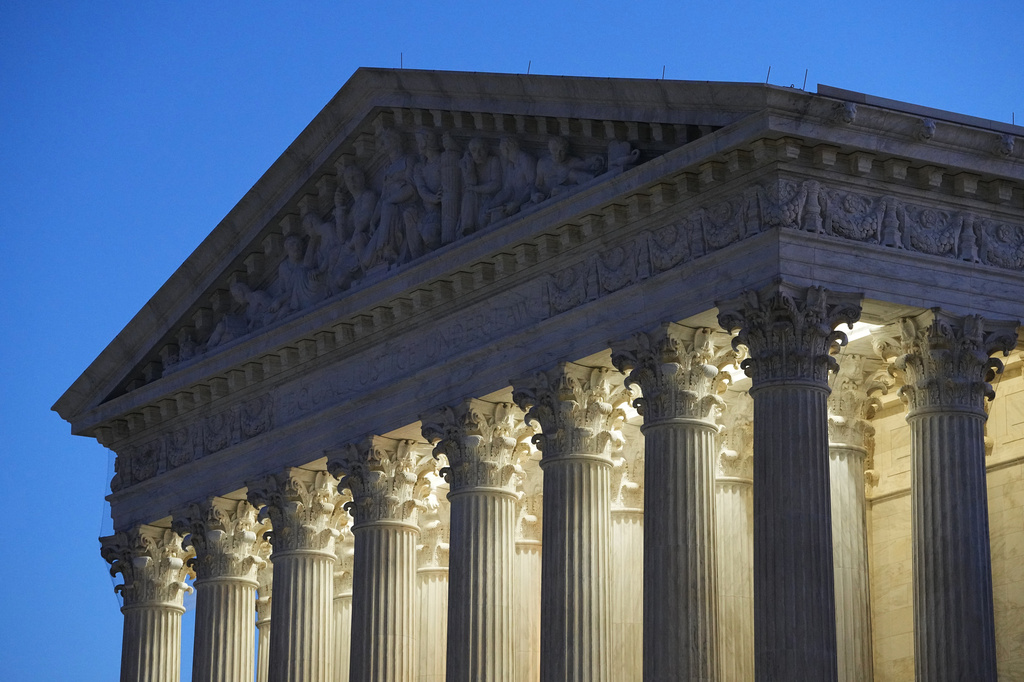
The U.S. Supreme Court is seen in Washington on Feb. 24, 2026. (AP Photo/Matt Rourke) |
Birthright citizenship case hits close to home for immigrant mother — By Mark Sherman
One of the first things an Argentine emigre did after her son was born in Florida last year was get him a U.S. passport. She saw the passport as tangible evidence that he's an American. But now people like her are in a legal fight over Trump's executive order that would deny U.S. citizenship to children born in the United States to people who are in the country illegally or temporarily. “It’s funny because I actually booked him for his passport application appointment even before he was born,” the 28-year-old woman said, as her now 7-month-old son napped nearby. She spoke to The Associated Press on the condition of anonymity, insisted upon by her lawyers, out of fear of possible retribution by the Republican administration if she were publicly identified. “I would say that I am definitely relieved that at least he is protected,” she said.
Wednesday's Supreme Court arguments are over whether Trump's order comports with the post-Civil War 14th Amendment and an 86-year-old federal law that has been widely understood to make citizens of everyone born in the country, with narrow exceptions for the children of foreign diplomats and invading armies. Every court to have considered the issue has found the order to be illegal and prevented it from taking effect.
Read more of Sherman's reporting on the court's upcoming arguments. |
|
|
FACT FOCUS: Driver's licenses and the SAVE America Act |
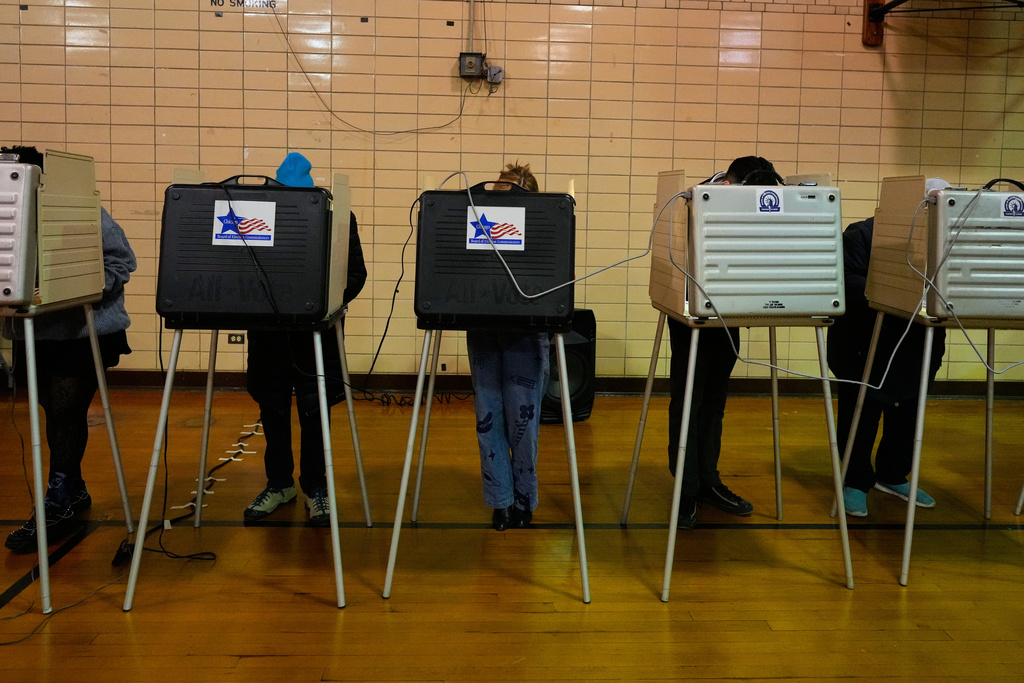
Democratic candidate for Congress, Kat Abughazaleh, center, casts her vote in a primary election for the upcoming midterms, in Chicago, Tuesday, March 17, 2026. (AP Photo/Nam Y. Huh) |
As the Senate debates the Safeguard American Voter Eligibility Act, or SAVE America Act, misleading claims about the bill’s impact on voter registration are spreading on social media, with elected officials on both sides of the aisle putting their own spin on it. Claim: People would not be allowed to use their driver’s license when registering to vote under the SAVE America Act.
Fact: This is missing context. Driver’s licenses that include verification of citizenship, such as an Enhanced Drivers License, could be used for voter registration in a limited number of states if the SAVE America Act passes. It has passed the House and is now in the Senate. However, those without such a license or who live in states or territories that don’t issue them would need to provide additional documentation.
Analysis: Republicans, including Trump, have argued that the legislation is needed to eliminate instances of noncitizen voting, which is already illegal in federal elections and can lead to felony charges and deportation. Cases where it occurs are rare. Opponents stress that the bill’s proof of citizenship requirements would create an undue burden for many voters due to obstacles such as the costs associated with obtaining a passport and processing times for government documents, including birth or marriage certificates. A recent survey found that more than 9% of voting-age Americans — 21.3 million people — cannot readily access documents proving they are citizens. — By Melissa Goldin
Read more of Goldin's reporting on the SAVE America Act. |
|
|
AP Elections Spotlight: Arkansas Secretary of State runoff |
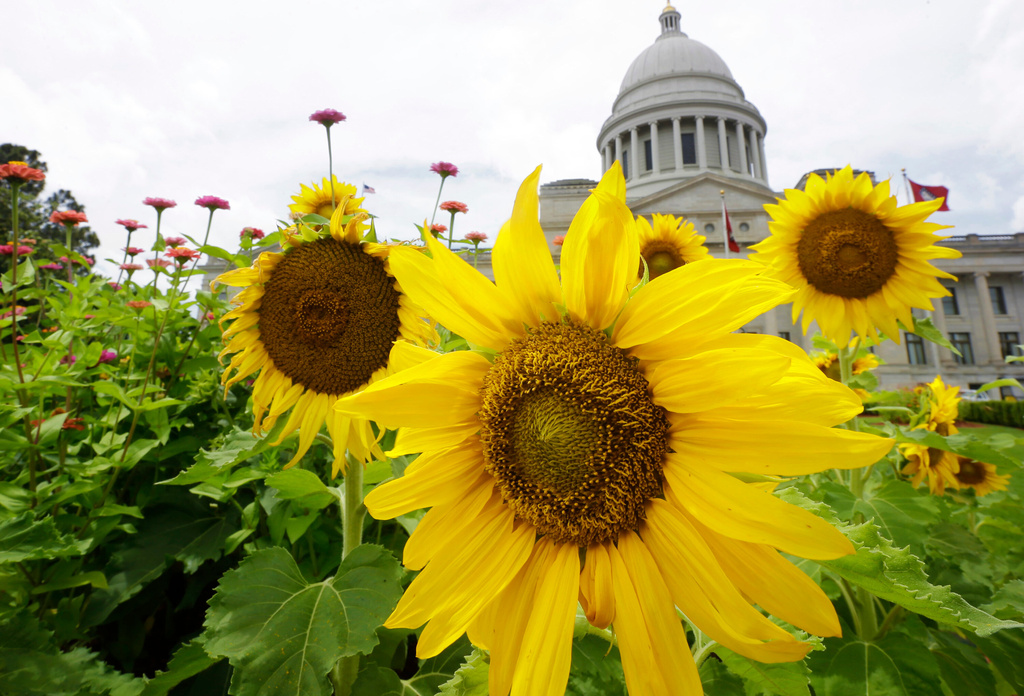
Flowers and other plants bloom in front of the Arkansas state Capitol in Little Rock, Ark., May 27, 2015. (AP Photo/Danny Johnston) |
The big picture: Arkansas voters will return to the polls Tuesday to pick the Republican nominee for secretary of state in a bit of unfinished business left over from the state primary on March 3, when no candidate received the required vote majority to avoid a runoff.
The candidates: Both runoff hopefuls, U.S. Army veteran Bryan Norris and state Sen. Kim Hammer, have endorsements from prominent Trump supporters. Hammer’s backers include U.S. Sen. Tom Cotton, Gov. Sarah Huckabee Sanders, Lt. Gov. Leslie Rutledge, Attorney General Tim Griffin and outgoing Secretary of State Cole Jester. Norris’ backers include former national security adviser Michael Flynn and MyPillow CEO Mike Lindell.
The tea leaves: If the race comes down to which candidate Republican voters see as more pro-Trump, one stat from the primary may offer a clue: just more than half the March 3 primary vote was cast in counties Trump carried with 70% or more of the vote in 2024. Norris performed slightly better than Hammer in these areas, while Hammer slightly outperformed the others in the rest of the state. But with the third-place candidate also drawing about a third of the primary vote, what her voters decide to do in what’s expected to be a low-turnout event will also be a key factor.
The bottom line: Regardless of who wins, at least two things are certain: the GOP nominee for the state’s top elections job will be a strong supporter of Trump’s agenda to overall elections and voting, and the winner will head into the November general election with recent history on his side. A Democrat hasn’t won the office in 20 years. Read more on Arkansas' runoff by Robert Yoon. |
|
|
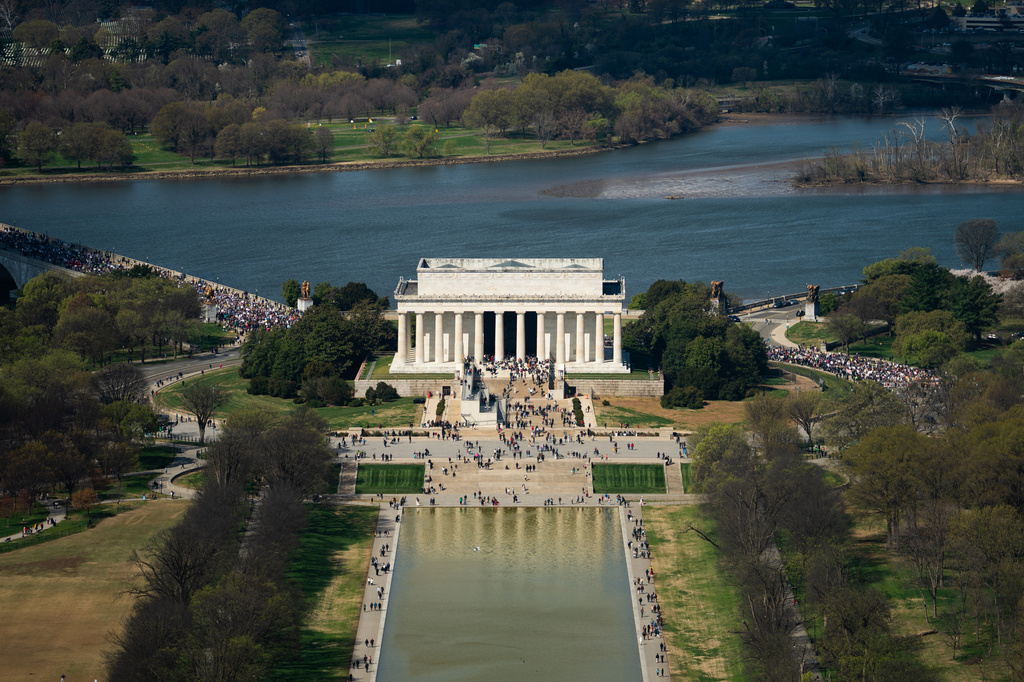
Demonstrators march across Memorial Bridge and around the Lincoln Memorial during the No Kings protest in Washington, Saturday, March 28, 2026. (AP Photo/Allison Robbert) |
|
|
|