OpenAI taps retail investors for $3 billion in extra funding and Anthropic source code leaks.
 ͏  ͏  ͏  ͏  ͏  ͏  ͏  ͏  ͏  ͏  ͏  ͏  ͏  ͏  ͏  ͏  ͏  ͏  ͏  ͏  ͏  ͏  ͏  ͏  ͏  ͏  ͏  ͏  ͏  ͏  ͏  ͏  ͏  ͏  ͏  ͏  ͏  ͏  ͏  ͏  ͏  ͏  ͏  ͏  ͏  ͏  ͏  ͏  ͏  ͏  ͏  ͏  ͏  ͏  ͏  ͏  ͏  ͏  ͏  ͏  ͏  ͏  ͏  ͏  ͏  ͏  ͏  ͏  ͏  ͏  ͏  ͏  ͏  ͏  ͏  ͏  ͏  ͏  ͏  ͏  ͏  ͏  ͏  ͏  ͏  ͏  ͏  ͏  ͏  ͏  ͏  ͏  ͏  ͏  ͏  ͏  ͏  ͏  ͏  ͏  ͏  ͏  ͏  ͏  ͏  ͏  ͏  ͏  ͏  ͏  ͏  ͏  ͏  ͏  ͏  ͏  ͏  ͏  ͏  ͏  ͏  ͏  ͏  ͏  ͏  ͏  ͏  ͏  ͏  ͏  ͏  ͏  ͏  ͏  ͏  ͏  ͏  ͏ ­ ­ ­ ­ ­ ­ ­ ­ ­ ­ ­ ­ ­ ­ ­ ­ ­ ­ ­ ­ ­ ­ ­ ­ ­ ­ ­ ­ ­ ­ ­ ­ ­ ­ ­ ­ ­ ­ ­ ­ ­ ­ ­ ­ ­ ­ ­ ­ ­ ­ ­ ­ ­ ­ ­ ­ ­ ­ ­ ­ ­ ­ ­ ­ ­ ­ ­ ­ ­ ­ ­ ­ ­ ­ ­ ­ ­ ­ ­ ­ ­ ­ ­ ­ ­ ­ ­ ­ ­ ­ ­ ­ ­ ­ ­ ­ ­ ­ ­ ­ ­ ­ ­ ­ ­ ­ ­ ­ ­ ­ ­ ­ ­ ­ ­ ­ ­ ­ ­ ­ ­ ­ ­ ­ ­ ­ ­ ­ ­ ­ ­ ­ ­ ­ ­ ­ ­ ­  
Wednesday, April 1, 2026
Salesforce reinvents Slack for the AI age, and takes aim at Microsoft’s Copilot


Good morning and Happy April Fool’s Day. My favorite April Fool’s Day tech story was Google’s Gmail launch back in 2004. At the time, Google was famous for its annual jokes, including a listing for a job at a research center on the Moon and a prank that convinced users to stare intensely at an animated GIF. It was the perfect set up for the young company to unveil its new web email service which came with a then-unfathomable 1 gigabyte of free storage. This was not a prank, it was a real product. That was the point.

The “charm” of the plan was to launch a product so cool that people would think it wasn’t real, Paul Buccheit, the Gmail co-creator, told the AP years later. “It kind of challenged people’s perceptions about the kind of applications that were possible within a web browser.”

Google stopped doing April Fool’s Day pranks during the pandemic and hasn’t resumed the practice since then (maybe it will surprise us this year? Or maybe it will once again use the occasion to unveil a real product that blows people’s minds?) As for that unfathomable 1GB of storage, Google has since raised the free amount to 15GB—and I’m still constantly at 99% full, and forever manually deleting items to avoid paying for extra storage. I guess the joke’s on me.

Today’s news below.

Alexei Oreskovic
@lexnfx
alexei.oreskovic@fortune.com

Want to send thoughts or suggestions to Fortune Tech? Drop a line here.

Was this newsletter forwarded to you? Subscribe here!

Salesforce reinvents Slack for the AI age


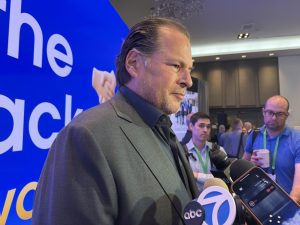
Back when Salesforce acquired Slack in 2021 for $27 billion, AI was not the driving force of the tech industry and AI agents were not on anyone's radar. On Tuesday, Slack got a makeover for the AI age, presented by Salesforce CEO Marc Benioff himself. 

Speaking to more than 100 people at San Francisco's St. Regis hotel for a "keynote" address, Benioff and several of his executives walked the audience through a revamp of the workplace communications tool that transforms the built-in 'Slackbot' chatbot into a full-fledged agentic assistant and effectively creates a natural language interface for Salesforce's core product. You can now ask Slackbot to search through your data for specific information, like the budget for a project, and ask it to adjust the costs to reflect a change in location, for example. There are specialized "skills" you can select for Slackbot to leverage on any given task. You can also pull the Slackbot out of the Slack interface and park it on your desktop, where it can assist with other tasks (like taking notes and summarizing your video calls). 

Think of it as Salesforce's answer to Microsoft's Copilot AI assistant. And similar to Copilot, Salesforce is partnering with Anthropic to provide the AI smarts inside the new Slackbot.

With Salesforce's stock down 30% this year amid worries that AI will eat its business (i.e. the "Saaspocalypse"), Benioff needs to show investors that his products will become even more useful with AI rather than get buried by AI. The Slack refresh—which cleverly reinvents the capabilities and possibilities of an existing asset—could prove to be a convincing example.—AO

OpenAI raises even more billions, including from retail investors

OpenAI said Tuesday that it has raised an additional $12 billion as part of the already massive $110 billion funding round that it announced in February. The additional money values OpenAI at the same $730 billion valuation ($852 billion if you include the new capital) it achieved in February. One interesting twist is that $3 billion of the new money comes from "retail investors," that is, individual (and wealthy) people who were offered the chance to buy into the round through their banks. 

In a lengthy blog post about the funding, OpenAI described the retail investor component, which will also entail OpenAI stock being included in several exchange-traded funds managed by ARK Invest, as a way of "giving more people the opportunity to share in the upside economics of OpenAI and the AI era." Of course, that means participating in the downside risk too.—AO

Anthropic leaks Claude Code source code

Anthropic has accidentally leaked the source code for its popular coding tool Claude Code, exposing around 500,000 lines of code across roughly 1,900 files. The company confirmed that "some internal source code" had been leaked within a "Claude Code release." The company said no customer data or credentials were exposed.

The leak appears to have occurred after Anthropic uploaded Claude Code's original code to NPM—a platform developers use to share and update software—instead of only the finished compiled version. The incident is potentially more damaging than Anthropic's earlier accidental exposure of a draft blog post detailing a powerful upcoming model known internally as both "Mythos" and "Capybara," first revealed by Fortune. While the latest leak did not expose model weights, it did allow people with technical knowledge to extract additional internal information from the codebase. Competitors could potentially reverse-engineer how Claude Code's agentic harness works, and some developers may seek to build open-source versions based on the leaked code.—Beatrice Nolan