| | In this edition, delivery robots face living with humans, and how the compute bottleneck can be good͏ ͏ ͏ ͏ ͏ ͏ |
| |  | Technology |  |
| |
|
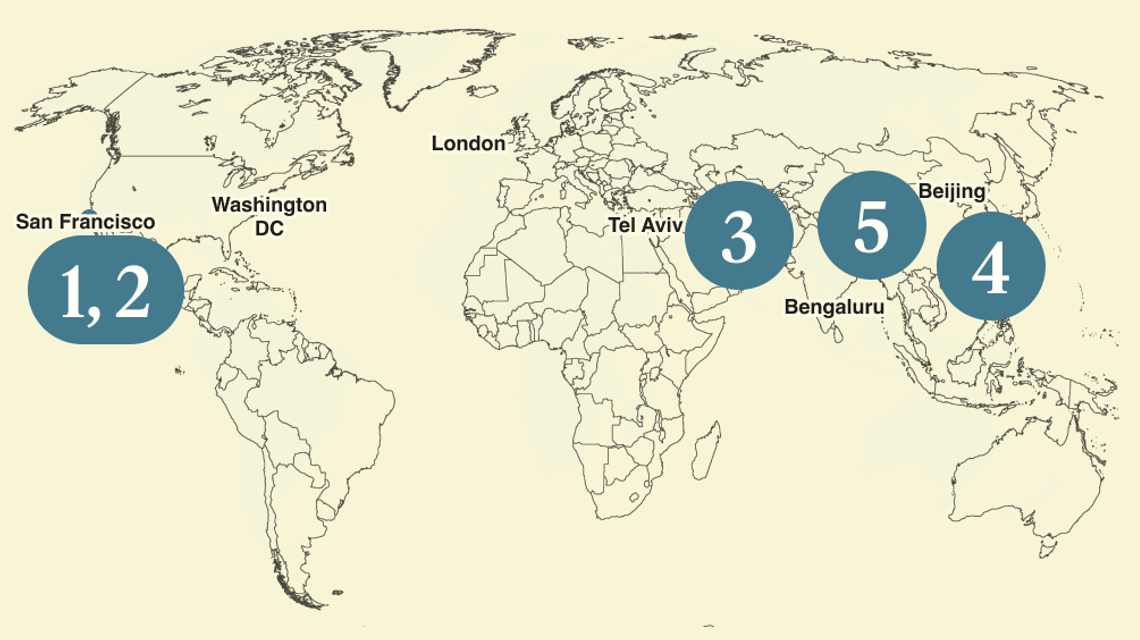 - Robot abuse
- Supply constraints
- Tech data security
- Drones in Taiwan
- Agent backlash in China
 How the compute bottleneck could be good for innovation, and adult film actors use AI to make digital clones. |
|
 In conversations with different frontier labs over the past couple of weeks, I’ve heard the same refrain: They are worried they might not have spent enough money on compute, either because they didn’t see demand surging as fast as it has, or they just failed to lock up the energy production, chip supplies, or data center leases they now need. This is a massive shift from late last year, when talk of an AI bubble augured capital expenditures that would come back to bite tech companies when token demand plummeted. Now it looks like the opposite has happened. (Not that we are all that surprised). Even if companies wanted to spend irresponsible amounts of money on AI compute, they’ve been hampered by supply chain constraints. And the Iran war creates even more friction. The shortage is actually forcing companies to stay focused. OpenAI shutting down Sora in order to reallocate compute resources is just one example. Other companies are being forced to make trade-offs when deciding where to place their bets. Constraints can often be good for innovation (necessity is supposed to be the mother of invention after all). When capital is tight, for example, it’s usually a forcing mechanism that rewards only the best companies. With the capital spigot still wide open, the compute bottleneck might be the next best thing for major tech breakthroughs. |
|
Robot companies’ tussle with the humans |
 Smith Collection/Gado/Getty Images Smith Collection/Gado/Getty ImagesThe humans are starting to fight back. One very analog cost robotics companies are now dealing with as their products proliferate in the wild is repair fees for robots who have been kicked, ridden on, or otherwise defaced, Serve Robotics CEO Ali Kashani tells Semafor. Serve, which makes wheeled delivery robots, says it’s a natural issue as humans learn to share public spaces with robots. Unless there is a dangerous situation, the company doesn’t call the police or try to identify the assailant. Right now, the issues only arise in less than 1% of 100,000 trips. The robots are “built to handle being kicked over,” he said. And cleaners remove the graffiti at night “unless it looks cool.” Competing delivery robot firm Coco, meanwhile, is equipped with an alarm that “tends to deter tampering,” operations manager Jonathan Boeri said, noting the instances are infrequent. Robot hazing doesn’t happen often enough to be considered a material business risk or a notable cost, the two executives said, but the decision comes as companies face more widespread anti-tech sentiment. And the robot companies’ success hinges in part on people liking the robots. — Rachyl Jones |
|
Jittery tech firms boost security |
 The Amazon building in Dubai. Amr Alfiky/Reuters. The Amazon building in Dubai. Amr Alfiky/Reuters.Iran threatened to attack US tech companies with operations in the Middle East, calling out Nvidia, Apple, Meta, Microsoft, Google and a dozen others. The revolutionary guard urged employees to leave the facilities, and residents within a kilometer around them. The threat comes after Iran struck AWS data centers last month, prompting outages. And tech companies are extending security actions to locations around the world, including the US, security firm HiveWatch told Semafor. HiveWatch, which provides monitoring software, is fielding a surge of calls from anyone with data centers, power plants, and cell phone towers — mirroring a bump in business it got after last year’s shooting at a Manhattan office housing BlackRock and the NFL, and the fatal shooting of a UnitedHealthcare executive in 2024, HiveWatch CEO Ryan Schonfeld said. Among other things, HiveWatch monitors video feeds, employee access, online conversations, threats against executives and brands, and 911 dispatches. “There’s only so much physical security you can add to stop a rocket,” Schonfeld said. — Rachyl Jones |
|
The new rules of AI capitalism |
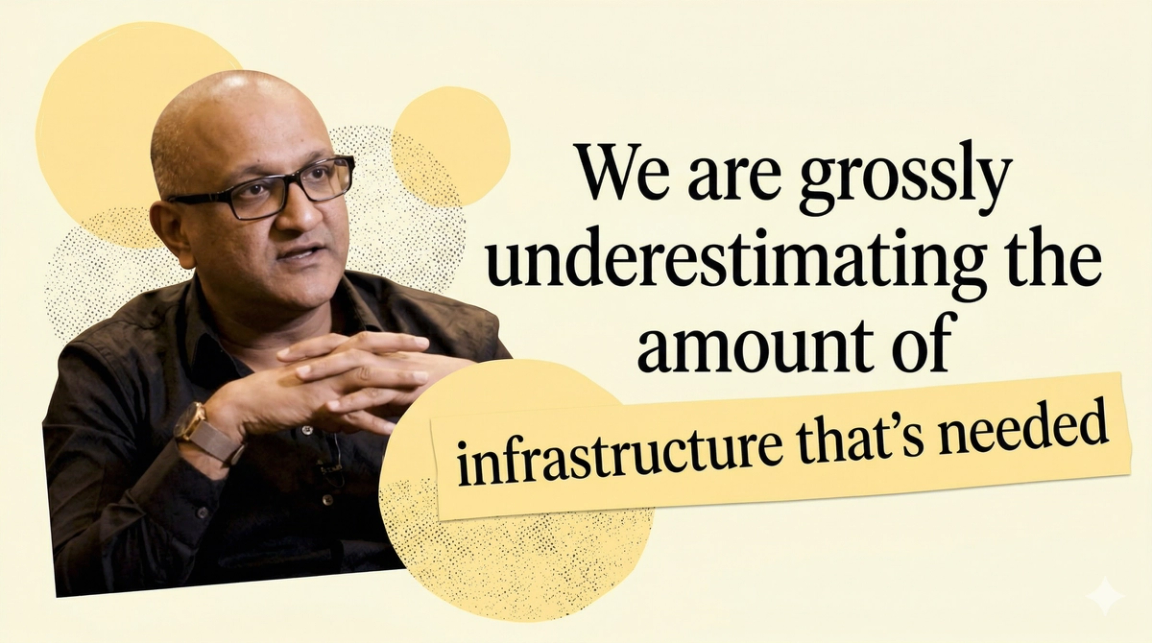 The tech world is “grossly underestimating” the amount of AI infrastructure needed and that’s changing the way tech companies are doing business, Cisco president and chief product officer Jeetu Patel told Semafor. We’re already seeing shortages of components, and from Patel’s vantage point, it sounds like things are only going to get worse. Being in a “supply constrained business,” he says, changes some of the basic rules of capitalism, like selling to the highest bidder. “We’re carefully doing a balancing act,” he said. “You want to make sure that all those customers are hydrated,” he said, which means sometimes turning away the highest bidder when you don’t have the supply to offer them. In other words, you have to reserve some supply to keep the other customers happy, otherwise you’d only be selling to hyperscalers. Patel also spoke about the security challenge of multi-agent implementations like OpenClaw and the tightrope companies have to walk in order to avoid falling behind. “If you have more human talent that’s dextrous with AI compared to another company,” the difference will be “night and day.” Watch the rest of the interview here. |
|
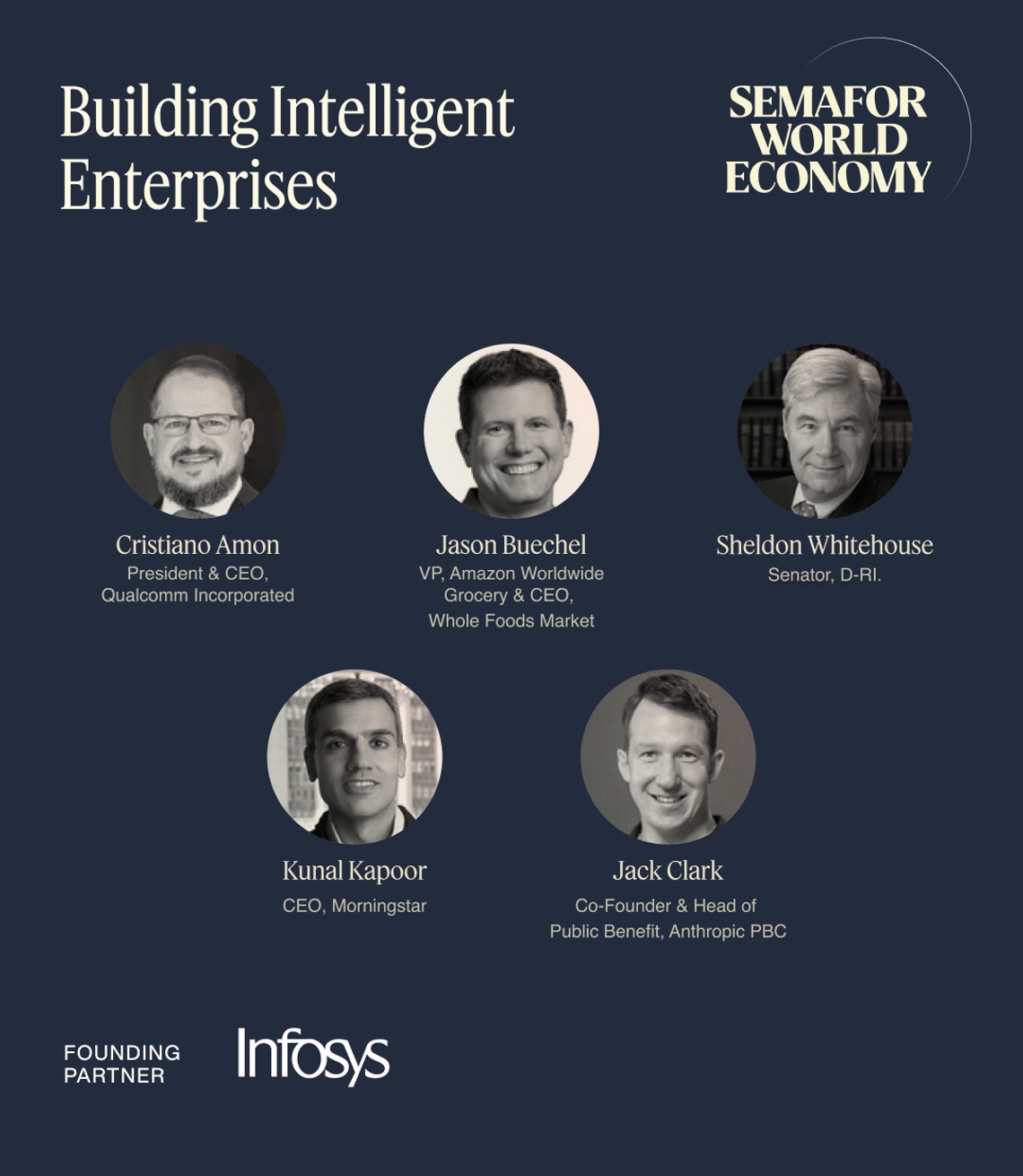 Cristiano Amon, President & CEO, Qualcomm Incorporated; Jason Buechel, VP, Amazon Worldwide Grocery & CEO, Whole Foods Market; Sheldon Whitehouse, Senator, D-RI; Kunal Kapoor, CEO, Morningstar; Jack Clark, Co-Founder & Head of Public Benefit, Anthropic PBC; and more will join the Building Intelligent Enterprises session at Semafor World Economy. This session will examine how AI is reshaping enterprise operations and decision-making, widening the gap between leaders and late adopters, and forcing companies to rethink organizational design. April 13, 2026 | Washington, DC | Apply to Attend |
|
Bill aims to strengthen US-Taiwan ties |
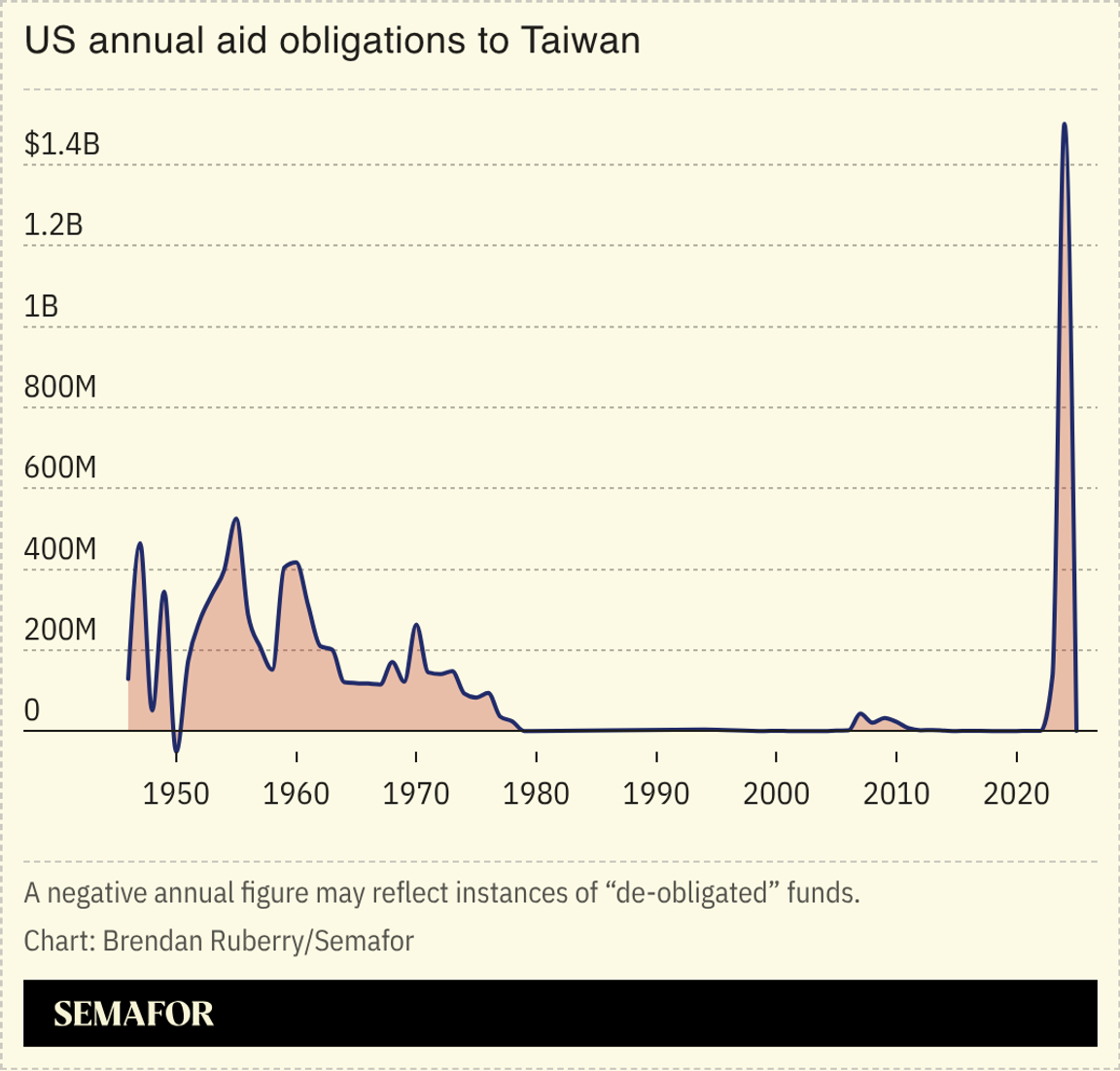 Drones have long been the domain of China, which has until now mostly cornered the global market. Now a bipartisan group of lawmakers wants the Trump administration to help bolster Taiwan’s domestic drone industry as it faces increasing threats from China, Semafor’s Morgan Chalfant scoops. Beijing has increasingly used drones to pressure Taipei, including reportedly deploying drones made from fighter jets to bases near the Taiwan Strait. A new bill calls for the creation of a working group with representatives from the State Department and Pentagon to find ways for Washington and Taipei to co-produce drones and develop a supply chain independent from China that Taiwan and other US allies can rely on. It’s unclear whether the legislation will go anywhere in the Senate, but there is broad bipartisan support for Taiwan in the chamber. |
|
Backlash to agents slowly builds in China |
 Florence Lo/Reuters Florence Lo/ReutersJust as quickly as China embraced AI agents like OpenClaw, backlash to the autonomous tools is slowly bubbling up. Popular Chinese chatbot DeepSeek was down for more than 10 hours Sunday evening, sparking consternation among users who speculated the outage stemmed from a surge in usage via AI agents, which can take action on a user’s behalf. Dozens of Chinese tech firms have rolled out their own tools, but some users have complained about hefty bills or said the agents shared sensitive personal information, The Wire China wrote. The agentic enthusiasm has also created a sense of “AI anxiety” among China’s public, a tech analyst recently wrote, as people worry “they are not using AI aggressively enough.” |
|
 Nikolas Kokovlis/NurPhoto via Getty Images Nikolas Kokovlis/NurPhoto via Getty ImagesAdult film actors are using AI to make digital clones of themselves, to keep an income stream going after they leave the profession. AI “companion” companies use performers’ image and voice, with permission, and create likenesses from which users can pay to generate X-rated scenes. “She’s never going to age,” one retired actress told WIRED of her digital clone. Every media technology gets co-opted for sexual imagery — from cave paintings to daguerreotype to the internet — but it’s not just the adult industry creating doppelgangers: Matthew McConaughey copyrighted his AI-generated image, while Michael Caine and Liza Minnelli allowed an audio company to clone their voices. Other actors have spoken out against AI replication of their image. |
|
 Matthew’s View: Western CEOs know that if they walk away from the region now, they may not be able to get back in for years. → |
|
|
|


