Front row at the Boat Race 2026, Spritz Zegna’s Il Lanificio scent and three best-in-class Japanese brands.
|
Friday 3/4/26
|

|
|
London
Paris
Zürich
Milan
Bangkok
Tokyo
Toronto
|
|
|
|

Good morning from Midori House. For more news and views, tune in to Monocle Radio. Here’s what’s coming up in today’s Monocle Minute:
THE OPINION: Navigating the UAE’s diplomatic tightrope
SPORT: Take a front-row seat at the Boat Race 2026
DAILY TREAT: Spritz Zegna’s Il Lanificio scent
FROM MONOCLE.COM: Three best-in-class Japanese brands
THE LIST: The best bookings, weekend escapes and late-night tables
|
|
The UAE is walking a tightrope between self-defence and wider deterrence
By Inzamam Rashid
|

|
The UAE is projecting calm under fire but its military leadership is leaving little doubt that restraint has its limits. Five weeks into sustained Iranian attacks, the country’s official position remains defensive. Yet in a detailed interview with Monocle, Major General Abdul Nasser al-Humaidi of the country’s Ministry of Defence offered a more layered message: one of preparedness, endurance and conditional escalation. “Since the inception of this tragic aggression from the Iranian side, the armed forces continuously monitor, detect threats and counter them,” he says, pointing to what he described as a “very high success rate” in intercepting more than 2,500 missiles and drones.
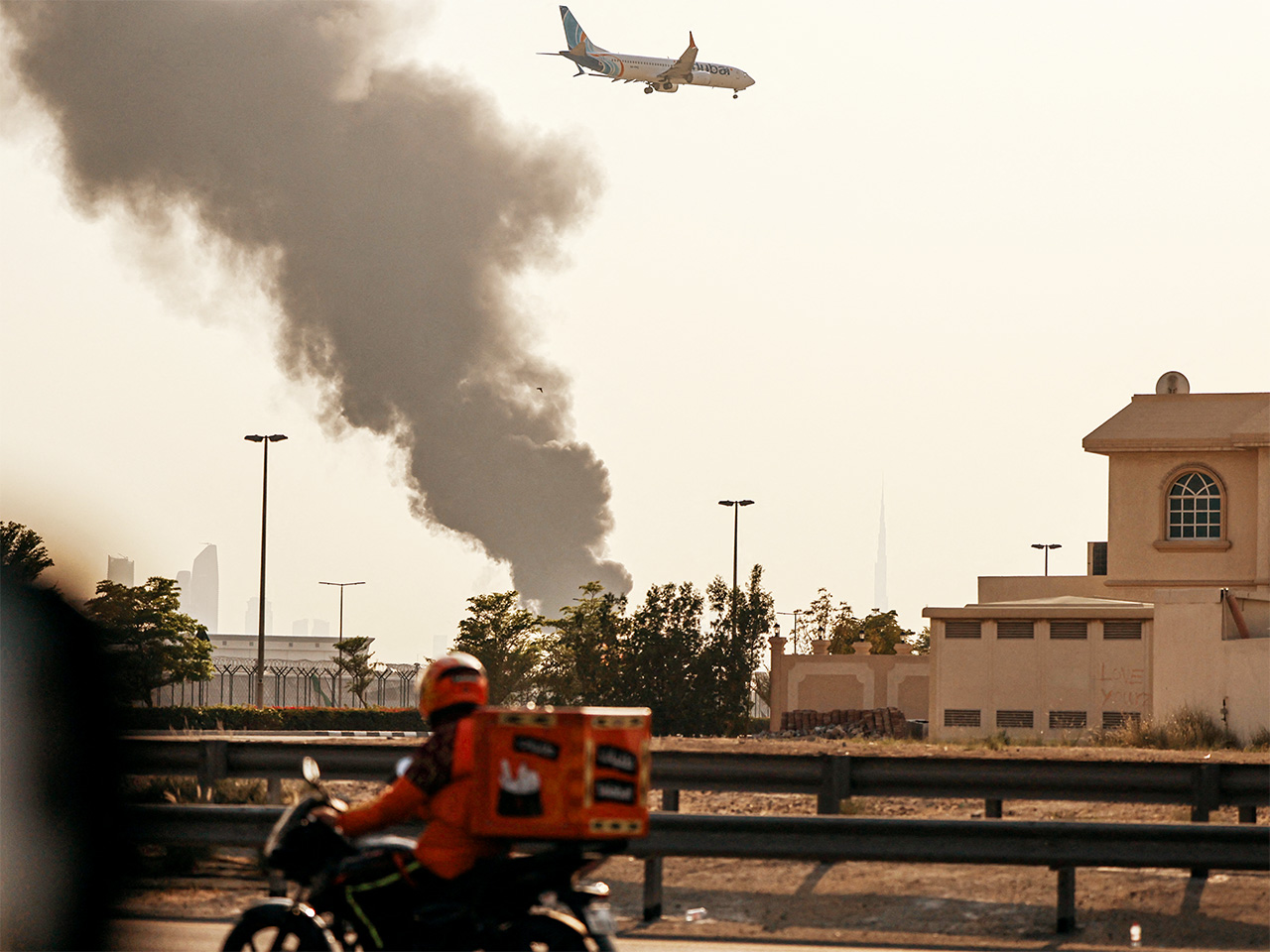
Those interception rates – above 99 per cent for missiles and more than 95 per cent for drones – have allowed the country to maintain an image of stability. “People are living normally. They function. Trade is flowing. The economy is thriving,” says al-Humaidi. Yet that sense of normality sits alongside a far more disruptive reality. Iranian strikes have targeted civilian infrastructure across the country – including airports, ports, oil facilities and even luxury hotels – with debris and direct impacts causing fires and damage in urban areas. At least 12 people have been killed and many more injured since the conflict began, underscoring the human cost beneath the headline interception rates.
| |
|
Life goes on: The UAE is delivering on its promise to maintain a defensive posture
|
|
The scale of the assault is striking. By the UAE’s own account, it has been targeted more heavily than any other Gulf state during this conflict, a sustained campaign that has tested both its air-defence systems and its strategic patience. The response has been disciplined so far. “We’re not part of this conflict,” Al Humaidi insists. “So we will continue that posture in defending our territory.”
That line repeats consistently across Emirati messaging and underscores a deliberate positioning – the UAE as a reactive, not proactive, military actor. Yet there might be a subtle but important shift. Pressed on whether joining offensive operations alongside allies is entirely off the table, al-Humaidi was keeping options open. “The UAE preserves its right to self-defence upon any aggression that aims at the UAE and that’s the primary role of the military,” he answers. It is a carefully calibrated response, one that stops short of signalling imminent escalation but clearly avoids ruling it out.
There are also firm red lines. The Iranian foreign minister, Abbas Araghchi, has justified their aggression by claiming that US strikes are being launched from bases inside the UAE. Al-Humaidi was categorical in his denial of this. “UAE territory will not be used for any attacks against Iran” he says. “So from a military standpoint, that’s not correct and it’s not happening.” The message is twofold: the UAE is not a staging ground for offensive operations but it will defend itself if drawn further in.
This ambiguity reflects a broader recalibration taking place across the Gulf. While early rhetoric in some quarters focused on regime change in Iran, officials now appear to be converging around a more immediate priority: securing the Strait of Hormuz and restoring maritime stability. The UAE has aligned itself publicly with that objective, stressing the importance of keeping the waterway, a critical artery for global trade, open and secure. Behind the scenes, however, there are indications that contingency planning is under way should international efforts require a more active contribution.
That dual track of public restraint and private preparedness is consistent with the tone of al-Humaidi’s remarks. “The armed forces retains its readiness and preparedness for any type of aggression,” he says. “We have the capacity, we have the capability and we will continue to do that.” At the same time he repeatedly returned to the UAE’s broader identity as a “peace-seeking nation”, positioning military action as a last resort. But balancing deterrence and diplomacy is becoming an increasingly difficult task.
Inzamam Rashid is Monocle’s Gulf correspondent. For more opinion, analysis and insight, subscribe to Monocle today.
|
|
SPORT: Chanel J12 Boat Race
The Boat Race 2026 is here and Chanel has booked a front-row seat
The placid waters of the River Thames at west London will churn and eddy under the collective might of Oxford and Cambridge universities’ best rowers tomorrow afternoon. In its 197th year, the Boat Race is more than an institution – it’s a fixture, as much a part of life in the UK as William Shakespeare or brisk spring weather. For the second time, the race will be sponsored by Chanel J12, the French house’s line of Swiss-made luxury watches, which is also the official timekeeping partner.
| |
|
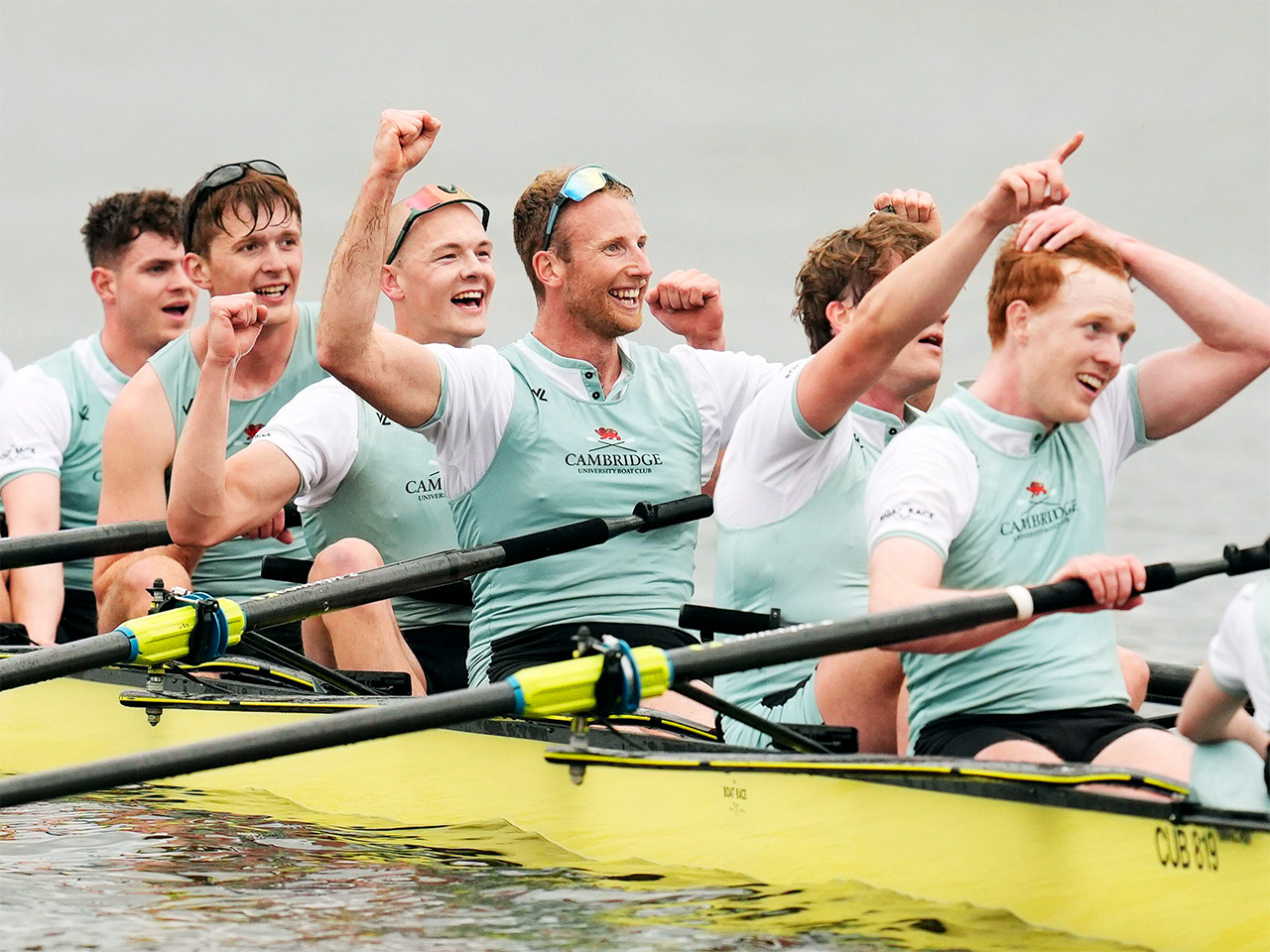
Boat of confidence: The Cambridge team celebrate victory in 2025
|
|
The men’s and women’s teams of Cambridge and Oxford University’s boat clubs will race along 6.8km of the river from Putney to Mortlake. The crews consist of eight rowers and one diminutive coxswain, who does the steering while shouting encouragement through a megaphone. Cambridge, the men’s race’s most successful team with 88 wins (including last year), wear light blue, while Oxford, who will be hoping to add to its 81 victories, will be clad in dark blue. About 250,000 people are expected to line the banks of the Thames to cheer their favoured blues, with millions more watching on TV. Those seeking a special memento of the occasion should look no further than one of the limited-edition commemorative prints designed by Peter Saville. May the best boat win.
theboatrace.org
|
|
• • • • • DAILY TREAT • • • • •
Spritz Zegna’s Il Lanificio scent
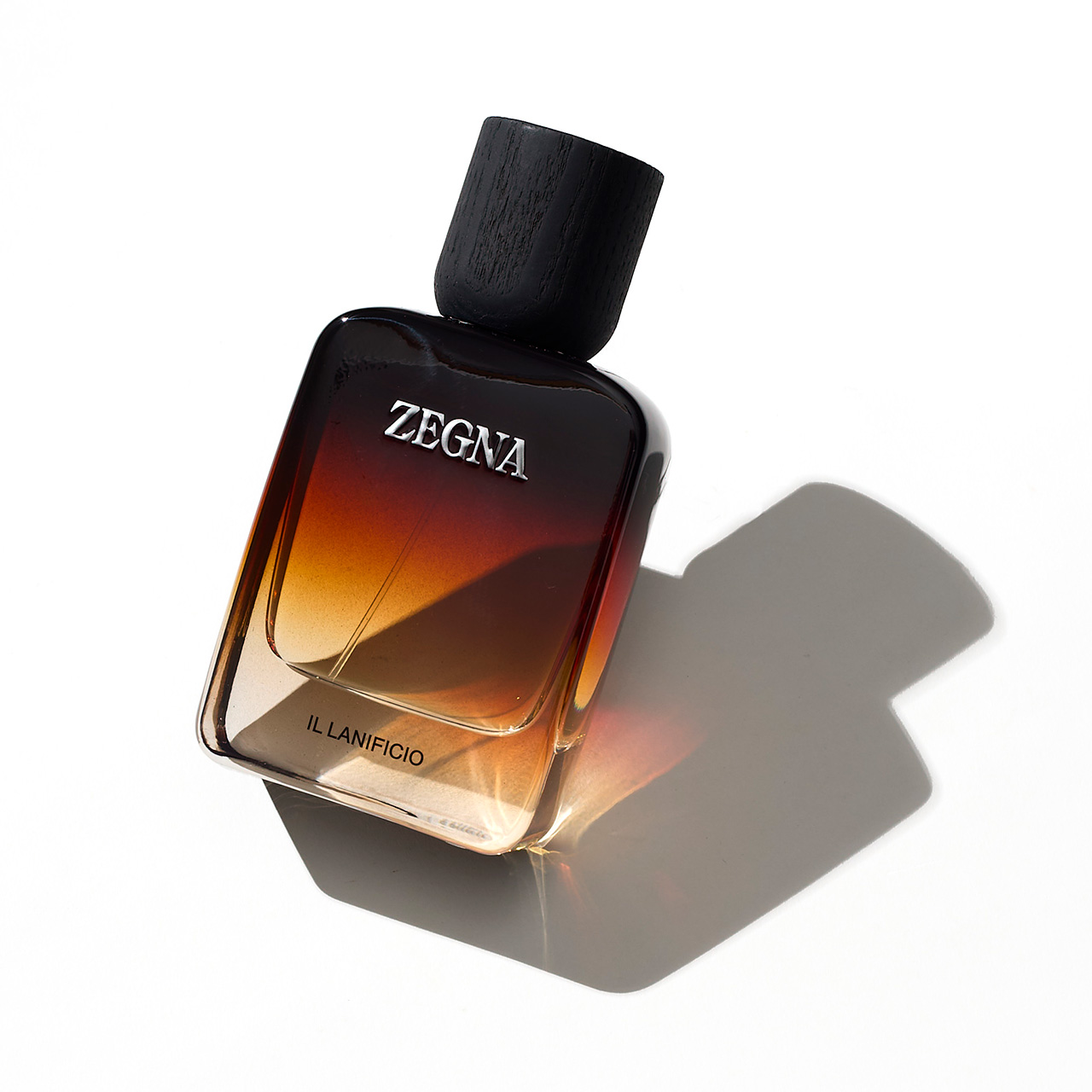
For its latest foray into perfume, luxury menswear house Zegna drew inspiration from the life of founder Ermenegildo Zegna and his Italian Alpine homeland. The brand’s new fragrance collection includes six scents and we’re particularly taken by Il Lanificio, which means “wool mill” in Italian.
The perfume’s heady mixture of suede, vanilla and sandalwood pays tribute to its namesake and is a celebration of Zegna’s ability to take raw material and transform it into something unique. Simultaneously urbane and rustic, this is a scent to savour.
zegna.com
|
|
|
SPONSORED BY HITACHI ENERGY
|
|
|
|
|
|
from monocle.com: JAPAN
Exploring Japan’s most original retailers: In-person concept shops with delightful offerings
Best sporting concept: 4BFC
Sendagaya, Tokyo
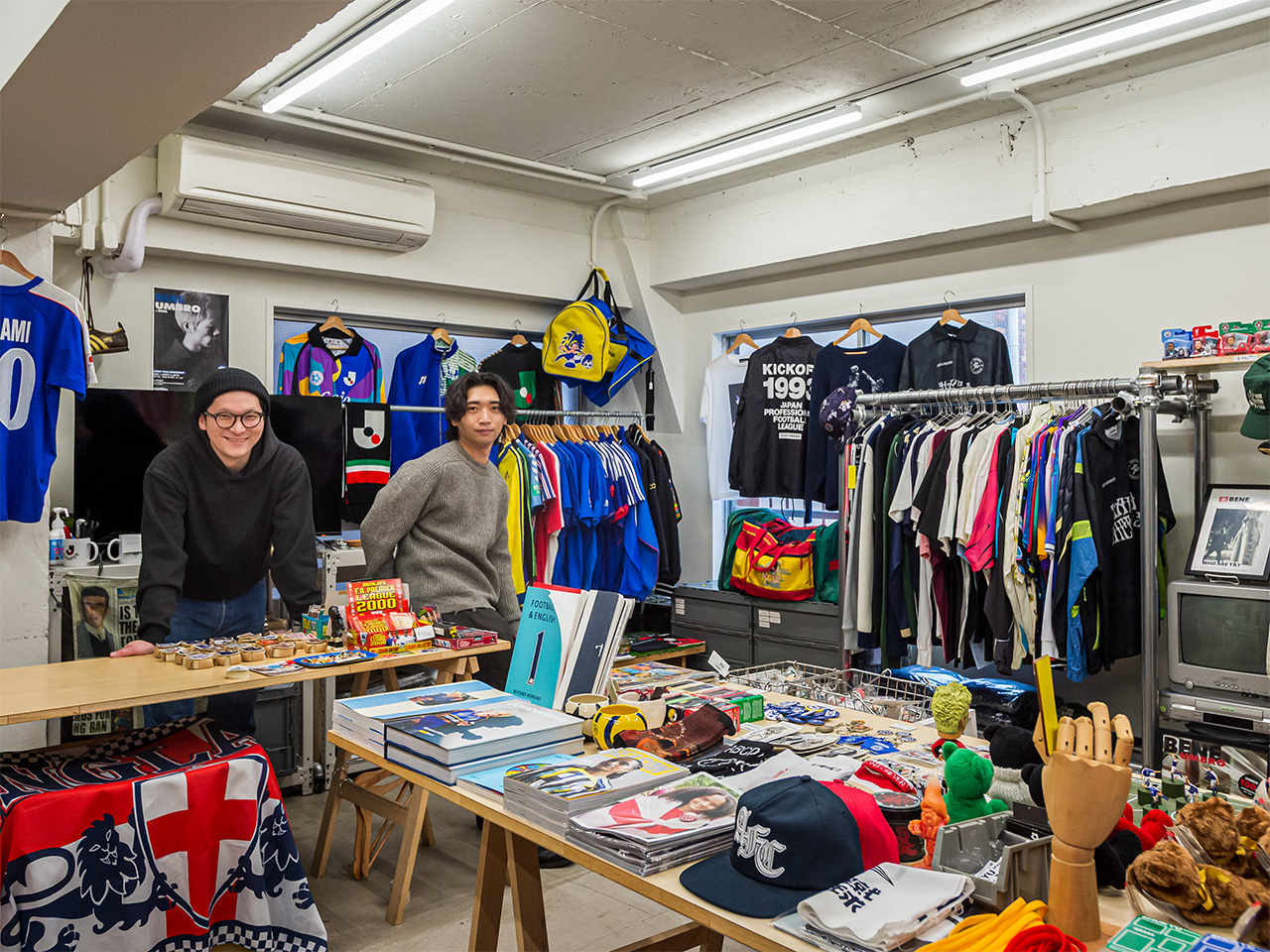
Founded by four football fans, 4BFC celebrates global football culture from its base near Japan National Stadium. Since opening in 2023, the tiny space has become a game-day destination for local and visiting fans alike, while also serving as a key stopover for independent brands and creators from around the world. On the shop floor you will likely find vintage J-League and Premier League shirts sourced by co-founder Toshiki Morita of Bene; issues of football-focused Shukyu Magazine and other small-press publications; World Cup-themed throw rugs; and various left-field merchandise and memorabilia.
|
Best footwear concept: OAO Haus Kyoto
Gion, Kyoto
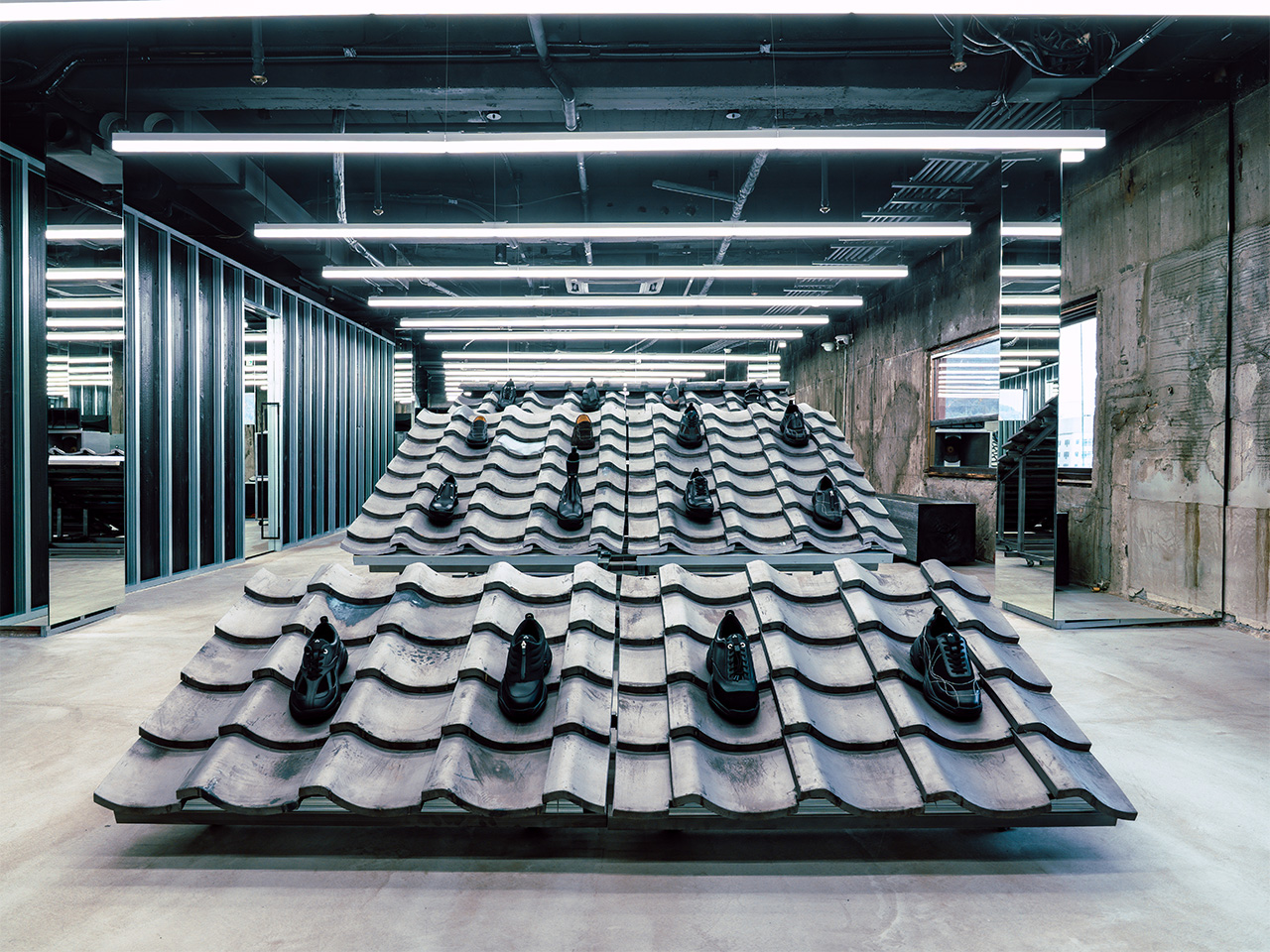
Harnessing the power of both the physical and the digital has always been a key pillar for footwear brand OAO, co-founded in 2019 by software designer Takaaki Itagaki. The label launched as a “creative foot-gear laboratory” with a direct-to-consumer focus, combining e-commerce with pop-up events featuring installations by artists and creators. In December 2025, OAO opened a Kyoto showroom inside a Gion building filled with bars, clubs and other nightlife businesses. Keen to localise the shop concept even further, the brand found inspiration in Kyoto’s traditional roof tiles. Tokyo-based studio Daikei Mills designed an interior with old tiles repurposed as displays, while the use of yakisugi (charred cedar), exposed walls and vintage speakers provides layers of tactility.
|
Best traditional remix: Goyemon Shibuya
Shibuya, Tokyo
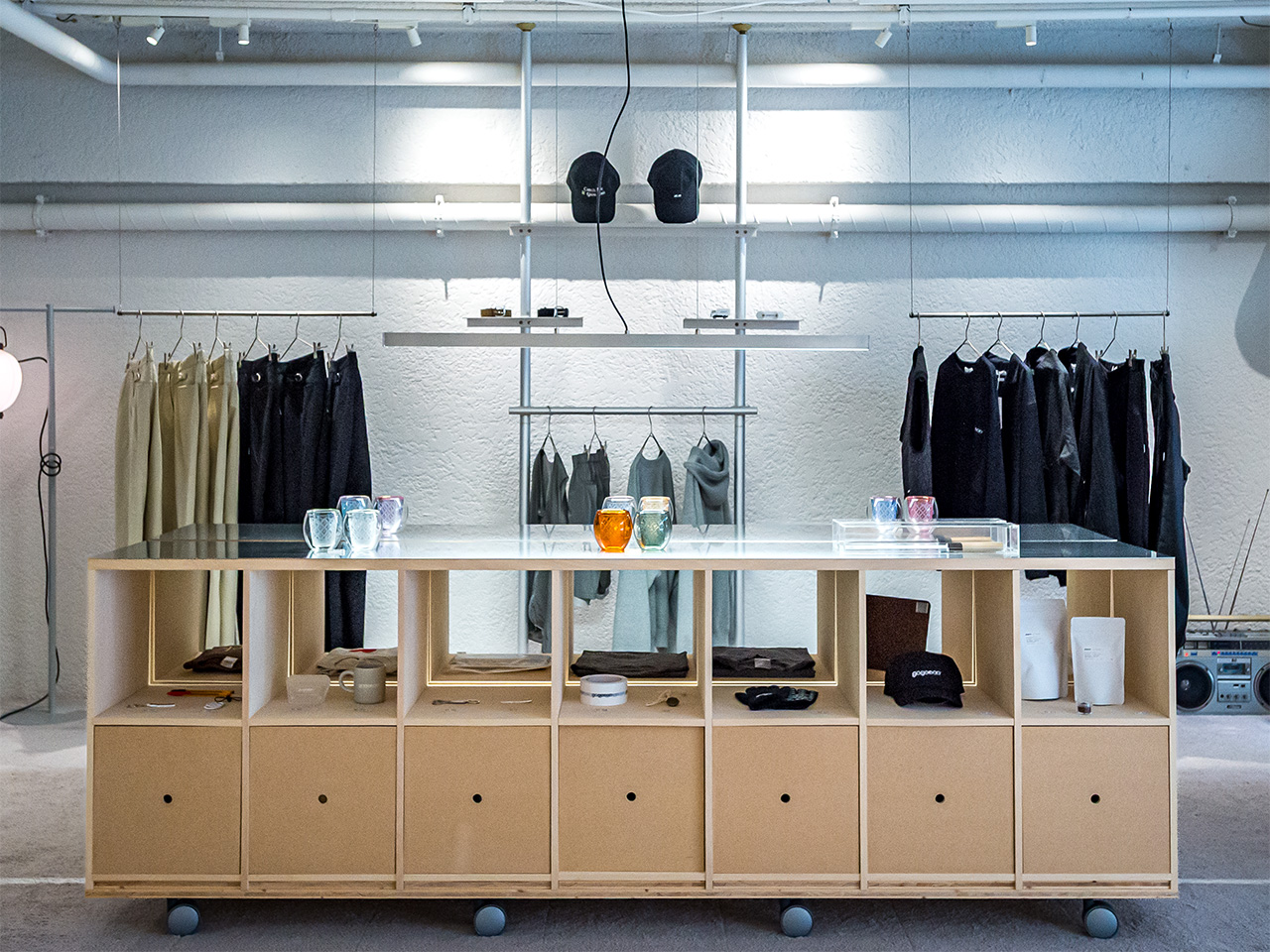
The design brand’s ethos has been translated into spatial form at its sole retail outpost in Shibuya. Incense fills the warm-toned interior with an air of calm, while plywood and stainless-steel fixtures are topped with waterproof tatami woven with synthetic fibres. This mixture of tradition and technology, new and old, sets the scene for the brand’s line-up of original products. Its location away from Shibuya’s commercial heart has called for some creative thinking. There’s a gachapon vending machine and branded items, including baseball caps and coffee beans, available exclusively in the shop. Playful and reasonably priced, they boost the space’s appeal while adding a layer of accessibility.
| | | | |