The internet, 9/11 and a global financial crisis
CFR Education


April 12, 2026

Dear Educator, 


Today's high school seniors were born in 2008. That is the same year Google launched Chrome, and the world’s economy dove into financial catastrophe. To them, 9/11 is as distant as Vietnam was to Gen X. To teach about this period, educators need resources to explain the events of these years as key moments in history that continue to affect the present. 


Keep reading to find content that will help you answer questions such as:

  • How was the internet created?
  • How did 9/11 change U.S. counterterrorism policy?
  • What were the global consequences of the 2008 financial crisis?


The events that we all remember as if they were yesterday are now ancient history to anyone under 25, but that doesn't mean teaching them can't be engaging. Utilize the activities and simulations in this newsletter to make the topics feel relevant to students. 


Happy learning, 


Caroline Netchvolodoff 
Vice President, Education 
Council on Foreign Relations 


The Online World 

Nothing transformed modern society and influenced global affairs quite like the internet. Whether you are teaching about the early days of the internet as a niche government tool or how cyberweapons have been used to stop Iran's efforts to build nuclear weapons, CFR Education has resources for you:

  • How Does Cyberspace Work?
  • The Origins of the Internet (timeline) 
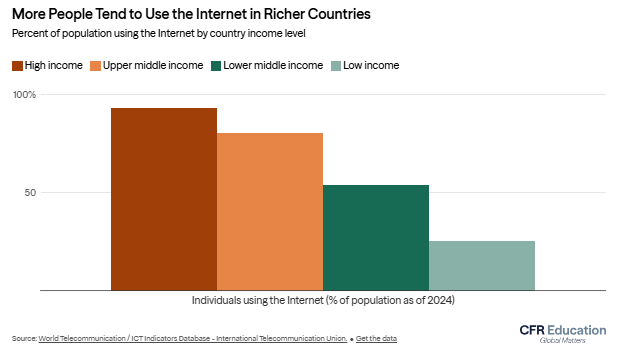
  • The Internet by the Numbers
  • The Growing Threat of Cyberattacks

Still teaching about the Cold War?

Check out this updated resource about the proxy war that occurred in places like Cuba, Vietnam, and Angola. 

Seven Hot Wars resource

Then explore Retro Report's new Cold War StoryMap (part of their Global Cold War Collection), which blends multimedia and interactive mapping to teach about the tumultuous period from the post-World War II era through the collapse of the Soviet Union.

The Rise of Terrorism

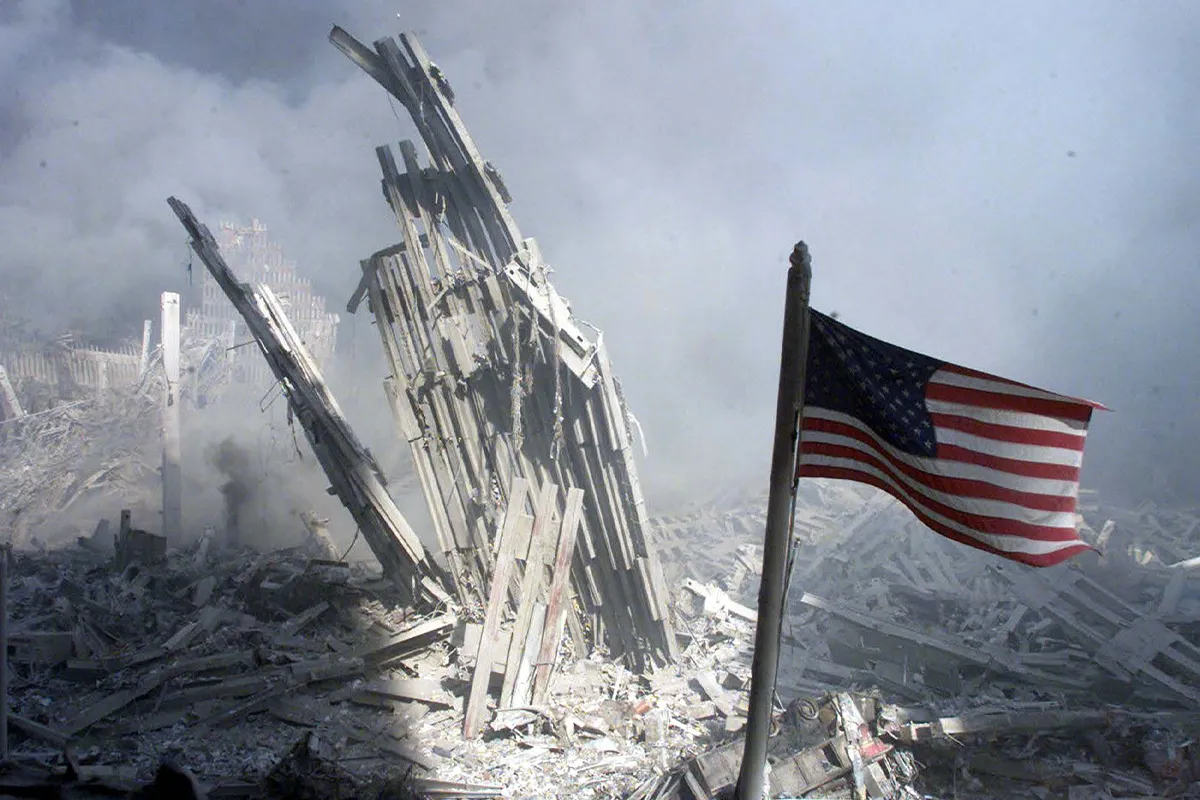
Terrorist threats have persisted for decades around the world and in the United States, but the attacks on September 11th, 2001, ushered in a new era. Not only was 9/11 the deadliest attack on American soil, but it also fundamentally changed geopolitics and Americans’ perceptions of security and privacy. 


You can rely on these resources to educate your students on the topic in a nonpartisan, fact-based way:

  • What Is Terrorism? (video) 
  • How a Single Phrase Defined the War on Terror
  • How Do Terrorists Get Funding?
  • The History of Terrorism and U.S. Counterterrorism Since 1945 (timeline)

Primary Source Analysis: Students will read and analyze primary sources on counterterrorism policy before and after 9/11. Try the activity.

Simulation: Response to 9/11

Use this role-play to put your students in the shoes of decision makers in 2001 and help students understand that the 9/11 attacks represented a new brand of terrorism that could require a new brand of counterterrorism policy in response.

Try the simulation

The Great Recession and Global Economies

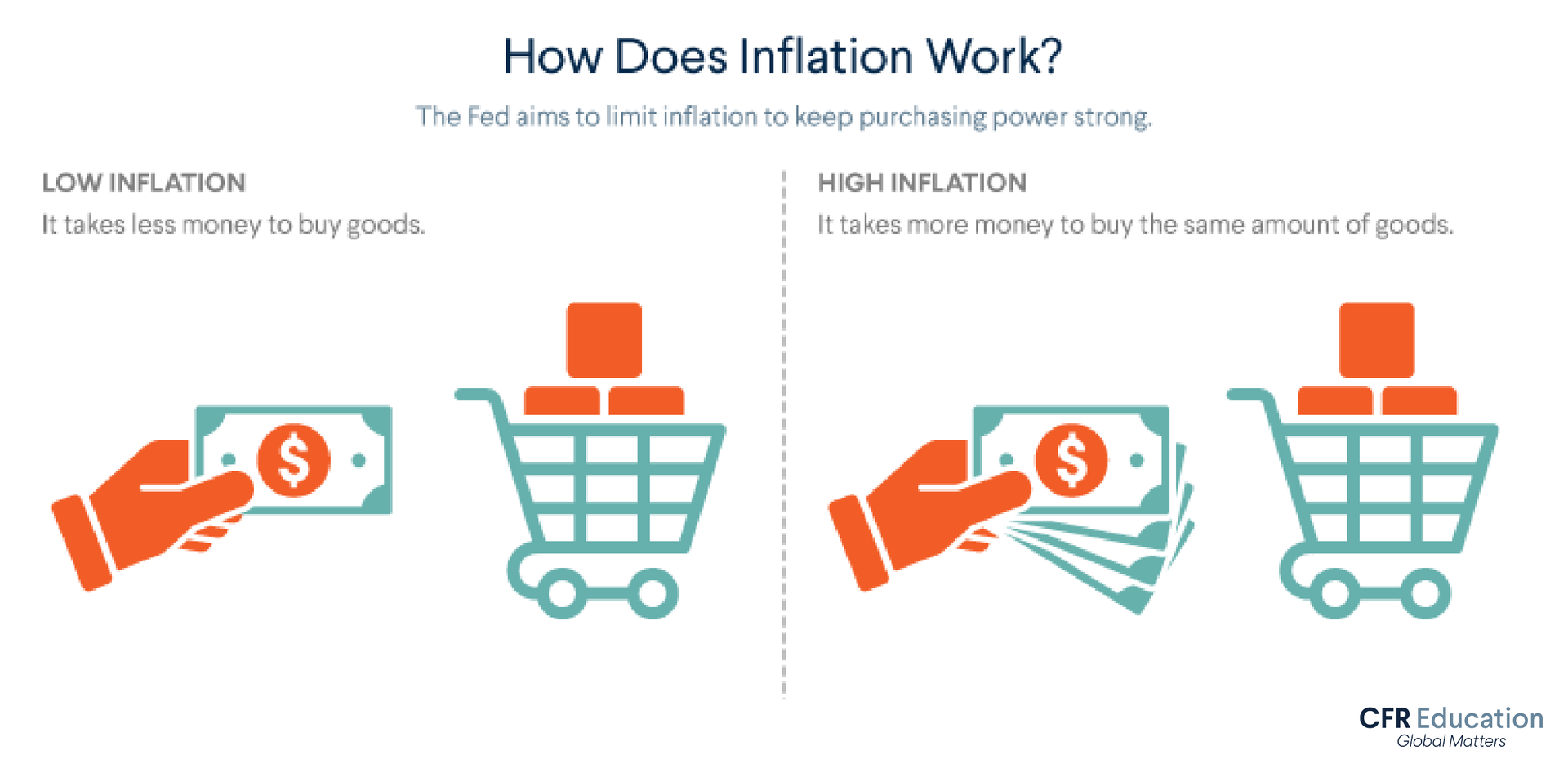
Regardless of whether your students are responsible for their own finances, they most likely heard, or felt, the pain of rising gas and food prices. Part of the reason for these rises is that the economy is global.


The interconnectedness of the global economy was on display during the Great Recession of 2008. What happened in the U.S. economy didn’t just stay in the United States; it rippled across the world. 


Want to make sure your students have a basic understanding of concepts like inflation and GDP before teaching the Great Recession? Use resources in this order: 

  • What Is a Central Bank?

  • The Global Consequences of Financial Contagion
  • The U.S. Financial Crisis (timeline) 

ICYMI: Ambassador Program Applications are Open

 The CFR Education Ambassador program is an eight-month engagement that connects educators across the country with free educational resources, professional development activities, and a vibrant network of like-minded professionals who are committed to equipping students with the knowledge, skills, and perspective to navigate today’s connected world.

Apply today!
Image

Council on Foreign Relations. All rights reserved.

58 East 68th Street – New York, NY 10065

1777 F Street, NW – Washington, DC 20006

 
FacebookTwitterYouTube

Manage Your Email Preferences