Apple smart specs, FTC ad antitrust probe, U.S. AI brain drain.
 ͏  ͏  ͏  ͏  ͏  ͏  ͏  ͏  ͏  ͏  ͏  ͏  ͏  ͏  ͏  ͏  ͏  ͏  ͏  ͏  ͏  ͏  ͏  ͏  ͏  ͏  ͏  ͏  ͏  ͏  ͏  ͏  ͏  ͏  ͏  ͏  ͏  ͏  ͏  ͏  ͏  ͏  ͏  ͏  ͏  ͏  ͏  ͏  ͏  ͏  ͏  ͏  ͏  ͏  ͏  ͏  ͏  ͏  ͏  ͏  ͏  ͏  ͏  ͏  ͏  ͏  ͏  ͏  ͏  ͏  ͏  ͏  ͏  ͏  ͏  ͏  ͏  ͏  ͏  ͏  ͏  ͏  ͏  ͏  ͏  ͏  ͏  ͏  ͏  ͏  ͏  ͏  ͏  ͏  ͏  ͏  ͏  ͏  ͏  ͏  ͏  ͏  ͏  ͏  ͏  ͏  ͏  ͏  ͏  ͏  ͏  ͏  ͏  ͏  ͏  ͏  ͏  ͏  ͏  ͏  ͏  ͏  ͏  ͏  ͏  ͏  ͏  ͏  ͏  ͏  ͏  ͏  ͏  ͏  ͏  ͏  ͏  ͏ ­ ­ ­ ­ ­ ­ ­ ­ ­ ­ ­ ­ ­ ­ ­ ­ ­ ­ ­ ­ ­ ­ ­ ­ ­ ­ ­ ­ ­ ­ ­ ­ ­ ­ ­ ­ ­ ­ ­ ­ ­ ­ ­ ­ ­ ­ ­ ­ ­ ­ ­ ­ ­ ­ ­ ­ ­ ­ ­ ­ ­ ­ ­ ­ ­ ­ ­ ­ ­ ­ ­ ­ ­ ­ ­ ­ ­ ­ ­ ­ ­ ­ ­ ­ ­ ­ ­ ­ ­ ­ ­ ­ ­ ­ ­ ­ ­ ­ ­ ­ ­ ­ ­ ­ ­ ­ ­ ­ ­ ­ ­ ­ ­ ­ ­ ­ ­ ­ ­ ­ ­ ­ ­ ­ ­ ­ ­ ­ ­ ­ ­ ­ ­ ­ ­ ­ ­ ­  
Monday, April 13, 2026
Apple smart glasses are coming into view


Good morning. Did you study the humanities or the sciences when you were in school?

If you majored in the former—like me and roughly 10% of today’s university grads—Palantir chief Alex Karp believes you’re looking at a jobless future. AI “will destroy humanities jobs,” he told BlackRock CEO Larry Fink in Davos earlier this year. “You went to an elite school, and you studied philosophy … that one is going to be hard to market.”

It’s a bit of a “do as I say, not as I do” situation: Karp, it so happens, has a doctorate in philosophy. He was also the highest-paid CEO of a publicly traded company in the U.S. just two years ago.

At university, Karp focused his research on how people unconsciously transfer aggression through language. He surely put it to good use last week when Michael Burry, the real-life short seller played by Christian Bale in The Big Short, argued that Anthropic was “easier, cheaper, intuitive,” and higher-margin than Palantir’s government business. “Anthropic is eating Palantir’s lunch,” Burry said, sending Palantir stock down more than 6%. 

Karp need only return to the humanities for a path forward. As Nietzsche once wrote: What doesn’t kill me makes me stronger.

Today’s tech news below. —Andrew Nusca

Want to send thoughts or suggestions to Fortune Tech? Drop a line here.

Apple smart glasses are coming into view

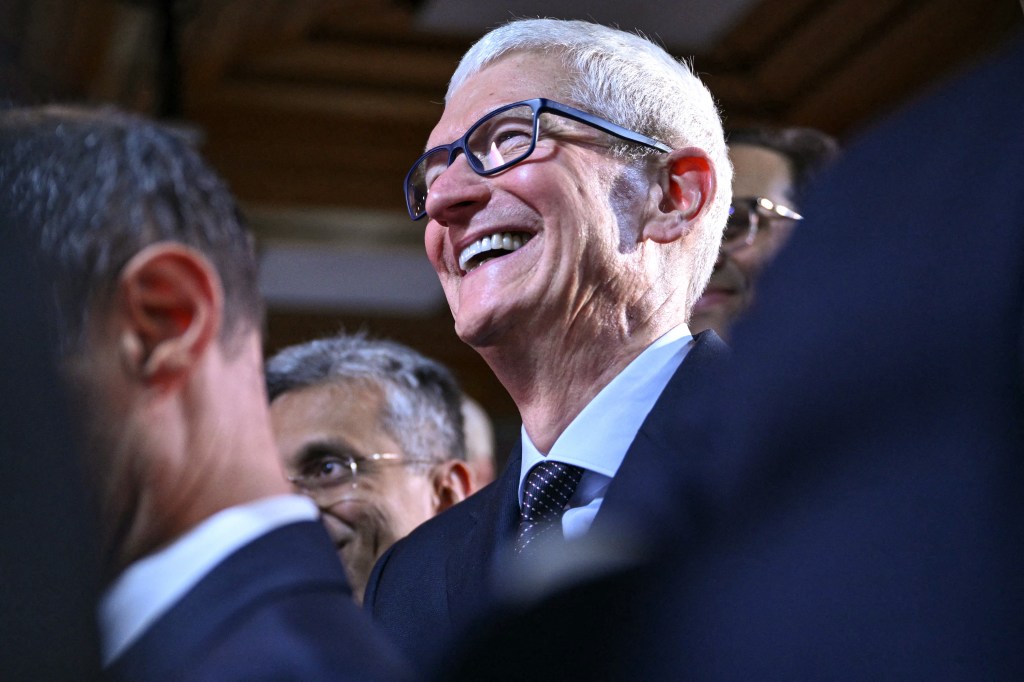
Apple CEO Tim Cook in Davos on January 21, 2026. (Photo: Mandel Ngan/AFP/Getty Images)Apple CEO Tim Cook in Davos on January 21, 2026. Mandel Ngan/AFP/Getty Images

Apple is reportedly hard at work developing AI smart glasses. Call ‘em a Meta Ray-Bans killer; call ‘em an iPhone for your face. 

Just don’t call ‘em a Vision Pro, eh?

The folks in Cupertino are testing four frame styles—large and small rectangular and oval lenses—as well as a camera system to make it all work, per Bloomberg. The product is expected to do all the things Meta’s smash-hit specs can do—capture photos and videos, make phone calls, play music, sync with a smartphone—courtesy of a more sophisticated Siri voice assistant. 

Its big reveal is expected “at the end of 2026 or early the following year,” according to the report.

As is tradition, expect Apple’s take on something that’s already in-market to be slicker—that is, more tightly integrated—and fancier than your run-of-the-mill AI frames. Though Apple is reportedly “planning to go at it alone” in terms of fashion, unlike Meta’s deal with EssilorLuxottica and Google’s collab with Warby Parker. 

As long as it comes with a free black turtleneck, eh? —AN

FTC may settle antitrust probe into social media ad boycotts

The U.S. Federal Trade Commission is reportedly negotiating a settlement with several major advertising firms.

The goal is to end an investigation into whether the companies violated federal antitrust laws by coordinating boycotts against social media platforms, most notably X, according to the Wall Street Journal.

The FTC launched its inquiry last year. In its sights were some of the world’s largest ad firms: Publicis Groupe, WPP, Dentsu, Havas, and Horizon Media. The question: When the companies withheld ad dollars from certain services in response to activity on them, was that anticompetitive behavior?

A settlement could require the ad giants to commit to spending their clients’ budgets even when the political discourse on a service was unpalatable. (An individual advertiser would still be able to object.) There is precedent here: Last year, the FTC made Omnicom Group and Interpublic Group agree to similar “brand safety” terms as part of their merger. —AN

The U.S. AI brain drain has begun

As the U.S. began its crackdown on immigration last year—and tensions with China escalated—an open question was whether the world’s leading minds would choose to leave their work in the U.S. behind.

The “reverse migration” has apparently begun. “Over the past 12 months, a wave of elite engineering and scientific talent has returned from the U.S. to Chinese shores,” reads a new Financial Times report

Among the departures, per the FT: Wu Yonghui, who left Google DeepMind to lead a ByteDance AI effort; Yao Shunyu, who left OpenAI for a similar role at Tencent; Roger Jiang, who also left OpenAI to found a robotics startup in Shenzhen; and Zhou Hao, a Google DeepMind departure who landed at Alibaba. 

Headhunters told the FT that’s just the tip of the iceberg. It certainly helps that China’s pay for top AI researchers “has surpassed Silicon Valley standards when adjusted for tax and cost of living,” according to the report. 

The smoking gun, as far as I’m concerned? When Luckin, the owner of China’s largest coffee chain, acquired Blue Bottle Coffee last month. A single-origin shot across the bow if there ever was one. —AN


More tech