Image

Daily News Brief

April 13, 2026

Welcome to CFR’s Daily News Brief. Today we’re covering plans for a U.S. blockade on part of the Strait of Hormuz, as well as...

  • Hungarian Prime Minister Viktor Orbán’s election loss
  • U.S.-Australia critical mineral projects
  • Iraq-Saudi Arabia tensions


Top of the Agenda

A U.S. blockade on traffic to and from Iranian ports in the Strait of Hormuz is taking effect at 10:00 a.m. ET today, U.S. Central Command said. The U.S. Navy will intercept any ship in international waters that has paid Iran a toll, President Donald Trump wrote on social media yesterday, while U.S. forces will begin destroying mines that Iran laid in the strait. Trump’s announcement came after weekend peace talks in Pakistan ended with no breakthrough. Nevertheless, Trump told reporters yesterday that the ceasefire was “holding well.” Neither Iran nor Gulf countries reported any strikes overnight, though Israel continued its attacks in Lebanon. Iran’s military responded to Trump’s blockade by warning that no port in the region would be safe from retaliation, according to state media.


The latest on the strait. Trump wrote that additional countries would play a role in the Hormuz blockade, but did not specify which ones. Officials from the United Kingdom (UK) and Spain said today that their countries would not participate. French President Emmanuel Macron announced that France and the UK would host a conference in the next few days regarding a defensive multinational mission to secure passage through the strait.


The takeaway from talks. U.S. and Iranian delegations met for more than twenty hours in Islamabad on Saturday but failed to reach a deal. Trump wrote the sides still disagreed about Iran’s nuclear program, while unnamed Iranian officials told the New York Times that Hormuz shipping and an Iranian request to unfreeze sanctioned assets were also sticking points. Iranian Foreign Minister Abbas Araghchi wrote that Washington had moved the goalposts when a preliminary deal was “inches away,” while Pakistani Foreign Minister Ishaq Dar said Islamabad would seek additional dialogue between the countries.


The Lebanon front. Envoys from Israel and Lebanon are expected to meet in Washington tomorrow for peace talks. Yesterday, Israeli attacks in Lebanon killed eleven people, Lebanese state media said, while Hezbollah launched attacks on northern Israel over the weekend. No further Israeli attacks were reported in Beirut after heavy bombardments there last week.  


“History may judge this war favorably, but only if its consequences are positive and prove durable. Iran must emerge equal measures weakened and chastened, the strait must reopen in line with the pre-war status quo, and the region must recover the stability and security required to continue its progress toward greater economic development and integration. None of that is guaranteed, nor appears particularly imminent—though it remains one of a few possible outcomes.”

—CFR President Michael Froman, The World This Week


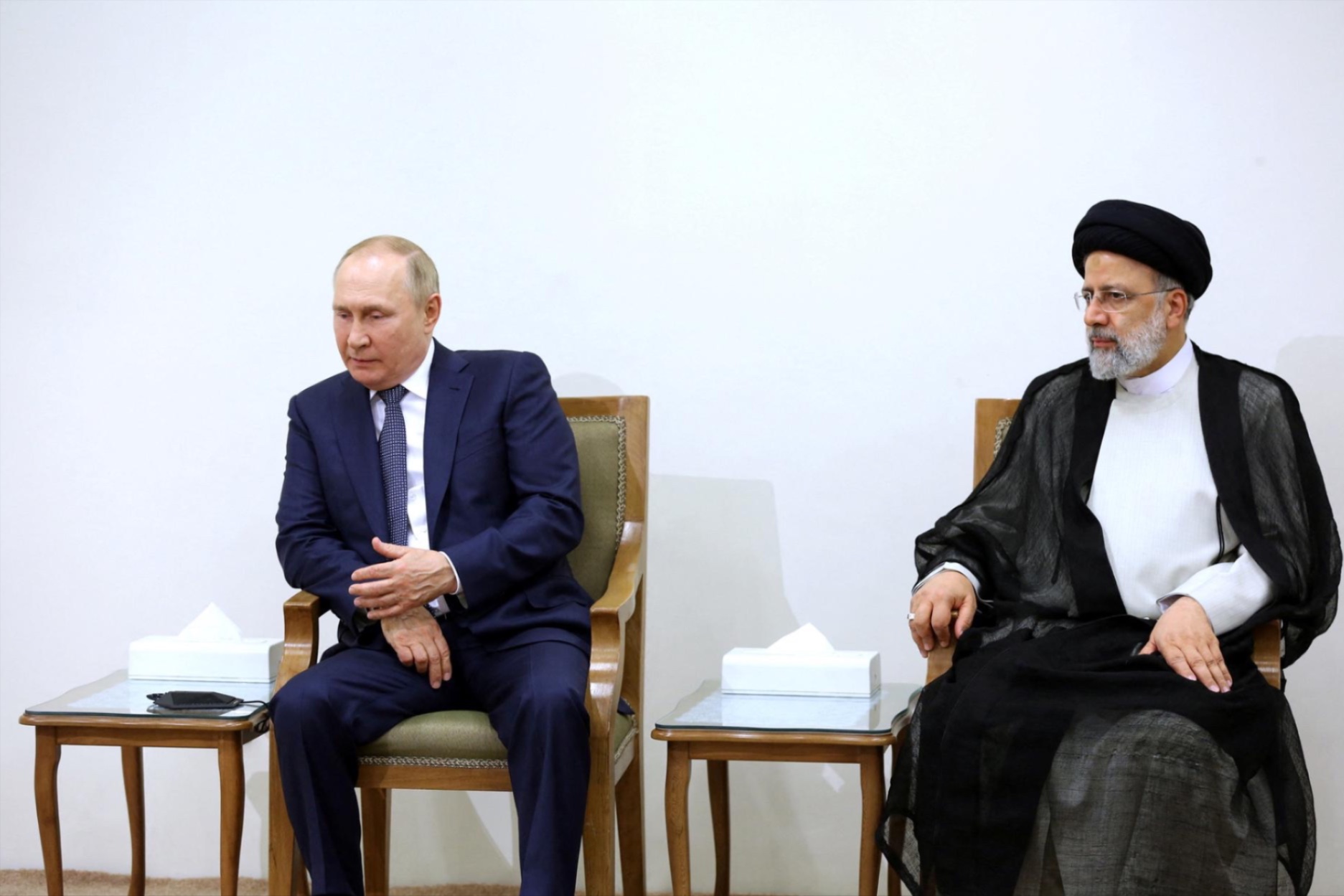
Are Iran and Russia Allies?

Russian President Vladimir Putin sits next to former Iranian President Ebrahim Raisi during a meeting in Tehran, Iran July 19, 2022.

Office of the Iranian Supreme Leader/West Asia News Agency/Reuters

Iran and Russia have had a complicated relationship for centuries. They’ve identified common objectives in recent years, but the relationship still has friction, CFR expert Thomas Graham says in this CFR YouTube Short.


Across the Globe

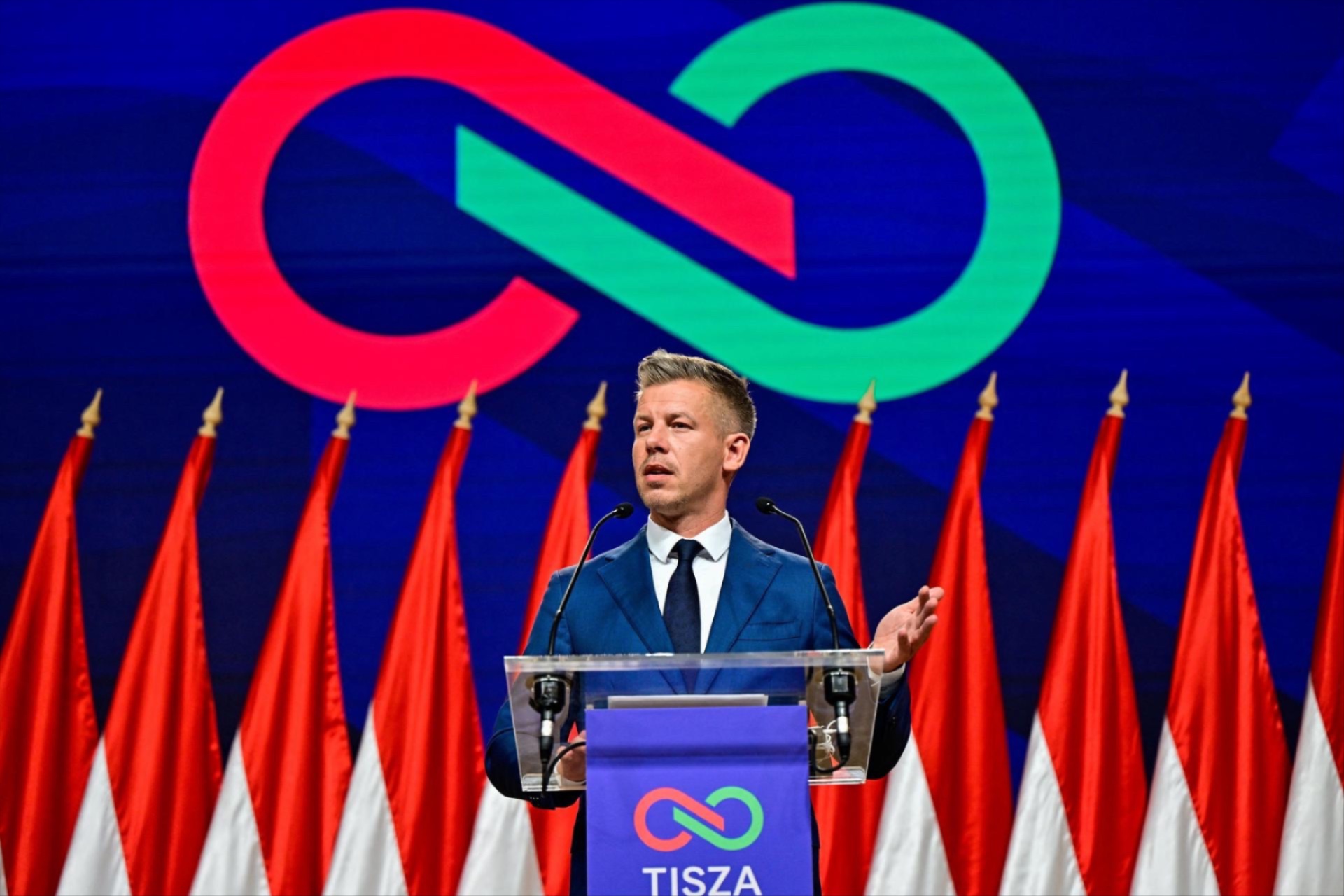
Orban’s exit. The Hungarian prime minister conceded defeat hours after the conclusion of yesterday’s parliamentary election, which saw the highest turnout on record. A near-complete vote count suggested center-right Péter Magyar’s party would win the two-thirds majority needed to reverse many of Orbán’s policies. Orbán has been in power for sixteen years and recently acted to block European aid to Ukraine. 


Peru’s election delay. Election authorities extended voting into today for a small number of districts in Peru’s presidential election following logistical difficulties during yesterday’s vote. A partial result based on half the votes counted showed conservative Keiko Fujimori leading a large pool of candidates. The election is expected to go to a runoff. 


Djibouti’s continuity. President Ismail Omar Guelleh won a sixth term in office in Djibouti’s presidential election Friday, securing 97.8 percent of votes, according to preliminary official results. Most of the opposition boycotted the election. Guelleh recently oversaw a constitutional revision to scrap the age limit of seventy-five for presidential candidates. 


U.S.-Australia mineral investments. The two countries have jointly committed more than $3.5 billion to critical minerals projects since pledging to cooperate on the issue six months ago, Australia’s trade and resources ministers said. The funding exceeds their initial pledges of at least $1 billion each. Some of the investments include a nickel mining project and a rare earths refinery.


Beijing’s overtures on Taiwan. China said that it would push to increase cross-strait flights and Taiwanese food imports following a visit by Cheng Li-wun, the head of Taiwan’s main opposition party. Taiwan’s Mainland Affairs Council accused China of sowing divisions in Taiwan at the news, saying that cross-strait affairs should be negotiated between the Chinese and Taiwanese governments.


Philippines warns Meta. The Philippines instructed Meta Friday to address the spread of “false, misleading, and panic-inducing content” related to the energy crisis or face legal action. The content threatens “public order, economic stability, and national security,” the government said. Meta did not immediately comment.


Trump-Pope tensions. Trump called Pope Leo “WEAK on crime” and “terrible for Foreign Policy” in a social media post yesterday. Leo has criticized the U.S.-Israeli war against Iran and Trump’s restrictive immigration policies. He told reporters today that he had “no fear of the Trump administration or speaking out loudly of the message of the gospel.” 


Iraq-Saudi Arabia dispute. Saudi Arabia summoned the Iraqi ambassador due to drone attacks launched from Iraqi territory, the Saudi foreign ministry said yesterday. It delivered an official note of condemnation for the attacks and called on Iraq to address them.


What Magyar’s Defeat of Orbán Means for the World

Peter Magyar, leader of the opposition Tisza Party, speaks at a press conference in Budapest, Hungary, April 13, 2026.

Marton Monus/Reuters

Hungary’s election result is a defeat for far-right and autocratic forces all over the world, expert Matthias Matthijs says in this CFR YouTube Short.


What’s Next

  • Today, the International Monetary Fund (IMF) and World Bank Spring Meetings begin in Washington, DC.

  • Today, Pope Leo begins a tour of Africa in Algeria.

  • Tomorrow, Vietnamese leader To Lam begins a visit to China.


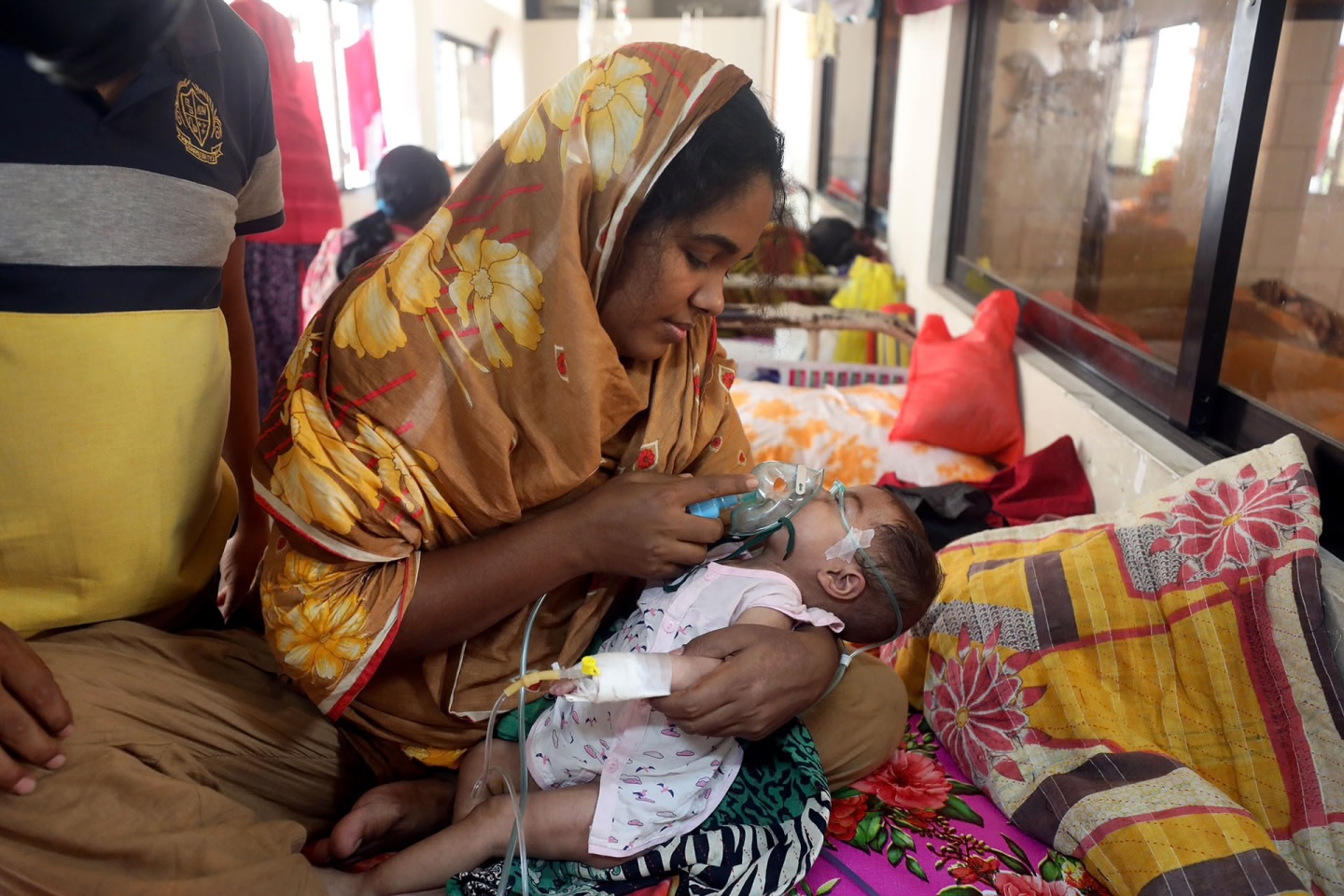
What’s Behind the Global Resurgence of Measles?

Children infected with measles receive treatment at the Infectious Disease Hospital in Dhaka, Bangladesh, on April 6, 2026.

Maruf Rahman/NurPhoto/Getty Images

Declines in vaccination rates and funding cuts have fueled measles outbreaks worldwide, CFR’s Surina Venkat writes in this article.


Council on Foreign Relations

58 East 68th Street, New York, NY 10065

1777 F Street, NW, Washington, DC 20006

Was this forwarded to you? Subscribe to the Daily News Brief

FacebookTwitterInstagramLinkedIn