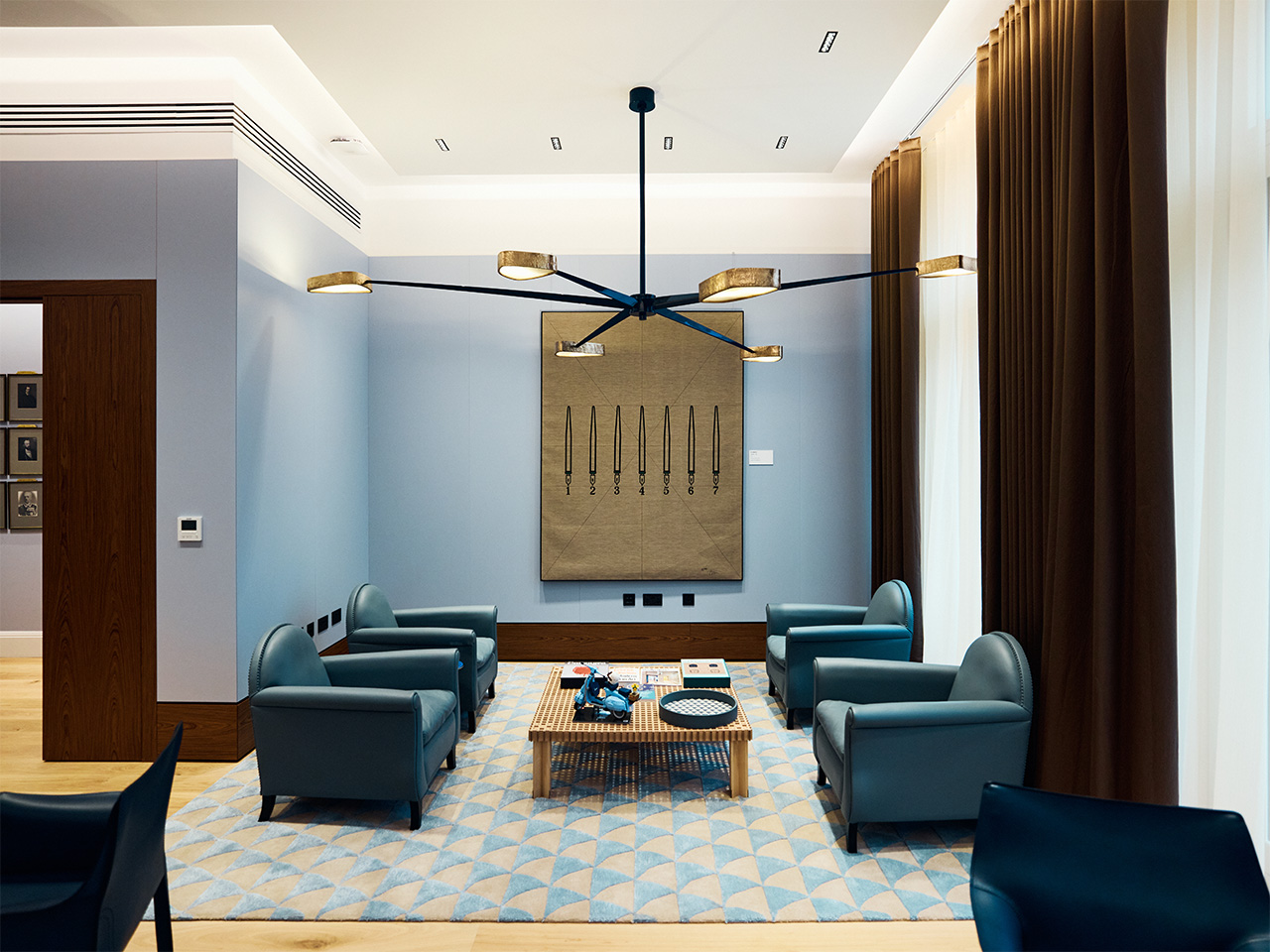
Italy’s London embassy, a history of everyday Australian design and a smart 1960s wooden cradle.
|
Wednesday 15/4/26
|

|
|
London
Paris
Zürich
Milan
Bangkok
Tokyo
Toronto
|
|
|
|

back in the ring
This week’s dispatch begins in the lobby of the Italian embassy in London (pictured), which is making a show of its soft-power prowess through some smart design. We also enjoy a spell of magical realism with architects Brando Posocco and Madhav Kidao, get a history of everyday Australian objects in a new book by broadcaster Tim Ross and take a look at a 1960s wooden cradle with a design so simple that it could be child’s play. First, Stella Roos has a conversation starter that you might want to sit down for.
|
|
OPINION: stella roos
Seated rivalry
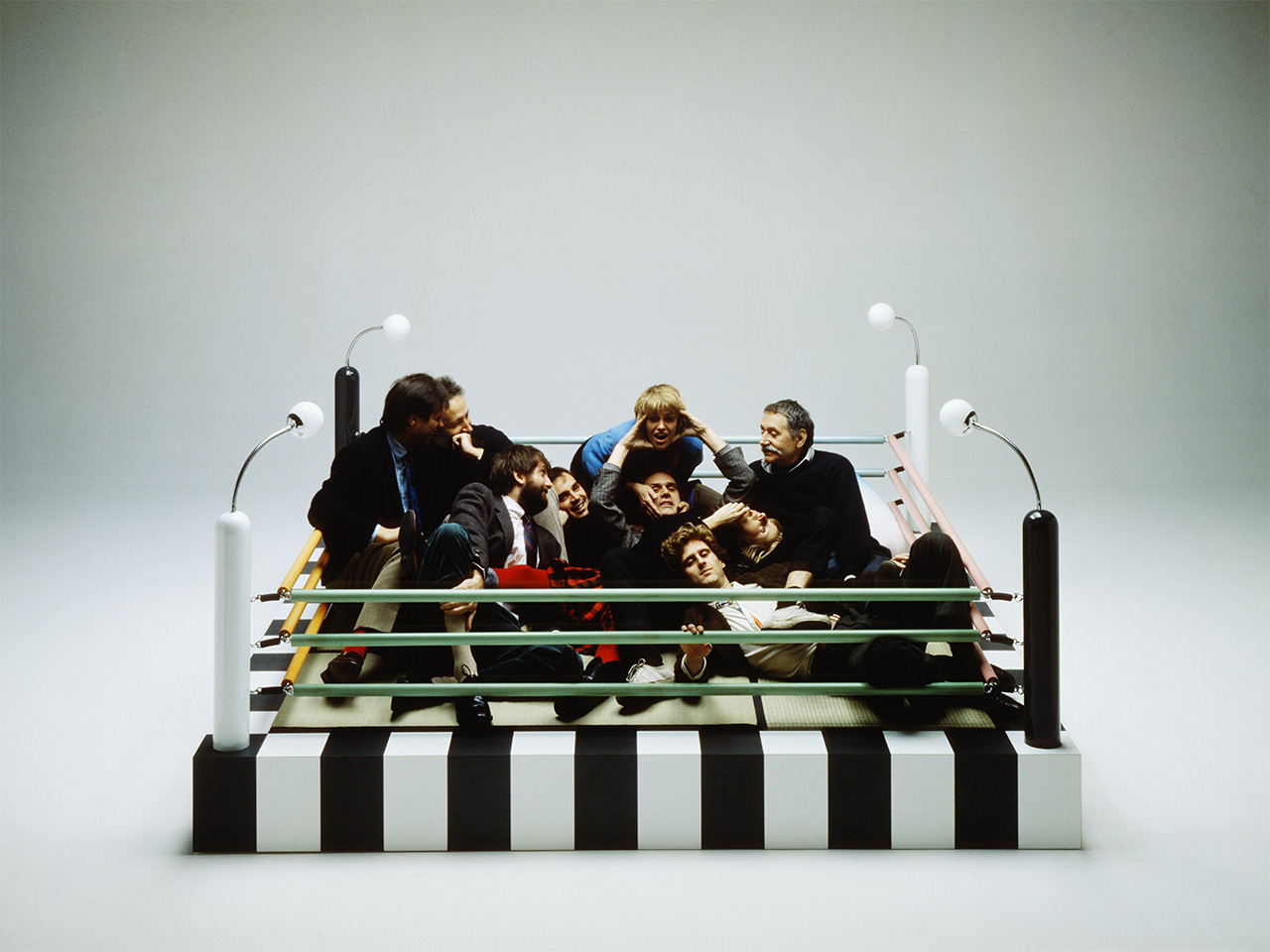
Think of Italian collective Memphis Group and the first image that is likely to pop into your mind will be that of young designers (plus Ettore Sottsass) piled up in what appears to be a boxing ring (pictured, below). The photo was taken in 1981, the year of the group’s first show in Milan. The symbolism was clear: these designers wanted to bid farewell to functionalism and its upright chairs and were happy to fight it out.
One of the first pieces to enter the Memphis collection that year was Japanese designer Masanori Umeda’s black-and-white Tawaraya Ring. Umeda trained as an architect in Tokyo before moving to Milan to work with the Castiglioni brothers. He later wrote that he had been inspired by the spirited way that Italians talk and sought to create “a place for intellectual combat” for friends and lovers. The floor of the ring was covered in four-and-a-half tatami mats – the standard size of a Japanese room – and could be converted into a dining room, bed or shrine. The corner posts could be topped with lamps, flowers or flags.
|
Europeans and Americans have never truly warmed to the idea of a domestic setting that doesn’t involve chairs. The closest thing to a breakthrough in this respect came in the 1950s with the invention of the conversation pit. Launched into the limelight by architect Eero Saarinen and rolled out in suburban homes across the US, the sunken floor lined with couches was a way to create intimacy in open-plan spaces and was seen as somehow sexy and transgressive.
But such pits quickly went out of fashion. By the time that the Tawaraya Ring made its debut, home decor had reverted to straight-backed norms. Umeda wrote that he wanted to create a “borderless style” with his design. Chairs are not as ubiquitous as Westerners might imagine; there are many cultures in which people traditionally socialise, eat or pray without them. The original conversation pit is perhaps the Middle Eastern majlis, a sitting room covered in low couches, pillows and textiles.
But perhaps Westerners are now catching up. Interior designers are again enamoured with the wall-to-wall maquette, which makes sitting on the floor far more inviting. Conversation pits are making a comeback too, with sunken sofas gracing the covers of interior-design magazines. But if ripping out the floorboards isn’t an option then the Tawaraya Ring, which is still in production, is available from Italian company Memphis in a more compact size of just two tatamis. Maybe it’s time we got back in the ring?
Stella Roos is Monocle’s design correspondent.
The compact Tawaraya Ring will launch at this year’s Milan Design Week, which kicks off on 20 April. Follow Monocle’s coverage at monocle.com.
|
|
DESIGN NEWS: Italian embassy, UK
Mission statement
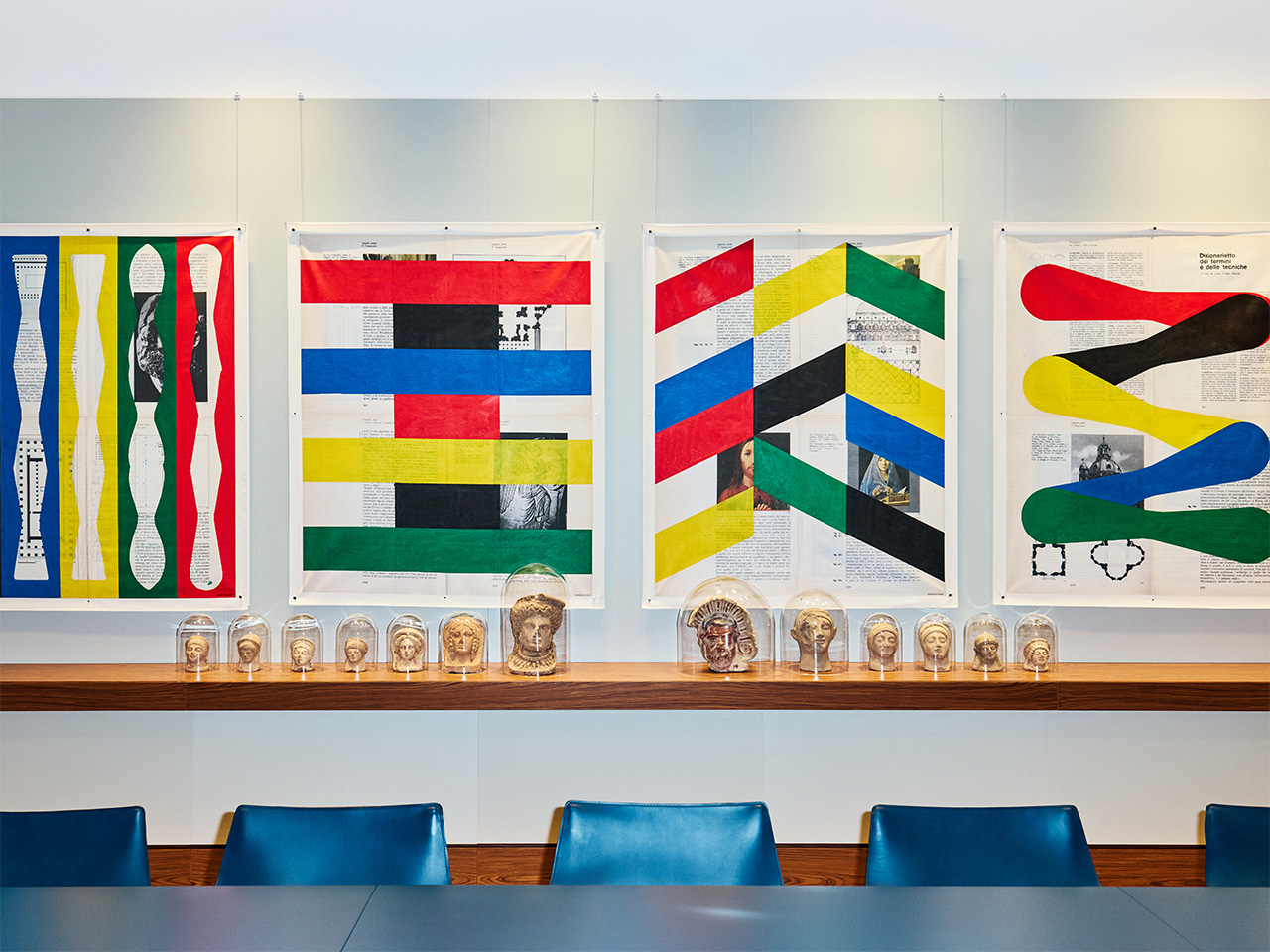
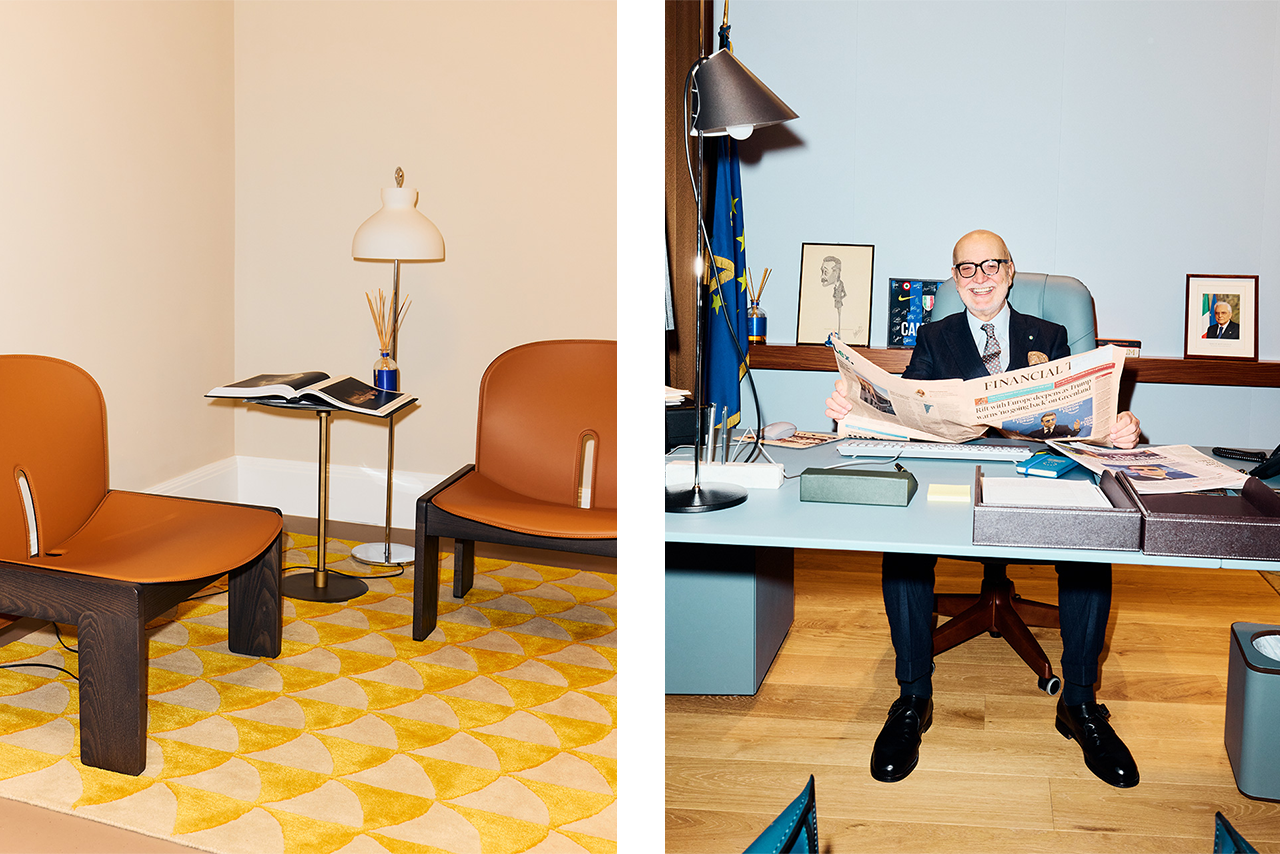
Built to showcase the country’s soft-power credentials, Italy’s newly refreshed diplomatic outpost in London brings its embassy and trade delegation together with the Italian Cultural Institute. The transformation of Casa Italia, which opened last November, was spearheaded by ambassador Inigo Lambertini, who persuaded Rome that integrating trade, culture and diplomacy would give Italy the edge in soft-power promotion. “We are not a big power in some respects but we are when it comes to soft power,” he says. “In art, fashion, food, music and sport, we are very strong.”
|
|
Inside Casa Italia there’s not a renaissance painting or sculpture in sight. Instead, the five-storey building is filled with art and design from the 20th and 21st centuries, while all fixtures and fittings, as well as the paint on the walls, are made in Italy. “The message is that we didn’t stop at Leonardo and Tintoretto,” says Lambertini. There are bespoke carpets inspired by Carlo Scarpa’s Olivetti showroom in Venice and Formafantasma-made mosaics showcasing modern Italian aesthetics. Interiors are by London-based designer Nick Vinson with the furniture fit-out led by Italian firms Molteni&C and Unifor. Highlights include Gio Ponti armchairs, a Libreria CF shelving system by Dante Bonuccelli and lighting by Flos.
For more on embassy design across the globe, pick up a copy of Monocle’s April issue, in which we stop by other missions, including the Swiss embassy in Seoul and Brazil’s outpost in Rome.
|
|
WORDS WITH... Brando Posocco and Madhav Kidao, UK
Hands-on experience
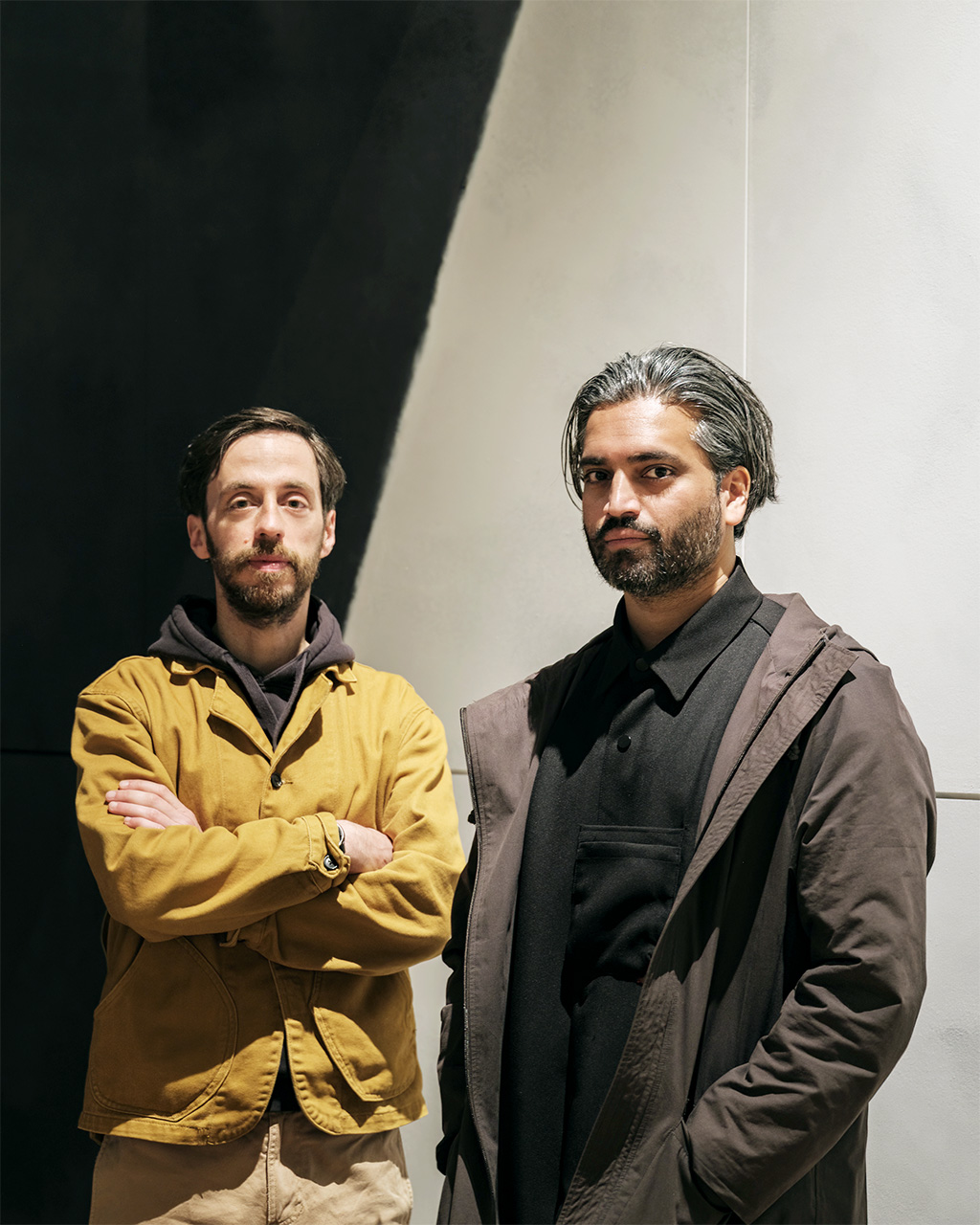
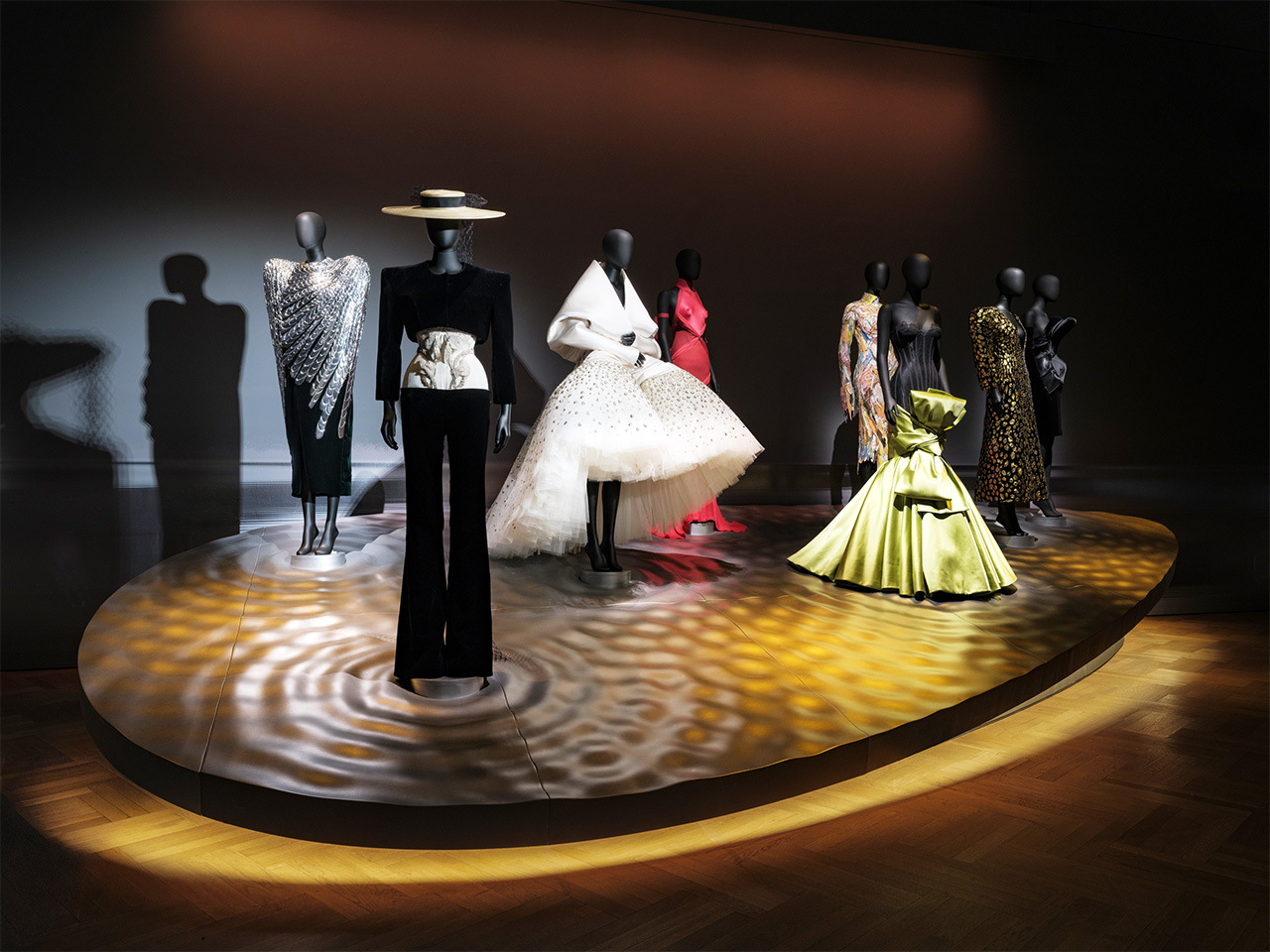
As the duo behind London-based international architecture firm Nebbia Works, Brando Posocco and Madhav Kidao are drawn to projects that demand storytelling and thoughtful execution. Their work has taken them to Finland, where they worked on the Turku Museum of History and the Future, as well as Italy, where they’re transforming Veneto’s former Carnielli factory into a mixed-used development. Their latest project, Schiaparelli: Fashion Becomes Art (pictured, below), is on show at London’s Victoria and Albert Museum until 8 November. We hear from Posocco and Kidao about the influence of magical realism on their work and the draw of design pieces that speak to process.
|
What design movement has influenced you the most?
Brando Posocco: I wouldn’t trace it to a single movement but rather to two almost diametrically opposed influences: my grandfather, a lumberjack who worked with a two-man crosscut saw, which I still own, and contemporary Japanese architecture for how its stewards remain true to radical ideas from conception to completion.
Madhav Kidao: Magical realism has been important in how I think about experiences, space and objects – where the ordinary is subtly destabilised and layered with unpredictable meaning. Alongside that I’m deeply influenced by folk craft and the ethos of the arts-and-crafts movement. At the same time I’m drawn to the speculative energy of futurism and the irrational, often playful, logic of absurdism. That tension between the handcrafted and the speculative is something that continues to inspire me.
A priority for you and for the industry going forward?
BP: One of our priorities is to continue engaging with clients and institutions that are shaping what cultural spaces are and what they could be. Following the exhibition that we designed for the V&A, Schiaparelli: Fashion Becomes Art, we are keen to move toward long-lasting, more complex projects, while remaining true to the process and unconventional outcomes that have defined our practice so far.
|
What’s a recurring source of inspiration?
BP: Any experience – good or bad – that leaves a mark. The moments in life that make you feel something tend to stay with you and I find that they quietly shape how I see things over time.
MK: The strange, unexpected ways that we experience and have historically interpreted the phenomena of the natural world. From folklore to scientific exploration, we are always looking back and around to think about how we want to move forward.
The sky’s the limit. Which piece of furniture would you love to own?
BP: I am not particularly fetishistic about design pieces. I tend to live with simple, well-made objects that use good materials but without strong design connotations. I prefer things that don’t impose on my identity but instead age quietly by my side.
MK: As with Brando, I don’t particularly have a desire to own things. I’m always drawn to furniture that has an unexpected process or story in its making; something that is representative of a particular culture, material or geography. I like when furniture is designed for a place or purpose.
A dream commission?
MK: A dream commission isn’t defined by type or scale but by its ability to push us into new territory. We’re most drawn to projects that immerse us completely – opportunities to work with curious people, learn something deeply niche and travel to places and experiences that we might not otherwise encounter. Our favourite projects have often been things that we didn’t even know existed.
nebbia.works
For more from designers such as Brando Posocco and Madhav Kidao, tune in to ‘Monocle on Design’ on Monocle Radio.
|
|
from the archive: Cradle by Sam Maloof, US
Baby steps
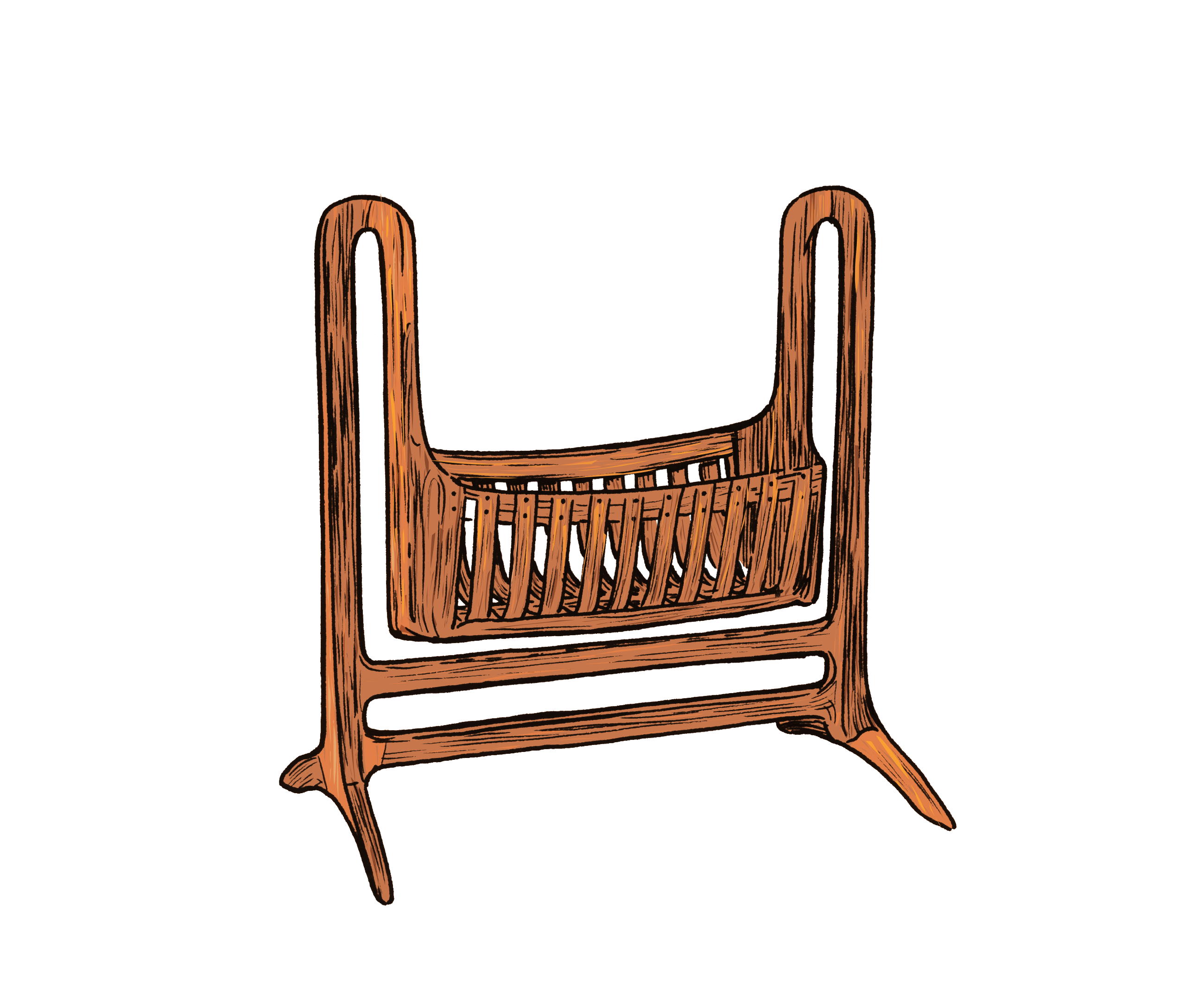
When a carpenter finds out that he has a grandchild on the way, the obvious next step is to build a cradle. California’s Sam Maloof was clearly very happy about such news: for his own, he spent weeks crafting a ribbed cradle from polished hardwood, which swung on an invisible joint. The original version from 1966 was part of a built-in cupboard, with drawers for baby clothes and a pull-out changing board. This simplified, freestanding cradle debuted 10 years later.
|
Maloof, who died in 2009, enjoys the distinction of having been the first woodworker to receive a MacArthur “Genius Grant”, recognising his unique, creative talent. Today his workshop in Alta Loma is run by Mike Johnson, who still takes orders for the distinctive cradle. Each piece can take more than a month for a carpenter to build, though whenever an order comes in, all other work is put aside because “babies don’t wait”. Given how easily the homes of new parents become overrun with baby gear, it can be wise to invest in a single well-made piece that pleases all members of the family.
|
|
In the picture: ‘What A Ripper!’, Australia
Fair dinkum designs
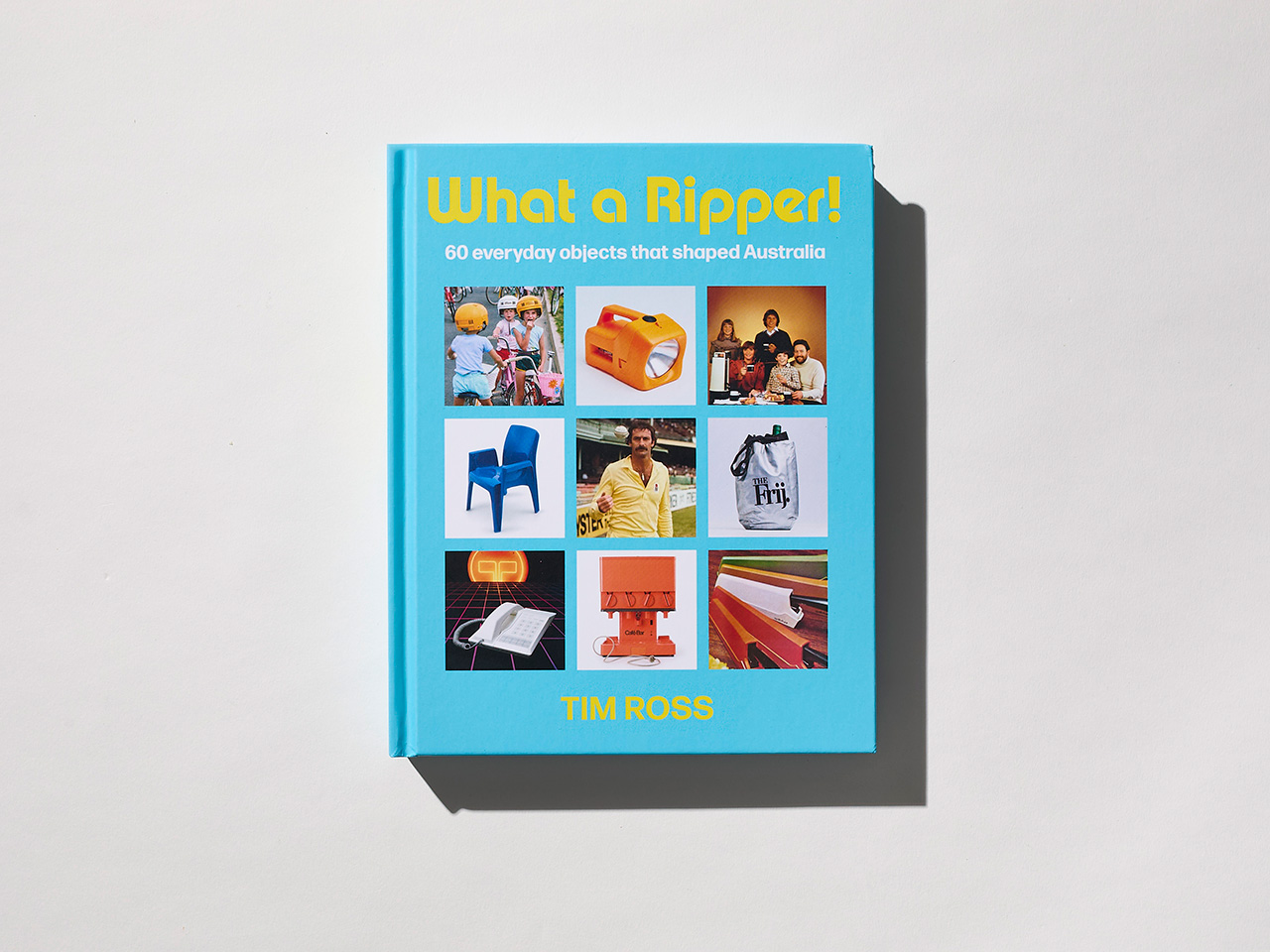
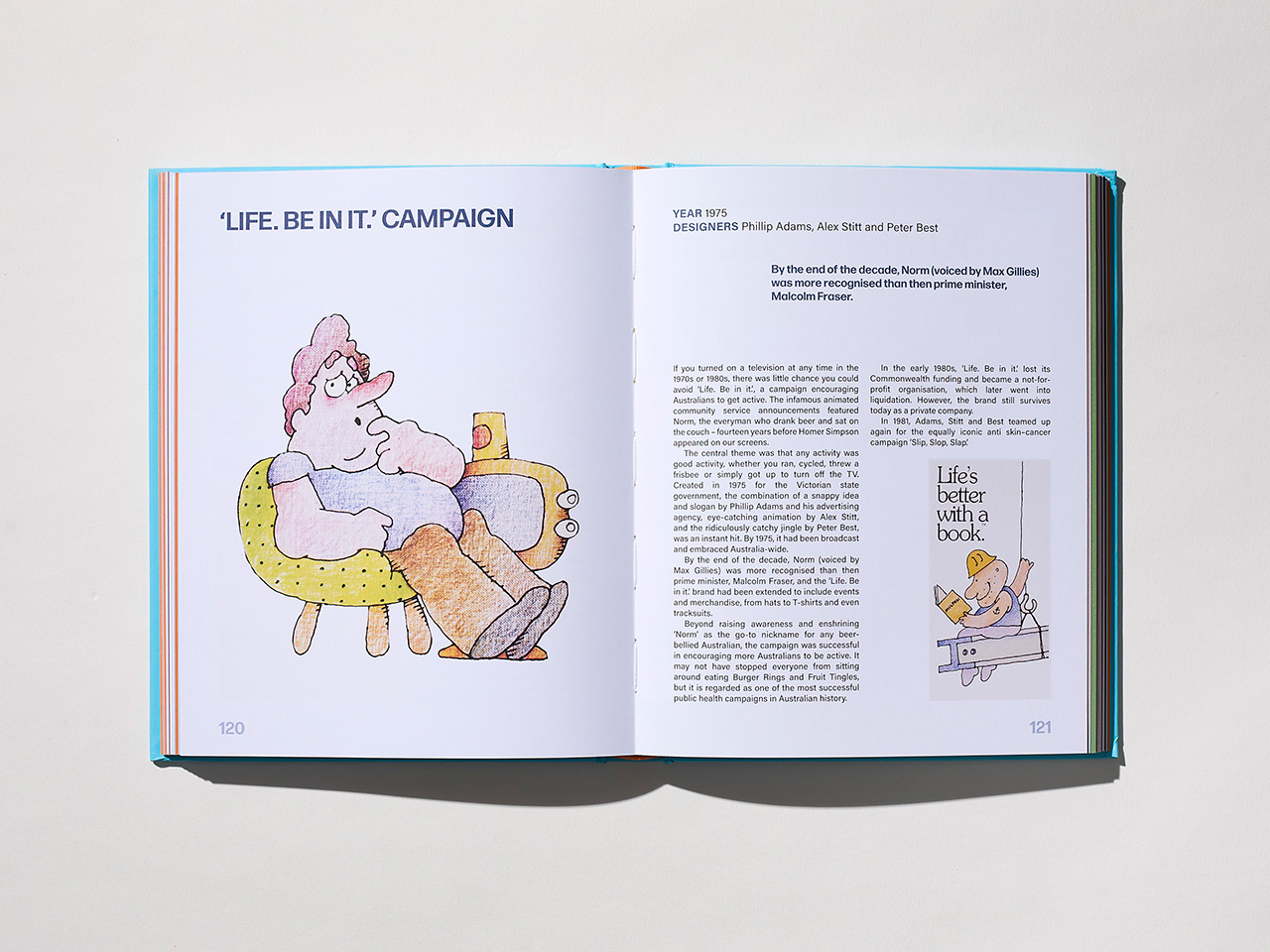
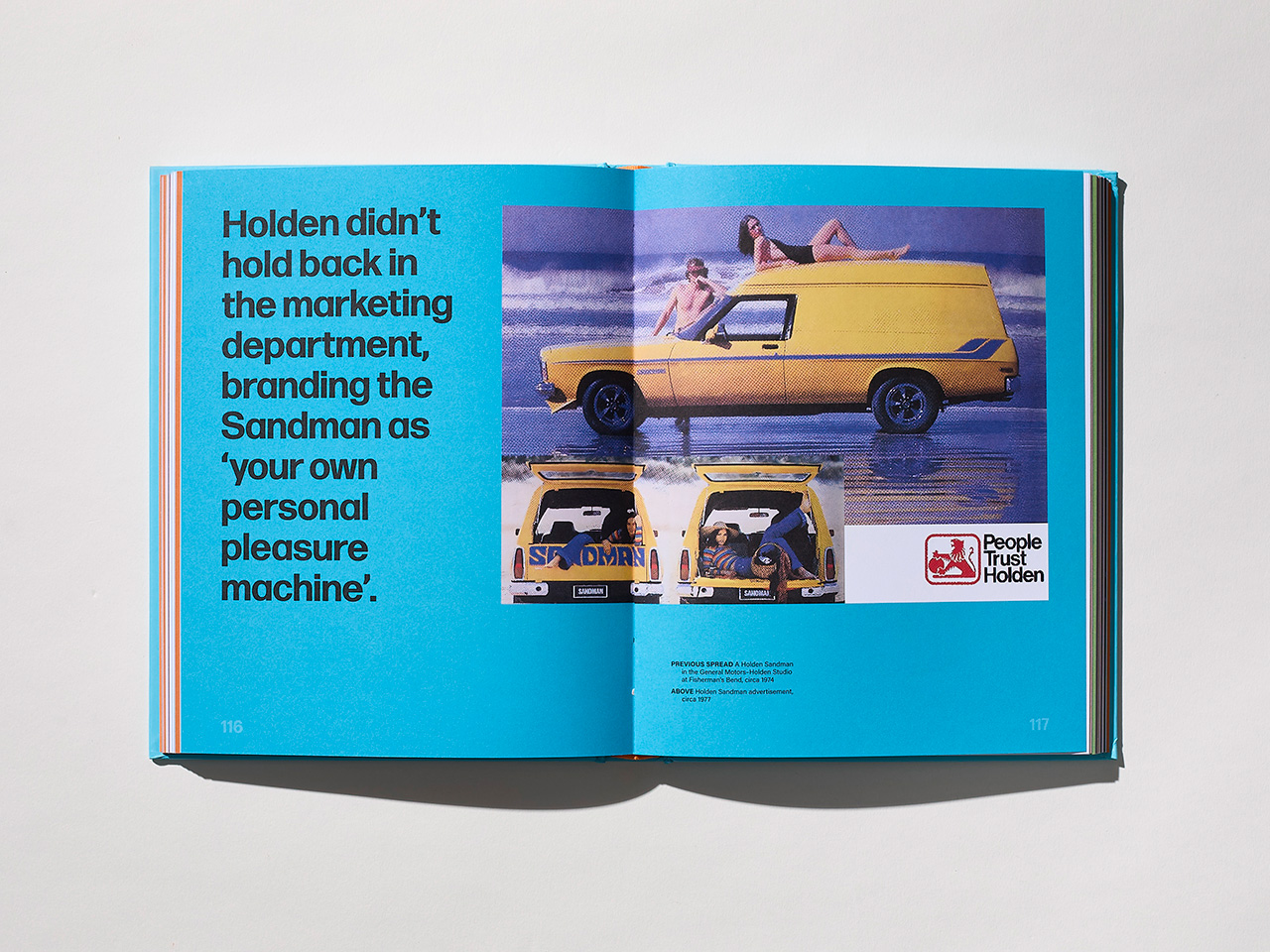
In What a Ripper!, Sydney-based design advocate, comedian and broadcaster Tim Ross turns his attention to the lesser-known objects that once defined Australian life. Illustrated with bold still-life photography and historical imagery, and published by Murdoch Books, the title presents 60 everyday items that have shaped day-to-day life in his homeland.
|
|
|
Written in Ross’s signature conversational tone, the book is a result of the author’s broader efforts to celebrate Australian 20th-century work. Objects are reviewed not only in terms of purpose but also their historical and social place, demonstrating how everyday design can adapt to and evince certain lifestyles and climates. From the Dolphin torch and the Caroma dual-flush toilet to advertising campaigns encouraging community building and physical activity, each entry reveals how national identity can be imbued in the objects that surround us.
modernisterbooks.com
For more from Tim Ross, tune in to his podcast co-hosted with Kevin McCloud: ‘Tim and Kev’s Big Design Adventure’. You can also see Tim Ross live as he tours his ‘What A Ripper!’ show across Australia.
|
|
| | |