A fresh take on culture, fashion, cities and the way we live – from the desks of Monocle’s editors and bureaux chiefs.
|
Saturday 18/4/26
|

|
|
London
Paris
Zürich
Milan
Bangkok
Tokyo
Toronto
|
|
|
|

Finding perspective
This week, we round up a few essential wardrobe additions that get better with time, speak to a photographer about her search for a rare butterfly in the mountains of Armenia and Azerbaijan, catch the spirit of youthful creativity at London’s new V&A East Museum and more. First, Andrew Tuck, Monocle’s editor in chief, gives us the view on the ground in the UAE.
|
|
Though the Iran war has put the world on high alert, the people of the UAE are keeping their cool
By Andrew Tuck
|

|
After a drive down the highway I’m sitting in my hotel’s courtyard. A cool, late-afternoon breeze is making the palm trees dance. Squawking mynah birds are cruising the decking, in search of food. Meanwhile, people are working on laptops and having meetings at the tables around me. It’s a normal close of day in Dubai. Except, well, there’s a war in the region, currently on pause, that’s proving to be a distraction.
Monocle Radio has been in the UAE all week, reporting from Abu Dhabi, Sharjah and Dubai (listen to the special episodes of The Globalist and The Briefing that we have made in each of these emirates). We came here to explore the nuances of a story that’s affecting the whole world and to find out what’ll come next. We have spoken to ministers, business leaders, designers and media folk about events that have caused oil prices to soar, airlines to cancel flights and questions to be raised about a country that some are always too quick to write off.
|
As with most stories, when you speak to the people at the heart of the narrative, it turns out that the headlines and op-eds, often written in London and New York, don’t always reflect the mood on the ground. The war is undoubtedly causing pain. While restaurants might be busy, the hotels that we have stayed in have been quiet. We have been told about projects put on hold and staff let go. While property prices have held, the velocity of sales is down. Yet something more interesting strikes you in interview after interview: a focus not on a moment of crisis but on the bigger vision.
Whether it’s Issam Kazim, the CEO of the Dubai Corporation for Tourism and Commerce Marketing, Noura al-Kaabi, the minister of state at the UAE’s Ministry of Foreign Affairs, or Mohamed Khalifa al-Mubarak, the chairman of the Department of Culture and Tourism in Abu Dhabi, our guests have turned up to speak to us smiling, unflustered and engaged. Their vision remains the same. They are nation builders and will not let this moment deter them. They have a plan.
During times of crisis, it’s not unusual to see people rallying around their flag and reaffirming the values that give them strength, wherever you are in the world. But it’s fascinating to watch this happening in a nation of 11.5 million people, where only 11 per cent of the population is Emirati. Yes, some residents did leave when the first rockets and drones targeted the country but many more stayed – not just because they like the tax system but because they also feel loyalty to a place where they have lived for 10, 20 or 30 years. Some were even born here.
Again, there has been a lot of strange reporting about the UAE in the media, with some journalists suggesting that such attachment is misguided. Why don’t we let the people who moved here decide how they feel? In the UK, we’re often suspicious of anyone who is proud of where they live but that’s not something for residents of Abu Dhabi, Sharjah, Dubai and beyond to worry about.
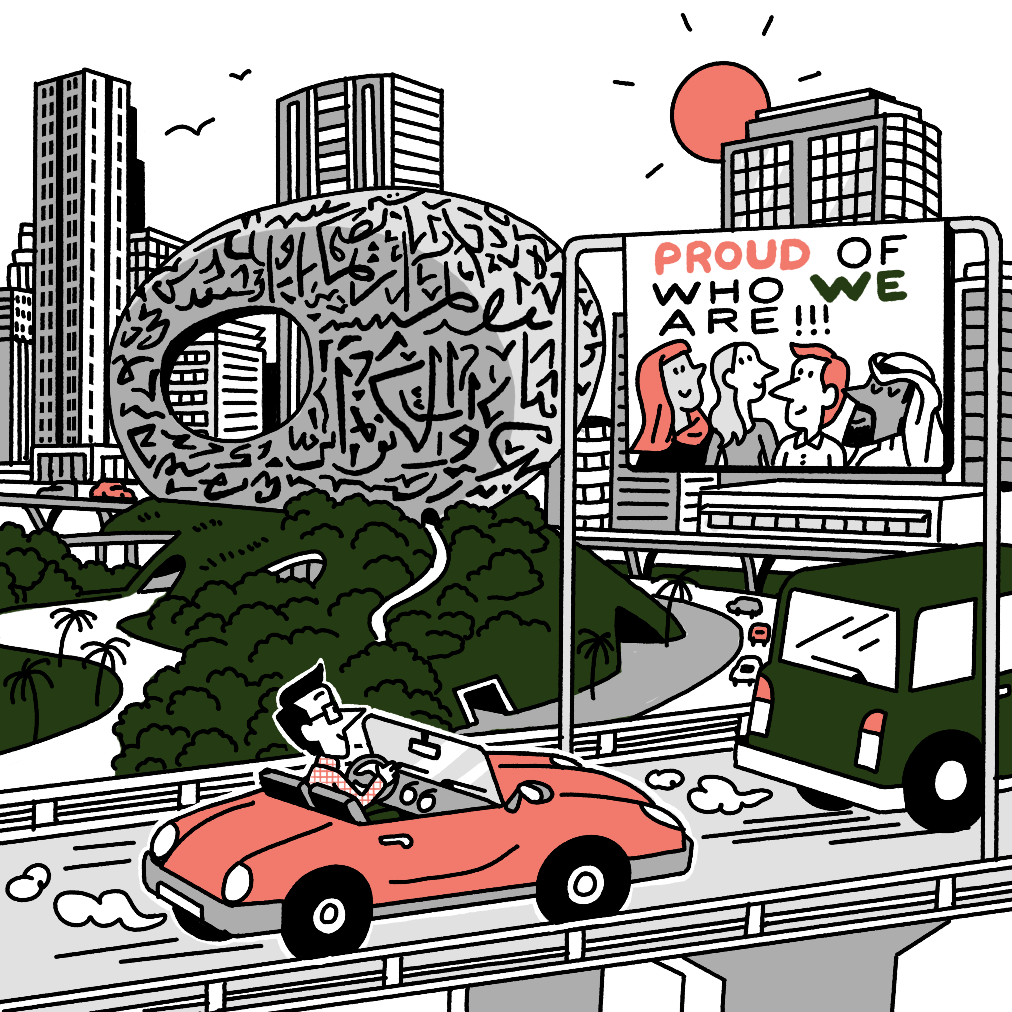
On our drive to our hotel, we passed billboards decorated with patriotic messages. Others carried slogans underlining how the people of this country have found common cause: “One nation, one community”, “In the UAE, everyone is Emirati”, “Proud of who we are”. Judging by what people have told us this week, these express something genuine.
Countries change in the face of crises, moments that force people to reflect on who they are and what they stand for. What seems likely to emerge from this episode is a place that knows how to stand up for itself and is clear about who its friends are. Meanwhile, there’s a final team dinner – and I’m as hungry as a pacing mynah bird.
To read more from Andrew Tuck, click here.
|
|
Wardrobe Update: Built to last
Long-term investments: Our pick of three lasting sartorial treasures, from trainers to shirts
This week, a new crop of pieces that get better with time has caught our eye (writes Jack Simpson).
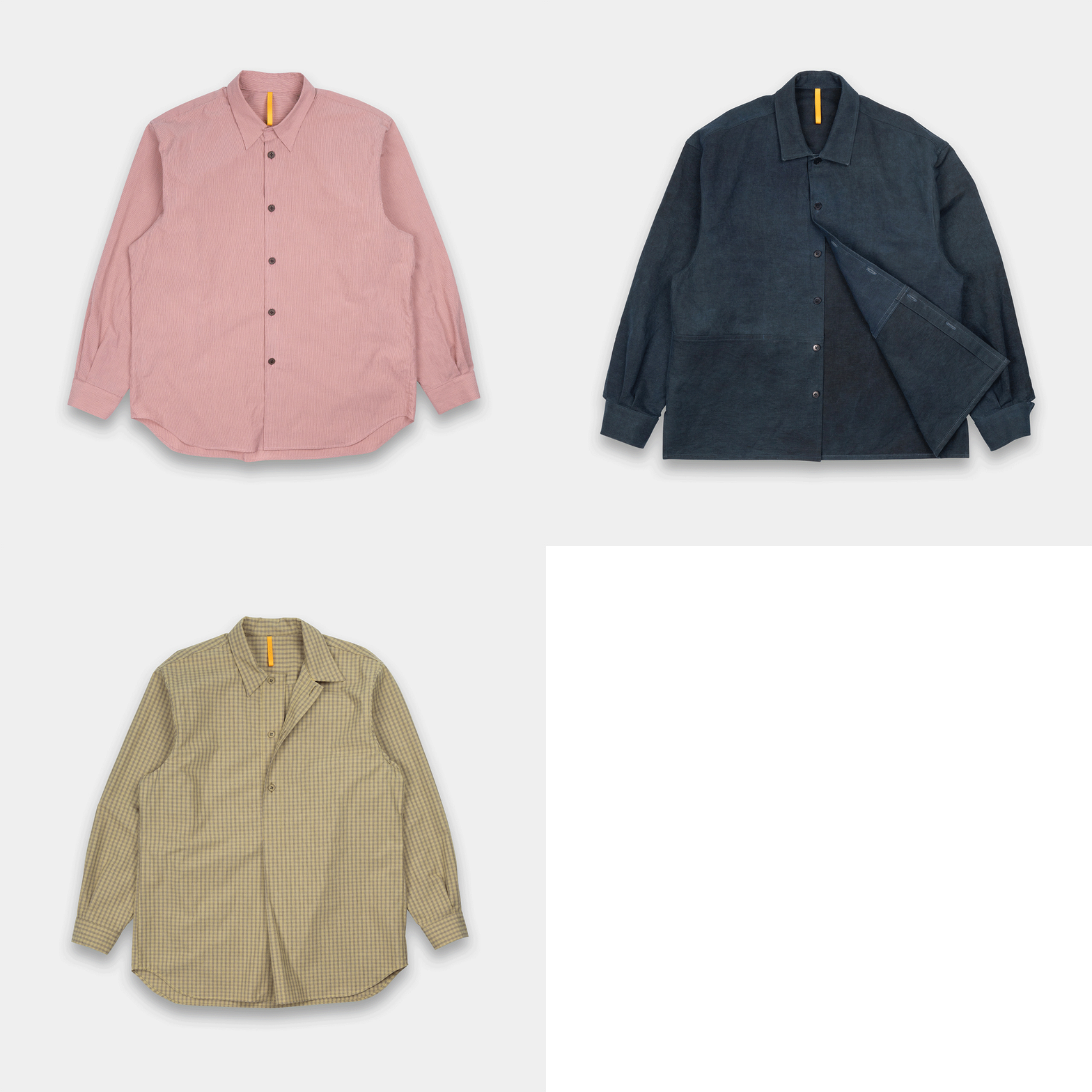
Man-tle’s new-season shirting
Man-tle is celebrated for its original fabrics that are developed with family-run mills in Japan, where husband-and-wife team Larz Harry and Aida Kim lived for a number of years. Its hard-wearing materials soften over time without losing their clean lines and generous silhouettes. The Australian brand’s latest collection of shirting features beautiful pleated cuffs and pointed collars. We particularly like the indigo Shop Shirt and the Weather Shirt in red.
man-tle.com
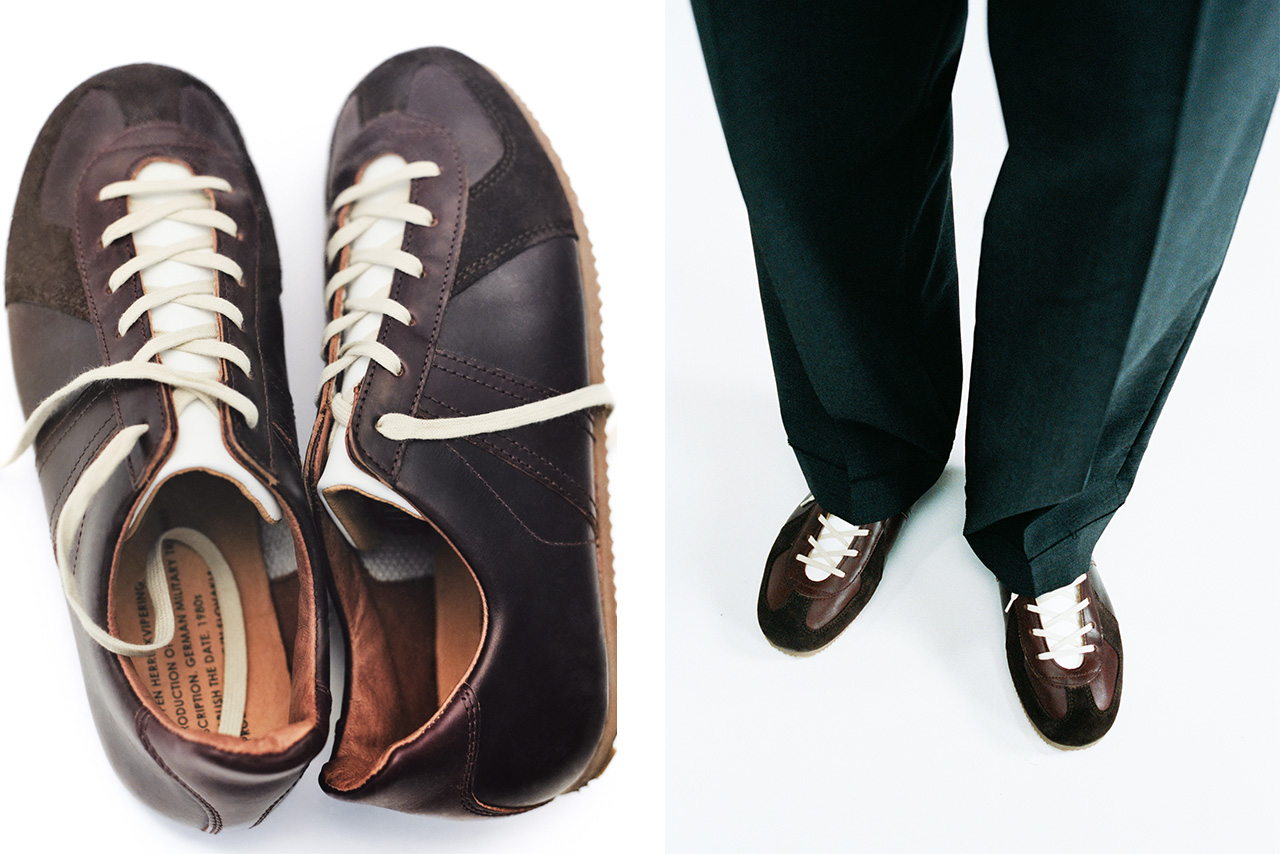
Mfpen’s German Army-style trainers
Copenhagen-based Mfpen has launched a fresh take on the 1980s German Army trainer that has inspired many brands, notably Maison Margiela. Mfpen’s model is made in partnership with Reproduction of Found, a Tokyo-based brand that makes precise replicas using historical archive material. The new shoe comes in a rich burgundy leather that will patina beautifully with age.
mfpen.com
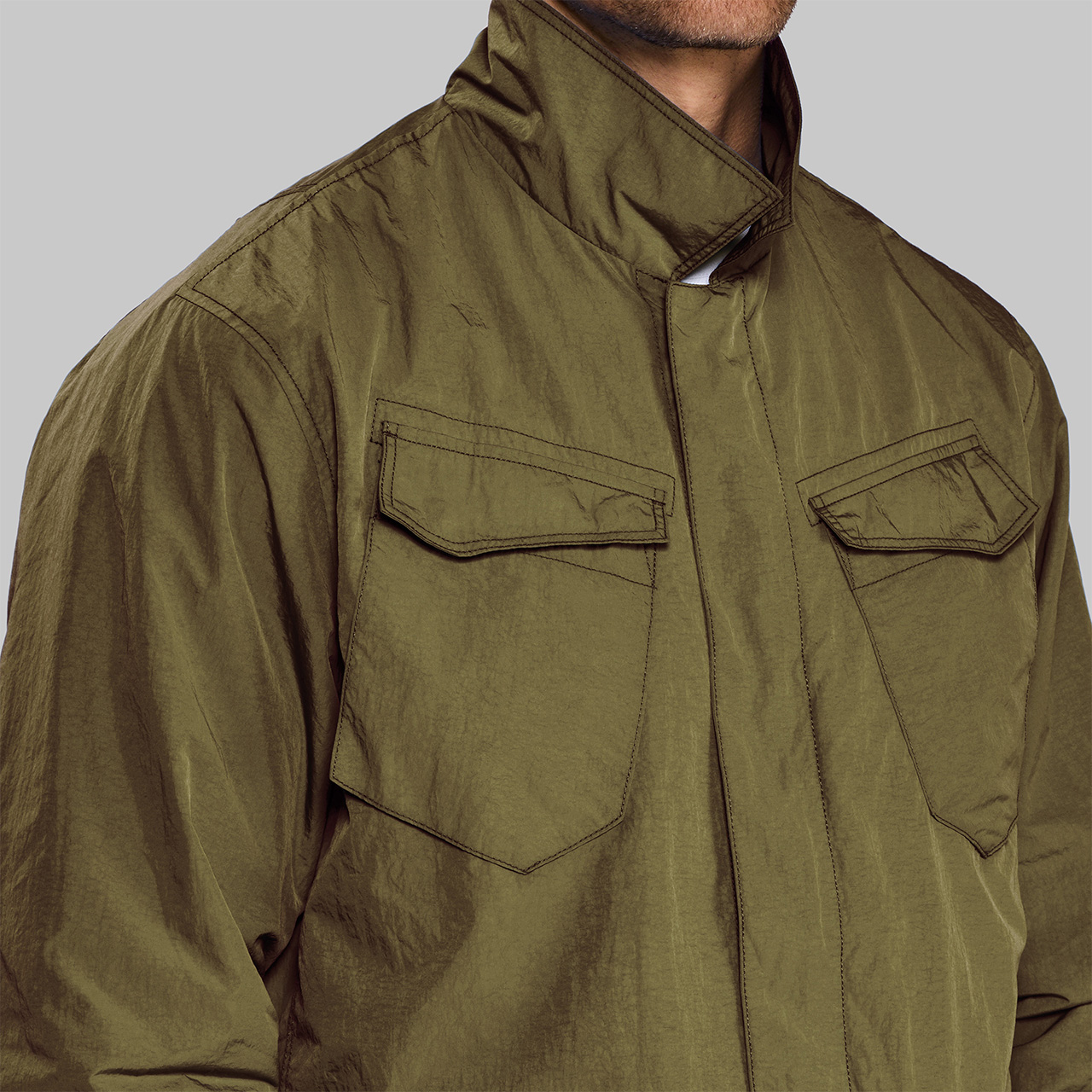
Vollebak’s salt-shrunk jackets
For 400 years, designers in Japan have used salt to shrink fabrics. The result? Breathable garments with tough exteriors that can stand the test of time. Fashion brand Vollebak, known for its future-focused clothing and technologically advanced materials, has adopted the technique for its new range of salt-shrunk M-65 jackets in royal blue and military green.
vollebak.com
|
|
culture cuts: film
On the trail of an elusive butterfly in ‘Searching for Satyrus’
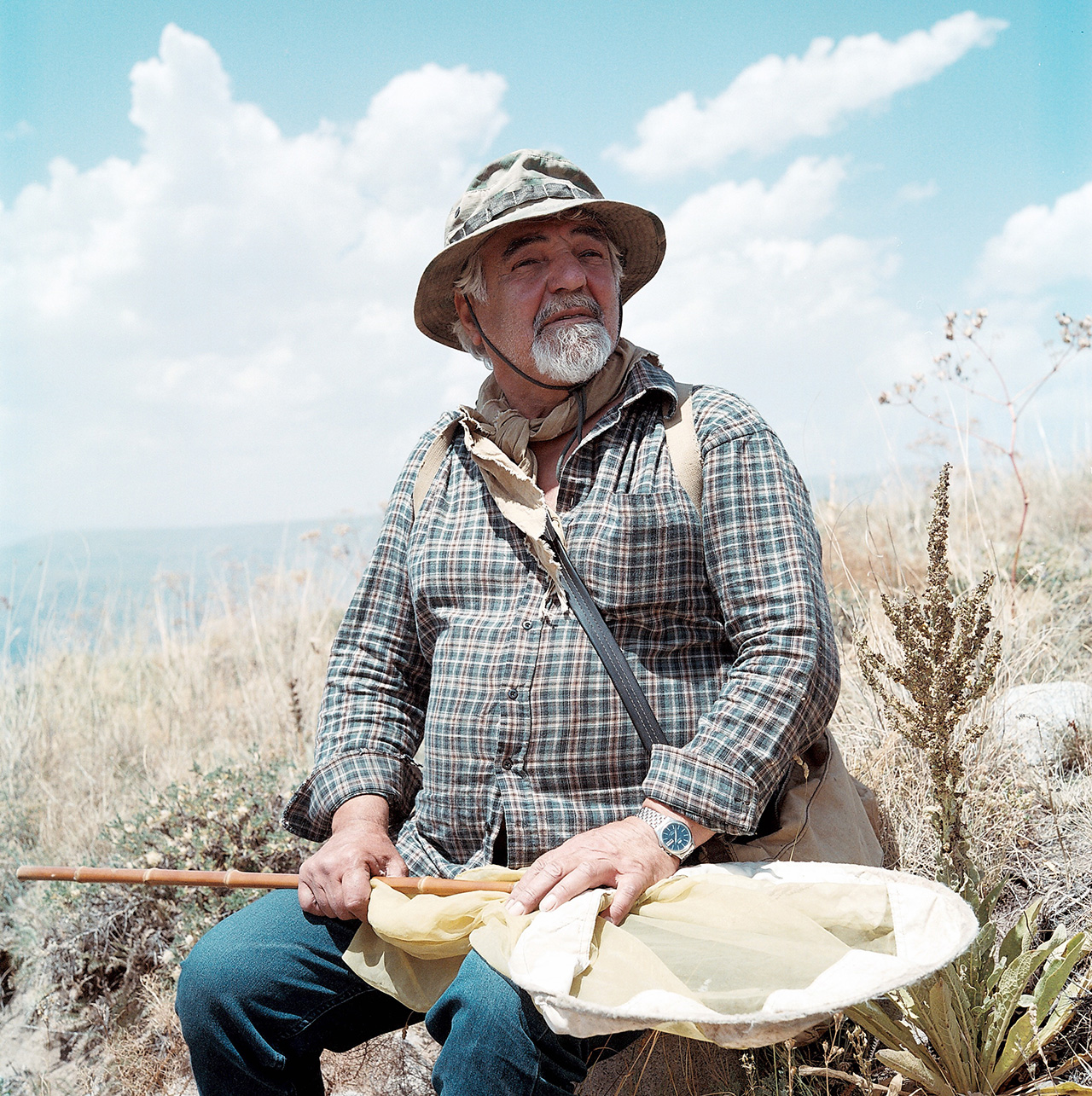
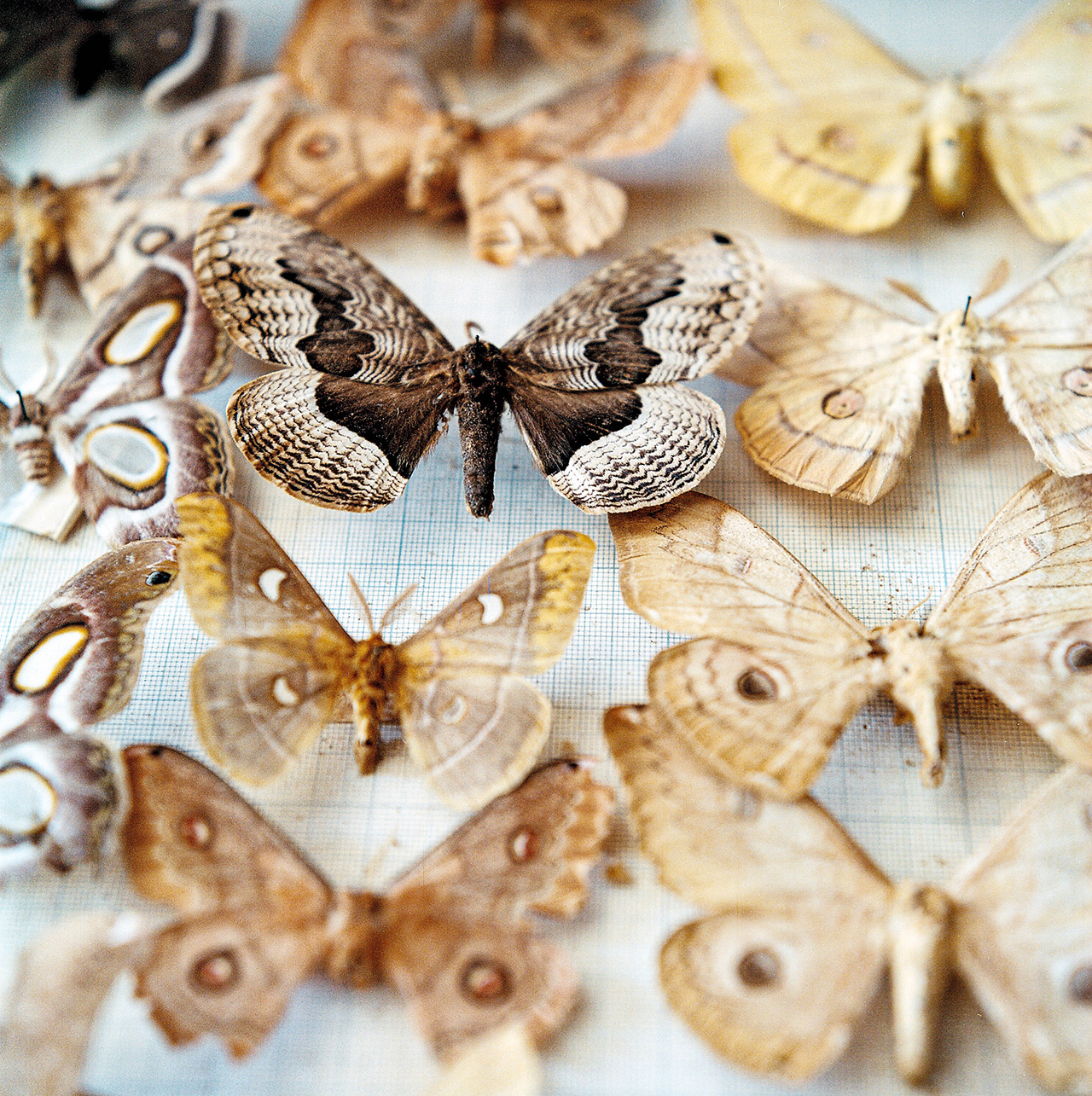
The mountainous border of Armenia and Azerbaijan is the only habitat of the Satyrus effendi butterfly (writes Sophie Monaghan-Coombs). About a decade ago, Azerbaijani photojournalist and regular Monocle contributor Rena Effendi discovered the existence of the species, which was named after her lepidopterist father. Effendi decided to set out in search of the butterfly and learn more about her father along the way – a journey that is documented in the new film Searching for Satyrus.
|
|
“My father died when I was 14 years old,” Effendi tells Monocle. “He has always occupied an enigmatic space in my consciousness.” As well as documenting her personal quest, the film explores the fractious relationship between two warring nations and its impact on their people. “The butterfly is a symbolic creature,” says Effendi. “It knows no borders and it knows no conflict.” Searching for Satyrus is at once a love letter to a region devastated by conflict, a story about the pursuit of scientific knowledge and a meditation on complicated families.
undergroundslate.com
Want to learn more about Effendi’s work? Here, the Istanbul-based photographer talks to Monocle Films about her process, why she shoots on film and her assignment to Libya in 2021.
|
|
how we live: Tote-bag economy
The tote-bag economy is taking over retail
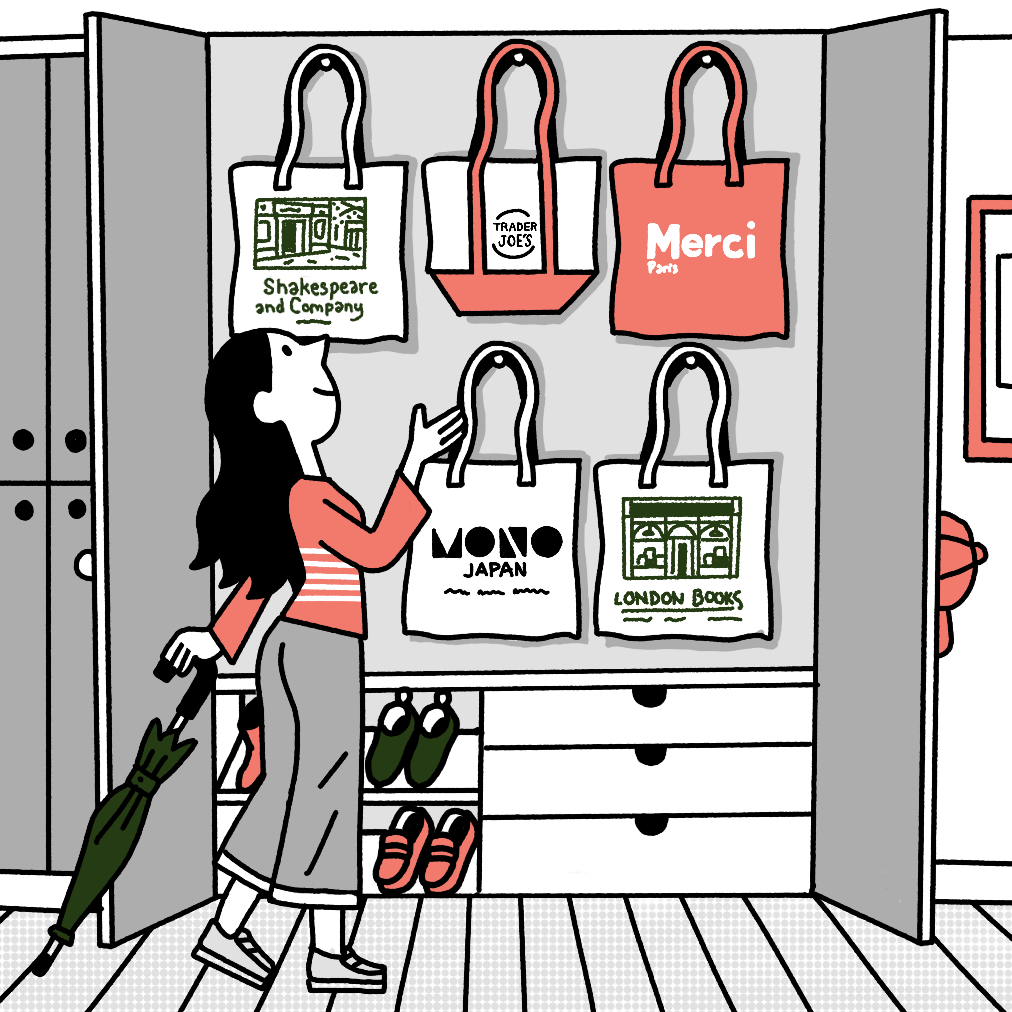
Not too long ago I saw a young couple step into Shakespeare and Company, Paris’s storied English-language bookshop (writes Susanna Schrobsdorff). After looking around, one of them turned to the other and said, “Oh. It’s just books.” Perhaps they were looking for a café. Despite their evident disappointment, I’m pretty sure that they left with one of the shop’s coveted tote bags.
|
No one needs another tote: our cupboards runneth over with them. They accumulate in our closets but more of us seem to be seeking them as souvenirs than ever, to serve as canvas chronicles of our tastes and travels. The tote-bag market in 2025 was worth $2.75bn (€2.33bn). They have, in effect, become the concert T-shirts of our time.
In the French capital, where I live, demand for these sacks is sky high. The trouble is that tote-seekers are warping the businesses that they claim to love. Some of my favourite shops are overrun with people who aren’t even there to buy what the establishment is known for. What they want is a branded bag that doesn’t scream “souvenir”. It simply whispers, “I shop in Paris and might even live there.” Sure, these visitors might walk out with a book, a bowl or a pair of jeans. But what they came for is visible proof of their connection to the City of Light.
Want to read Schrobsdorff’s full rundown of the tote-bag economy? Click here.
|
|
The Concierge: V&A East Museum, London
The UK capital’s newest museum brings youthful creative energy to the site of the 2012 London Olympics
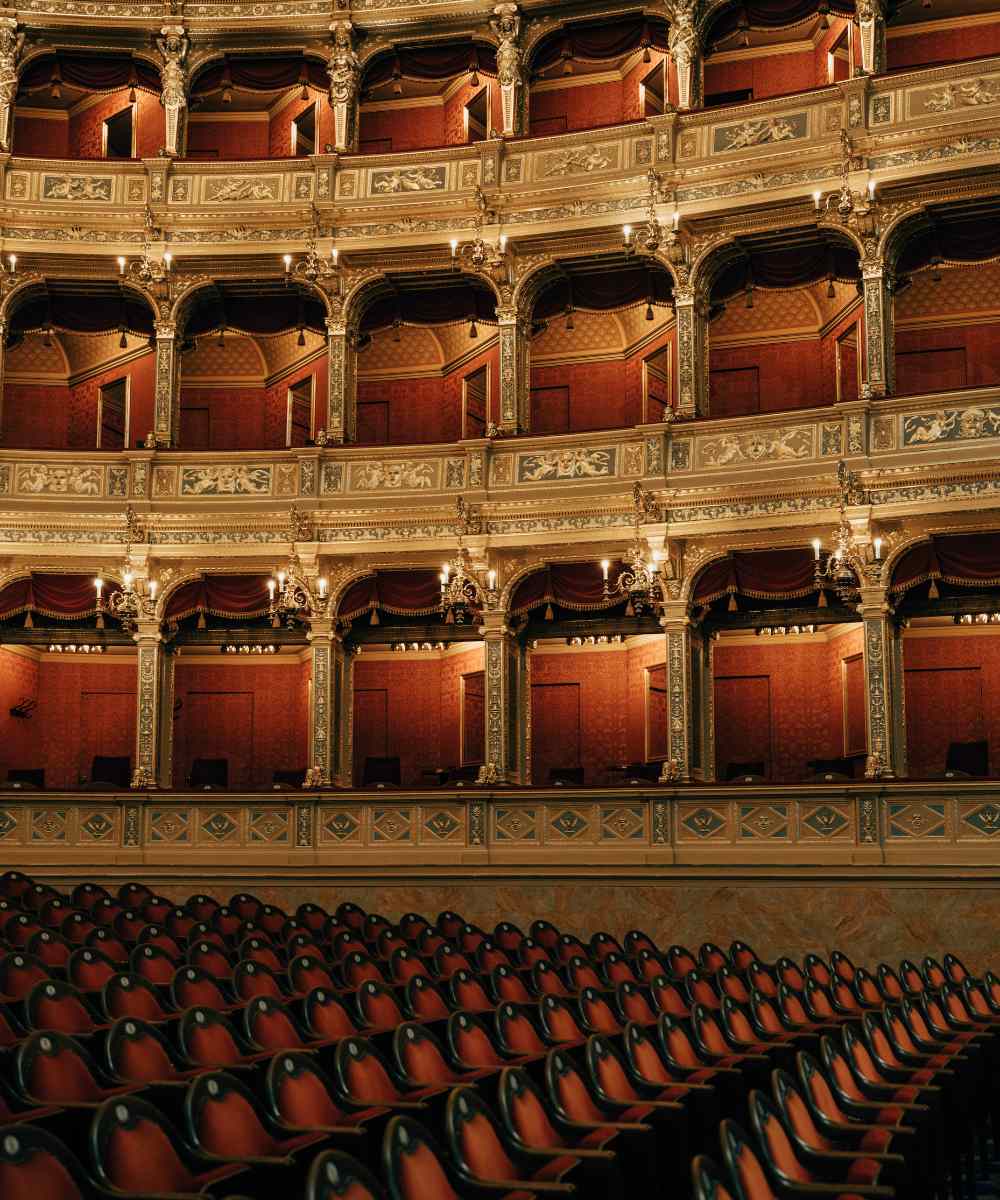
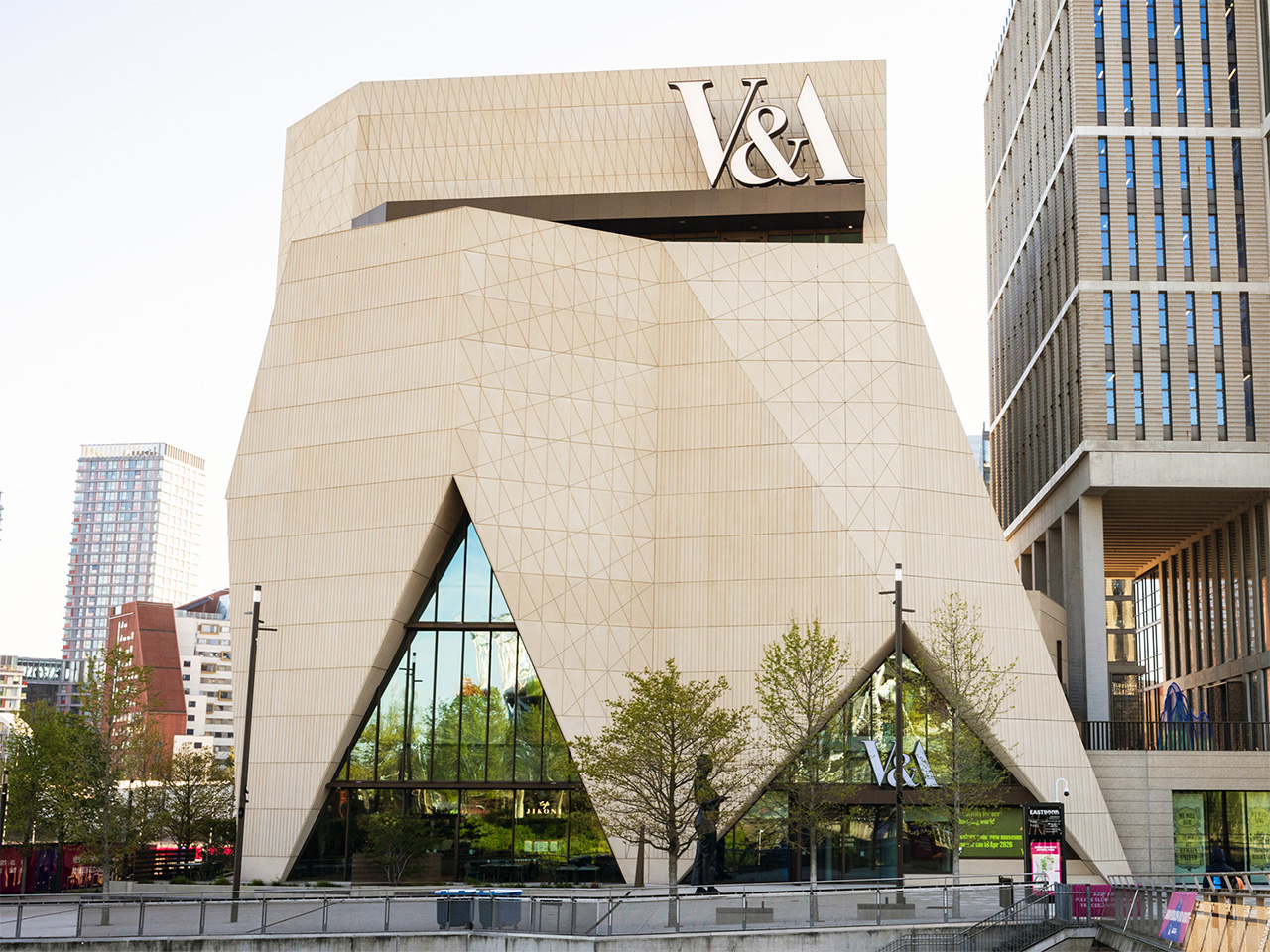
“This is where makers have sought refuge and inspiration,” says Gus Casely-Hayford, director of the Victoria & Albert Museum, of the borough of Newham, where London’s newest cultural destination has just opened (writes Sophie Monaghan-Coombs). V&A East Museum is the latest addition to the site of the London 2012 Olympics, which has since become a buzzing cultural hot spot. “It feels like we have come home and that we have been welcomed by east Londoners,” adds Casely-Hayford.
|
At the museum’s entrance, visitors are greeted by a five-metre-tall statue by UK sculptor Thomas J Price. The bronze figure of a young woman wearing trainers and clutching a smartphone feels right at home here. The borough has one of the youngest populations in the country and creating a museum that not only feels relevant to that demographic but was also made alongside them has been one of the defining goals of this project. “Young people advised us on everything from our uniforms to the food that we serve in our restaurant,” says Casely-Hayford. “It has been wonderful to reshape our operational and curatorial delivery to reflect their interests, needs and aspirations.”
The angular building was designed by architecture firm O’Donnell + Tuomey. Its façade is composed of tessellated sand-coloured triangles. From the right angle, it resembles a spaceship.
To learn more about its exhibits, from work by creatives from Alexander McQueen to Molly Goddard, read the full piece with Casely-Hayford here. Have a super Saturday.
Further reading?
– The new V&A East Museum has culinary as well as cultural clout. Café Jikoni offers a fresh idea for feeding the public
– Every object has a story to tell: V&A London’s new storage facility is designed to serve as a museum
– Monocle’s London City Guide
|
|
| | |