Light reading with Miu Miu, Milan’s best bars, Britt Moran of Dimorestudio and the afterlife of Salone installations.
|
Sunday 19/4/26
|

|
|
London
Paris
Zürich
Milan
Bangkok
Tokyo
Toronto
|
|
Salone del Mobile 2026
|
|
Milan Design Week is in full swing. It’s the catch-all term that encompasses all of the events taking place in the city as part of Fuorisalone and the Salone del Mobile fair at Rho Fiera – last year more than 300,000 attendees poured through the latter’s turnstiles to see the latest designs from some 2,000 exhibitors. In this dispatch we take a temperature check on the city, we talk shop with Britt Moran of local firm Dimorestudio, do some light reading with Miu Miu, consider the afterlife of Salone installations with Giacomo Moor and toast the city’s best bars and restaurants. Leading the way is Monocle’s Europe editor, Ed Stocker, on the rise of Milan’s most significant design neighbourhood.
|
|
OPINION: ED STOCKER
How Milan’s central Brera neighbourhood became a premier creative hub
By Ed Stocker
|

|
Wander around Brera during Milan Design Week and you might assume that the upscale quarter is the city’s traditional design epicentre. Today it’s where top brands from the worlds of fashion, lifestyle, furniture and lighting want to be seen. Though there are packed Fuorisalone (literally, beyond Salone) events stretching from Tortona to Porta Venezia, you’re still likely to spot some of the week’s longest queues in Brera.
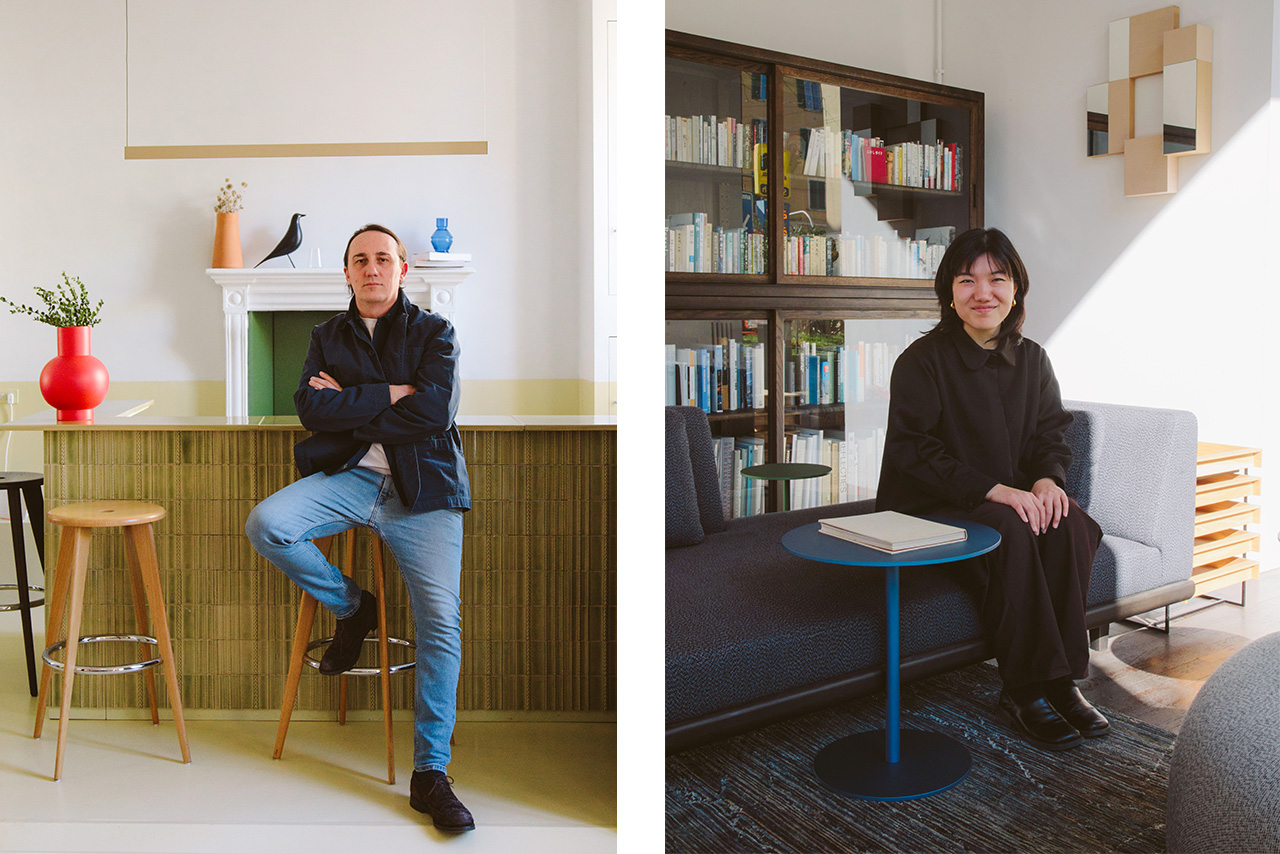
It’s easy to see why design brands want to be here. Brera is a central location, full of narrow streets and historic palazzi. And with its world-class fine-art academy and Pinacoteca di Brera gallery, it’s a neighbourhood with a strong creative backbone. Add to the mix boutique clothes shops and restaurants (for the latter, our favourite is old-school holdout Al Matarel) and you have a bustling, authentically Milanese area that isn’t just about commerce. “Brera has a deeply rooted past, steeped in art, history and craftsmanship, and this is still evident today,” says Giusi Tacchini, CEO and creative director of furniture firm Tacchini (pictured below), which opened its first showroom here last year. “Design in Brera is never just an exhibition: it’s part of a broader, living context.”
|
So when did Brera become a go-to place for design brands? In the early days of Salone del Mobile, which was established in 1961, the fairground dominated. That started to change in the late 1980s and the 1990s as events spread across the city. A landmark year for Fuorisalone was 1990, when Gilda Bojardi, currently the editor of Interni magazine, organised an event with a network of showrooms. The decision of Dilmos design gallery and Boffi to move to Brera was an important catalyst too.
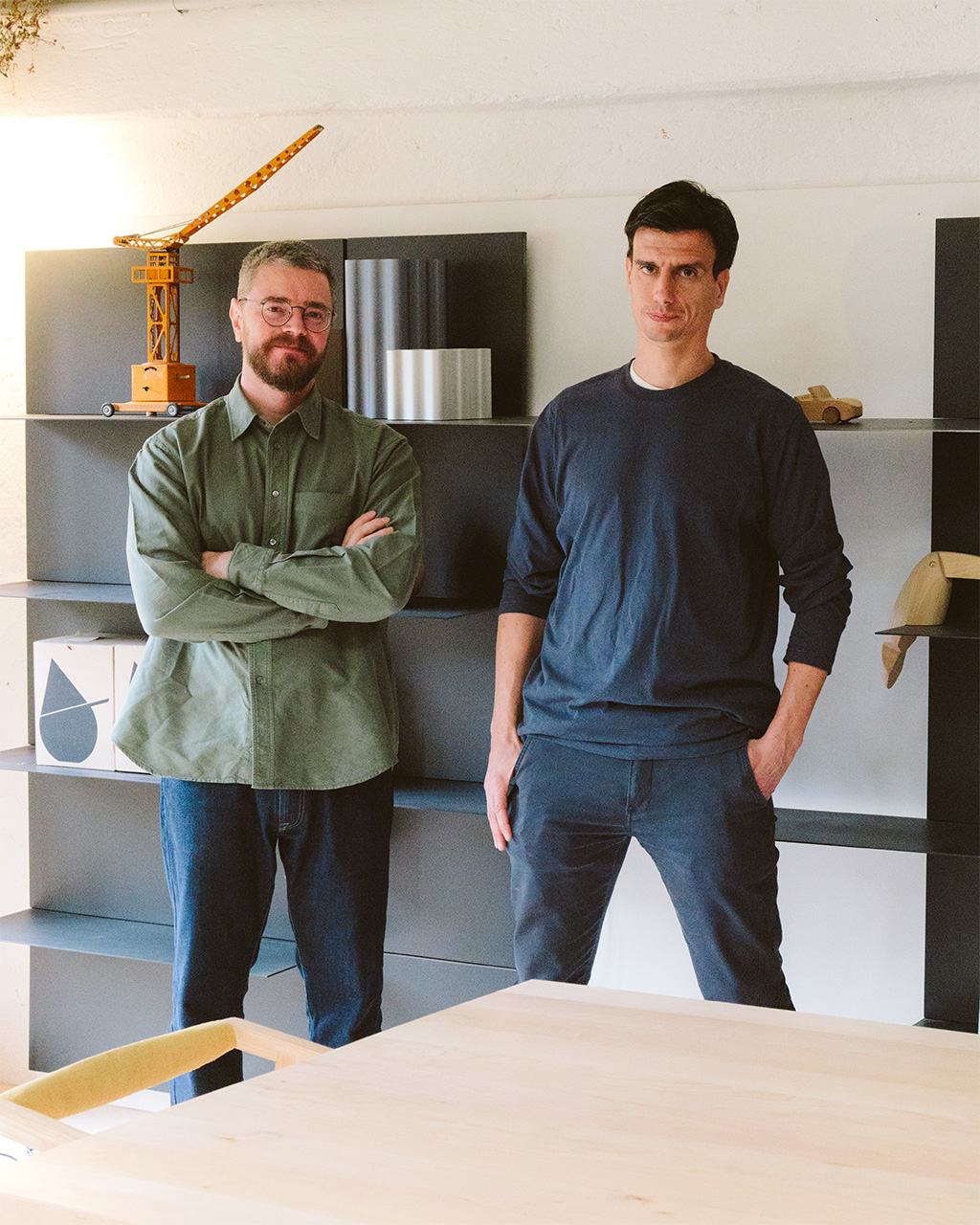
Not long afterwards, Paolo Casati (pictured below, left) and his team at Studiolabo consultancy noticed the potential of marketing events around the city more widely. A design graduate from Politecnico di Milano, Casati realised that Fuorisalone could be further leveraged as a brand. In 2000 he bought the Fuorisalone domain name and, three years later, started an online guide and events listing in which companies could increase their visibility. It also told people where to eat in town and the team printed Fuorisalone badges. Casati saw that the neighbourhood already had all of the elements that it needed in place, including about 70 showrooms (today that number has more than tripled).
|
This design week, Brera is gearing up to host some 300 events, from Gucci’s Memoria exhibition, tracing 105 years of the brand’s history inside the San Simpliciano cloisters, to Flexform’s exploration of memories linked to furniture in The Private Life of Objects. One thing is clear: a week is simply not enough to showcase all that this place offers. “Why is Brera the world’s most important design district?” asks Casati. “Because of its density and quality.”
For a deeper dive into Brera, click here. And to hear more about the events taking place across the city during Milan Design Week, pick up a copy of Monocle’s ‘Salone del Mobile Special’ newspaper – on newsstands across the city and at monocle.com too.
|
|
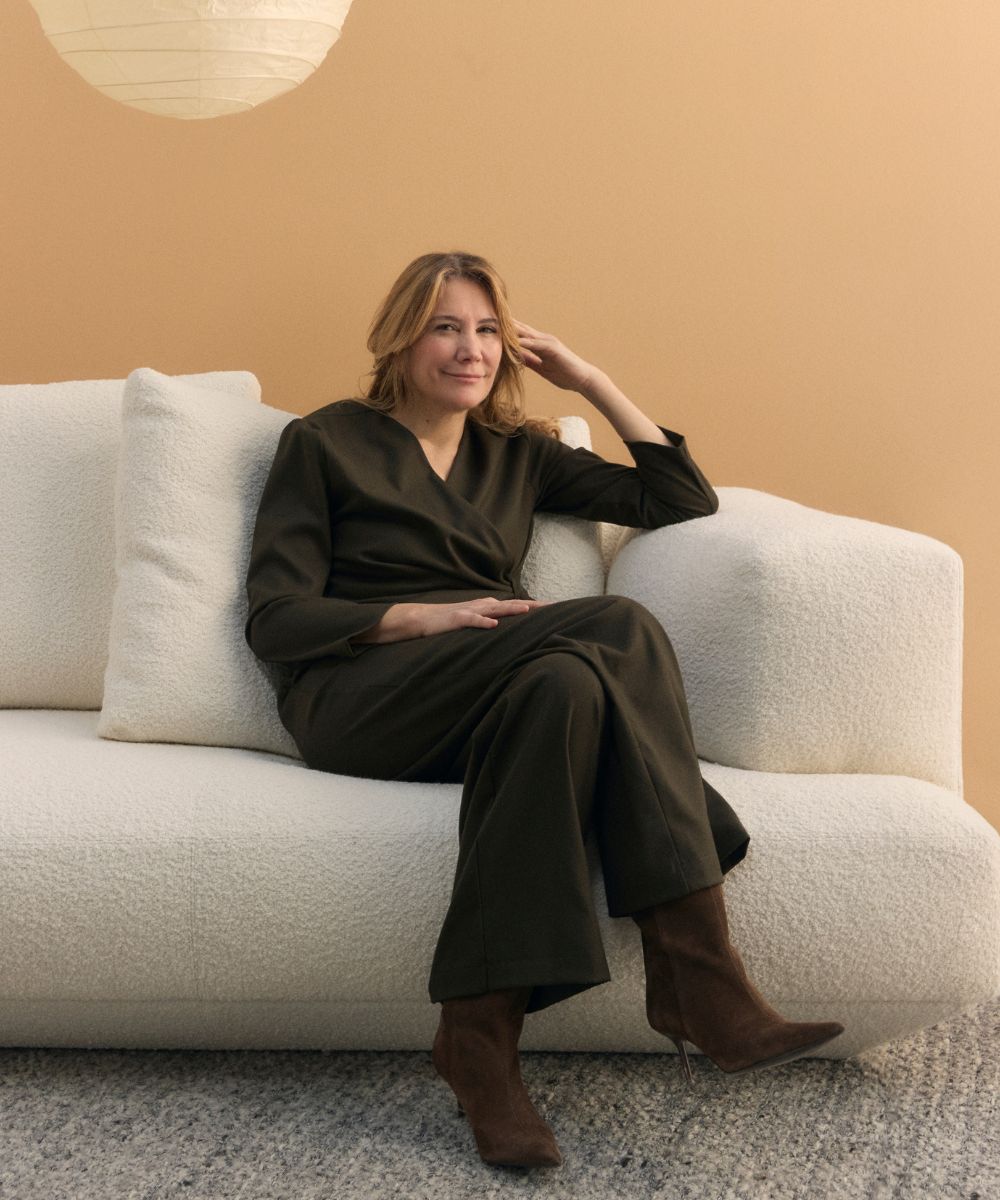
Raffaella Mangiarotti in conversation on the Loungescape sofa
|
Drinking and dining: Milan’s new offerings
From an intimate space for small plates to a Korean-inspired wine bar – here’s three of Milan’s top tables
Enticing hospitality outposts are popping up across Milan. Maybe it has something to do with the city’s influx of new residents, or perhaps the Lombard capital is simply playing catch-up with the likes of London, Paris, New York and Copenhagen, but spots are emerging and there’s a definite Milanese aesthetic being established. Think stainless steel and mood lighting. Here are three must-visits.
1.
Balay
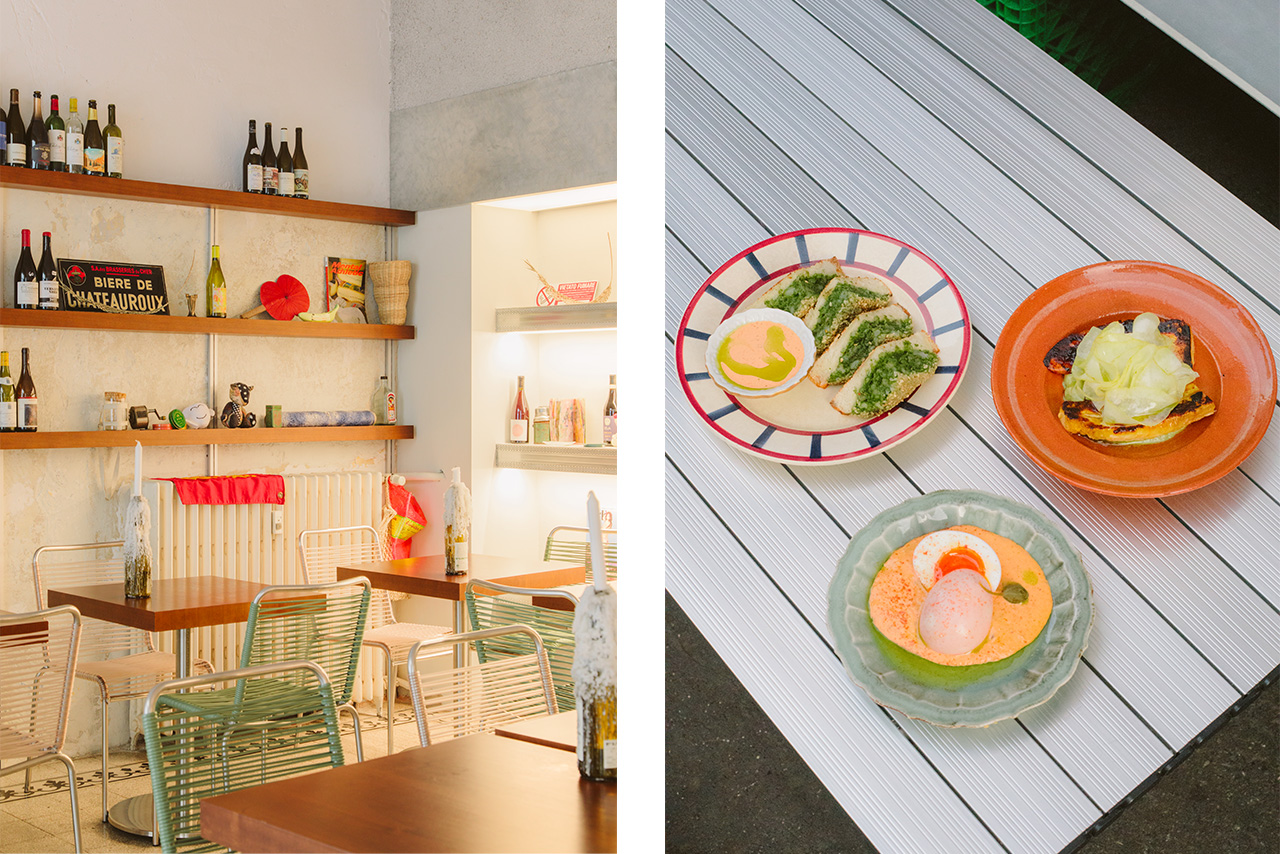
One of the most sought-after seats in Milan for great drinks and excellent small plates. Opened nine months ago by 27-year-old Ray Ibarra, Balay has been nothing short of a roaring success. So much so that grabbing one of the 11 indoor tables or the four outside spots can be tricky unless you decide to go early in the evening. Serving Filipino-inspired dishes with zesty, spiced flavours (try the sesame prawn toast), Balay – which features plenty of raw stainless steel and trinkets on shelves – has a laid-back feel.
Via Achille Maiocchi 26
Normally evening-only, Monocle will be hosting a café and reading room at Balay during the day (where you can also grab the current issue and a copy of the ‘Salone del Mobile Special’) during Milan Design Week. For more information, visit monocle.com.
|
2.
Fiorin Fiorello
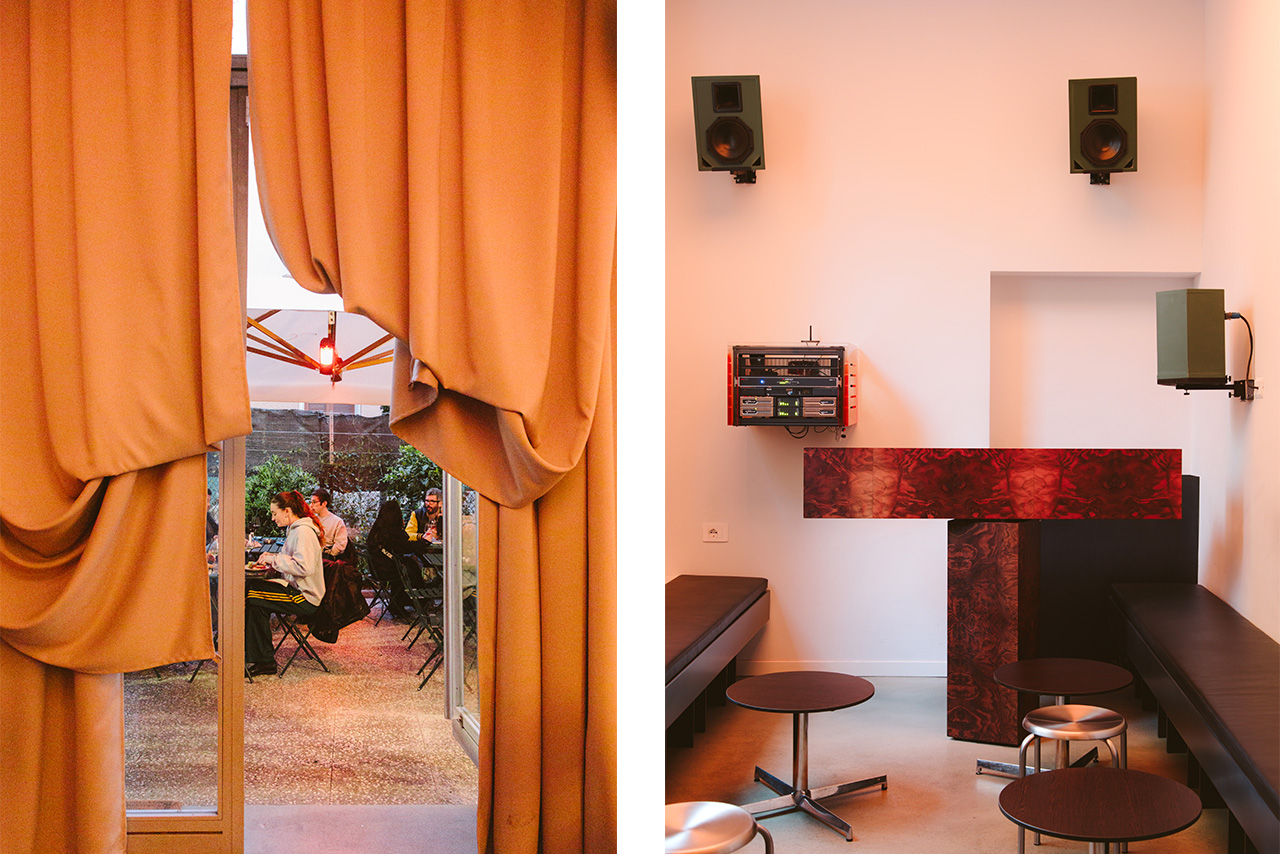
A few years ago, spots such as Fiorin Fiorello didn’t exist in Milan. Entering the bar – whose interiors were fitted by design collective Parasite 2.0 – feels almost cinematic. Once through the door, you part an elaborately hung curtain that reveals a bar decked out in raw stainless steel and manned by American sommelier Louis Turano. A giant light box hanging from the ceiling shifts from yellow to red as the night progresses. “The idea was to have a bar that did music and wine,” says Luca Fiore, one of the bar’s five co-founders. A glass of French white on the patio is a must.
Via Fratelli Bronzetti 38
|
3.
Kiwon
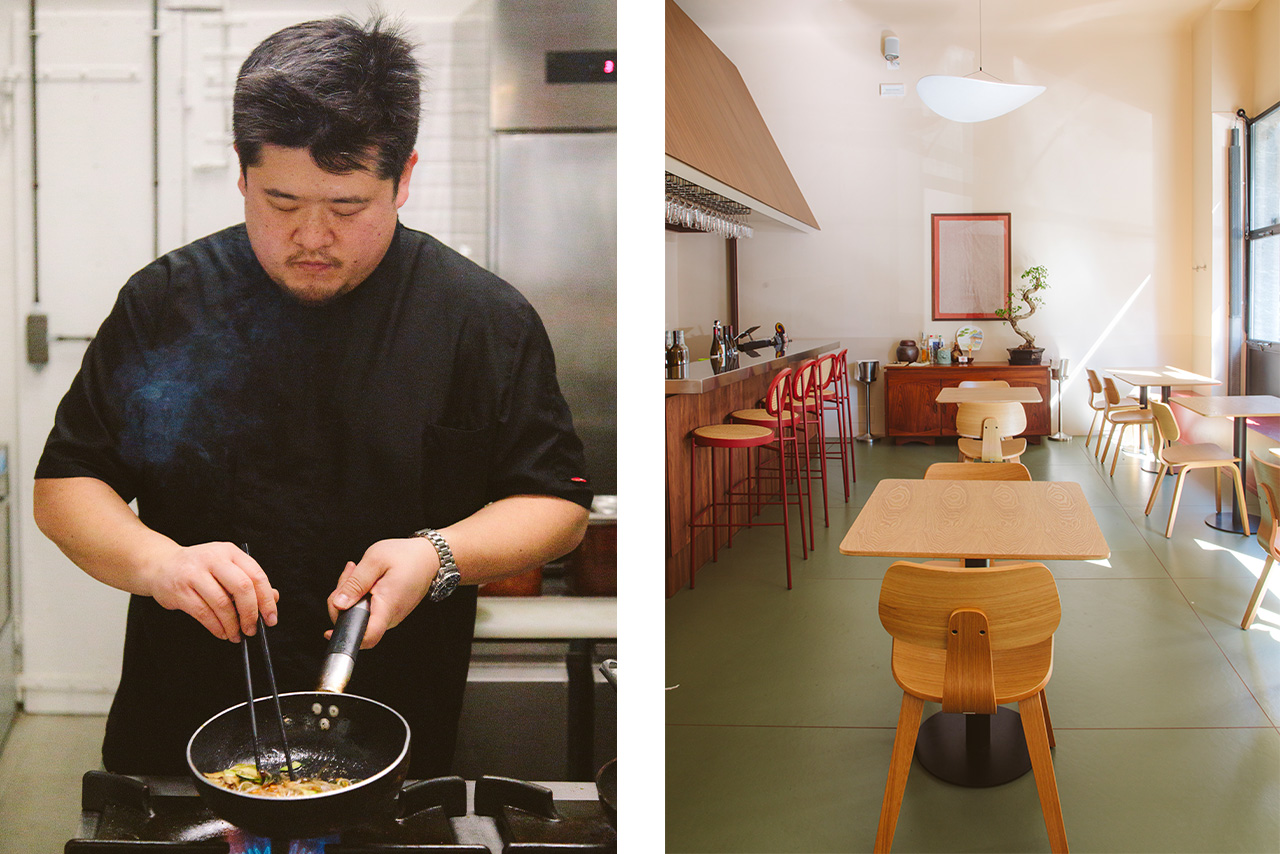
With interiors designed by Milan’s Oooh Studio, the prime spot at this Korean restaurant and wine bar is on the raised chairs facing a large open-plan kitchen. “We love the counter, which is why we created it,” says Carmine Colucci, who met his fellow owners, chef Haneul Cielo Ko (whose family runs a 40-year-old Korean restaurant) and Emanuele Romanelli while working at Enoteca Flor. “We like to be there; you see everything. You never know what will happen at the bar,” he says. Kiwan’s dishes are a breath of fresh air for the city’s Asian food scene – a mixture of traditional cuisine and contemporary offerings with a modern presentation. The turbot carpaccio and fried chicken are winners.
Via Macedonio Meloni 35
For more recommendations about where to eat and drink during Milan Design Week, click here.
|
|
house news: ‘The Salone del Mobile Special’
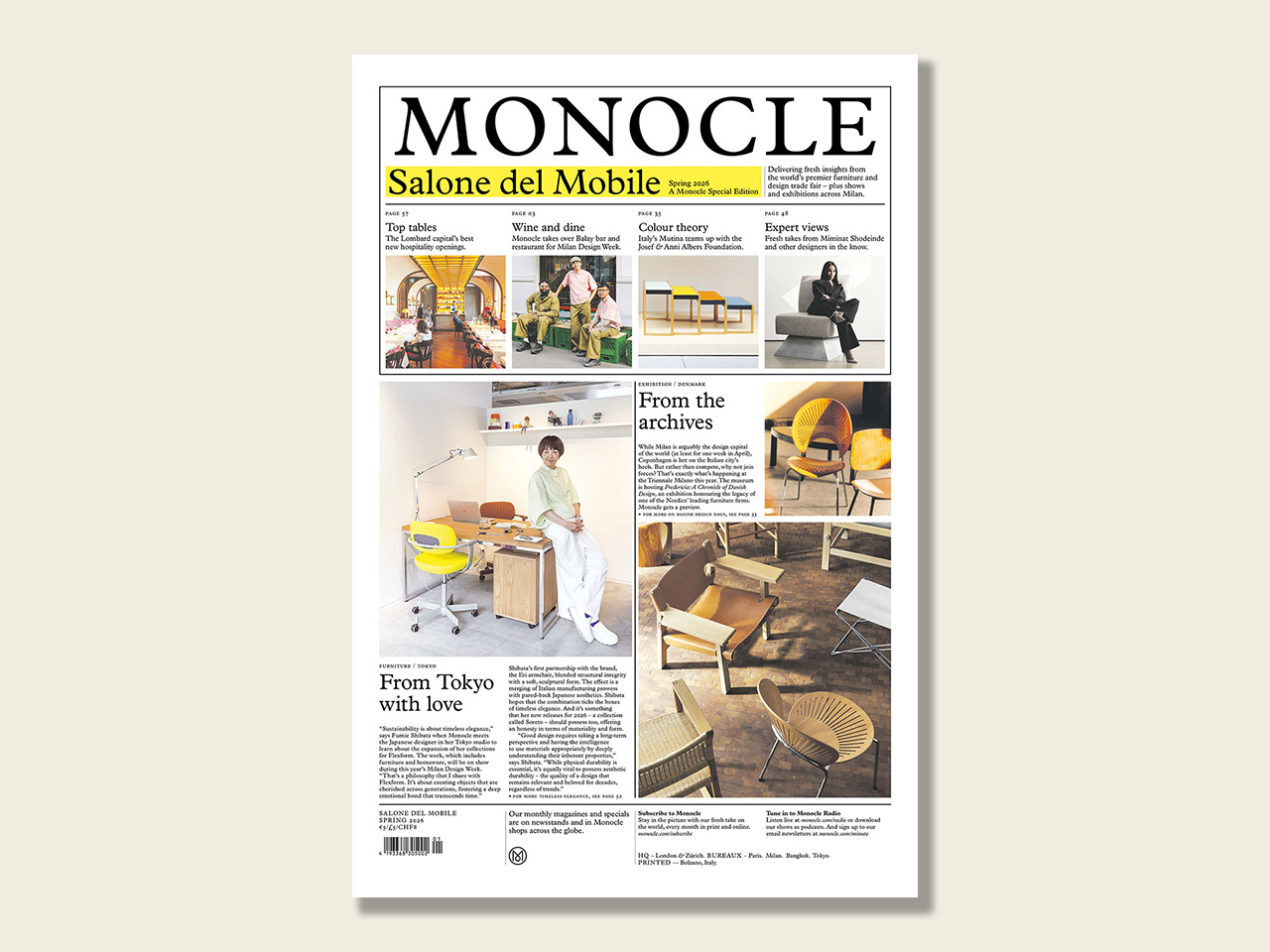
Our ‘Salone del Mobile Special’ newspaper is your guide to Milan Design Week
Looking to visit Milan during Salone del Mobile? Our annual newspaper, Salone del Mobile Special, will help you make sense of the week. An essential companion for those attending the design industry’s biggest event, it provides news, insight and analysis alongside a host of recommendations for the best spots to eat and drink, as well as tips for roadtrips beyond the city.
|
The Berliner-size newspaper is also a must-read for design enthusiasts more broadly, covering stories from across the globe. Throughout its pages, readers will find reports on a breathtaking partnership between an Italian tilemaker and a US art organisation, the Josef & Anni Albers Foundation, as well as a deep dive on Spanish brand Kettal’s revival of Charles and Ray Eames’ modular architecture. Plus, our pick of the top 25 new design releases and a look at the future of the industry with London-based studio Future Facility. Pick up your copy at the Monocle pop-up in Milan at Balay wine bar – open from tomorrow until Sunday at Via Achille Maiocchi 26.
The Salone del Mobile Special is available online, at Balay, and on all good newsstands during Milan Design Week and beyond.
|
|
words with... Britt Moran, Dimorestudio
‘You must create a world’: Britt Moran on Dimorestudio’s new gallery space
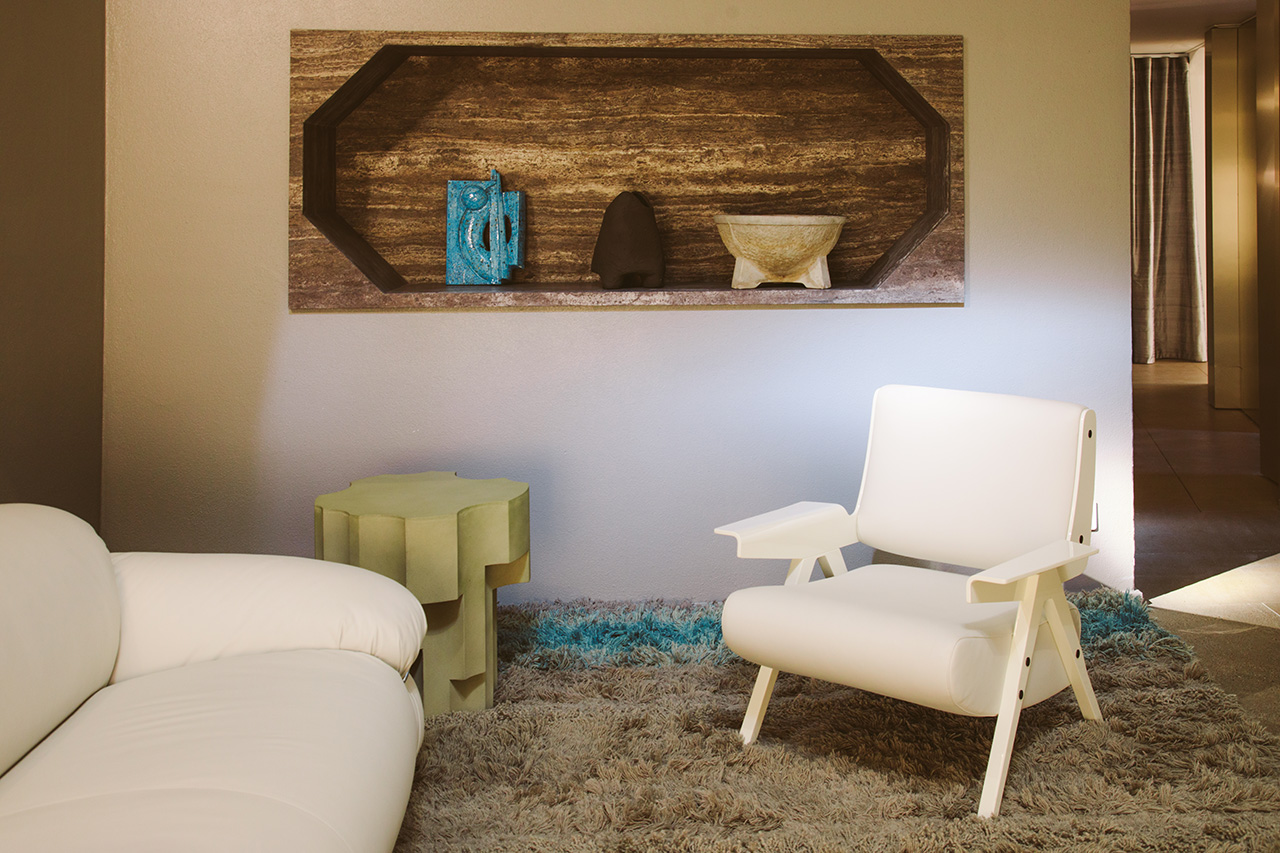
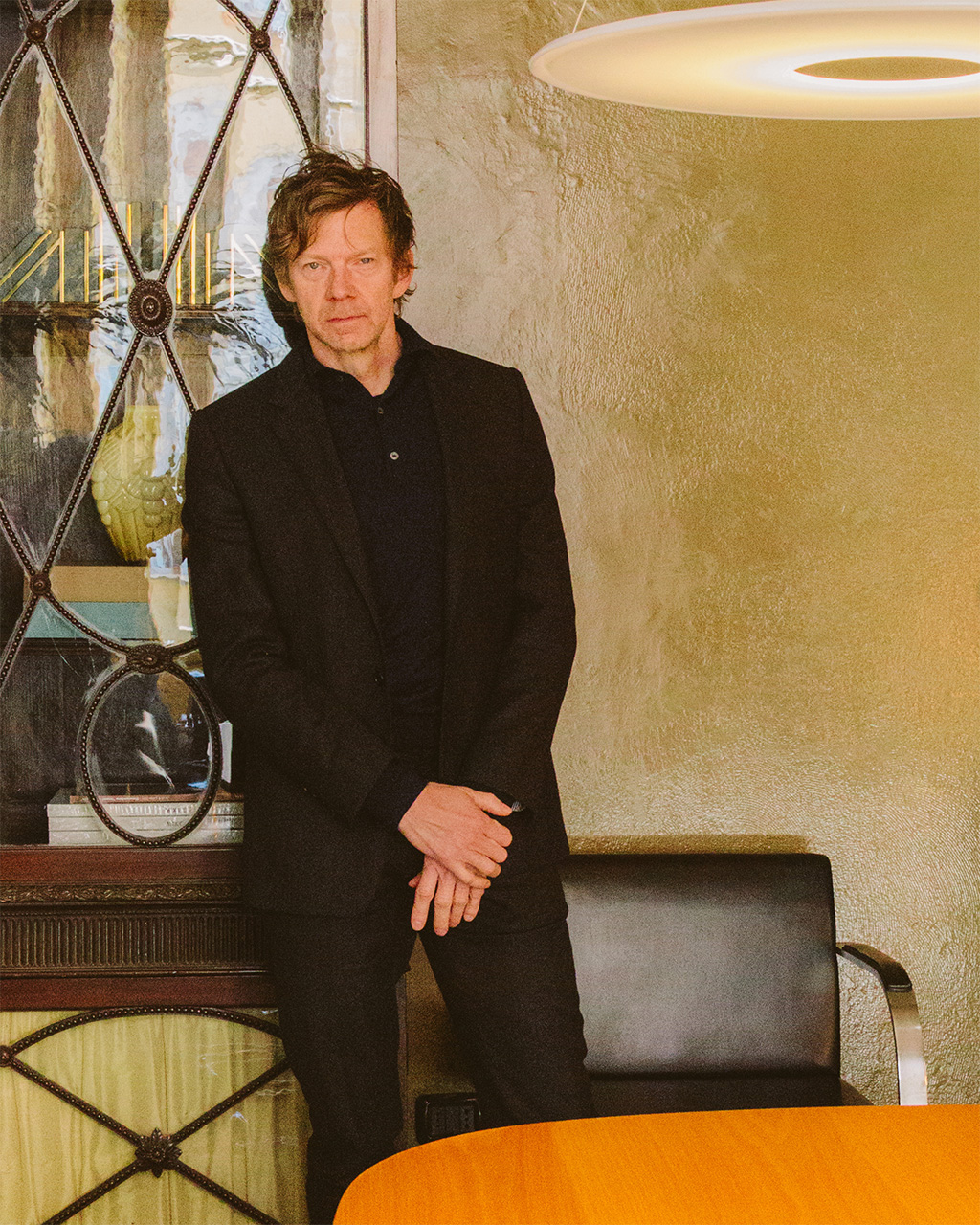
Dating back to 2008, those in the know at Milan Design Week have been queuing up in cortile number 11 on Via Solferino to make their way into the studio of local practice Dimorestudio. But now the duo behind Dimorestudio and furniture brand Interni Venosta, Emiliano Salci and Britt Moran, is opening a new permanent gallery space, set in an old bank on Via San Vittore al Teatro. We caught up with Moran ahead of its opening.
|
Your showcases have become a Milan Design Week staple. How did this evolve?
We promised ourselves early on that if people come to visit us, we’ll make sure to give them an experience and that they leave with something. Design week is almost a publicity stunt. It has been a great way to show people our aesthetic and get our name out there.
Your style is often defined as nostalgic. How does this chime with your approach to practice?
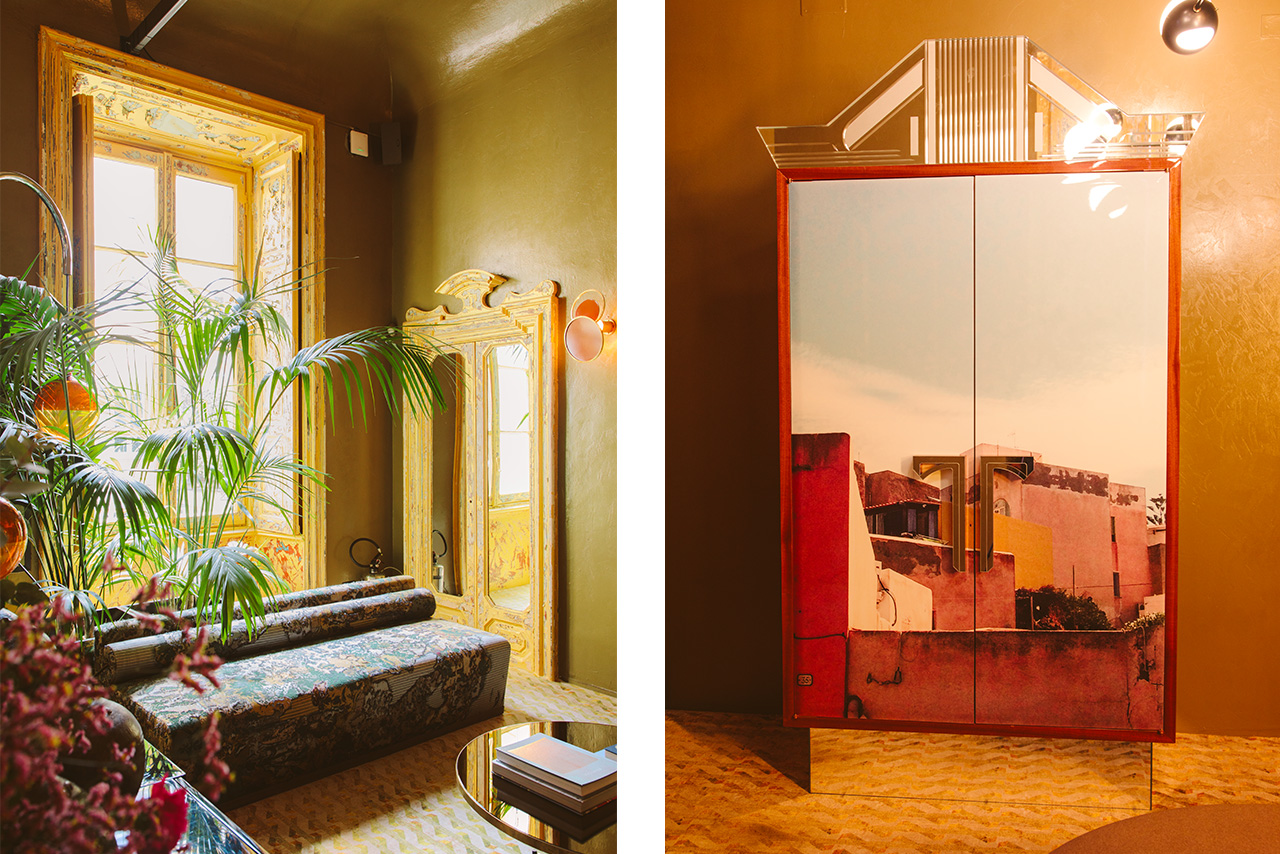
Our work can be seen as an interpretation of what the atmosphere of interiors at [different] times might have felt like. It’s not a recreation of those eras but we draw inspiration from books and our own experiences.
|
How is this approach reflected in your design outlook?
Most people come to us because they want an experience. In hospitality and restaurant design, you must create a world and do some storytelling for the client who commissioned the work, but also for guests visiting the space.
Is this an aim that is going to be realised with your new gallery?
We don’t want it to only be a space where you come in and buy something. We want there to be an atmosphere where people are inspired and there’s an exchange of information. We’ll have some collaborations throughout the year so it’s not just people coming in and asking about our furniture – but they can do that too.
Visit Dimorestudio at the new Dimoregallery on Via San Vittore al Teatro 1-3. For more on Dimorestudio’s Milan Design Week plans, head to monocle.com.
|
|
in the picture: Miu Miu Literary Club
Miu Miu’s Literary Club returns to Milan – here are five fashionable titles from previous editions
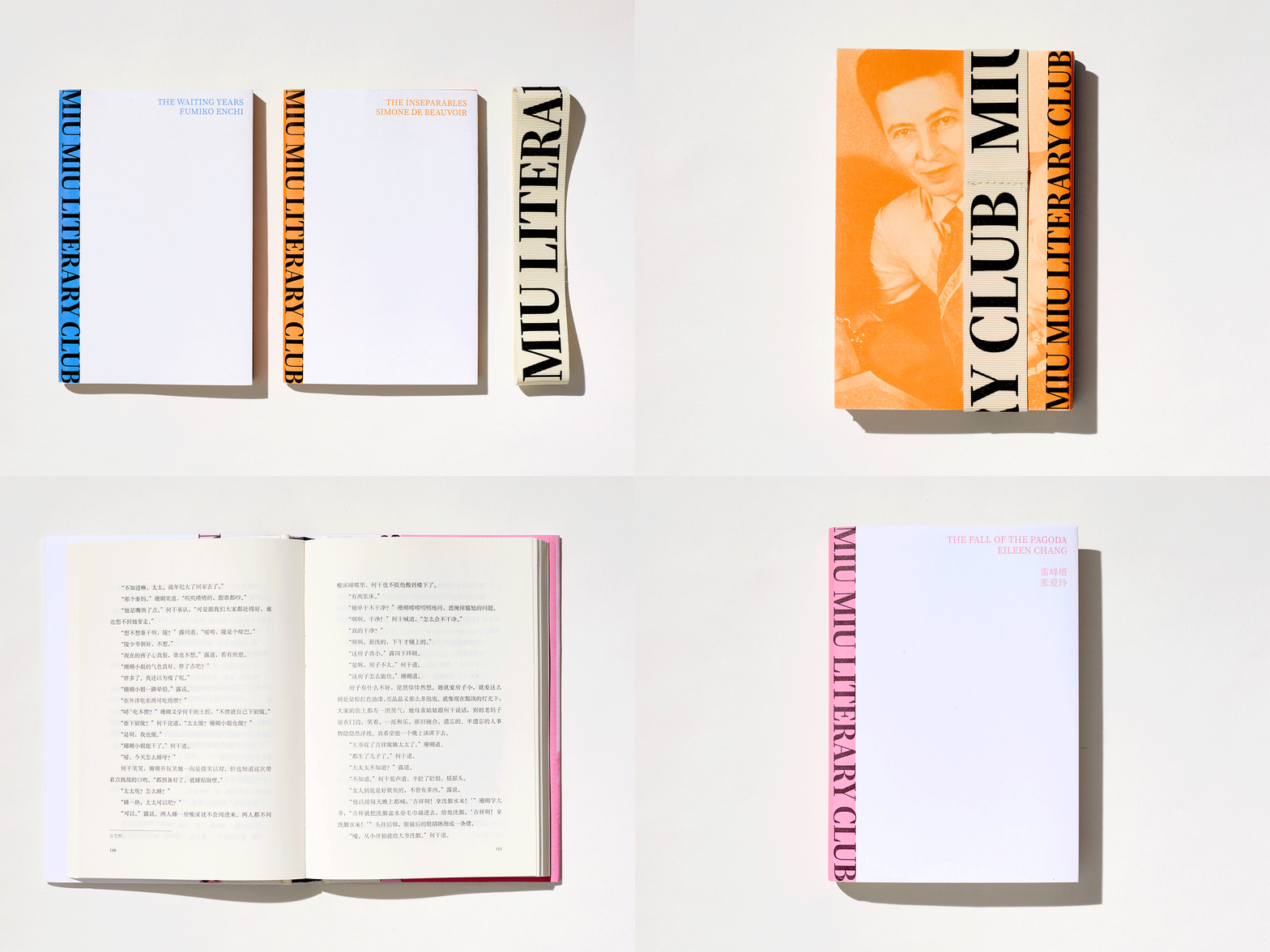
The Italian fashion brand, and subsidiary of luxury house Prada, returns to Milan Design Week with its Literary Club: a celebration of publications that have shaped design and cultural discourse, headlined by live readings and custom print editions. This year’s theme is “Politics of Desire”, explored through the works of French writer Annie Ernaux and Ghanaian novelist Ama Ata Aidoo. To get you up to speed, we’ve compiled a Miu Miu-approved reading list from previous iterations, featuring the label’s bespoke covers.
|
‘Forbidden Notebook’ by Alba de Céspedes
Set in postwar Rome, this novel by Cuban-Italian author Alba de Céspedes tells the tale of domestic discontent and one woman’s rebellion against her bourgeois lifestyle.
‘A Woman’ by Sibilla Aleramo
In this landmark autobiographical novel by celebrated Italian feminist writer Sibilla Aleramo, first published in 1906, the nameless narrator breaks free from intergenerational patterns and predicaments.
‘The Fall of the Pagoda’ by Eileen Chang
Chinese-American writer Eileen Chang’s semi-autobiographical work chronicles a family’s moral and financial decline. First published in English in 1963, it was later translated posthumously for a Chinese readership in 2010.
‘The Inseparables’ by Simone de Beauvoir
Written in 1954, this novella by the acclaimed French philosopher and feminist thinker was considered too intimate to publish in her lifetime. Its story is one of friendship between Andrée and Sylvie.
‘The Waiting Years’ by Fumiko Enchi
Enchi’s explicit account of women’s sexuality is told through the story of Tomo, the wife of a politician, who is tasked with finding a concubine for her husband in late 19th-century Japan.
The Miu Miu Literary Club is held from 22 to 24 April at the Circolo Filologico Milanese.
Fashion brands have long been a force during Milan Design Week, drawing some of the biggest crowds to events across the city. Chart this evolution in our special report at monocle.com.
|
|
fair play: Quadrodesign & Giacomo Moor
Tapping in: Why one Salone installation is set for a second life in Zambia
Most stands at Salone del Mobile outlive their usefulness by fair’s end. But a booth from Milanese studio Giacomo Moor – commissioned by Lake Orta-based faucets and accessories company Quadrodesign – presents a fresh concept for 2026: after the fair doors close, it will be shipped off to Zambia and given a new form and function. “Often there isn’t a real architectural project for a stand,” says Enrico Magistro, creative director and owner of Quadrodesign. “They just think of them as needing to work during the fair.”
For Salone del Mobile, Moor designed a wooden structure, basing the building system around a series of cross-like frameworks that slot into custom aluminium joints. It will provide a stage for Quadrodesign’s sleek, stainless-steel faucets, including a collection called Thumb, which Moor is also behind. Thanks to a partnership with benefit corporation Koalisation, the booth will then be repurposed in Masala, Zambia, as a women’s public bathroom near a coal market.
| | | | |