Monday 20/4/26
The Monocle Minute
London Paris Zürich Milan Bangkok Tokyo Toronto

Sponsored by

Trunk Clothiers

Monocle

Good morning from Midori House. If you’re in Milan for Salone del Mobile, stop in at Balay on Via Achille Maiocchi, where Monocle is hosting a café and reading room throughout the fair. For more news and views, tune in to Monocle Radio or visit monocle.com. Here’s what’s coming up in today’s Monocle Minute:  

THE OPINION: How a journalistic eye can elevate a hotel
DESIGN: Milan Design Week’s must-visits
DAILY TREAT: A taste of old Milan: Antica Trattoria della Pesa
THE LIST:Three stories that you might’ve missed


The Opinion: HOSPITALITY

Adrian Zecha’s ‘journalistic’ approach elevates his new resort collaboration in rural Japan

By Colin Nagy

The founder of Aman Resorts, Adrian Zecha, likes to say that he isn’t a hotelier but a journalist who stumbled into the hospitality business at the age of 39 and never quite left. It’s a detail that’s often treated as a bit of biographical colour but it’s fundamental to his success. After all, journalism is the business of noticing things – and that skill has defined what he has built.

Zecha reported for Time magazine from Tokyo. He launched The Asia Magazine, the continent’s first regional colour supplement, when he was 28 years old. Then he ran Orientations, an arts journal, from Hong Kong. By the time he built Amanpuri hotel in Phuket – which was first envisioned as a private residence, then expanded on a coconut plantation in 1988 – he had spent nearly 20 years doing what good reporters do: watching carefully, forming judgements and resisting the urge to impose a thesis on what he was seeing.

 
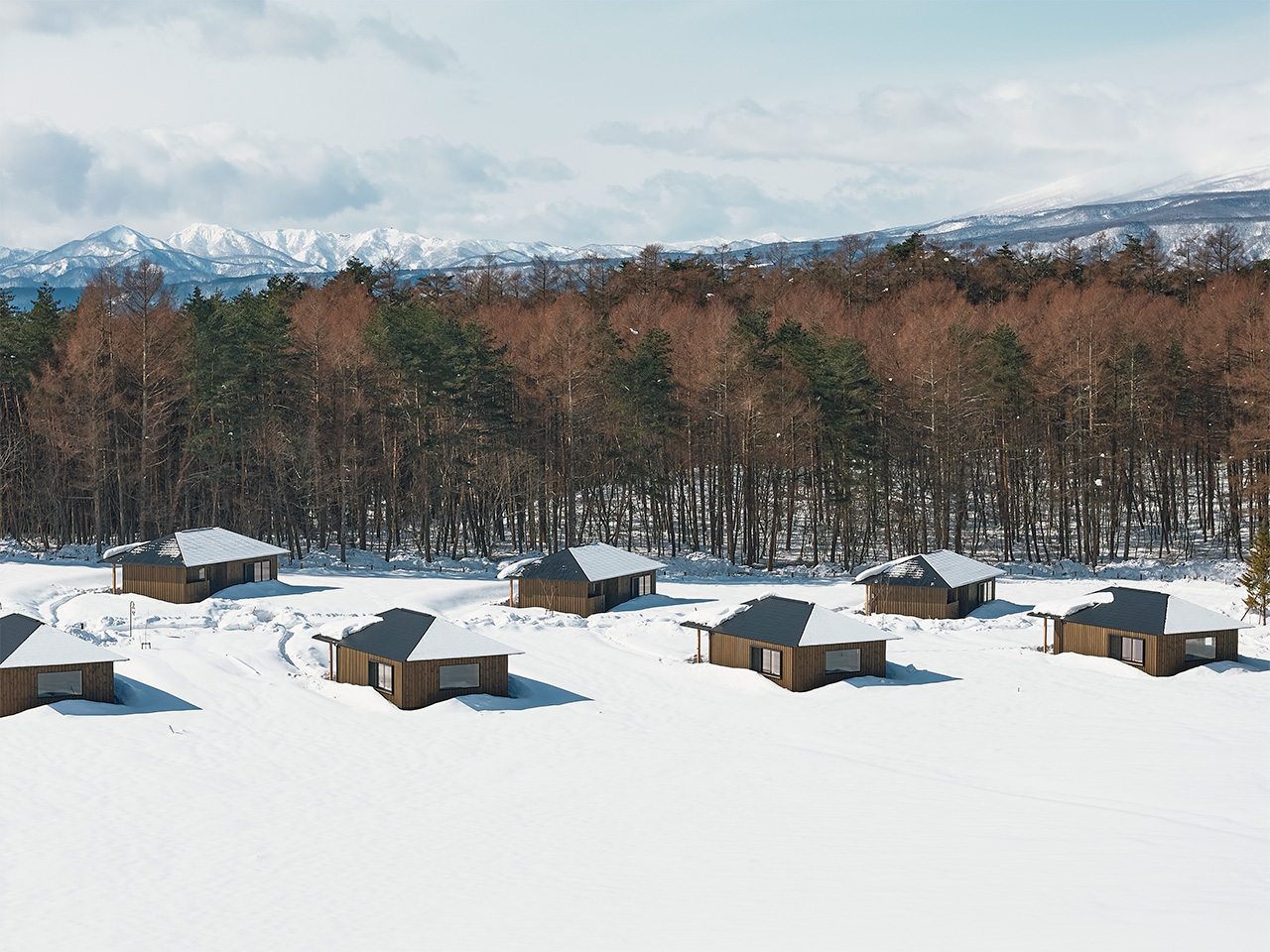
Sacred grove: Azuma Farm Koiwai

That discipline is what has made Aman Resorts so special. The original properties weren’t designed to satisfy a market segment but rather to appeal to Zecha and a small circle of people whose tastes he fully understood. A founding board member once described the goal as building a hotel for the life that they wanted for themselves. Zecha is said to have spotted the exact area where the pool would wrap around a rocky outcrop in the earliest days of the Amangiri resort in Utah. He was also patient: it took time to get the plot of land that he wanted. His stubbornness ended up yielding something profound that has stood the test of time.

Since Vladislav Doronin acquired Aman in 2014, the brand has expanded into clothing, skincare, fragrance, leather goods, private-jet itineraries and a yacht concept. It’s a competent luxury-goods platform. It is also a different enterprise from the one that made the brand’s name.

The 93-year-old Zecha opens his latest project this week in partnership with Tokyo-based hotel developers Naru Developments. The new Azuma Farm Koiwai is a Japanese joint venture that sits within the grounds of Koiwai Farm in Iwate prefecture. The 3,000-hectare estate was founded more than 130 years ago on what was once barren volcanic land at the foot of Mount Iwate. Generations of careful stewardship have turned it into productive pasture and lush forest. The resort occupies an eight-hectare grove within it, with 24 rooms designed by Shiro Miura of Rokkaku-ya in Kyoto, built with red pine and cypress felled from the property. Miura works in a contemporary interpretation of sukiya style: intricate wooden interiors calibrated to the landscape, rather than merely imposed upon it. Three sauna pavilions sit among the trees – wood-fired, with cold baths and daybeds facing the forest. The food is farm to table; also on offer are horse riding and long walks amid a working agricultural landscape.

The project is a collaboration with East Japan Railway Company, which gives it a practical elegance: guests take a two-hour Shinkansen journey from Tokyo to Morioka, then transfer by shuttle. There’s no private airstrip, no helipad – just a train and a farm.

It’s the same philosophy that Zecha brought to Phuket nearly 40 years ago: to go somewhere, notice what’s already there, then build the minimum structure required for others to notice it too. His reporter’s eye is still working.

Colin Nagy is a Los Angeles-based journalist and regular Monocle contributor. For more opinion, analysis and insight, subscribe to Monocle today.


 

Timeless style

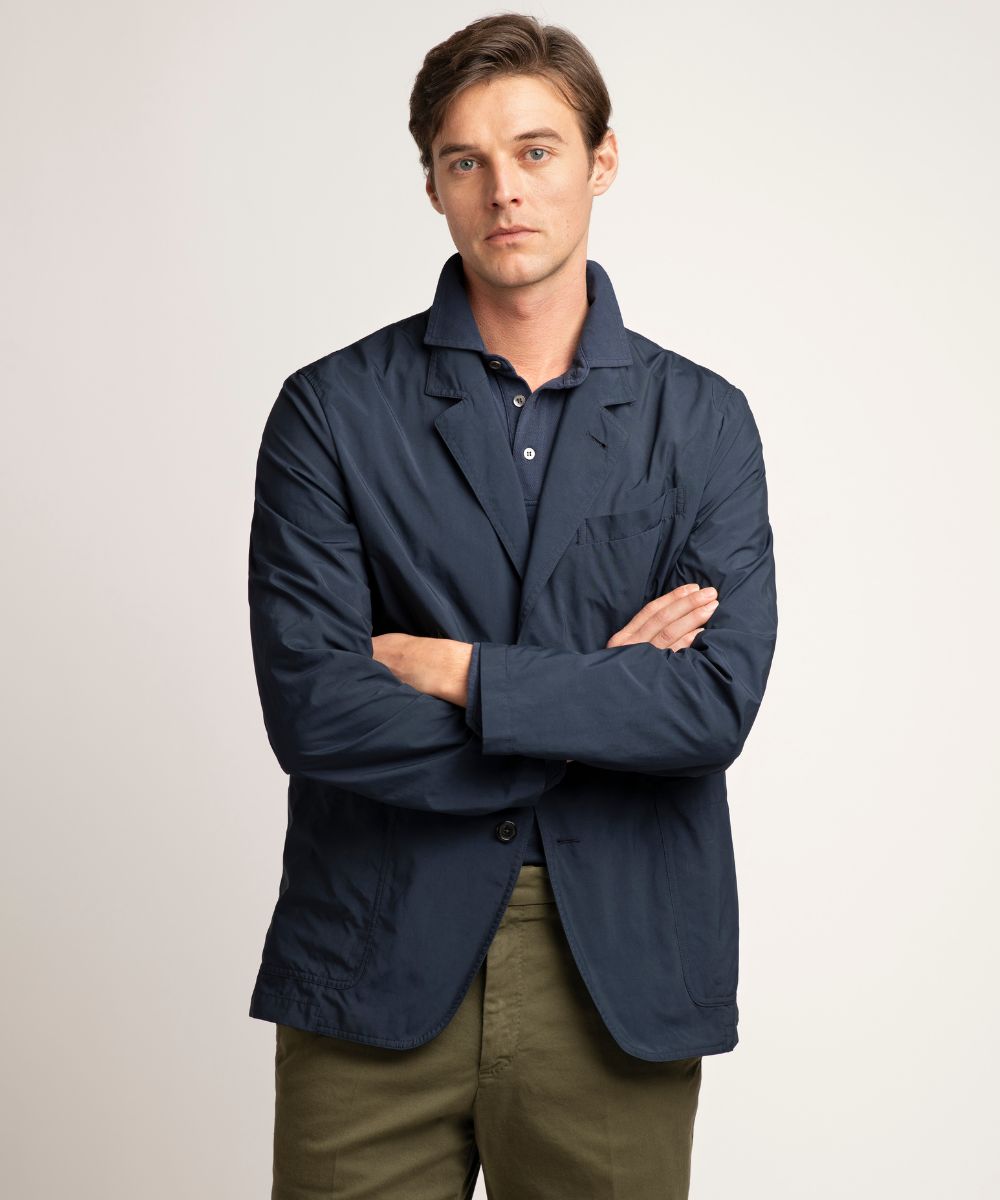
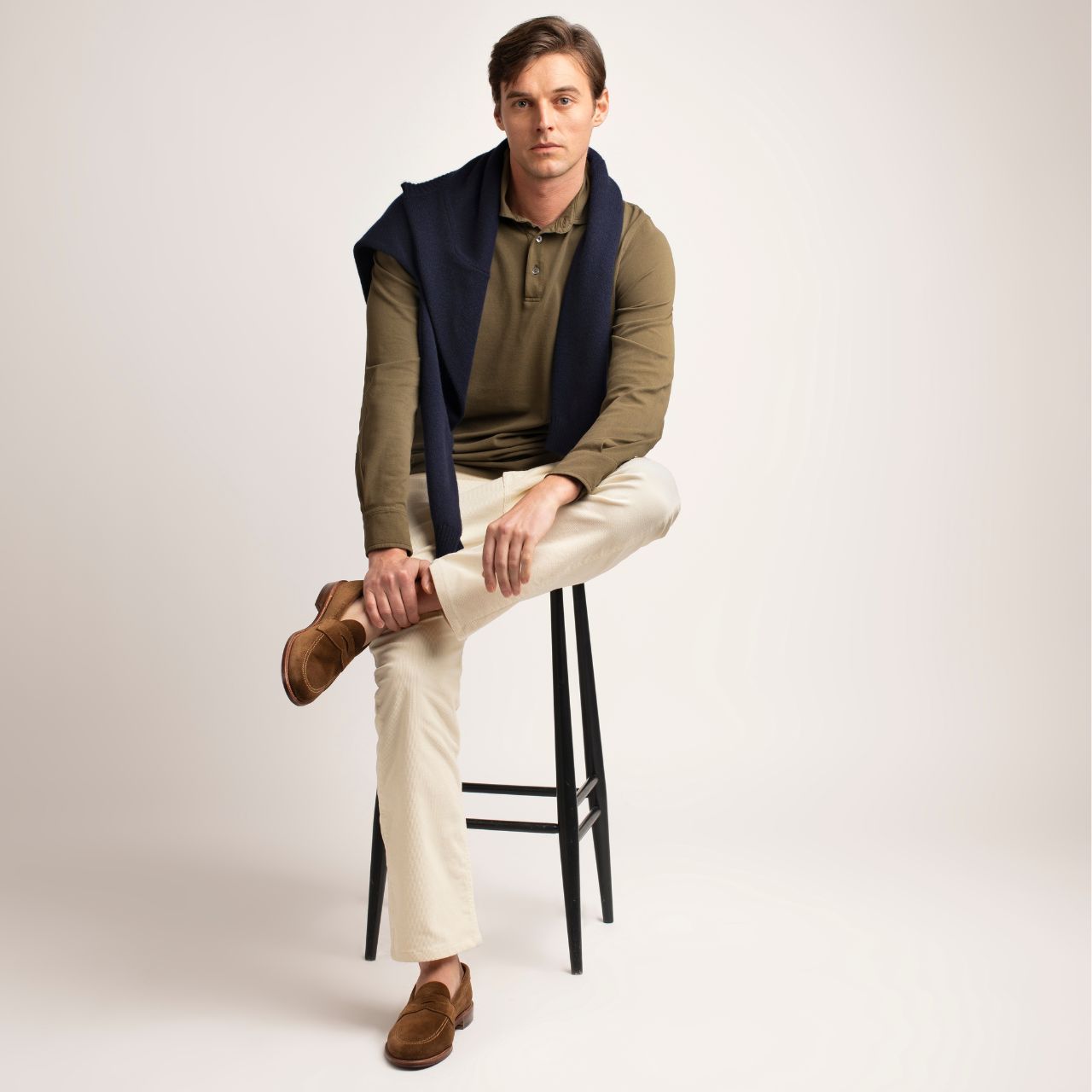
Discover a contemporary, worldly take on classic style at Trunk Clothiers. From sharp tailoring to effortless everyday pieces, Trunk curates a thoughtful selection of quality clothing and accessories from across the globe.

Discover more

Sponsored by Trunk Clothiers


THE BRIEFINGS

design: Milan

Three unmissable exhibitions to catch during Milan Design Week

With some 300 events taking place over Milan Design Week, it can be hard to know which exhibitions, installations or showcases are worth your time (writes Grace Charlton). We’ve combed through the schedule and picked three must-visits.

1. Fredericia at the Triennale Milano
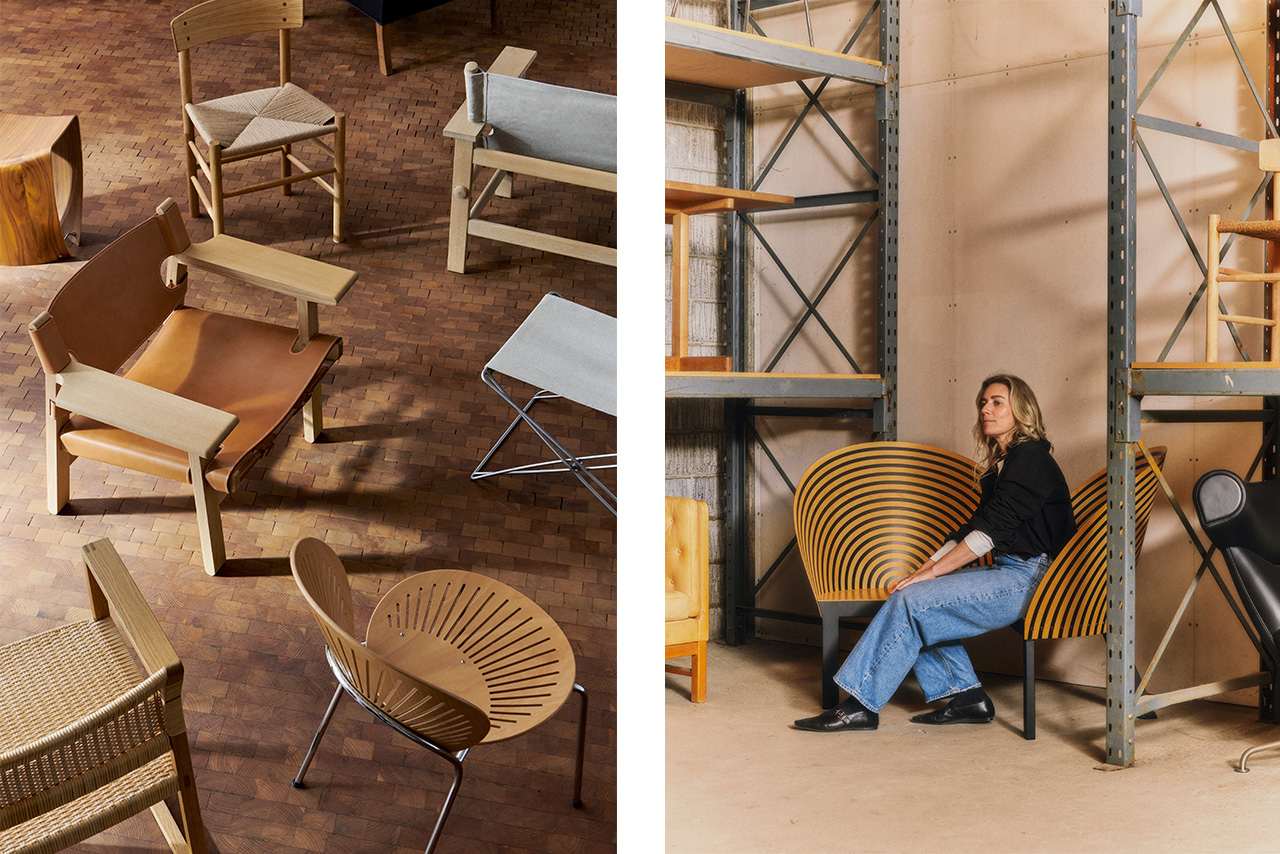
While Milan is arguably the design capital of the world (at least for one week in April), Copenhagen is hot on the Italian city’s heels. But rather than compete, why not join forces? This year, the Triennale Milano is hosting an exhibition that honours the legacy of one of Denmark’s leading design firms. Titled Fredericia: A Chronicle of Danish Design, the exhibition traces the family-owned company’s role in shaping Danish modernism, from early works by Hans J Wegner and Nanna Ditzel to more contemporary additions from Cecilie Manz and Jasper Morrison. 
‘Fredericia: A Chronicle of Danish Design’ is on show at the Triennale Milano until 26 April.

2. Vico Magistretti 
The influence of Japan on the life and work of Vico Magistretti is the focus of a new retrospective. Held at the foundation dedicated to the Milanese architect and designer, the exhibition gathers more than 20 projects, which are reframed through different aspects of Japanese aesthetic thought. 
‘Vico Magistretti and Japan’ is on at the Vico Magistretti Foundation until 25 February.

3. Jorge Zalszupin: Warsaw São Paulo Milan
The Visteria Foundation, a Polish institution dedicated to the international promotion of the country’s craft and design, brings a showcase of works by Jorge Zalszupin to Milan’s Torre Velasca. The story of Zalszupin’s journey from Poland to Brazil and his subsequent contributions to the country’s modernist movement is told through a selection of his pieces.
‘Jorge Zalszupin: Warsaw São Paulo Milan’ is on display at the Torre Velasca until 26 April.

For more things to see and do during Milan Design Week, click here.


• • • • • DAILY TREAT • • • • •

A taste of old Milan: Antica Trattoria della Pesa

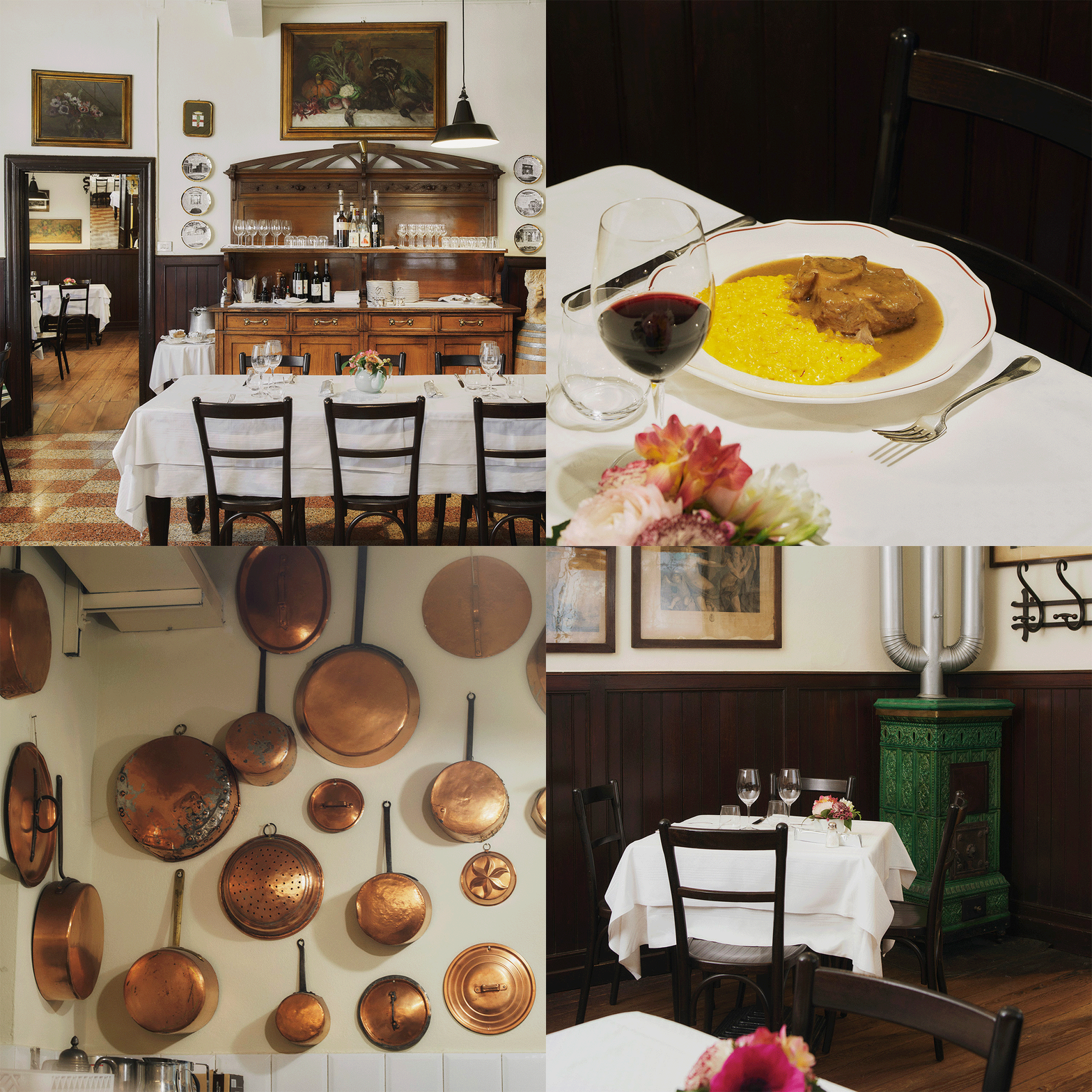
With almost 150 years of history, Antica Trattoria della Pesa – which has been in the hands of the Sassi family since 1992 – has long been a Milanese staple. Its stone floors and stufe in maiolica (stoves covered in ceramic tiles) have been studiously maintained and the menu offers a bounty of meat-heavy Lombard classics, from breaded veal cutlets to ossobuco.

“We try to keep the style of old Milan,” says Francisca Sassi, who took over the restaurant from her parents. Fun fact: Hồ Chí Minh once worked in the kitchen. 
anticatrattoriadellapesa.com


Sponsored by Trunk Clothiers


beyond the headlines

the LIST: FROM monocle.com

Stories you might have missed

Not been on monocle.com recently? Here are three updates worth your while.

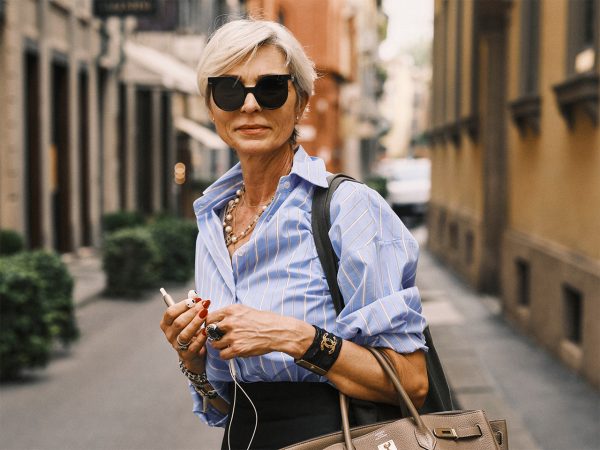
A photographic tribute to Milan’s sciure: Icons of style, power, and cultural legacy


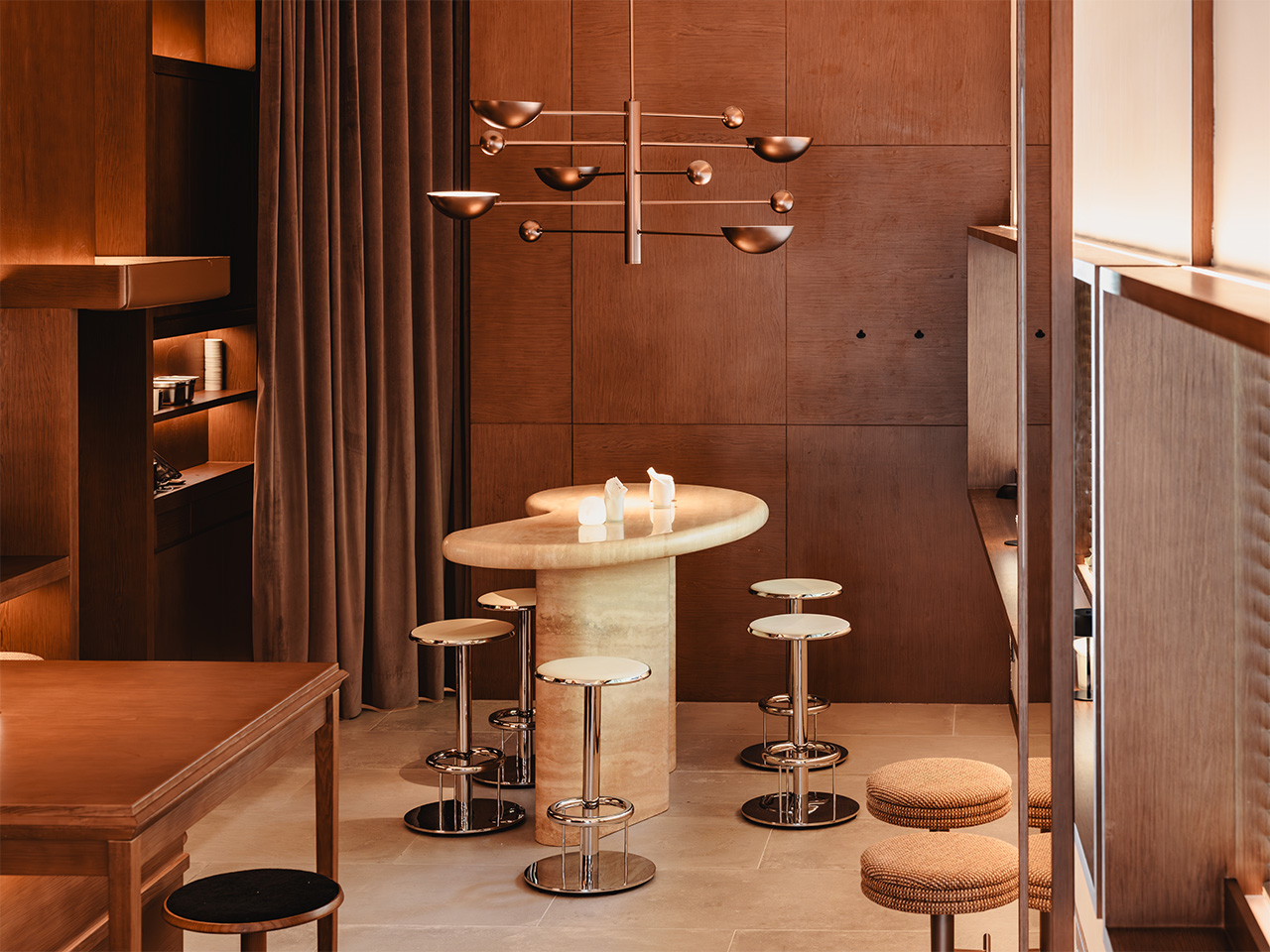
Five tables to book this spring – from Paris’s latest Korean opening to a late-night cocktail spot in Hong Kong


AI hasn’t created a new problem for publishing – it has simply clarified an old one


Monocle Radio: The urbanist

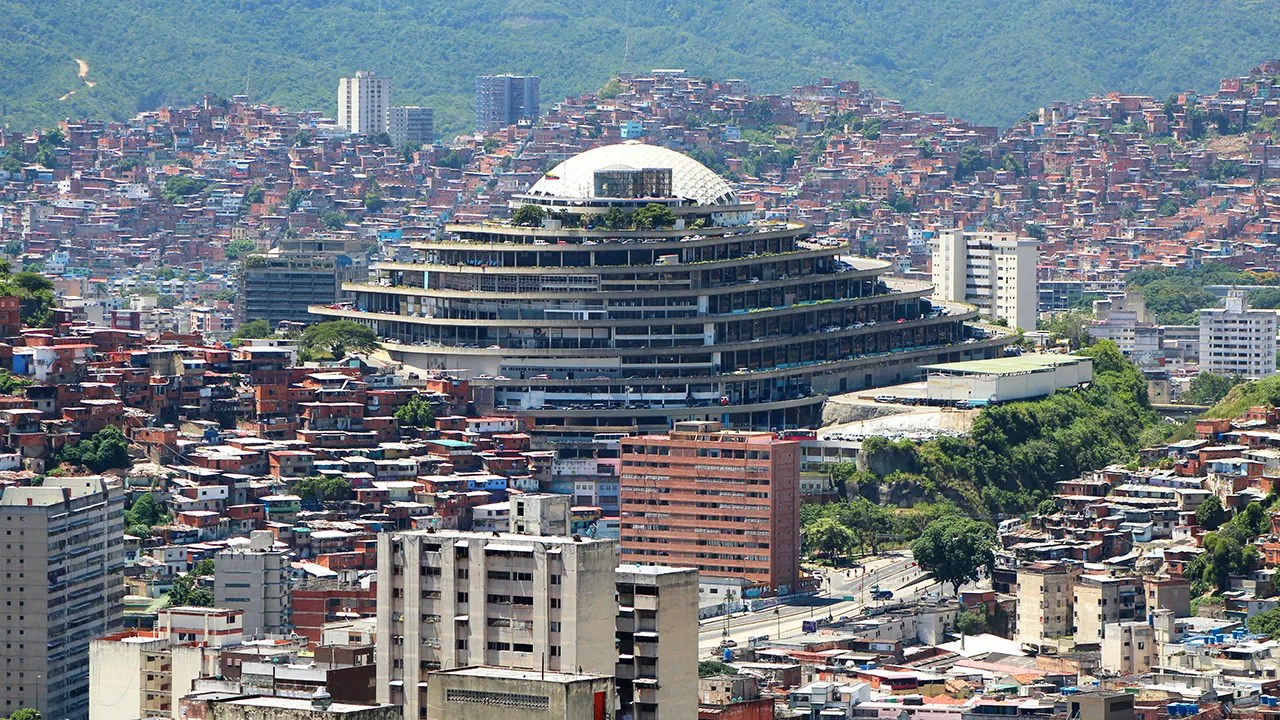
Tall Stories: Caracas’s El Helicoide – from mall to political prison to rebirth

Camille Rodríguez Montilla investigates the dark history and hopeful future of Caracas’s mall-turned-political-prison – El Helicoide.


Listen to the episode on monocle.com
Listen on Apple Podcasts