Image

Daily News Brief

April 20, 2026

Welcome to CFR’s Daily News Brief. Today we’re covering Middle East tensions following the U.S. seizure of an Iranian cargo ship, as well as...

  • Bulgaria’s parliamentary election
  • Refunds for U.S. tariffs deemed illegal
  • Japan joining U.S.-Philippines military drills


Top of the Agenda

Iran threatened to retaliate today after the U.S. seized an Iranian cargo ship yesterday, raising new uncertainty over whether peace talks would move forward. The seizure capped a weekend of tension in the Strait of Hormuz: Iran said Saturday it was once again closing the waterway—and fired on ships attempting to pass—due to the continued U.S. blockade of Iran’s coastline. U.S. President Donald Trump announced on social media yesterday that he was sending envoys to Pakistan for further peace talks. He renewed threats to attack Iranian civilian infrastructure if negotiations failed, even as Tehran cast doubt on whether it would participate.


The latest in the strait. The weekend of escalation followed a Friday announcement from Iran’s foreign minister that Iran would open the strait to commercial vessels—a promise it reneged on after Trump refused to lift the U.S. blockade. Iranian gunfire hit French and British ships, Trump wrote yesterday. Hours later, U.S. Central Command said its forces had boarded and seized an Iranian cargo ship in the Arabian Sea that was headed toward an Iranian port, the first such U.S. seizure of the blockade. Iran’s semi-official Tasnim News reported yesterday that Iran had responded by launching drone attacks on U.S. ships in the Gulf of Oman.


The latest on diplomacy. Iranian Foreign Ministry spokesperson Esmail Baghaei said today Tehran had made “no plans” yet to participate in an additional round of peace talks. Still, Pakistan has moved forward with logistical plans for a meeting this week, creating security checkpoints throughout Islamabad. Unnamed U.S. officials told Axios over the weekend that Washington was considering a deal that would unfreeze sanctioned Iranian assets in exchange for Iran’s handing over its enriched uranium stockpile. Baghaei denied today that Iran was considering such a deal. Trump told Fox News on Sunday that this week’s talks were the last chance for Iran to agree to an agreement, warning if none is reached the entirety of Iran would be “blown up.” A two-week ceasefire is set to end Tuesday at 8:00 p.m. ET.     


“While combat operations have largely ceased, uncertainty still reigns. The true economic impact of this war will not be determined by the damage caused so far, but rather how long the ceasefire lasts, the degree to which traffic in the Strait of Hormuz returns to pre-war levels, and the prospects for a durable peace in the region.”

—CFR President Michael Froman, The World This Week


The Hormuz Shock

The Spillover podcast

While the United States is not experiencing the same natural gas price shock that is hitting other countries, the Iran war is affecting consumer confidence and putting the Federal Reserve in a tough position, the Bretton Woods Committee’s William C. Dudley said on this episode of The Spillover.

Listen


Across the Globe

Bulgaria’s election. Former President Rumen Radev’s Progressive Bulgaria party won a majority in yesterday’s parliamentary election. Radev campaigned on an anti-corruption platform and has promoted more positive relations with Russia, criticizing Bulgaria’s security agreement with Ukraine despite staffing his party with pro-European technocrats. It was the country’s eighth election in five years.


Japan joins U.S.-Philippines drills. Japan is sending troops to annual military exercises organized by the United States and the Philippines for the first time starting today. The move follows earlier Japan-Philippines cooperation agreements. More than a dozen other partner countries are also participating in the exercises, which run through May 8.


U.S. talks with Cuba. A U.S. State Department delegation traveled to Havana last week to meet with Cuban officials about policy changes Washington is seeking from Cuba, unnamed officials told Axios. Those demands reportedly include the release of political prisoners, compensation for U.S. assets confiscated after Cuba’s 1959 revolution, and political reforms, including fair elections. Washington continues to restrict fuel shipments to Cuba, while Brazil, Mexico, and Spain pledged on Saturday to send more aid amid widespread shortages on the island.


North Korean missile tests. North Korea test-fired multiple short-range ballistic missiles yesterday, the U.S., Japanese, and South Korean militaries said. North Korean state media reported the latest test included cluster bombs. Last week, the UN nuclear watchdog said there appeared to be a “very serious increase” in Pyongyang’s nuclear production capabilities.


Shooting in Kyiv. A mass shooting and hostage incident in Kyiv on Saturday is being investigated as terrorism, Ukraine’s attorney general said. At least seven people were killed and more than a dozen others wounded. The shooter opened fire on the street before entering a supermarket and taking hostages. He was killed at the scene. 


Nigeria-Turkey defense deal. Two hundred members of Nigeria’s special forces will travel to Turkey for training as part of a new defense agreement between the countries, Nigeria’s defense minister said Saturday. He added the countries would jointly produce some “military hardware” together, without providing further details. Nigeria has cooperated with multiple countries, including the United States, to combat a long-running extremist insurgency.


Tariff refunds begin. A U.S. government portal for importers seeking refunds for tariffs deemed illegal by the Supreme Court goes live today. U.S. Customs and Border Protection, which is administering the site, said that if a claim is approved, refunds will be issued in sixty to ninety days. The Supreme Court’s February ruling applied to tariffs Trump imposed under the International Emergency Economic Powers Act. 


Talks on DRC humanitarian access. The Democratic Republic of Congo (DRC) and the rebel alliance it has been fighting agreed last week in Switzerland to facilitate the movement of humanitarian assets and refrain from harming civilians, the U.S. State Department said. The United States, the African Union, Qatar, and Switzerland mediated the talks in a bid to advance a peace framework signed in November. 


Americans Actually Support U.S. Global Leadership

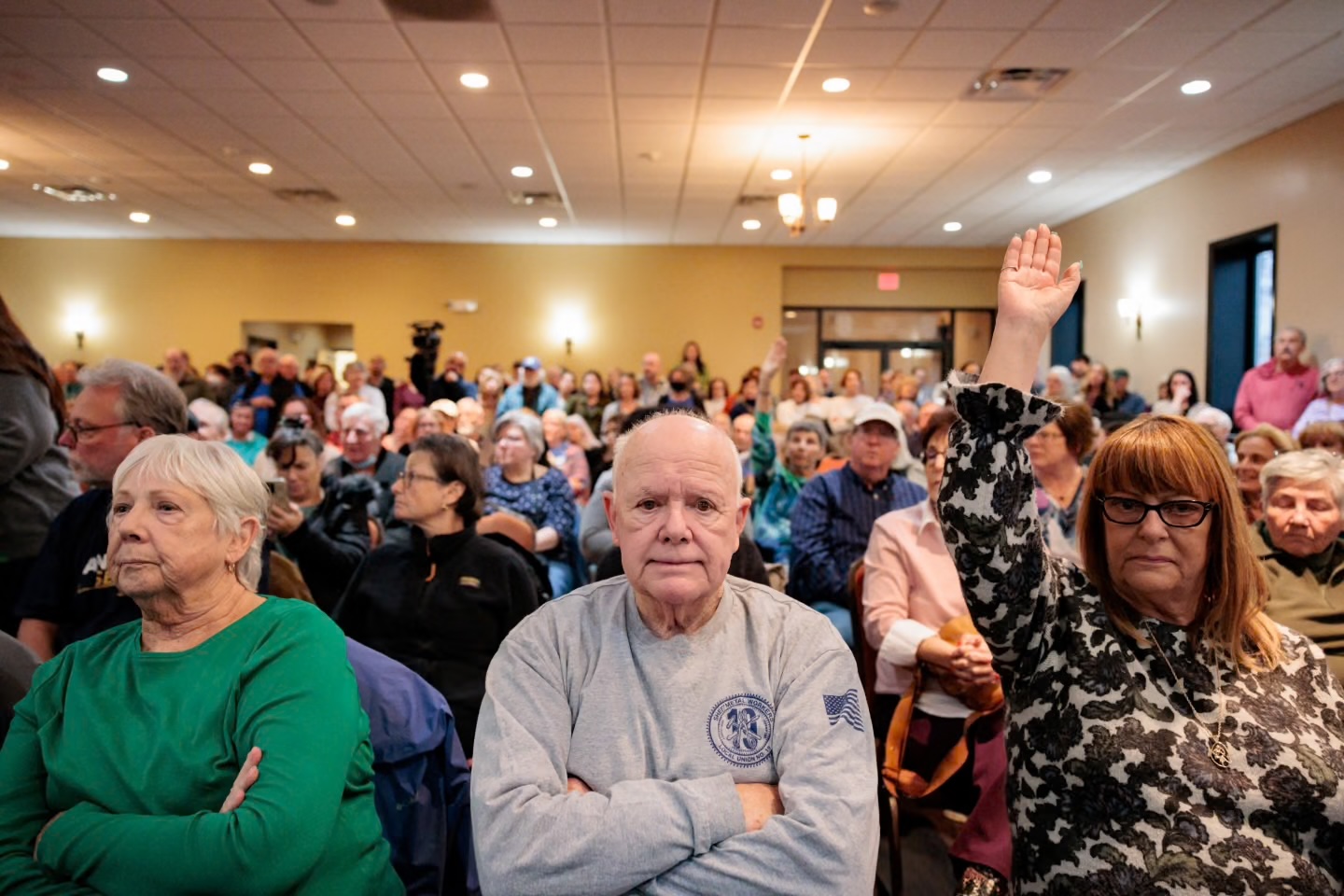
People attend a town hall meeting for constituents held by Democratic U.S. Senator Andy Kim at Teamsters Local 331 Hall in Egg Harbor City, New Jersey, U.S. March 20, 2025.

Hannah Beier/Reuters

Most Americans still want the United States to lead globally—they just want to know what’s in it for them, Senior Fellow Rebecca Lissner writes in this Expert Take.


What’s Next

  • Today, Brazilian President Luiz Inácio Lula da Silva visits Germany.
  • Today, South Korean President Lee Jae-myung visits India.
  • Tomorrow, candidates for the next UN Secretary-General begin presenting their agendas for the institution in New York.


How to Stop Food Weaponization

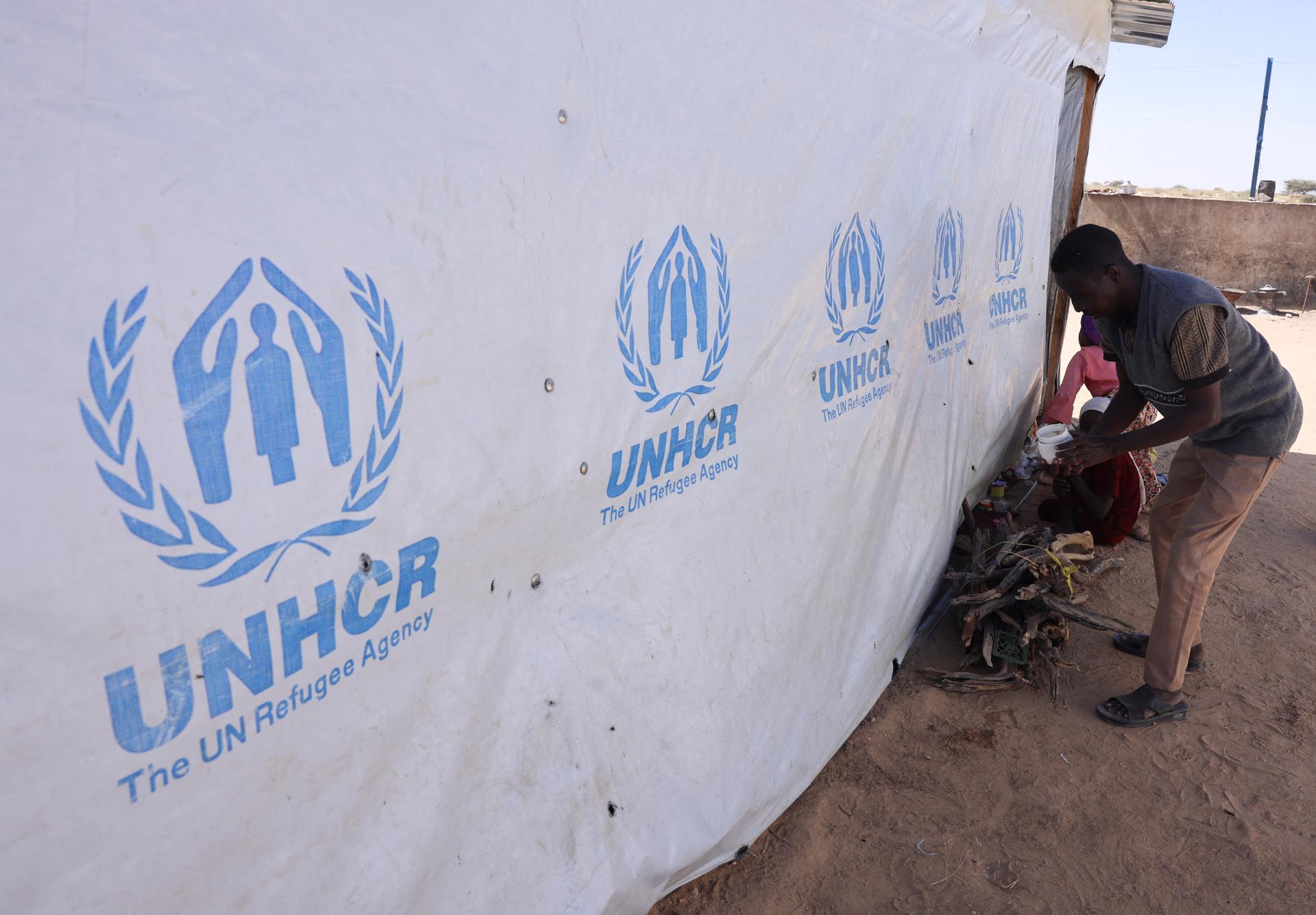
A Sudanese refugee inside the Tine transit camp in eastern Chad, November 22, 2025.

Amr Abdallah Dalsh/Reuters

Experts recommended accountability, open-source data monitoring, proactive intervention, and support for community-led responses in this CFR YouTube Short.


Council on Foreign Relations

58 East 68th Street, New York, NY 10065

1777 F Street, NW, Washington, DC 20006

Was this forwarded to you? Subscribe to the Daily News Brief