
| Forwarded this email? Subscribe for more |



 |
| By The Free Press |
It’s Tuesday, April 28. This is The Front Page, your daily window into the world of The Free Press—and our take on the world at large. Today: Arthur Brooks on why universities have a conformity crisis. The Ivy League president who bucked the trend and held the line. Was a sub–two-hour marathon inevitable? The philosophical case for getting drunk. And much more.
But first: The shooter in D.C.—and our fraying social contract.
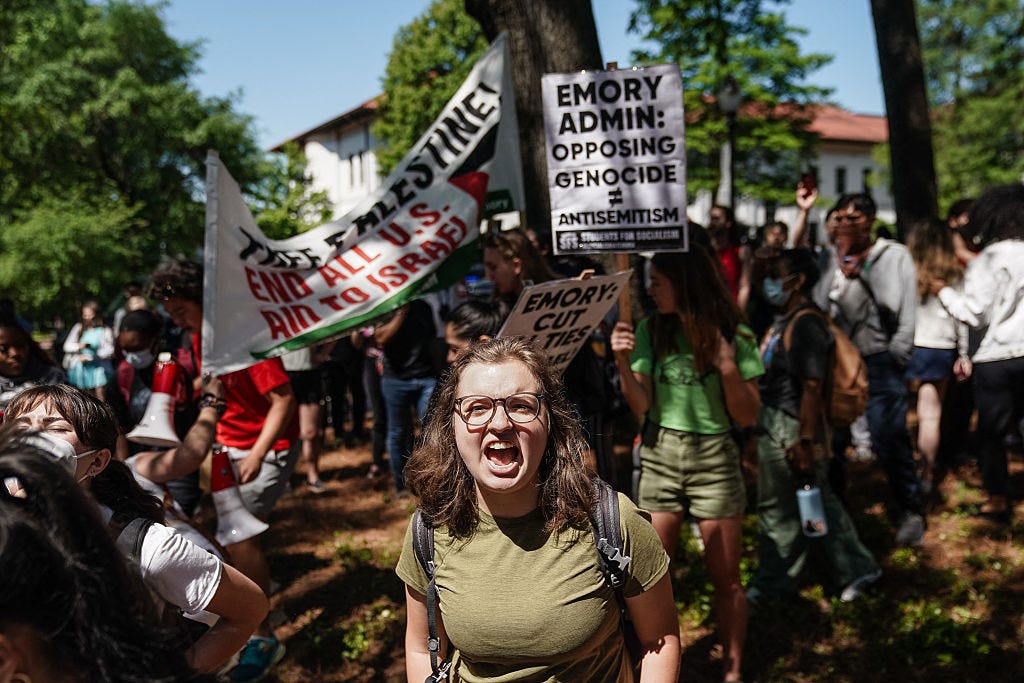
Cole Allen, the alleged shooter at Saturday night’s White House Correspondents’ Dinner, is the only person responsible for his actions in the Washington Hilton. But it is impossible not to see the thwarted attack in the context of our increasingly upside-down culture, one in which political speech is derided as violence and political violence is tolerated, excused, and even celebrated.
If that sounds hyperbolic to you, we suggest sitting in on a seminar at any number of Ivy League schools with the words anti-colonial or indigeneity in the course title. Or just head down to Washington Square Park and ask the New York University students and twentysomethings if they think murder is ever an appropriate political tool.
Our Tanya Lukyanova did just that yesterday. Watch for yourself:
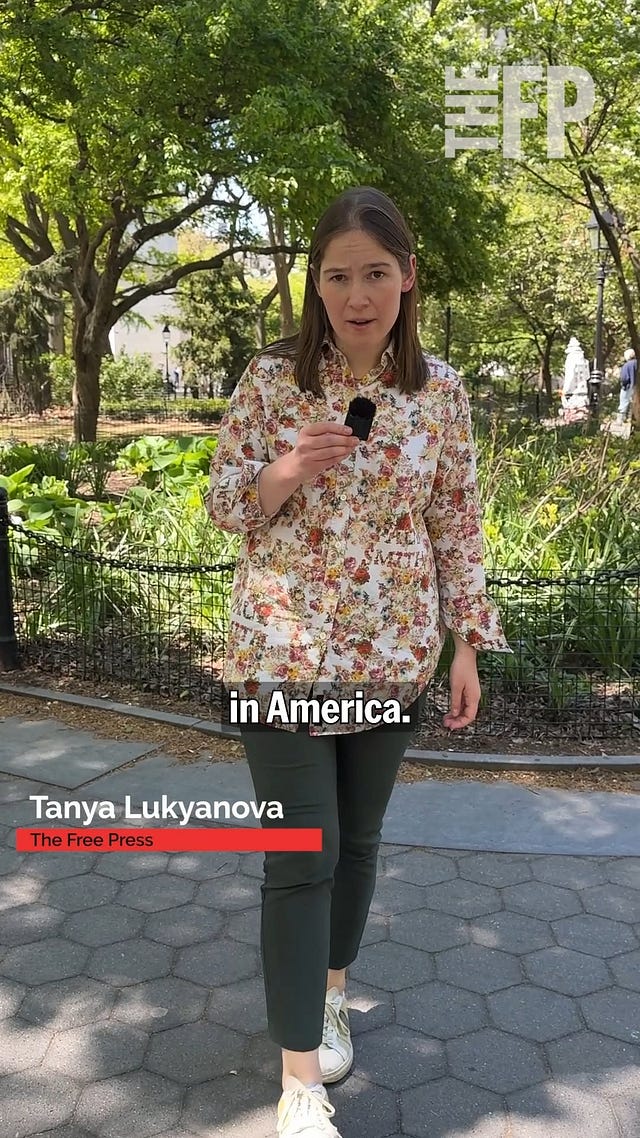
In our latest editorial, we dive into the culture that creates permission for political violence, and why it is incumbent on all of us to restore the guardrails upon which free speech and American democracy depend.
Douglas Murray was at the White House Correspondents’ Dinner on Saturday night. He joins Aaron MacLean for the latest episode of the School of War podcast to discuss the events of that night and the dangerous moment we find ourselves in. You can watch their conversation below:
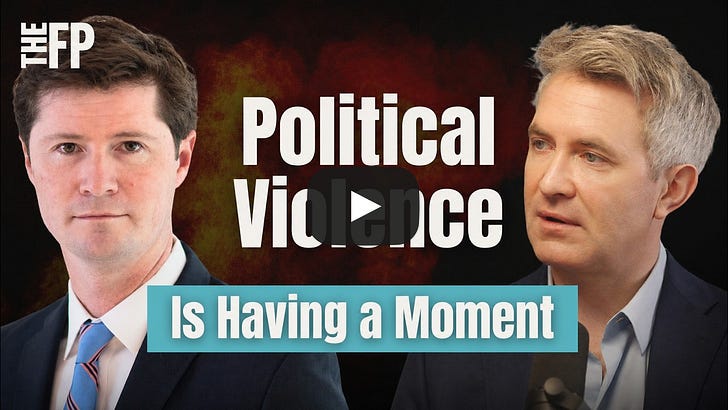
You can also read Douglas’s view in the below text, adapted from the episode. He covers the scene in the ballroom, why excuse-making for political violence is so evil, and why the suspect’s manifesto sounds so familiar:
One group of people whose job has been made immeasurably harder by the growing threat of political violence is the Secret Service. Former agent Bill Gabe talks to Tanner Nau about what went right and what went wrong on Saturday night, and how the Secret Service is handling the job of protecting the “most threatened president in U.S. history.”
—The Editors
 |
How to Fix the Ivy League
 |
Better late than never, the toniest institutions in higher education are coming around to the realization that “echo chambers do not produce the best teaching, research, or scholarship,” as a Yale University report put it earlier this month. Today, we have two looks at the Ivies’ about-face.
First, Arthur Brooks reflects on Yale’s admission about campus groupthink (what took so long?), the evolutionary biology behind the human impulse to conform, and how the ideological straitjacket on academia was put on in the first place.
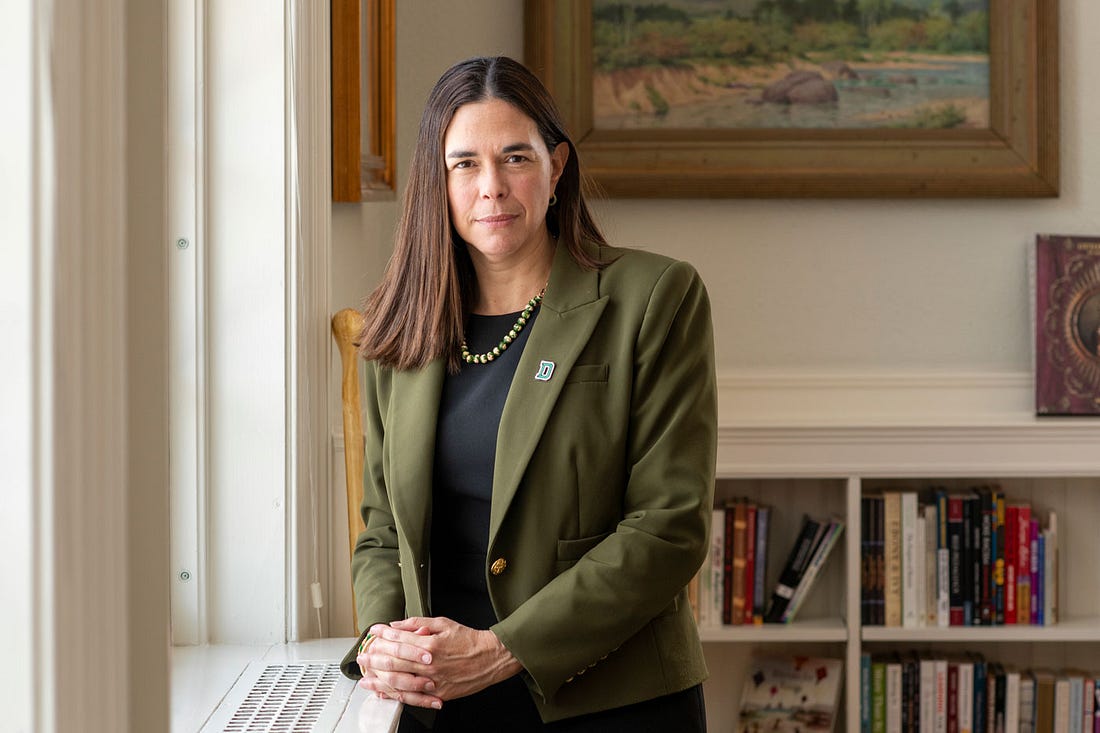
Second, Jonas Du heads to Dartmouth College, which has set itself apart from other elite schools under president Sian Beilock. Dartmouth took a very different approach to the post–October 7 campus disorder, and is the only college in the Ivy League not to be investigated by the Trump administration for allegations of campus antisemitism.
Beilock quickly had protesters arrested, defied faculty, and now says American universities lost their way. Today, she talks to Jonas about why she thinks schools have a choice: Fix themselves, or “someone else will try and do it for us.”
 |
The Case for Drinking Alcohol | |||||||
 | |||||||
|