Get expert insight into the technologies and trends shaping the global automotive industry on Reuters.com. Subscribe for $1/week. Subscribe now.
|
|
|
|
Greetings from London! I got home last night after a long journey from Wuhu, and I am still abuzz from all the things I saw on a two-week trip that took in visits to several carmakers.
Among the highlights was the Zeekr 8X, a full-size SUV with a cool self-driving feature if your car is hemmed in by other vehicles in a parking garage – just wave at it and it pulls out for you to get in easily. The 8X also tilts upwards just before being struck in a side collision so the incoming vehicle hits the door and passengers are better protected. And in Chongqing I saw Changan’s Nevo E07 – it looks a bit like the Cybertruck if the Cybertruck were an attractive vehicle – which can move sideways into parking spaces for those who have trouble with parallel parking.
But there was one potential future feature I am not so sure about. Chinese luxury brand Aito is evaluating whether to add a patented odourless in-car toilet beneath a seat. Which brings us to today’s Auto File… |
|
|
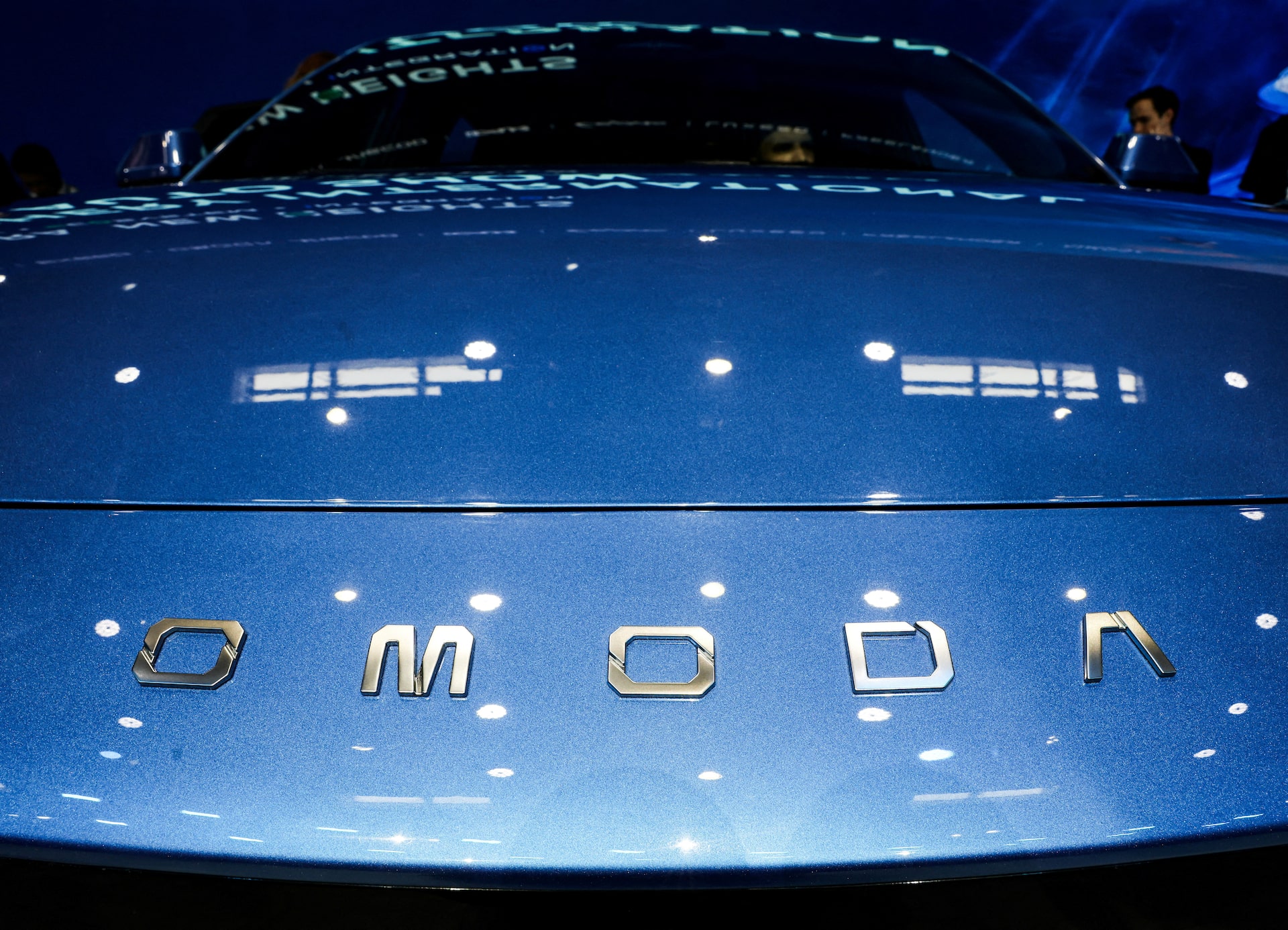
With brands like Omoda, Chery is chasing Toyota and Tesla - REUTERS/Maxim Shemetov. |
Chery’s “Double T” strategy |
China’s Chery has a remarkable story. It produced its first car less than 30 years ago in 1999 and sold 2.8 million globally last year.
BYD's sales have grown faster, but Chery’s have quadrupled since 2020 and in March its Jaecoo 7 was Britain’s top-selling car. In a sit-down interview with Reuters at its HQ in Wuhu, Chair Yin Tongyue says that for its next phase Chery wants to emulate the quality of Toyota and the innovation of Tesla.
Yin says Chery calls it the “Double T” strategy. Chasing Toyota, the world’s No. 1 automaker, and Tesla, until recently the world’s No. 1 EV, speaks volumes about the likes of Chery and BYD as they target growth overseas. |
|
|
|
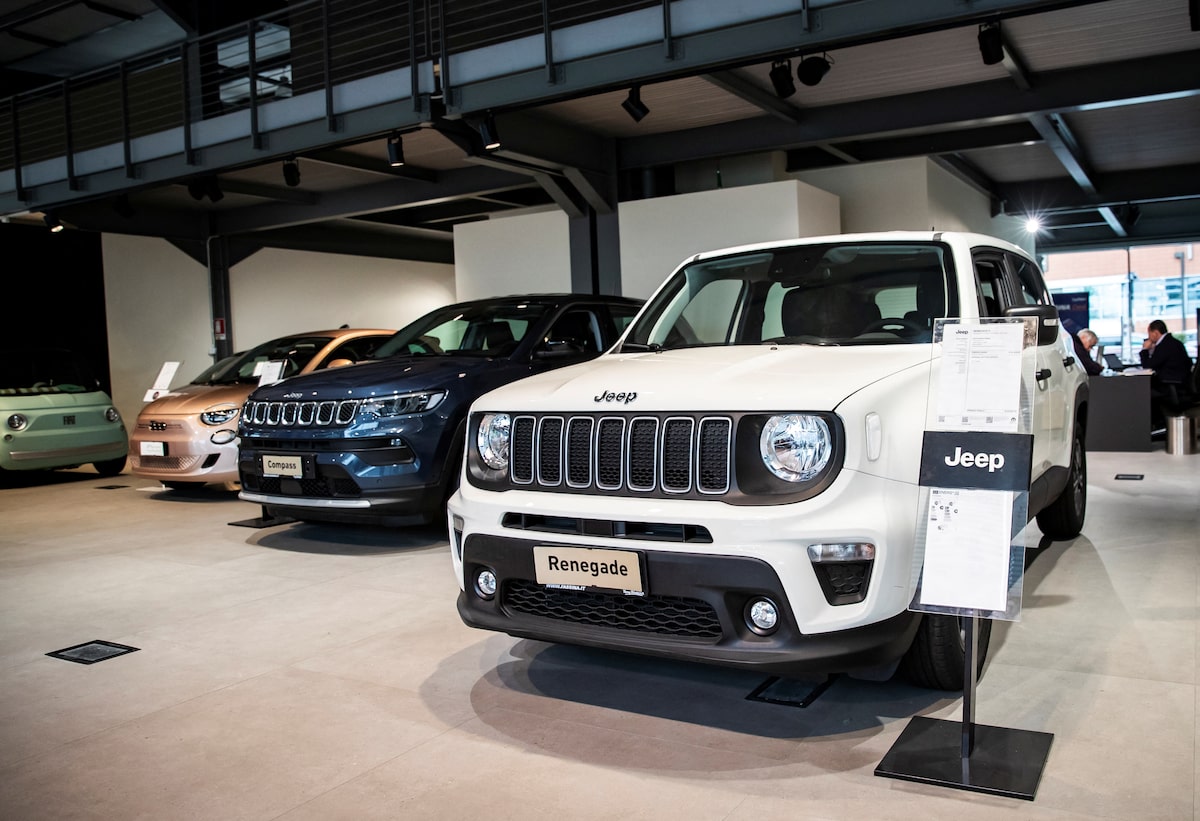
Stellantis will focus on core brands like Jeep - REUTERS/Alessandro Garofalo. |
Stellantis’ portfolio overhaul |
Ever since Stellantis’ North American and European sales hit the skids in 2024 under former CEO Carlos Tavares, it has been under pressure to shrink its sprawling portfolio.
But as Reuters reporters Giulio Piovaccari, Nora Eckert and Gilles Guillaume report, sources say Antonio Filosa, who took over as CEO last summer, aims instead to keep all of its 14 brands alive while focusing most of its investments on just four - Jeep, Ram, Peugeot and Fiat. You can read all about it here. Stellantis was reluctant to shutter non-core brands like Citroen and Opel because they are still popular in some markets – so axing them would cost it sales. Under this new strategic shift, non-core brands will get some funding to take technology from the main brands and add their own designs. In effect, it gives them a stay of execution to prove whether they are worth keeping. |
|
|
|
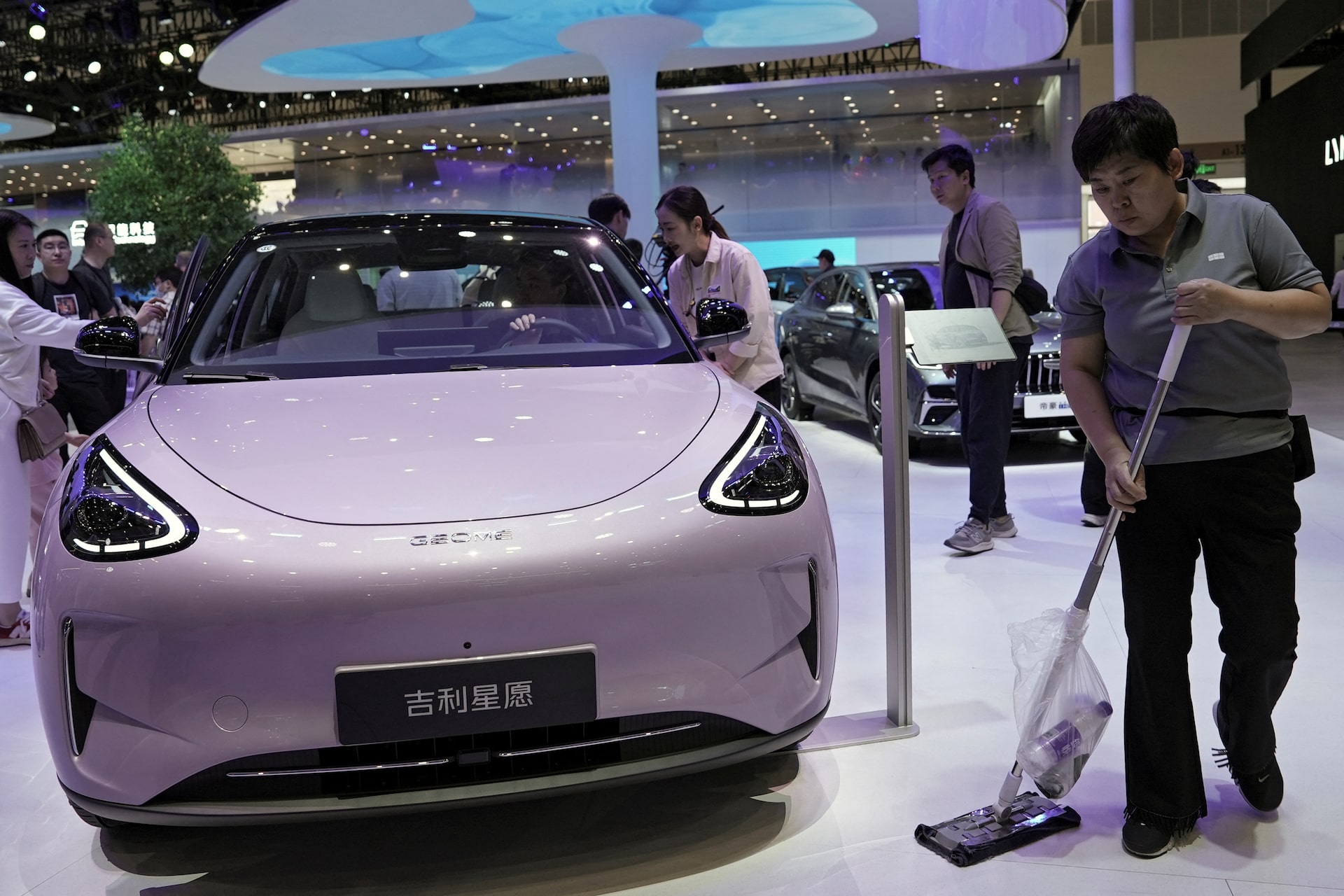
The Geely EX2, yours for $10,060 - REUTERS/Xiaoyu Yin. |
Five Chinese EVs for one U.S. model |
Once again, one of the stunning things that stood out at this year's auto show in Beijing is how much car you can get for so little money. This reflects how hypercompetition in China has driven new car prices in the world's largest car market to a fraction of the level of the next-largest, the U.S.
Reuters colleagues Qiaoyi Li and David Dolan took a look at the five top-selling models in China, which all sell for under $12,000 – and what is truly remarkable is that for about the price of an average new car in the U.S. a consumer in China could buy all five of these EVs. And they are stuffed with cool features.
You can read all about it here. Of course, China is working to export more of that innovative vehicle technology - a strategy that reflects both its global ambition and tough economic realities.
The multi-year EV price war has left the country with a surplus of vehicles and foreign markets offer the promise of higher margins and meaningful growth in sales volume. |
|
|
|
Mercedes’ rollercoaster ride |
Mercedes is expecting tough times in China as it faces cut-throat competition from cheaper, fast-moving local brands.
The German premium carmaker hopes to stay in the race with innovation and an increasingly local footprint in terms of suppliers and development, says CEO Ola Kaellenius.
But he argues Mercedes will not be drawn into a price war with Chinese carmakers, adding it could live without certain sales volumes in lower segments that make "less economic sense". Although Chinese brands have risen at the expense of western automakers, Kaellenius insists Mercedes’ heritage does still matter in a tech-driven market.
But young Chinese consumers are more willing to shop around on car brands in what he calls "a complete roller coaster market." |
|
|
|
Chinese EV maker Xpeng expects to start large-scale production of its "flying" cars next year and of its humanoid robots in the fourth quarter of 2026, President Brian Gu told Reuters.
South Korea's Kia has reduced price gaps with Chinese rivals in Europe this year, its CEO said, signalling a price war as Chinese carmakers ramp up their push into overseas markets.
Hyundai will roll out |
|
|
|
|