Habity’s bedside clock, Dries Van Noten’s Venice outpost and stories you might have missed.
Tuesday 5/5/26
The Monocle Minute
London Paris Zürich Milan Bangkok Tokyo Toronto

Sponsored by

Long Museum

Monocle

Good morning from Midori House. For more news and views, tune in to Monocle Radio. Here’s what’s coming up in today’s Monocle Minute:

THE OPINION: Why fuel shortages might be good for the aviation industry
CULTURE: Venice’s Fondazione Dries Van Noten
DAILY TREAT: Don’t be alarmed, Habity’s bedside clock is here to help
THE LIST: Stories you might have missed


The Opinion: aviation

Fuel shortages might hurt your summer travel plans but could bring advancement to the aviation industry

By Gabriel Leigh

Air travel is on course for a rocky summer. In recent weeks, Lufthansa Group axed 20,000 flights from its summer schedule, announced the retirement of its most gas-guzzling aircrafts, grounded an entire subsidiary airline and slashed spending budgets. The company cited the Iran conflict, rising jet fuel costs and labour disputes for the cuts. The question is whether this is a brief change or an acceleration towards alternatives for the sector. 

Few things sharpen the focus of executives like war. After the conflict in Iran began in late February, it took little time for the price of jet fuel to double. Fuel is a significant part of an airline’s operating expenses and large spikes in its cost can have outsized effects. Passing on those increases to passengers can lead to a drop in demand, so some major airlines have leaned on cutting services rather than significantly raising the price of tickets. According to Newsweek, more than 150,000 international flights have been cancelled from March through to June.

 
Wing and a prayer: A lack of jet fuel continues to affect the industry

The short-term effects of the conflict have placed the sector in limbo. As ceasefire talks between the US, Israel and Iran continue, airlines don’t yet know how the future price or supply of fuel will be affected. Some experts have warned of major disruptions to summer air travel, especially in Europe, which is heavily dependent on Gulf supply. Others aren’t as concerned: while speaking to reporters in London, Wizz Air CEO József Váradi said that he doesn’t expect Europe to have any issues, in part because it can simply buy more jet fuel from the US.

For now, it’s still business as usual in most places, with minor fare hikes and relatively few cancellations. In Asia, however, impacts of the shortage are being felt, with some companies tankering fuel to certain destinations. Despite this, new aircraft are still being ordered, most planes are departing and travellers continue to buy tickets.

The past few months have reminded the industry of its vulnerability. For years, airlines and manufacturers have worked towards reducing their reliance on oil but most changes have been incremental and efficiency gains have largely relied on technological improvements. Advanced engines on the latest generation of aircraft can cut fuel usage by about 15 per cent but the number still adds up across an entire fleet. It is safe to assume, however, that today’s geopolitical climate might speed the search for oil alternatives.

Electric airplanes
While electric- and hydrogen-powered concepts have been in development in recent years, progress has been slow. Most aircraft in the category are designed for short flights with few passengers. In March, however, Airbus officially greenlit plans to build a 100-seat, electric, hydrogen-powered regional airplane, which will enter service in the 2040s. Though this doesn’t provide an immediate solution, the rate of development and new entrants to the field will increase as long as fuel prices stay high.

Energy from cooking oil
Even before the conflict, the industry was beginning to incorporate sustainable aviation fuel (SAF) into operations. Made from cooking oil and municipal solid waste, the fuel reduces overall CO2 emissions up to 80 per cent; it also eliminates the sector’s reliance on oil producers. 

SAF is still more expensive than traditional jet fuel but there are a number of ongoing initiatives to lower its cost and to produce it at the scale required for the industry – and this geopolitical moment could be a tipping point. The European Commission recently announced that it will be accelerating SAF and synthetic-energy development. As the price gap between traditional and alternative jet fuel narrows, it’s likely that airline executives will begin to opt for the latter.

There will, no doubt, be more turbulent moments to come for the aviation industry. But the pinch on oil supplies will probably push airlines to create initiatives to reduce fuel burn and boost development of zero-emission aircraft. Perhaps there’s no better way to weather a storm than to go through it.
 
Gabriel Leigh is Monocle’s transport correspondent. For more opinion, analysis and insight, subscribe to Monocle today.



 

Wallace Chan: Vessels of Other Worlds

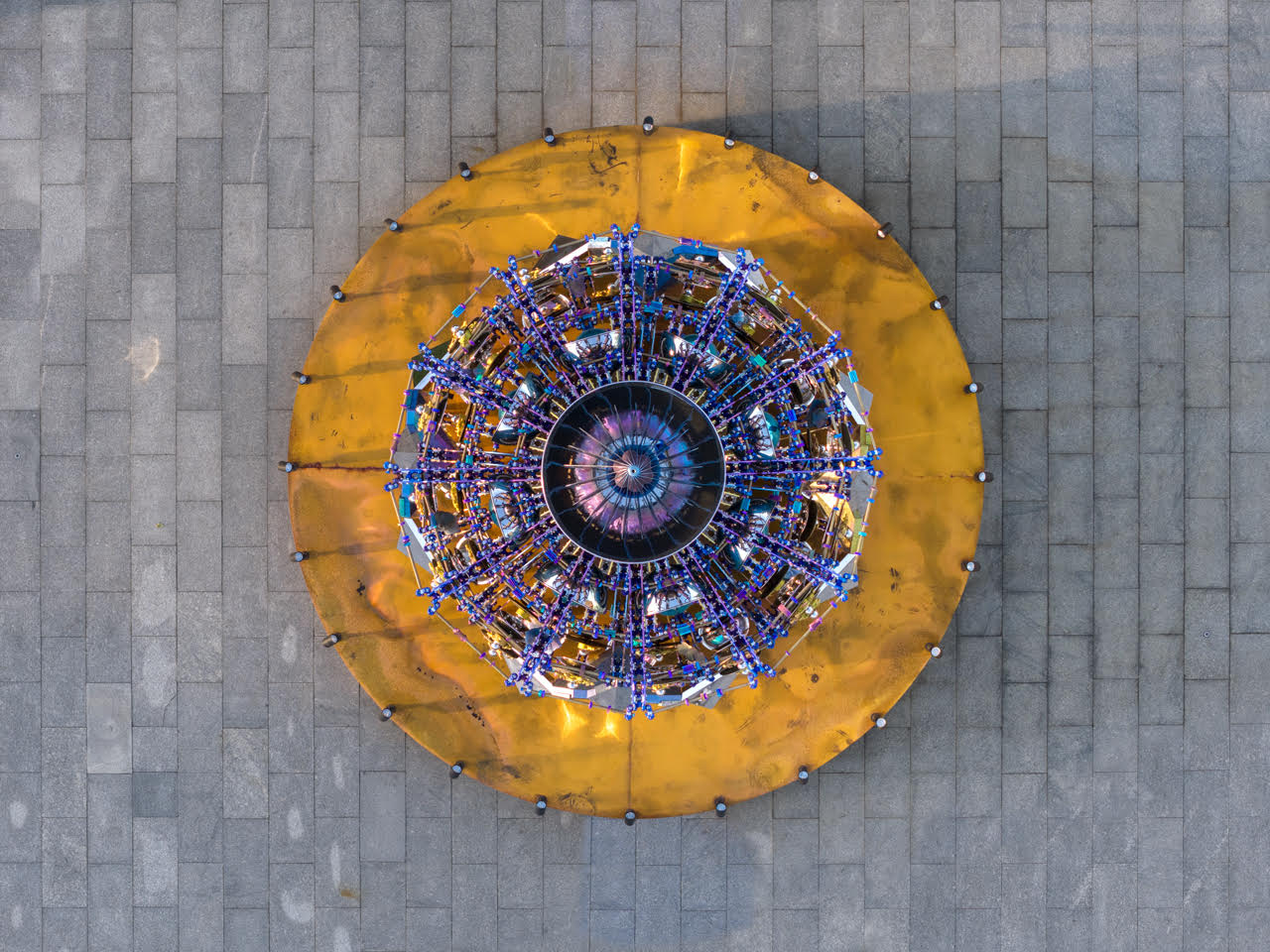
Opening during the Venice Biennale, ‘Vessels of Other Worlds’ sees Wallace Chan return to the Italian city for his fourth exhibition. Debuting at the Pietà Chapel, Venice, from 8 May to 18 October, before running concurrently at Shanghai’s Long Museum West Bund from 18 July to 25 October, this dual-site exhibition marks Chan’s 70th birthday and unveils a new body of monumental titanium sculptures.

Discover more

Sponsored by Long Museum


The Briefings

CULTURE: italy

Fondazione Dries Van Noten is Venice’s latest bastion of culture 

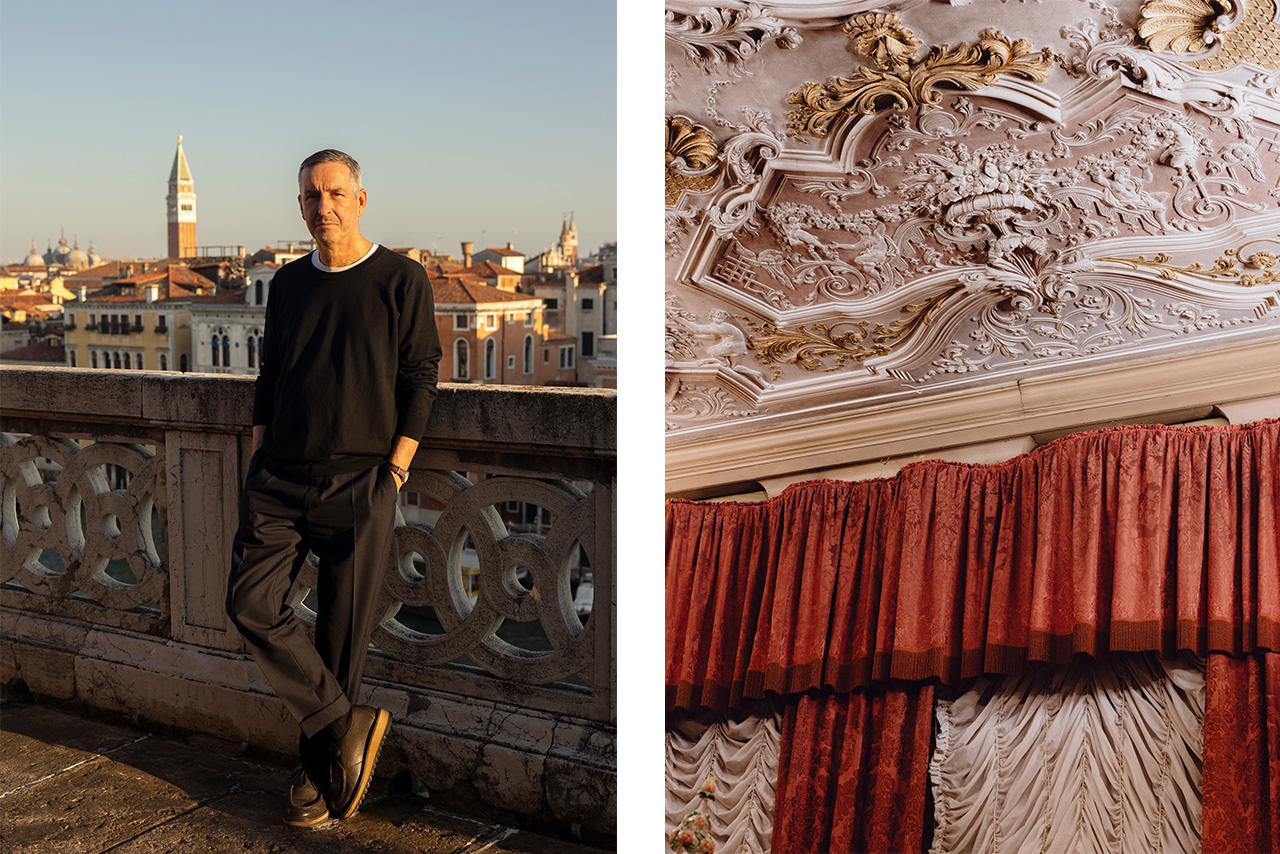
Anyone wondering what Dries Van Noten has turned his hand to since stepping down as creative director of his namesake label in 2024 need only look to Venice (writes Claudia Jacob). With his partner, Patrick Vangheluwe, the Belgian fashion designer has swapped tailoring for curating, establishing the Fondazione Dries Van Noten. The cross-cultural non-profit opened last week and is dedicated to craftsmanship, fine art and high fashion in Italy’s floating city. The inaugural exhibition, The Only True Protest Is Beauty, brings together fashion, jewellery and design to contemplate the art of making – just in time for the 61st edition of the Venice Biennale, which kicks off on 9 May.

Venice’s historic palazzos are increasingly being snapped up by luxury hospitality groups and private developers. So when Van Noten discovered the gothic Palazzo Pisani Moretta perched between the Rialto bridge and the Ca’ Foscari University of Venice, he saw the residence as something that could house his new cultural endeavour. He joins a host of private art foundations in Venice: major institutions such as the Peggy Guggenheim Collection and Pinault Collection have established a notable modern arts pedigree for a city whose Renaissance beauty runs deep. 

Are you headed to the Biennale? Be sure to consult Monocle’s Venice City Guide before you do. 

fondazionedriesvannoten.org


• • • • • DAILY TREAT • • • • •

Don’t be alarmed, Habity’s bedside clock is here to help 

This nifty bedside clock doesn’t just tell the time and wake you up in the morning: it’ll help you to switch off at night too. We not only appreciate this clock for everything that it offers but also for what it does away with – namely the need to download an app or fiddle with complex settings. Created by Copenhagen-based design company Habity, this compact alarm clock is intuitive to use and pleasing on the eye thanks to its rounded shape and e-paper display.

At night the clock plays calming ambient sounds to suit all tastes – from the trickling of a creek or the white noise of a snowstorm to the dulcet tones of a snoring dog. In the morning its light gradually brightens for a gentle wake-up call.
habity.design


Sponsored by Long Museum


Beyond the headlines

the LIST: FROM monocle.com

Stylish stories you might have missed

Not been on monocle.com recently? Here are three fashionable updates worth your while.

Minimalism but make it meticulous: Eight Japanese fashion labels to know and love


Put your best foot forward: 15 shoe styles to add to your closet this spring


Three exceptionally stylish people on the art of dressing well


Monocle Radio: The Global Countdown

The sounds of the Dutch Caribbean

Fernando Augusto Pacheco bends an ear to Dutch Caribbean music. From Curaçao’s World Cup song to Shermanology’s celebration of Dutch Caribbean heritage and old-school house music.