Trump-Xi Summit, Iran War Impacts on South & Southeast Asia, and India’s Role in the Changing International Order |
In this month’s newsletter, Council on Foreign Relations (CFR) experts explore the summit between President Donald Trump and Chinese leader Xi Jinping, state elections in India, and the impact of the Iran war on energy issues in Asia, among other topics. |
|
|
|
Before the summit, C. V. Starr Senior Fellow for Asia Studies and Director of the China Strategy Initiative Rush Doshi wrote that the meeting between the two leaders would take place as the U.S.-led war against Iran generates further global instability and China continues to secure its critical minerals dominance and credibility as a global energy supplier. Read his Expert Take
|
Prior to the summit, CFR President Michael Froman, in a CFR article, analyzed the issues on the table ahead of the highly anticipated meeting between Trump and Xi. Get his full take |
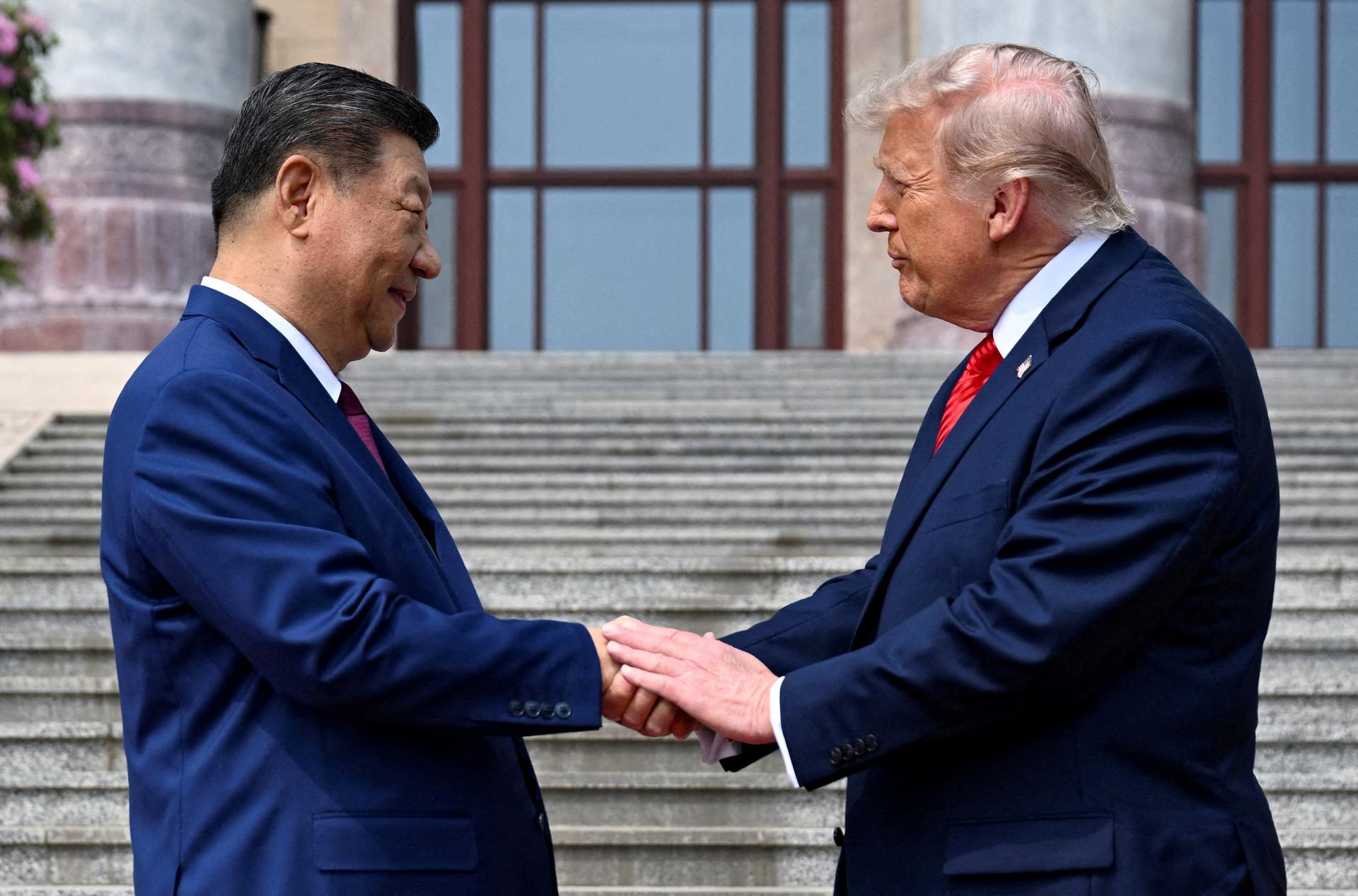
Before the summit, Maurice R. Greenberg Senior Fellow for China Studies Zongyuan Zoe Liu wrote that Trump arrived in Beijing seeking headline deals and visible momentum ahead of the U.S. midterm elections—but that Xi was playing a longer game, focused on strategic patience rather than substantive compromise. The asymmetry between those two goals, she argued, would shape what the summit produces—and what it quietly leaves unresolved. Read the article
|
For the New York Times, Senior Fellow for Global Health Yanzhong Huang writes of a “dangerous new overconfidence” among leaders and average Chinese, which has emboldened China’s leaders to show less restraint in their foreign policy pursuits. Left unchecked, Huang warns, such attitudes will continue to escalate tensions with the United States. Read the full story
|
Following the two-day meeting, Liu argues, the Beijing summit did not resolve U.S.-China competition. Instead, it gave the rest of the world reason to worry about a new uncertainty: whether U.S.-China “strategic stability” will restrain rivalry, conceal it, or turn it into a bilateral bargain over their heads. Read the article
|
The recent Trump-Xi summit in Beijing produced modest substance. That said, argues Senior Fellow for Southeast Asia and South Asia Joshua Kurlantzick, most South and Southeast Asian states were disappointed with the results. No real progress was made toward ending the Iran war, angering regional leaders and consumers, already amid their worst energy crisis in decades. Regional states also worry that their biggest concerns, such as the South China Sea, will be managed by Washington and Beijing together, cutting out other countries. Read the article
|
|
|
|
Indian Democracy and the International Order |
|
|
|
After India’s ruling Bharatiya Janata Party lost its absolute majority in 2024 national elections, it managed to recently win regional elections in West Bengal. Writing for the Wall Street Journal, Senior Fellow for India, Pakistan, and South Asia Sadanand Dhume breaks down how the party won gains in territories previously beyond its grasp. Read the full column
|
In an introductory essay for a CFR project assessing India’s approach to the international order, Senior Fellow Manjari Chatterjee Miller reframes the question of democratic values in the U.S.-India partnership. She argues that democratic values matter to the relationship as a shared structural challenge that extends well beyond either country’s borders. Learn more about the project
|
For his contribution to Miller’s project, Director of the Quincy Institute for Responsible Statecraft’s Global South program Sarang Shidore writes that India’s strategy of multilateral alignment, rooted in self-interest rather than ideology, produces both synergy and friction with the United States. Read the article
|
University of Oxford Associate Professor in the International Relations of South Asia Kate Sullivan de Estrada assesses Indian security norms for Miller’s project. She writes that India is deepening cooperation with the United States while advocating for neutral crisis responses and nuclear restraint and is resisting any binding commitments and hierarchy that would constrain its autonomy. Find out more
|
As part of Miller’s series, Constantino Xavier, senior fellow at the Center for Social and Economic Progress in New Delhi, explains how India is positioned to create a democratic alternative to China’s authoritarian tech model and shape a new technology order. Get his take |
|
|
|
Iran War and South & Southeast Asia |
|
|
|
By tolling the Strait of Hormuz, writes Kurlantzick, Iran has taught other countries that states astride a critical maritime choke point could wield extraordinary leverage over the global economy. Southeast Asia hosts an even more critical global maritime passage than the Strait of Hormuz: the Strait of Malacca, through which one-third of global trade and more than half the world’s seaborne oil passes. Southeast Asian states have begun discussing tolling the Strait of Malacca—sending shock waves through Southeast Asia’s diplomatic community. Read the full article
|
Facing its gravest economic crisis in years, the Association of Southeast Asian Nations (ASEAN) convened its leaders’ summit in early May amid expectations that its member states might finally be able to unite on an energy plan. Instead, argues Kurlantzick, the group failed on energy issues and all other topics and again demonstrated why it remains one of the world’s most paralyzed and useless multilateral bodies. Get his full take
|
Since Indonesian President Prabowo Subianto’s inauguration in October 2024, he has placed Indonesia’s military at the center of national life in a way not seen since the fall of the authoritarian Suharto regime in 1998, endangering democracy and the economy at a time when Indonesia is suffering badly from the energy crisis, Kurlantzick writes in an article for World Politics Review. Read on
|
For CFR’s Think Global Health, Huang analyzes how China’s contributions to Southeast Asian public health have become more significant as the United States has scaled back its global health commitments. Read more |
|
|
|
On All Things Negotiation with Stan Christensen, Doshi explains how the United States should negotiate and compete with China amid deep mutual distrust and the two countries’ weak abilities to understand each other’s intentions. Listen to the episode |
|
| |
|
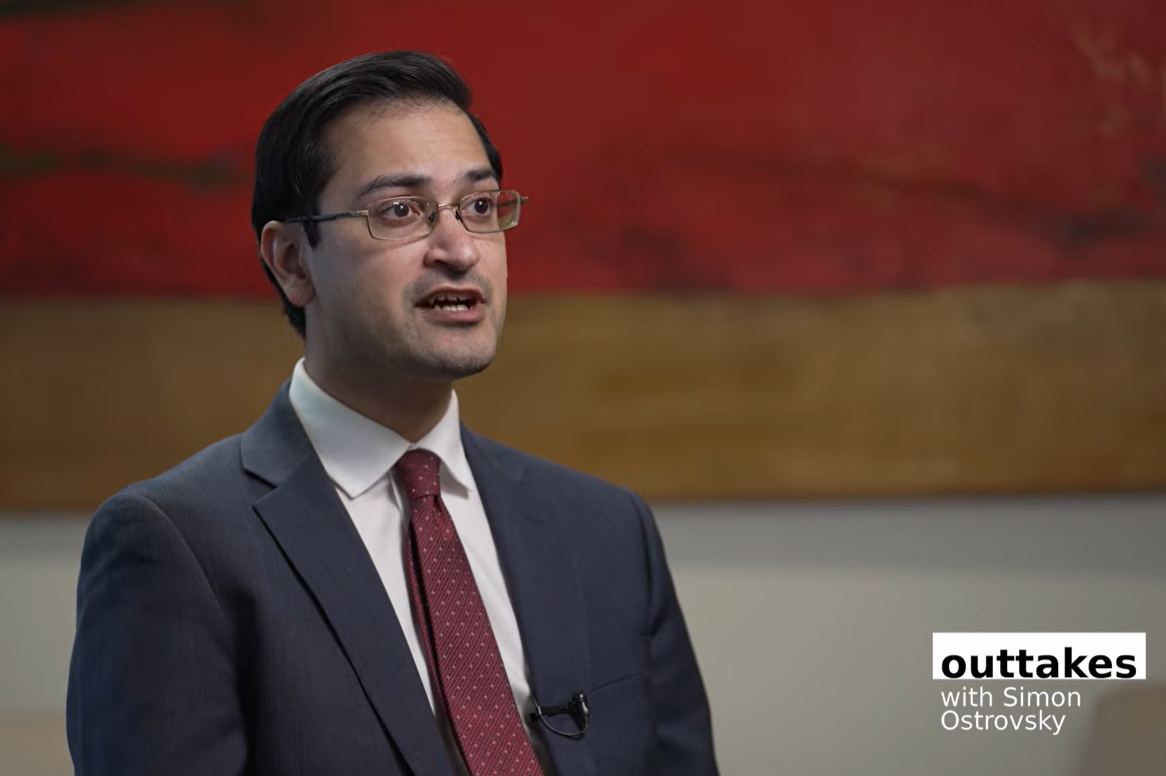
Doshi sits down with PBS News Hour Special Correspondent Simon Ostrovsky to discuss U.S.-China competition and Russia’s reliance on China’s industrial base for its war in Ukraine. Hear more |
|
| |
|
Prior to the Trump-Xi summit, Doshi analyzed what was really is at stake for the first presidential visit to China in nine years with Richard Dearlove and guest cohost Rosanna Lockwood. Listen to the episode |
|
| |
|
|