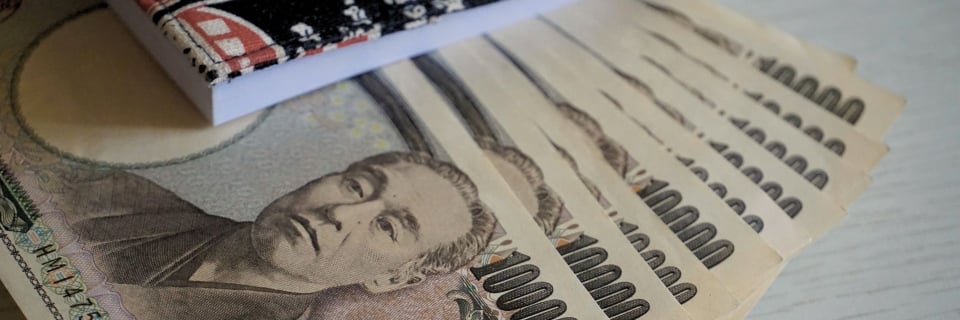
For 30 years, there was something close to free money in global markets. Borrowing Japanese Yen.
The playbook was simple. Borrow yen at near-zero rates, convert it, and invest somewhere paying more. Investors, institutions and governments did exactly that, on a scale big enough to help fund everything from US mortgages to global stocks.
That era could now be ending.
The Bank of Japan has raised rates four times since 2024, and last month Japan's 10-year bond yield hit 2% for the first time since 1999. The world's cheapest money suddenly isn't so cheap.
So what happens to all the markets once this real-life cheat code gets patched?
This week we trace where three decades of cheap money actually went, why Japanese capital is heading home, and what the end of the era could mean for markets far beyond Tokyo.