
| Forwarded this email? Subscribe for more |



 |
| By The Free Press |
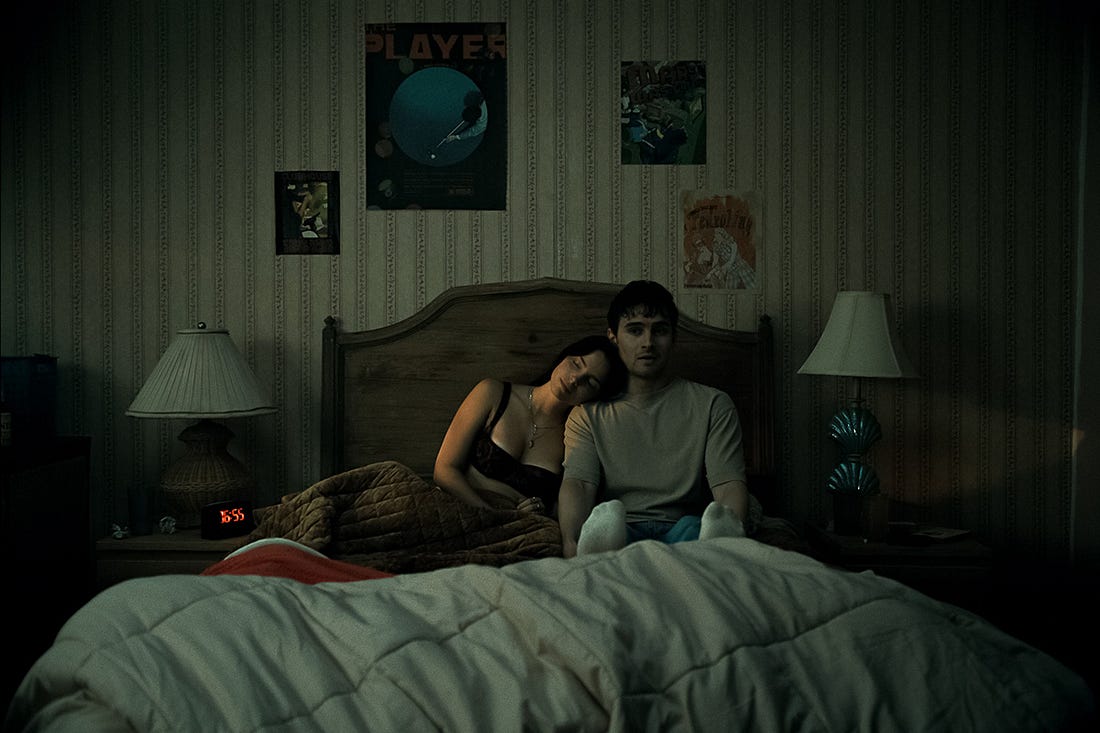
Welcome back to the Weekend Press! Today, Kara Kennedy has two drinks with the mom who went viral for asking Trump if he’s going to help Americans pay for childcare. Former vice president Mike Pence reflects on why we’re all confused about what conservatism actually is. Joe Nocera on Rafael Nadal. Kat Rosenfield on a buzzy new horror film. And more!
But first: Maya Sulkin reports on the machines making people human again.
In October 2016, my family took a trip to Washington, D.C., with my mom’s best friend, who I call Aunt Lori—she was in the room when I was born, because my dad was so freaked out—and her husband Uncle Brian. We spent our days walking through Georgetown and taking pictures of cherry blossoms, but my always-athletic Uncle Brian started to complain that his shoulder was feeling weak.
We thought it was “tennis elbow,” or that he was being a diva. But then my aunt started to notice her husband was limping. In the months that followed, we learned Brian had ALS—a horrific disease that attacks the nerve cells that allow you to move your muscles, until you can no longer move, speak, swallow, or breathe. He was told he had five years to live, tops.
My aunt and uncle researched every medical trial, and traveled to see all the doctors and researchers who could give them any advice about treatment options. They helped launch I AM ALS, a patient-led advocacy organization that has since secured billions of dollars in research funding. I thank God every day that Uncle Brian’s deterioration, unlike most patients, has been slow. He can still walk and play with his grandchildren. He hasn’t lost his voice.
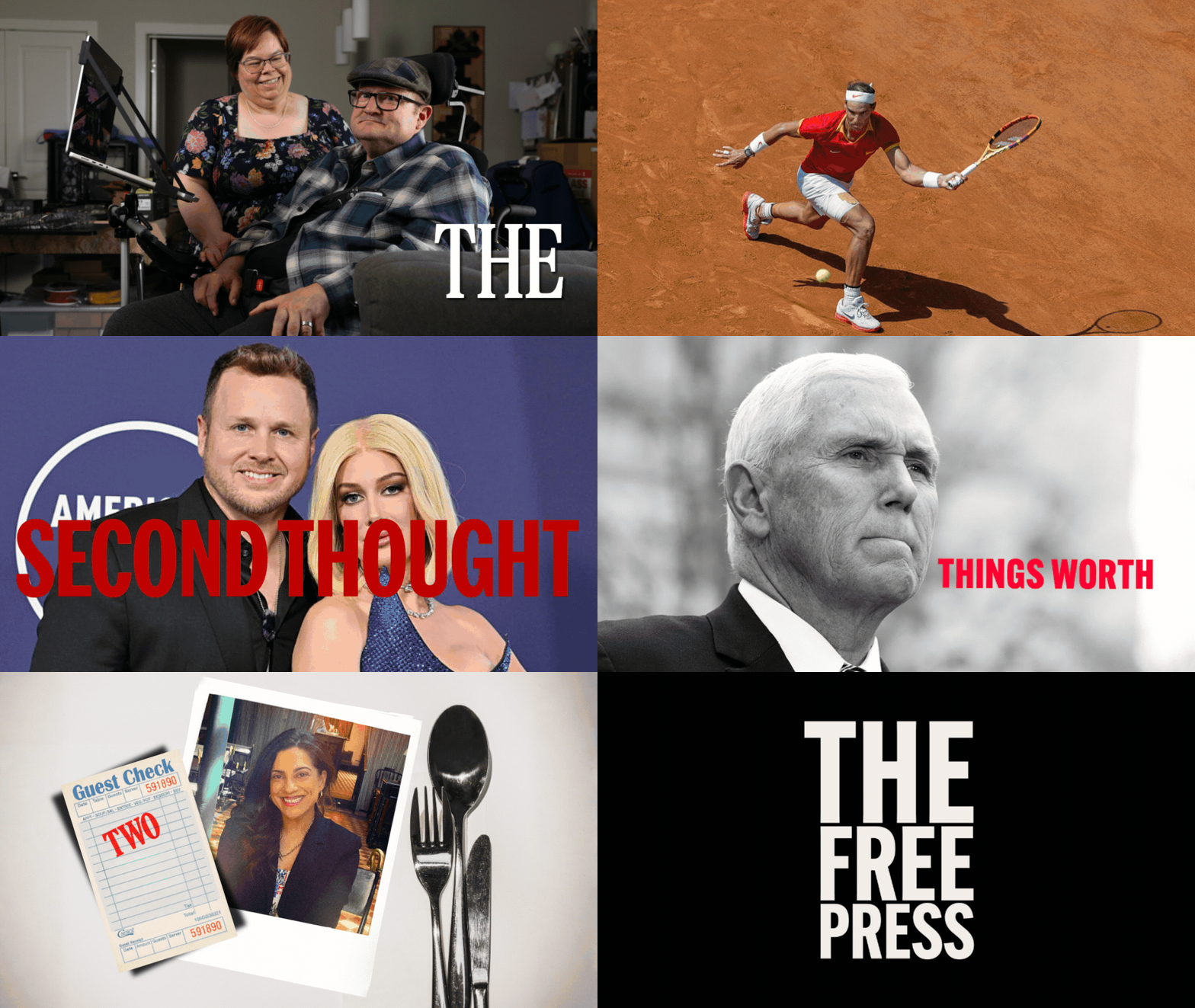
Earlier this year, I met two ALS patients who had: Brad Smith and Kenneth Stock. Or at least, they had lost their voices before they crossed paths with a company called Neuralink. Created by Elon Musk—who got the idea from a science fiction series—it makes devices that can be implanted into the brain and allow paralyzed people to control a computer with only their minds. And once they can do that, they can communicate—by rapidly typing words that can then be uttered by an AI that sounds just like them.
As of January 2026, Neuralink has implanted brain-computer interfaces in 21 human patients. Brad was the third. When I asked Brad what it was like to hear himself speak again, he didn’t miss a beat. “The truth is,” Brad told me, “nobody really likes to hear their own voice.” Brad is happiest when he’s telling jokes. ALS robbed him of his ability to do that, but AI has restored it.
While I was reporting, I kept thinking about what it would mean for my Uncle Brian to lose his voice—to be talked over, to have people assume that because he couldn’t speak he couldn’t understand what was happening around him. I would miss his favorite line at dinner: “If it tastes good, it’s good for you.”
We talk endlessly about what cutting-edge technology like AI might cost us. But this story is a reminder that it can also give us something back.
—Maya Sulkin
 |
 |
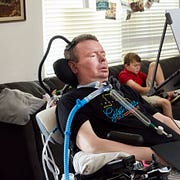
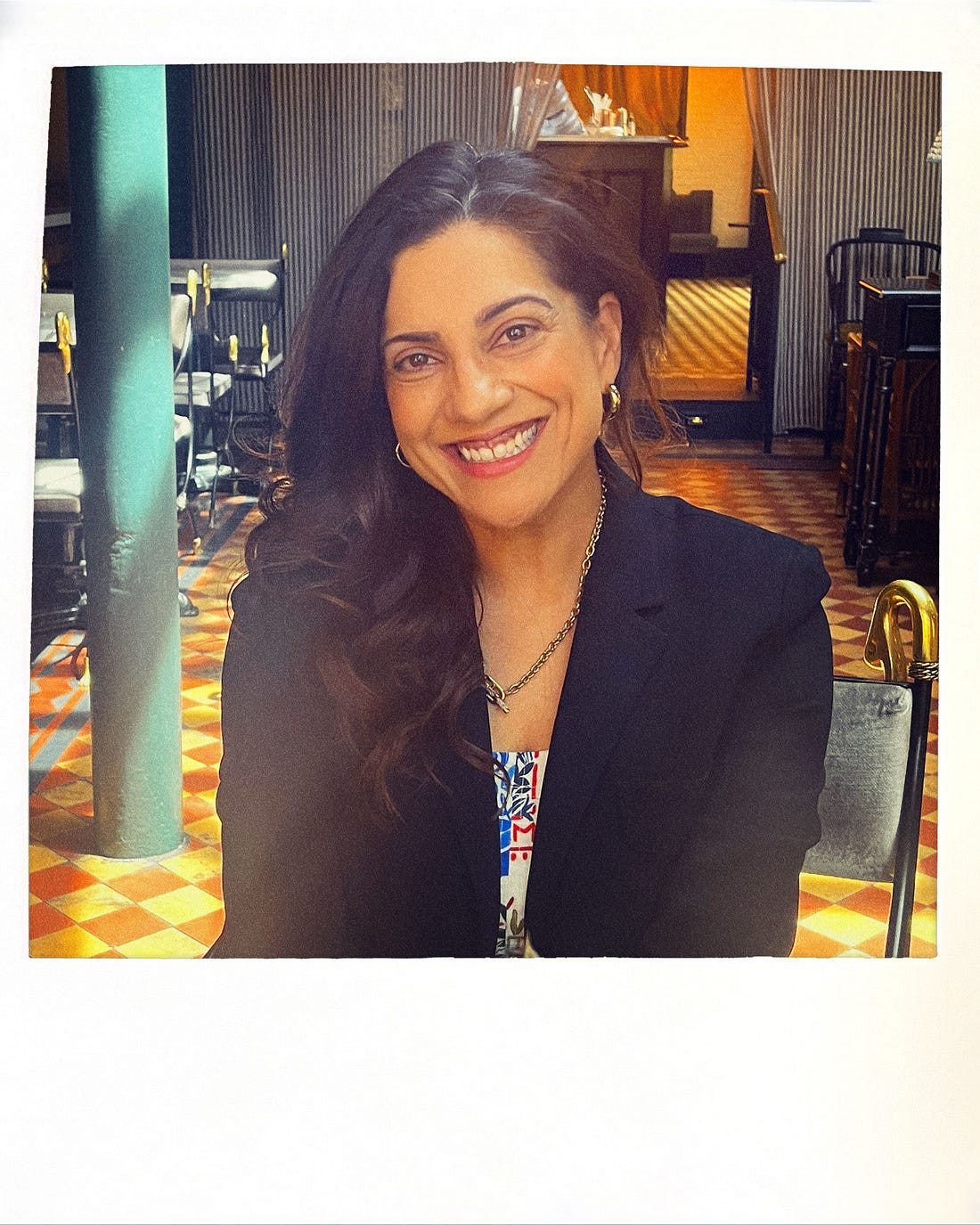
Two Drinks with . . . the Mom Who Prodded Trump About Childcare | ||||
 | ||||
|
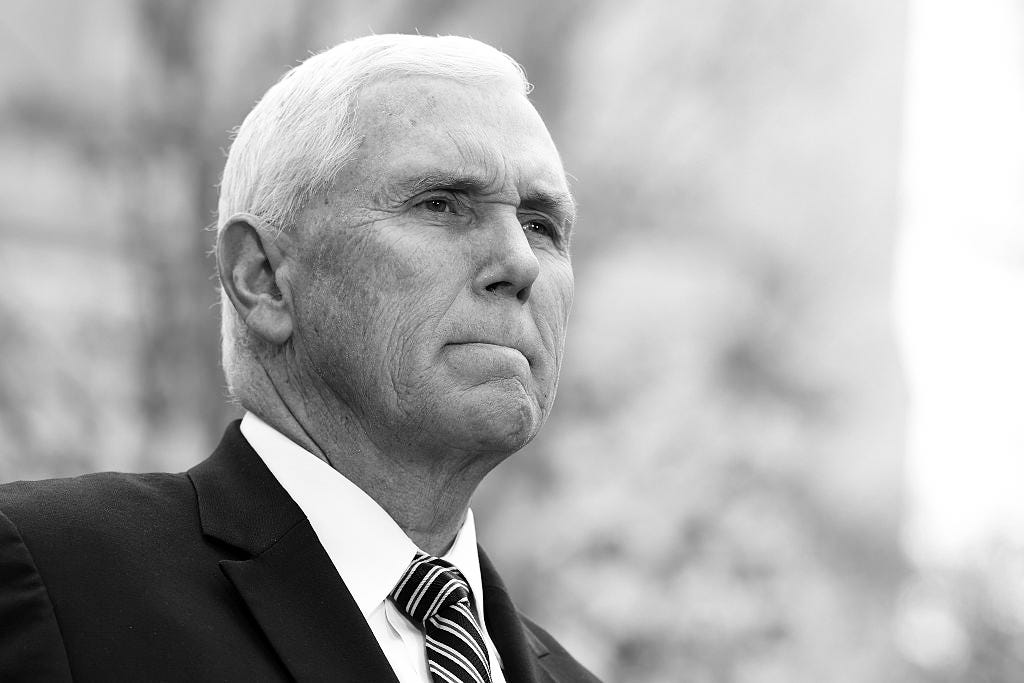
Mike Pence: Conservatives Have Forgotten What They Believe | ||||
 | ||||
|
The Ideologues Are Wrong About ‘Obsession’ | ||||
 | ||||
|
Rafael Nadal and the Price of Greatness | ||||
 | ||||
|