By Ross Kerber, U.S. Sustainable Business Correspondent |
|
|
|
During my dive into academic literature for last week's newsletter I saw a reference to views that U.S. President Calvin Coolidge expressed in 1926 on companies with dual-class shares. A full century later, it's a hot topic given the pending SpaceX IPO, confirming what a wise journalist once told me: "there are no new stories." (Wait have I written that before? There are no new newsletters.)
You can read up on what I found in this week's main column, linked below. I've also linked to our stories about World Cup-related carbon emissions, fossil-fuel lending by banks, and a new contract for FedEx pilots.
Please follow me on LinkedIn and/or Bluesky. You can reach me via ross.kerber@thomsonreuters.com.
|
|
|
President, dog-lover and dual-class share skeptic Calvin Coolidge, shown with family, 1924, photo via Library of Congress. |
"Silent Cal" spoke up on dual-class shares 100 years ago. Where is today's SEC? |
A century ago, U.S. President Calvin Coolidge, nicknamed "Silent Cal," was quite vocal about how more corporations at the time were using dual classes of stock that gave top executives greater control of companies even as they raised money in public markets.
His concerns have new relevance today. Wall Street's top regulator has kept radio-silent about SpaceX's pending IPO despite its dual-class share structure, giving CEO Elon Musk tight rein on the business. That feature and other corporate governance details disclosed by SpaceX raise big questions for shareholders, index providers, rival companies and taxpayers.
One way to resolve these questions would be to treat them as policy matters deserving guidance from regulators, which has some people like Oregon Treasurer Elizabeth Steiner looking to Washington.
You can click the link below to read my full column on the topic. Plus some bonus facts about Coolidge's love of dogs and his take on The Atlantic. |
|
|
|
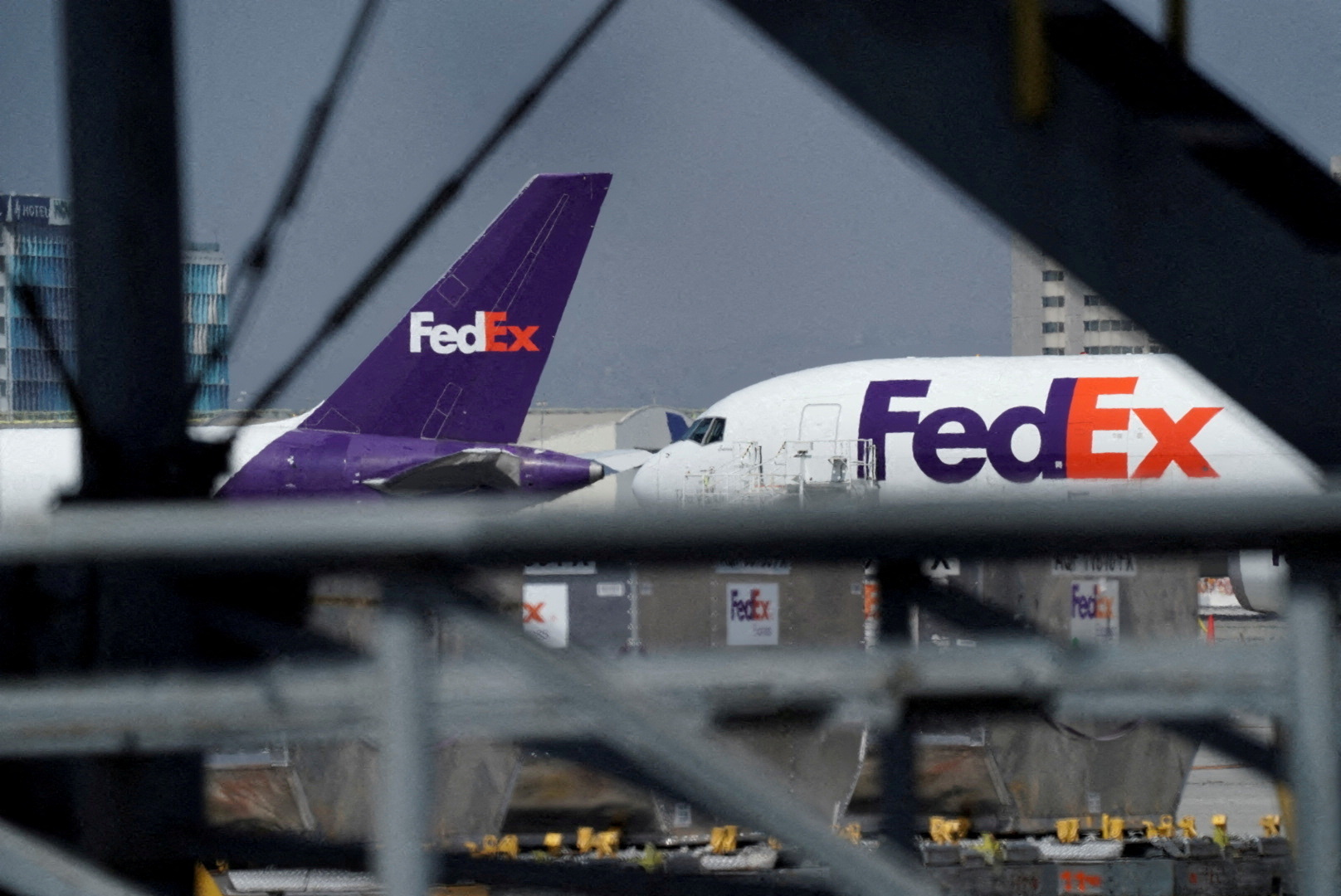
FedEx air freight cargo planes parked at Los Angeles International Airport in Los Angeles, California, U.S., September 16, 2022. REUTERS/Bing Guan |
|
|
|
- The union for pilots at FedEx said wages for its members will rise about 40% based on a new deal ratified after five years of negotiations with the parcel delivery company.
- Countries worldwide are moving to restrict social media access for children, blocking them from platforms like TikTok and Meta Platforms's Instagram and Facebook.
-
While we're talking Meta, note that it is filing a federal court contempt order against Israeli spyware firm NSO Group. Meta claims NSO violated a permanent ban against targeting the WhatsApp messaging service.
|
|
|
|
-
The World Cup kicking off in North America on Thursday could generate 7.8 million metric tons of carbon dioxide, more than double the last World Cup held in Qatar in 2022, a recent assessment shows.
-
So-called "anti-ESG" shareholder activists put a new focus on corporate governance topics this year and fared better in proxy voting to date as a result. Their proposals calling for independent board chairs won 25% support so far this season, versus 5% average support for all "anti-ESG" proposals, a review by Georgeson found.
-
Fossil-fuel lending by the world's largest 65 banks rose 7.6% to $906.5 billion in 2025, according to a new report by activists including the Rainforest Action Network and the Sierra Club. It was the second consecutive year of increase, and among the banks a small group was responsible for the biggest increases.
-
How does today's temperature where you live compare to the last century? Take a real-time look into a changing planet via our new Reuters Climate Monitor data dashboard.
|
|
|
|
| |
Sponsors are not involved in the creation of newsletters or other Reuters news content. | | | | |
|
|
|
|