| | In today’s edition: The US and Iran agree a preliminary deal, as the Gulf grapples with the fallout.͏ ͏ ͏ ͏ ͏ ͏ |
| |  | Gulf |  |
| |
|
 - ‘Let the oil flow!’
- Biggest shock since 1973
- The Gulf’s security trade
- Oman property surges
- The UAE’s ‘conflict gold’
 The UAE’s fingerprints on the NBA Finals. |
|
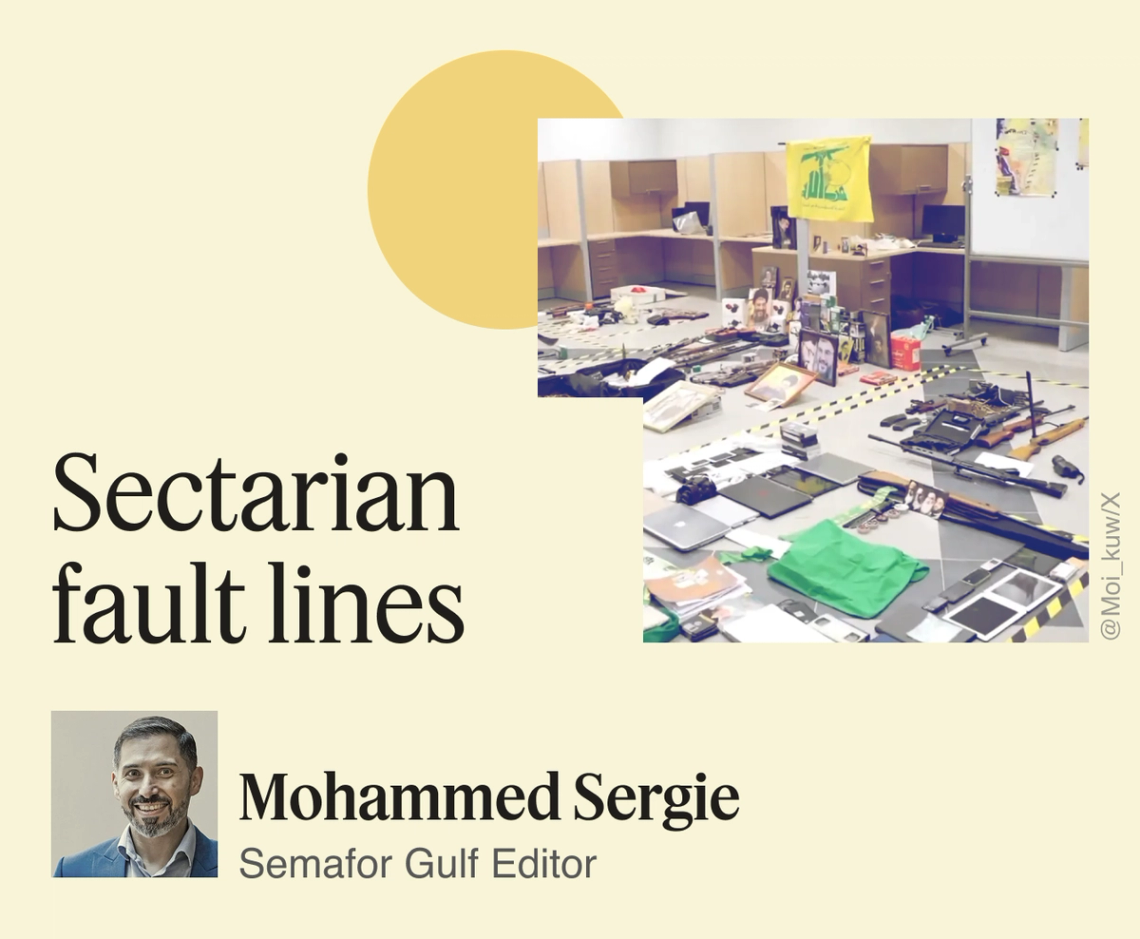 On Friday, the US and Iran are expected to sign an interim agreement, providing space for more detailed discussions to end the war. After 111 days of conflict — most of it spent under a ceasefire — little will change on the surface. Tehran remains under the same regime, Washington will maintain its military presence in the Middle East, and Israel has pledged to keep its finger on the trigger. The Gulf, however, is entering a new era. We’ve covered the shifting alliances, economic damage, and strategic recalculations already underway. When details of the memorandum of understanding emerge, there will be more to analyze. Beneath the surface, though, lies another consequence: renewed Sunni-Shia tensions. Islam’s schism isn’t the primary driver of the region’s conflicts, but it is deployed across the Middle East and beyond — cynically — in pursuit of state and political ambitions. Since 1979, the Islamic Republic has built powerful proxies across the Arab world that are overwhelmingly Shia, with Hamas a notable exception. Gulf governments, meanwhile, have dabbled abroad as well, while trying to address grievances among their own Shia populations to prevent them from becoming pawns of Tehran. War complicates the domestic front, turning any dissent into treason. Since March, authorities in Bahrain, Kuwait, Qatar, and the UAE have cracked down on alleged Iran-linked militants and sympathizers. A Kuwaiti television presenter was sentenced to three years in prison for endorsing Iranian strikes. Pakistani Shia workers were deported from the UAE. Bahrain banned public mourning for Iran’s late supreme leader and has handed life sentences to men convicted of links to Iran’s Islamic Revolutionary Guard Corps. Qatar and the UAE have also made arrests: In one police video, officers detained a man wearing a turban during a nighttime raid — it’s unlikely he would keep the headwear (associated with Shia clerics) in bed. Others have shown weapons, cash, and phones displayed alongside photos of Iranian and Hezbollah leaders. The message is clear about who is portrayed as threatening the homeland. Officials across the divide rarely describe the other side as a religious competitor. But Muslims in the region have long learned to watch for what isn’t said. The risk in the Gulf is that the messaging surrounding police raids revives exclusionary language that governments have spent years trying to suppress, and that remains common in the sectarian politics of Iraq, Lebanon, and Syria. One UAE influencer, commenting on attacks against Gulf civilian infrastructure, recently used a slur against Shia without any public repercussions. Still, there are also state-led efforts to separate Tehran’s actions from the sect the regime claims to represent. Television commentators make that distinction, stressing that Arab Shia are fellow citizens, were before 1979, and will be after this conflict fades. Containing Iran’s influence without inflaming a domestic front appears to be the priority. Walking that line under fire is the challenge that will persist even if a US-Iranian peace prevails. |
|
US and Iran agree interim deal |
 Majid Asgaripour/WANA via Reuters Majid Asgaripour/WANA via ReutersThe US and Iran agreed an interim truce, creating an improved backdrop for further talks on the thorniest issues. The text of the deal has yet to be published, but the main elements appear to include Tehran reopening the Strait of Hormuz, the US ending its maritime blockade, and Israel and Lebanon’s Hezbollah halting their fighting. Topics left to be negotiated include Iran’s nuclear and ballistic missile programs, its stockpile of enriched uranium, its support for regional proxies, and sanctions relief. US President Donald Trump greeted the preliminary deal by saying “Let the oil flow!” One LNG tanker passed through Hormuz today, in an early test of the new environment. However, there are plenty of ways the pact could unravel, including domestic opposition in the US or Iran, and further violence in Lebanon — an Israeli strike on Beirut over the weekend threatened to scupper the deal before it was announced, and a ceasefire there looks harder to maintain than the one between the US and Iran. Pakistan has led the mediation process, but Trump said Qatar had also been “a tremendous help.” Reports that the UAE was set to release billions of dollars of funds to Iran, and that Qatar was coordinating its energy policy with Tehran, have, however, been strongly denied by both countries. |
|
Iran war is region’s costliest in decades |
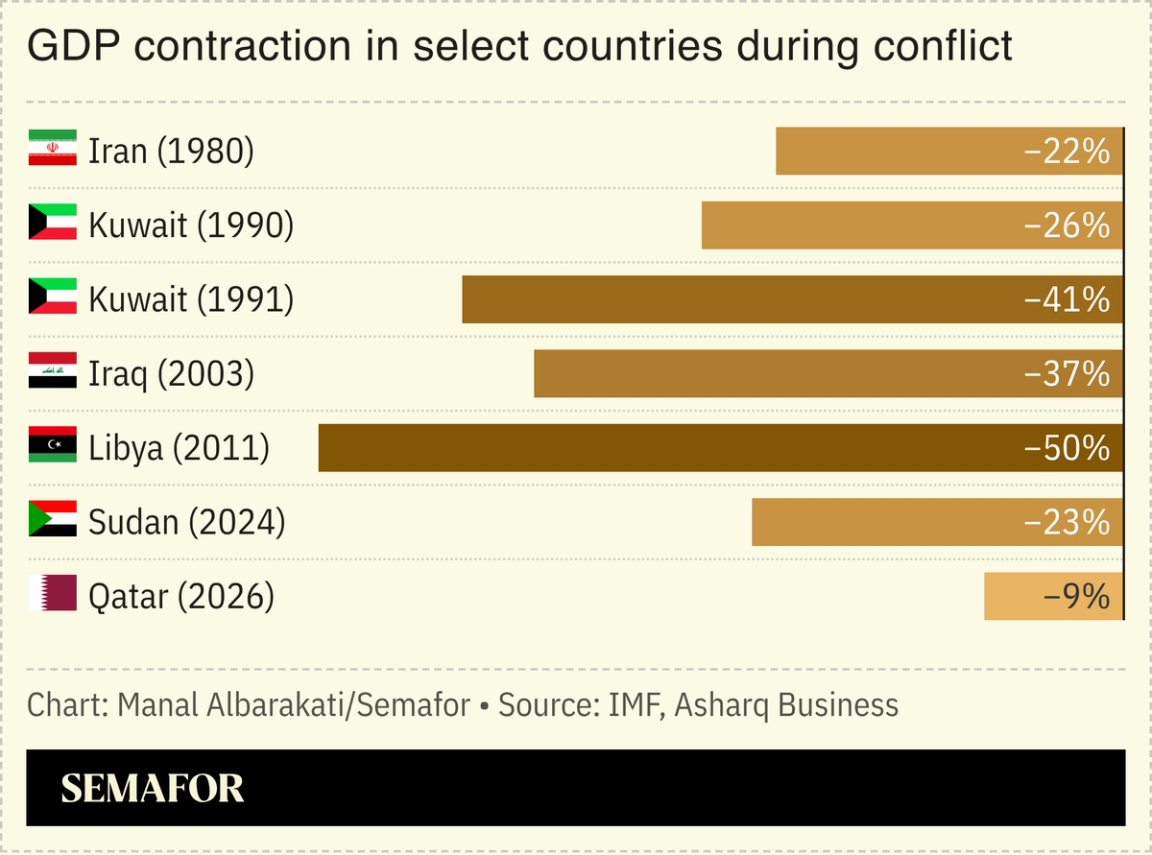 The Iran war has had a broader impact on the economies of the Middle East than any other conflict in the past 50 years, striking 10 countries that together account for 70% of the region’s economic output, according to analysis by Semafor columnist Alaa Shahine Salha in Asharq Business. Past wars cut deeper into individual economies, but continuing oil revenues generally offered some protection. This time, the energy sector has been one of the areas most directly affected, alongside aviation, finance, and wider trade flows; the IMF expects regional growth of just 1.1% this year. The last shock this big was the 1973 oil crisis, when Arab members of OPEC blocked oil supplies to Western allies of Israel. Higher oil prices then sparked a Gulf boom. This time the shock is having the opposite effect, stalling regional economies and slowing reconstruction efforts across Gaza, Lebanon, Sudan, and Syria. |
|
KKR sees security driving Gulf deals |
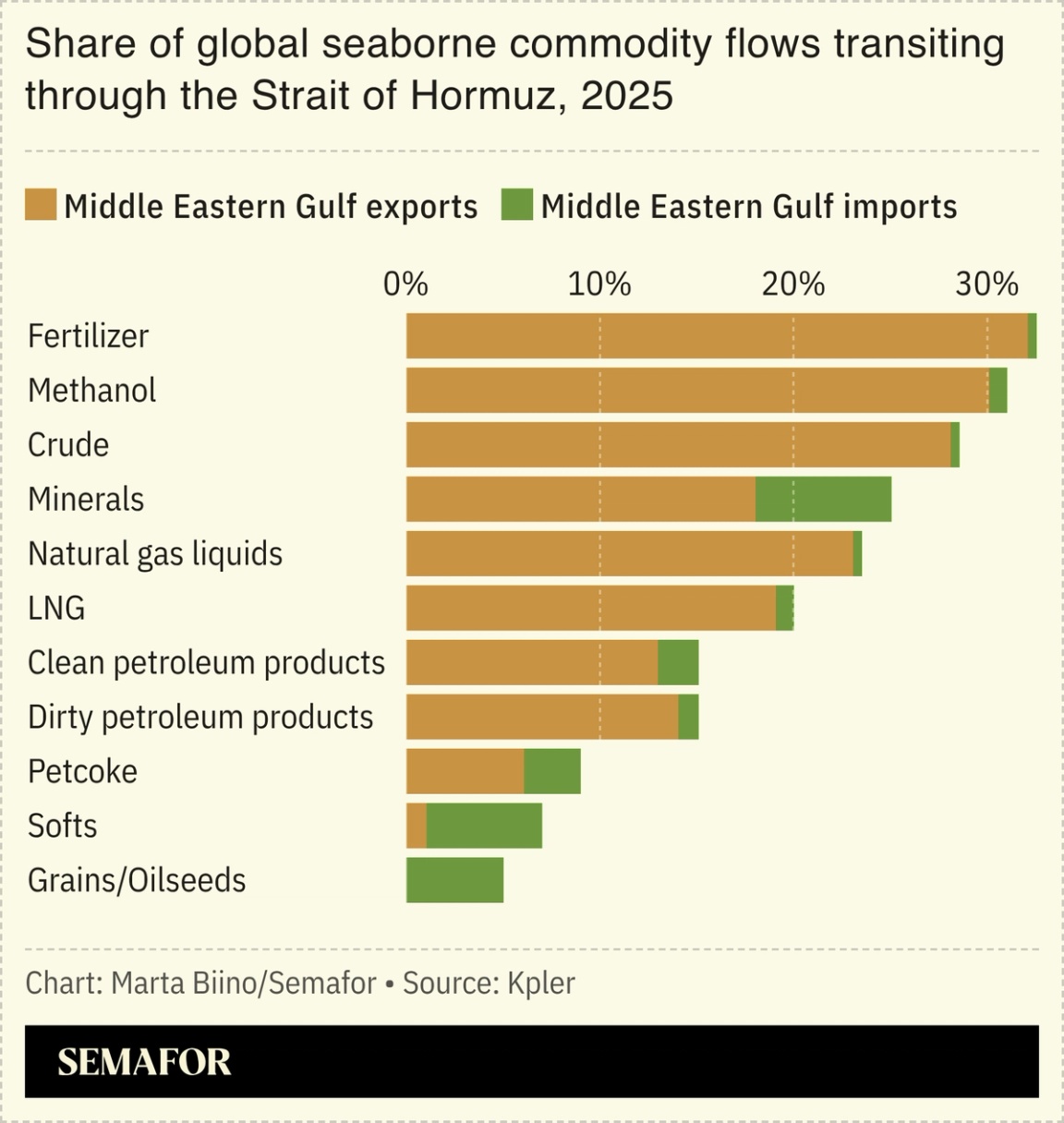 US investment firm KKR expects the Iran war to prompt greater investment in alternative supply routes to ensure goods keep moving around the region when traditional avenues are impacted by conflict. Iran’s closure of the Strait of Hormuz has already led Gulf countries to seek alternatives to the narrow waterway, which most had relied on for the bulk of their trade flows. That is in line with a wider trend, with company bosses around the world telling KKR they are increasingly focused on what it dubs “the security of everything” — including access to critical minerals, energy, food, semiconductors, and water. The interim deal struck by the US and Iran is unlikely to derail these trends. Indeed, a reopening of the Strait of Hormuz and sustained higher crude prices would be a boon to Gulf countries as they look to finance new trade routes and recover from the war. KKR also said markets were underestimating the outlook for oil prices over the next 12-18 months by up to $10 a barrel, even if the US and Iran reached a definitive agreement to end the war. — Matthew Martin |
|
Oman property fends off war ripples |
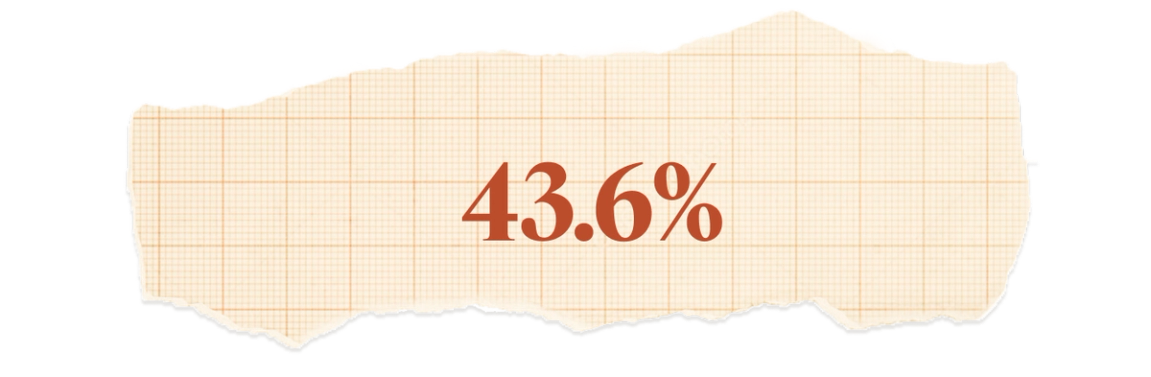 Residential land prices in the Omani capital Muscat rose by 43.6% year-on-year in the first quarter, data from the National Centre for Statistics and Information showed. The market has continued to climb during the US-Iran war, helped by the fact that Oman’s ports lie outside the Strait of Hormuz, meaning its economy has been relatively insulated from the conflict. Across the country as a whole, residential prices were up 17.6% compared to a year earlier. The Saudi property market has held up too, buoyed by domestic demand. Home prices in the kingdom rose during the opening three months of the year, although the number of transactions fell by half due to affordability issues and uncertainty caused by the war. Even so, real estate consultancy Knight Frank called the kingdom’s housing fundamentals “strong enough to transcend the conflict.” — Manal Albarakati |
|
Dubai is ‘hub’ for Africa’s conflict gold |
 Miners ply a gold mine in the Central African Republic. Daniel Flynn/Reuters. Miners ply a gold mine in the Central African Republic. Daniel Flynn/Reuters.The UAE has become the main destination for conflict minerals from the Central African Republic, placing Dubai at the center of a lucrative trade in gold and diamonds tied to armed groups and foreign smuggling networks, according to a new investigation. Almost all of CAR’s officially declared gold exports since 2023 have been destined for the UAE, the investigation found — a pattern which echoes UN findings in Sudan, where Dubai-based networks have been linked to gold flows financing the Rapid Support Forces. The latest report, from the Global Initiative Against Transnational Organized Crime, also traced how Russia and Rwanda have established economic and security footholds in CAR alongside UAE trading networks. At the center is Russia’s Africa Corps, formerly Wagner Group — a mercenary network that has propped up CAR President Faustin-Archange Touadéra’s government since 2018. The report identifies the group as a major beneficiary of illicit gold, worth an estimated $180 million per year. |
|
 Commodities- Norsk Hydro declared a second force majeure on sales from the Qatar aluminium smelter in which it holds a 50% stake due to the impact of the Iran war. Qatar Aluminium Manufacturing Co., which holds the remaining stake in the Qatalum smelter, also said it was terminating an agreement for Norsk Hydro to market and sell its aluminium products. — Reuters
Energy- Abu Dhabi’s Masdar is buying half of a 705-megawatt Spanish wind and solar portfolio from Repsol, the latest in a string of European deals by the state-owned firm, which is chasing 100 gigawatts of capacity by 2030.
Sovereign Wealth- Abu Dhabi Investment Council, a unit of Mubadala, is in talks with local banks to arrange leveraged financing to boost exposure to global hedge funds by $15 billion. — Bloomberg
Stocks- Saudi Arabia’s Kingdom Holding, the investment firm of Prince Alwaleed bin Talal, said its SpaceX stake is now worth about $6.8 billion after the company’s Nasdaq debut, up 53% on its carrying value. SpaceX raised $75 billion in Wall Street’s largest-ever IPO. — Arab News
|
|
Abu Dhabi tourism and Emirates logos on the New York Knicks’ jerseys and the referee uniforms at the 2026 NBA Finals.  Geoff Burke-Imagn Images via Reuters Geoff Burke-Imagn Images via Reuters |
|
|


