| | In this edition: Cautious optimism on Iran war deal, misinformation drives Ebola spread, and Standar͏ ͏ ͏ ͏ ͏ ͏ |
| |  | Africa |  |
| |
|
 - Fallout from Iran war deal
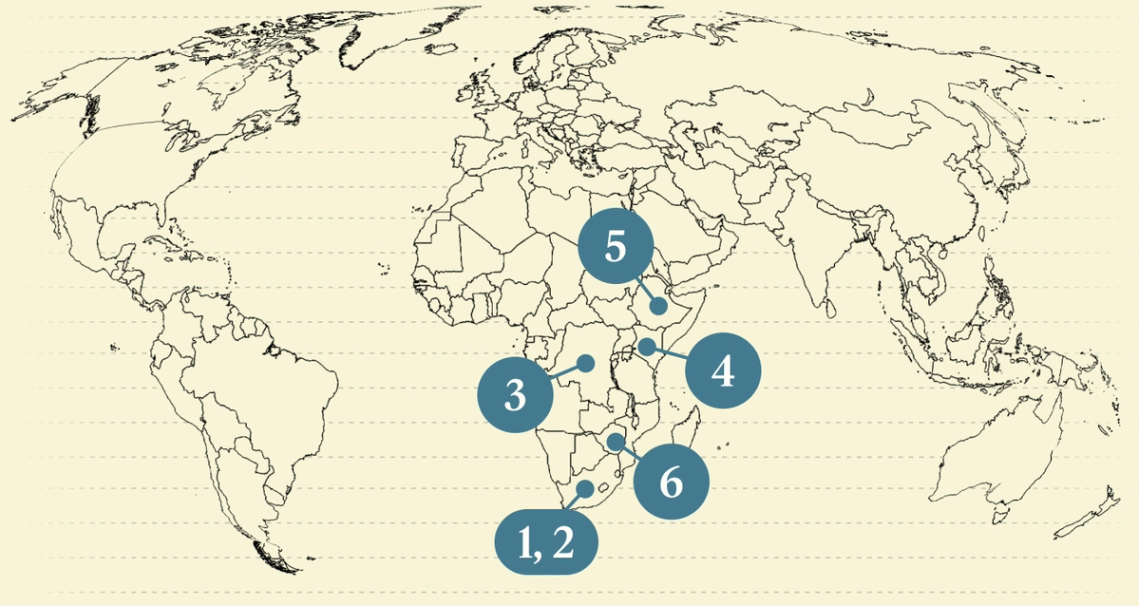
- Electricity tariffs overhaul
- False claims drive Ebola
- Standard Bank eyes Kenya
- Spiro’s manufacturing drive
- Miner targets gold push
 Week Ahead and relistening to Miriam Makeba’s Soweto Blues 50 years on. |
|
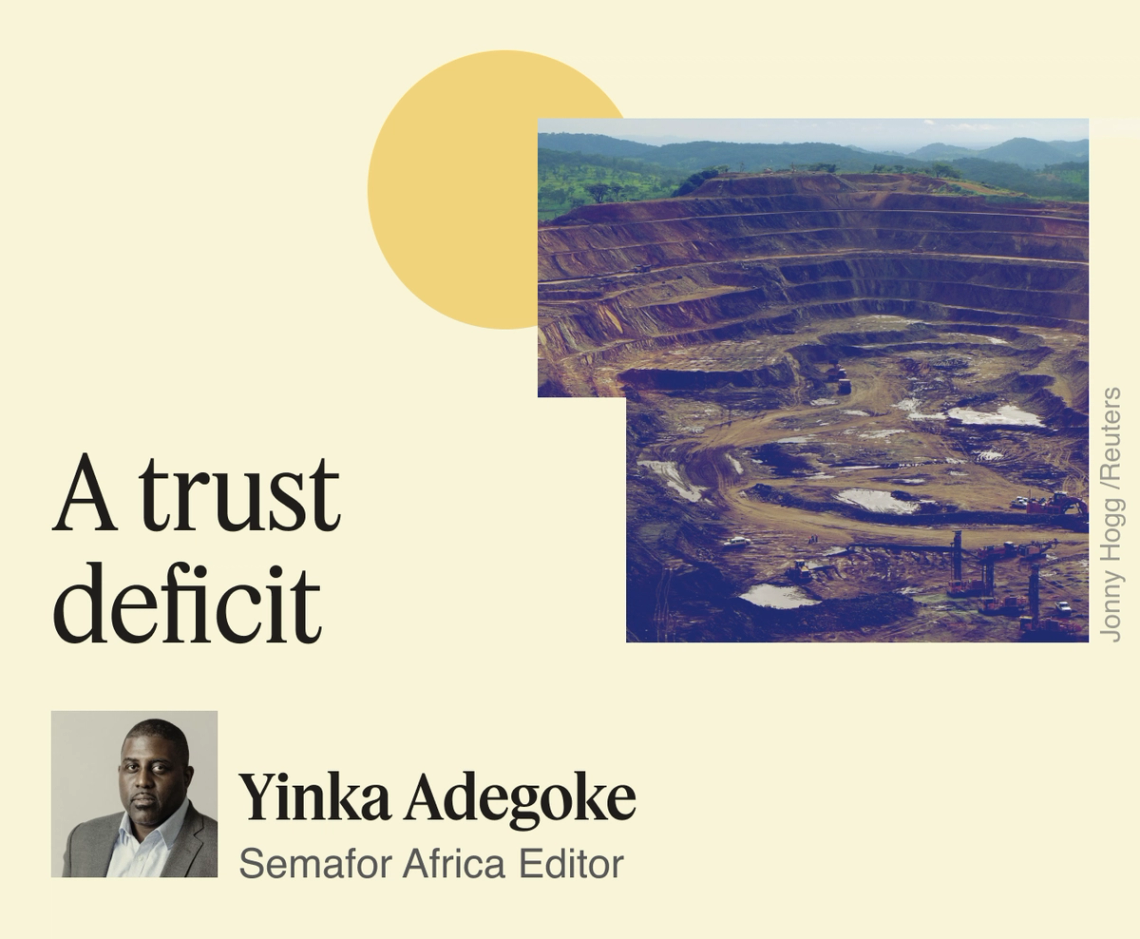 The White House’s Africa strategy under President Donald Trump’s second term has suffered from a basic tension: Washington wants a more transactional relationship centered on trade, investment, and critical minerals, while dismantling the tools that gave it leverage on the continent. But recent moves suggest some Republicans recognize the gap between ambition and capability. Frank Garcia was finally sworn in as assistant secretary of state for African affairs after months of the position remaining vacant, while lawmakers introduced legislation to expand the State Department’s Africa expertise — an implicit acknowledgment that a deals-focused strategy requires more diplomatic capacity, not less. The Trump administration came into office determined to move beyond aid dependency, most notably shutting down USAID, shifting to commercial diplomacy and strategic interests. There is a logic to that. However, Washington underestimated how much its influence depended on the wider relationship surrounding those transactions. For decades, the US offered African governments a package combining aid, security cooperation, educational exchanges, and diplomatic engagement. Leaders did not always welcome American pressure, but accepted it because the relationship delivered benefits beyond any single negotiation. The administration has narrowed that offer while expecting the same leverage. The consequences are becoming clear. Efforts to secure cooperation on minerals and other strategic priorities have met resistance across the continent. Governments are increasingly unwilling to accept one-sided arrangements, nor are their citizens. Washington has compounded the problem through its treatment of Africans. Visa restrictions have expanded and US visa hubs on the continent have been slashed. Efforts to offload deported migrants have reinforced perceptions that the continent is seen through migration and resource extraction. These are not mere public relations problems. What the US has historically offered is access — universities, networks, professional exchanges, legal travel. Restricting those channels weakens influence competitors have struggled to match. The irony is that transactional diplomacy demands more expertise than the aid model it replaces. The administration is right that Africa should be a strategic partner, not an aid recipient. But in a continent with more options than ever, leverage belongs to the side willing to invest beyond the next deal. The likely outcome is not US withdrawal but gradual erosion of American influence in favor of rivals playing the longer game. |
|
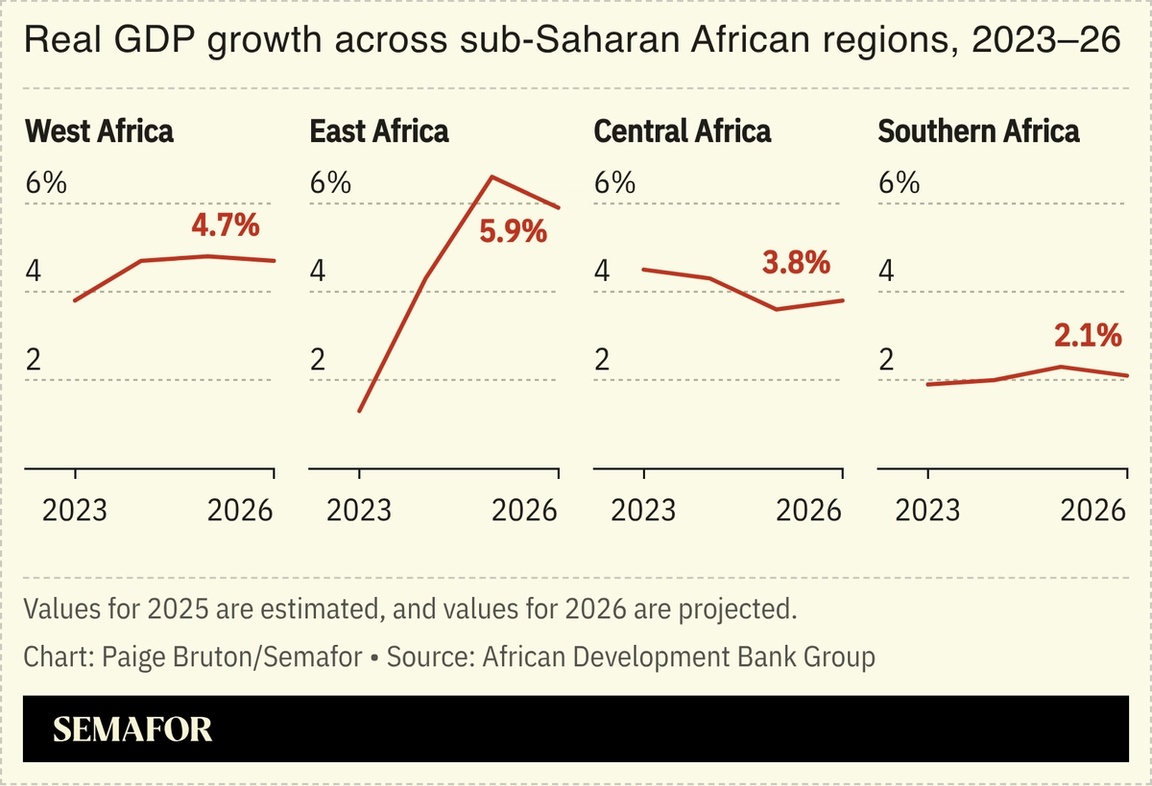 A US-Iran deal to reopen the Strait of Hormuz is likely to be met with relief by African economies, many of which rely heavily on energy and fertilizer imports, but the war’s long-term impacts may persist even if the agreement holds. Africa’s economic growth is projected to slow to 4.2% this year from 4.4% in 2025, mainly due to supply chain shocks caused by the Iran war, the African Development Bank said last month. The backlog of oil and fertilizer supplies could take weeks — possibly months — to recover. Overall, experts were somewhat cautious on the deal’s prospects. While US President Donald Trump said ships could traverse the waterway within days and would not be charged a toll, a Senate ally warned that “Iran’s view of the agreement seems different.” Commerzbank’s chief economist said in a note to clients that he anticipated “occasional setbacks,” while a prominent DC expert described the agreement as “perhaps, the end of the beginning.” South Africa’s central bank raised its main interest rate by 25 basis points last month to curtail the inflationary impact of the conflict. Traders scaled back bets on further rate hikes in Africa’s biggest economy after the deal was announced and the rand strengthened. |
|
S. Africa plans power competition |
| |  | Tiisetso Motsoeneng |
| |
 Siphiwe Sibeko/Reuters Siphiwe Sibeko/ReutersSouth Africa unveiled a sweeping new pricing blueprint to introduce competition in the country’s electricity sector, a move that would directly affect more than $14 billion in private international investment reshaping the nation’s grid. The proposed overhaul is the latest step to end the century-long monopoly of state utility Eskom and kickstart a competitive trading platform, in order to battle persistent power shortages that have curtailed economic growth. The regulator said the plan would separate the cost of producing electricity into distinct components and introduce a regulated wholesale market that will run until 2030. Power producers would receive three types of payments: one for keeping generation units stable, another for grid stability services, and a third tied to the real time cost of producing electricity.
|
|
Misinformation fuels Ebola spread |
 Gradel Muyisa Mumbere/Reuters Gradel Muyisa Mumbere/ReutersHealth workers in DR Congo said misinformation regarding the Ebola virus was hindering efforts to contain the outbreak, as official cases approached 1,000. False claims about the virus, including that the epidemic was a hoax, have proliferated across the Central African nation, accelerating the spread of the disease in overcrowded displacement camps where hundreds of people often share a toilet, Reuters reported. Meanwhile, the World Health Organization said there were many “blind spots” in high-risk areas of the outbreak, suggesting official statistics could reflect a huge undercount. Despite the concerns, officials voiced hopes that a vaccine may be ready for clinical trials within a couple of months. Technologies such as AI are also helping to fight the virus’ spread, for example by allowing epidemiologists to make data-driven comparisons with previous outbreaks, while Starlink donated 150 high-speed internet kits to Africa’s leading healthcare body. A version of this story first appeared in Semafor’s Flagship briefing, sign up here. → |
|
|
Standard Bank eyes E. Africa expansion |
| | | Tiisetso Motsoeneng |
| |
 Thomas Mukoya Thomas MukoyaSouth Africa’s Standard Bank aims to be Kenya’s biggest lender by 2030, its regional chief told Semafor. The target is likely to sharpen competition in Kenya’s already crowded banking sector. Incumbents such as KCB, Equity, and Co-op have entrenched retail and corporate franchises that put Standard Bank — the continent’s biggest lender by assets — as the number six player by market share in the country. “If we become the largest bank in Kenya, we become the largest bank in East Africa,” Joshua Oigara, Standard Bank’s chief for East Africa said. Standard Bank is the third-biggest bank by market share in East Africa, where economic growth of about 7%, a growing urban population, banking reforms, and harmonized customs have grabbed the attention of banking executives. |
|
Spiro plans Africa manufacturing |
 Nqobile Dludla/Reuters Nqobile Dludla/ReutersAfrican e-bike manufacturer Spiro will begin producing the majority of its components on the continent by next year, CEO Gagan Gupta told Semafor. The Dubai-headquartered company’s current supply of EVs comes from the assembly of parts imported from different countries, but it aims to make 90% of components in-country by the first quarter of 2027, Gupta said. Spiro has deployed more than 100,000 electric motorcycles and 2,500 battery swap stations in seven East and West African countries, and raised $215 million this month to expand into new countries, beginning with DR Congo and Ethiopia. Sales of electric cars in Africa rose nearly six-fold between 2023 and 2025, according to the International Energy Agency. Adoption of EVs has been spurred by domestic startups like Spiro, Roam, and BasiGo, as well as the expansion of giants such as China’s BYD, whose share of EV car sales in Africa has spiked from 4% to 35% in just two years, the IEA said. — Alexander Onukwue |
|
Zimbabwe gold firm plans growth |
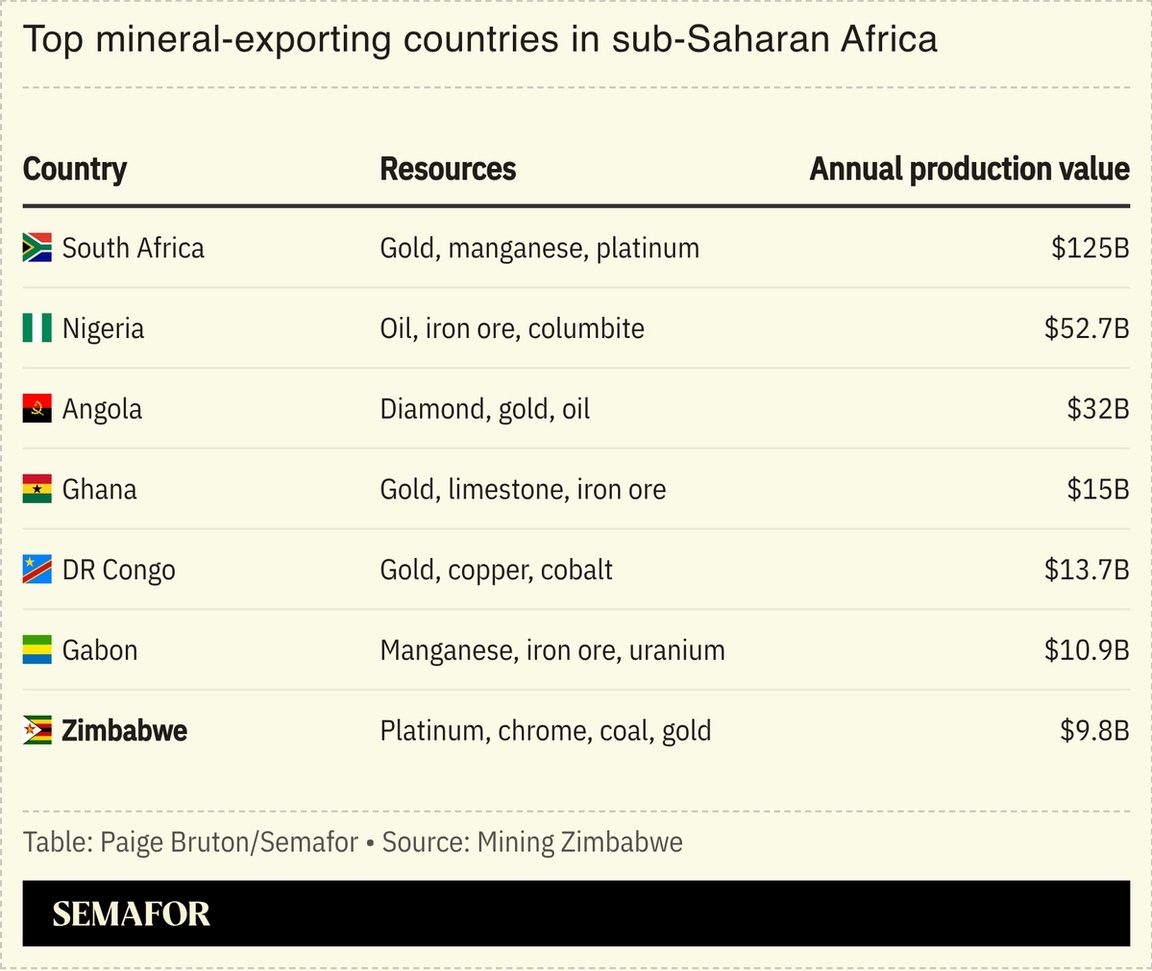 Zimbabwe’s state-owned miner Mutapa Gold Resources plans to double its annual gold production compared to the last financial year to reach 220,000 ounces by 2029. Mutapa said it secured $75 million from Zimbabwean banks to raise output from a key pit located to the northwest of Harare, with more capital expected from foreign lenders. Gold accounted for nearly half of Zimbabwe’s $9.7 billion export revenues last year, as the country hiked royalties to tap into gold price increases that have only recently started to cool. Harare earned $1.2 billion from gold revenues between January and April this year, more than double receipts from the same period in 2025, according to the central bank. |
|
|