Tencent’s gaming exits, Meta’s $299 smart glasses, Anthropic’s AI agent for Slack.
 ͏  ͏  ͏  ͏  ͏  ͏  ͏  ͏  ͏  ͏  ͏  ͏  ͏  ͏  ͏  ͏  ͏  ͏  ͏  ͏  ͏  ͏  ͏  ͏  ͏  ͏  ͏  ͏  ͏  ͏  ͏  ͏  ͏  ͏  ͏  ͏  ͏  ͏  ͏  ͏  ͏  ͏  ͏  ͏  ͏  ͏  ͏  ͏  ͏  ͏  ͏  ͏  ͏  ͏  ͏  ͏  ͏  ͏  ͏  ͏  ͏  ͏  ͏  ͏  ͏  ͏  ͏  ͏  ͏  ͏  ͏  ͏  ͏  ͏  ͏  ͏  ͏  ͏  ͏  ͏  ͏  ͏  ͏  ͏  ͏  ͏  ͏  ͏  ͏  ͏  ͏  ͏  ͏  ͏  ͏  ͏  ͏  ͏  ͏  ͏  ͏  ͏  ͏  ͏  ͏  ͏  ͏  ͏  ͏  ͏  ͏  ͏  ͏  ͏  ͏  ͏  ͏  ͏  ͏  ͏  ͏  ͏  ͏  ͏  ͏  ͏  ͏  ͏  ͏  ͏  ͏  ͏  ͏  ͏  ͏  ͏  ͏  ͏ ­ ­ ­ ­ ­ ­ ­ ­ ­ ­ ­ ­ ­ ­ ­ ­ ­ ­ ­ ­ ­ ­ ­ ­ ­ ­ ­ ­ ­ ­ ­ ­ ­ ­ ­ ­ ­ ­ ­ ­ ­ ­ ­ ­ ­ ­ ­ ­ ­ ­ ­ ­ ­ ­ ­ ­ ­ ­ ­ ­ ­ ­ ­ ­ ­ ­ ­ ­ ­ ­ ­ ­ ­ ­ ­ ­ ­ ­ ­ ­ ­ ­ ­ ­ ­ ­ ­ ­ ­ ­ ­ ­ ­ ­ ­ ­ ­ ­ ­ ­ ­ ­ ­ ­ ­ ­ ­ ­ ­ ­ ­ ­ ­ ­ ­ ­ ­ ­ ­ ­ ­ ­ ­ ­ ­ ­ ­ ­ ­ ­ ­ ­ ­ ­ ­ ­ ­ ­  
Wednesday, June 24, 2026
Tencent winds down its Japanese game studio investments

Good morning. It’s a bloodbath out there, at least from a global markets standpoint, with especially deep losses for tech stocks. (With one notable exception: quantum computing.)

At the time of writing, the Nasdaq composite had fallen more than 1.5%. Ditto the S&P 500. The Dow took a one percentage point dive, then recovered. With them went the biggest tech firms, including Alphabet, Micron, Nvidia, Oracle, and Tesla. (Employees, resist looking at your 401ks today.)

The pain wasn’t limited to the U.S., either. Japan’s Nikkei 225 was down almost 4%. Hong Kong’s Hang Seng Index was down 2%. South Korea’s Kospi dropped a breathtaking 10%, pulled down by double-digit losses for chip makers Samsung and SK Hynix.

Why the dip? Continued AI worries, mostly, stoked by recent economic developments. Investors already weren’t loving record spending by Big Tech with a less-than-clear path to ROI. That’s doubly true in light of news that the Federal Reserve plans to increase rates to combat inflation, making borrowing more expensive.

Batten down the hatches, chipmakers. More tech news below. —Andrew Nusca

Want to send thoughts or suggestions to Fortune Tech? Drop a line here.
Tencent winds down its Japanese game studio investments
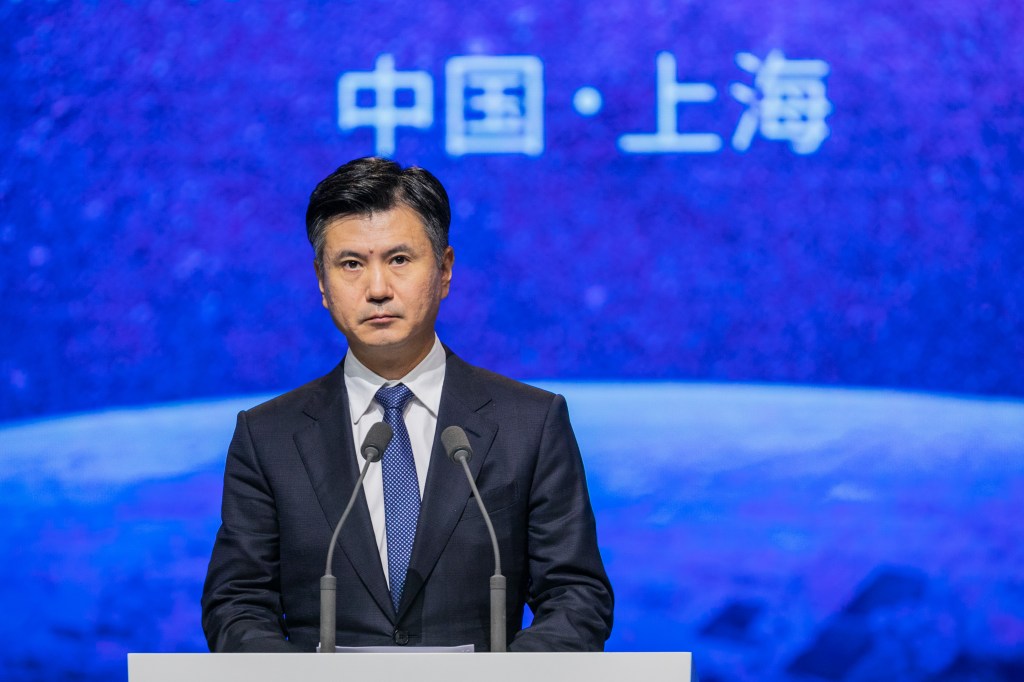
Tencent COO and interactive entertainment group president Ren Yuxin on July 9, 2020 in Shanghai, China. (Photo: Wu Jun/VCG/Getty Images)Tencent COO and interactive entertainment group president Ren Yuxin on July 9, 2020 in Shanghai, China. Wu Jun/VCG/Getty Images

Tencent—the world’s largest gaming firm, one of China’s top tech corporations, and one of the world’s most valuable companies of any kind—is headed for the exits.

No, nothing’s happening to WeChat or QQ or Riot Games or even the Shenzen company’s minority stakes in companies like Epic Games, Ubisoft, or Elden Ring maker FromSoftware. 

But its investments in Japanese game studios? A different story.

Tencent is reportedly looking into exiting several of those businesses as it navigates an industry-wide slump in gaming and looks to accelerate its AI investments to compete with Chinese peers Alibaba and ByteDance.

“The company is casting a critical eye over its investments and assessing which still hold promise to be high performers, while also making new bets where it sees potential for growth,” reads a new Bloomberg report. “Among the criteria for Tencent to exit an investment, the company considers whether its envisioned synergies with a portfolio company may have lapsed.” 

In 2020, Tencent made a broad push to invest in what it perceived as undervalued creative studios. It made minority investments in dozens of organizations, among them Story of Seasons maker Marvelous, Spec Ops: The Line maker Yager, PlatinumGames, Voodoo, and Wake Up Interactive. It also bought several outright, including Leyou Technologies ($1.5 billion), Funcom ($148 million), and Hypixel Studios ($60 million, via Riot Games).

According to Bloomberg, Marvelous is among those “on the chopping block” while PlatinumGames and Kadokawa-owned FromSoftware are safe. 

Despite the audit, the conglomerate has no plans to exit gaming and said in a statement that the category is “core to Tencent’s business.” Based on its AI investments, that tracks. In March, Tencent promised to increase its capital expenditures beyond last year’s $11.5 billion to benefit its Hunyuan AI model, OpenClaw agentic AI suite, and Yuanbao AI chatbot—all of which will be incorporated in game development. —AN
Meta debuts $299 smart glasses
It’s a race to the bottom.

Meta, which found a hit with its Ray-Ban and Oakley smart glasses, on Tuesday rolled out lower-priced models carrying its own branding and priced at $299—about $80 less than specs carrying a licensed logo from the sprawling portfolio of eyewear giant EssilorLuxottica and right on target for the average price of prescription glasses in the U.S.

Despite the lack of one of its household-name logos, EssilorLuxottica is still manufacturing the Meta-branded and designed frames, which feature the company’s new Muse Spark AI model out of the box. (The glasses carry a subtle EssilorLuxottica logo, notes Bloomberg.) 

There are two horn-rimmed, squared-off styles: the thinner Adventurer and the chunky Fury. Meta also announced a $399 oval-shaped pair called Starfire, made in collaboration with Kylie Jenner. All three frames come in various colors and lenses and are currently for sale.

The new Meta frames arrive as Apple readies its own smart glasses, expected late next year. They’re likely to be the first major competition to Meta’s smart glasses, which have been on the market since late 2021 but gained traction in late 2023.

Expect competition to be fierce. Bloomberg adds that Meta is considering an even cheaper version of its glasses without a camera, which would support phone calls, media playback, and AI interactivity—slightly easing the privacy and biometric concerns that have dogged the product since its introduction. —AN
Anthropic launches agentic AI coworker for Slack
Anthropic has released a version of its popular chatbot Claude that operates like a virtual employee. 

Claude Tag, the new product, works across organizations within Slack to complete various tasks for teams. It’s similar to Anthropic’s popular agentic offerings Claude Code and Cowork. 

After an employee directs Claude Tag to complete a task, the bot will break that down into stages and work through them independently—delivering the final result to a team via Slack. 

Anthropic says Claude Tag has been designed with enterprises in mind and has features that let all members of a company access a single Claude “identity,” meaning all employees can collaborate with the same tool and hand off half-finished tasks to one another. 

The tool also learns from the company it’s embedded in over time. Anthropic says the bot can get up to speed on company information across channels without every user having to explain the context of each task. 

Within Anthropic, Claude Tag is already approving and incorporating 65% of the code changes the product team submits, according to Wu.

The release is part of a larger push into the enterprise market from Anthropic. As the company heads toward a likely IPO this year, the lab has been keen to court enterprise customers, who represent a more predictable and sustainable revenue base than direct consumer use.

Anthropic has been making recent gains in the market despite fierce competition from fellow AI labs like OpenAI and Big Tech companies such as Google. According to Ramp’s May AI Index, which draws on corporate spending data across more than 50,000 U.S. companies, Anthropic had pulled ahead of OpenAI in business adoption for the first time, with 34.4% of firms paying for its services against OpenAI’s 32.3%. Claude Code, Anthropic’s agentic coding tool, was the primary driver of that shift. —Beatrice Nolan
More tech
Walmart acquires Vibe.co, which facilitates advertising on connected TVs, for a reported $1.4 billion.

Cerebras shares drop 8%, despite doubled revenue, after the company said it would continue operating at a loss.

Meta enters the prediction markets biz. It’s reportedly building a standalone app called Arena.