Hello Power Up readers,
Perhaps we should be used to this by now. Just when it seems like events in the Middle East are taking a step or two forward, they take a step back. Nothing reflects this more than the United States and Iran’s current back-and-forth around the Strait of Hormuz.
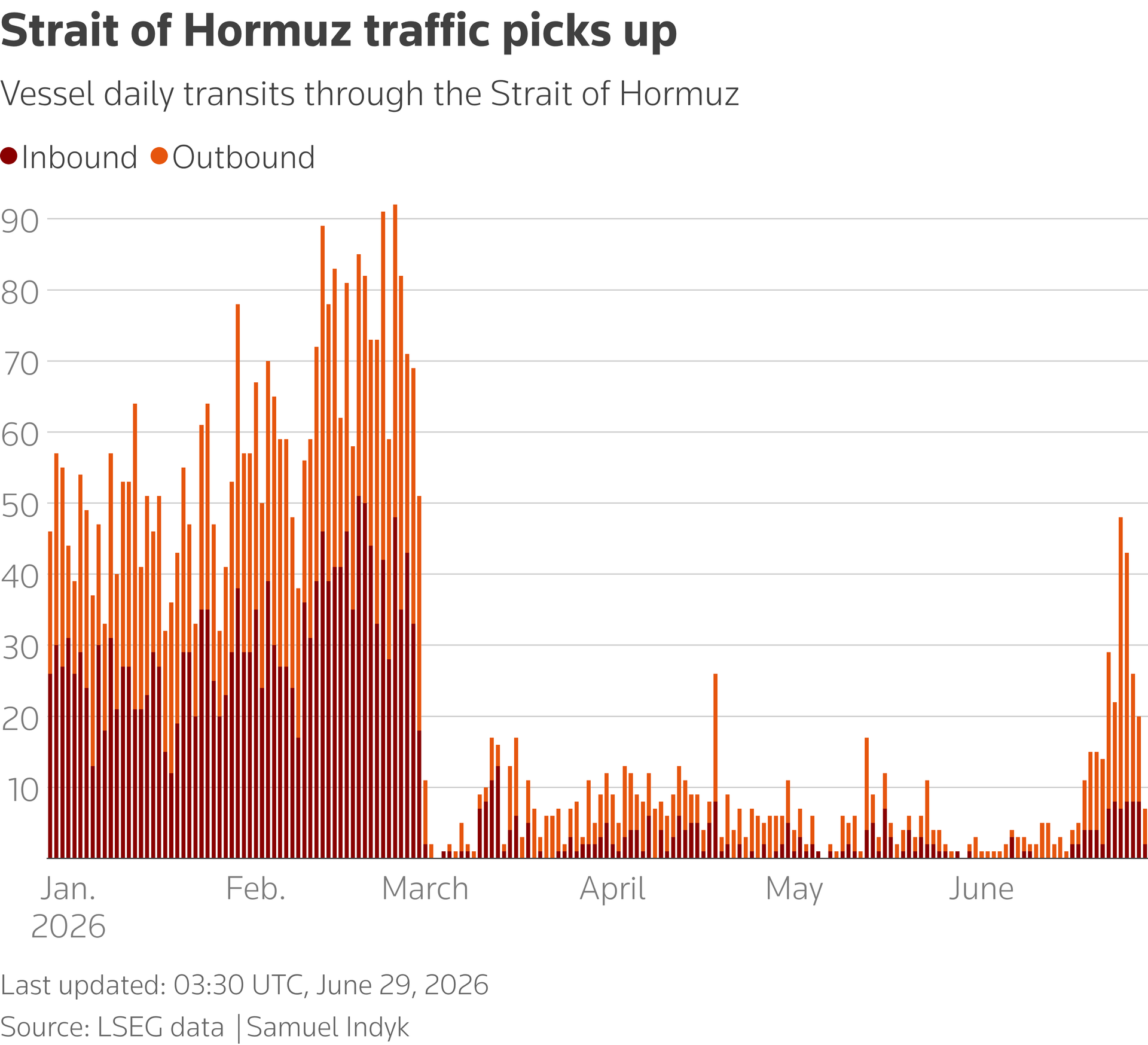
Ship traffic through the narrow waterway picked up significantly last week, instilling confidence that the June 17 memorandum of understanding between the two parties would result in a permanent end to the war.
But the mood has soured since Thursday following a series of strikes and counter-strikes after an Iranian projectile hit a cargo vessel in the strait on Thursday. Both the U.S. and Iran have accused the other of breaking the interim ceasefire.
Keeping to his usual script, President Donald Trump responded to the tit-for-tat strikes by threatening the Islamic Republic with obliteration if it did not honour the agreement to end the war. Within hours, Iran and the United States agreed to halt hostilities and renew talks regarding their dispute.
It’s likely we’ll see this familiar dance repeatedly in the coming months as Washington and Tehran tussle over the agreement.
Energy shipping out of the Middle East dropped sharply amid the flare-up from 18 vessels on Thursday to just 4 on Sunday, according to LSEG data. But transits appeared to pick up on Monday.
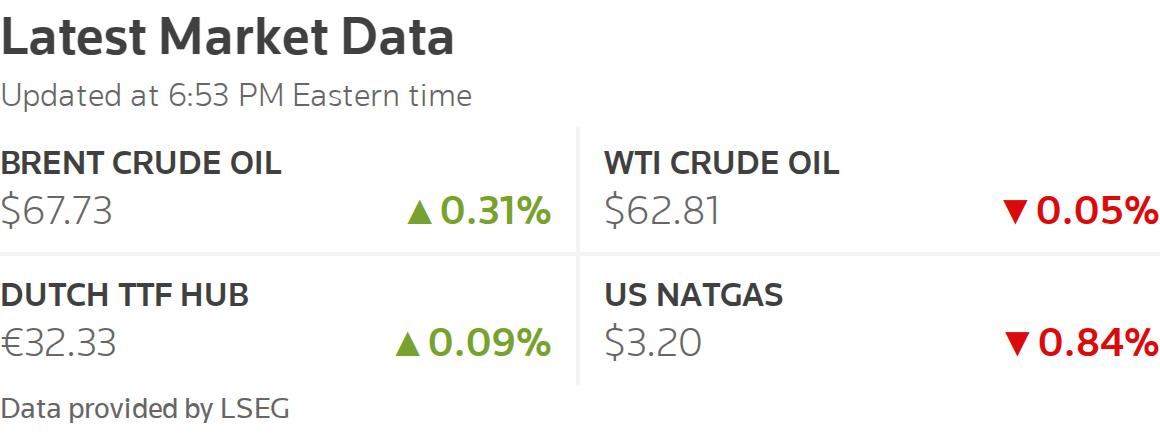
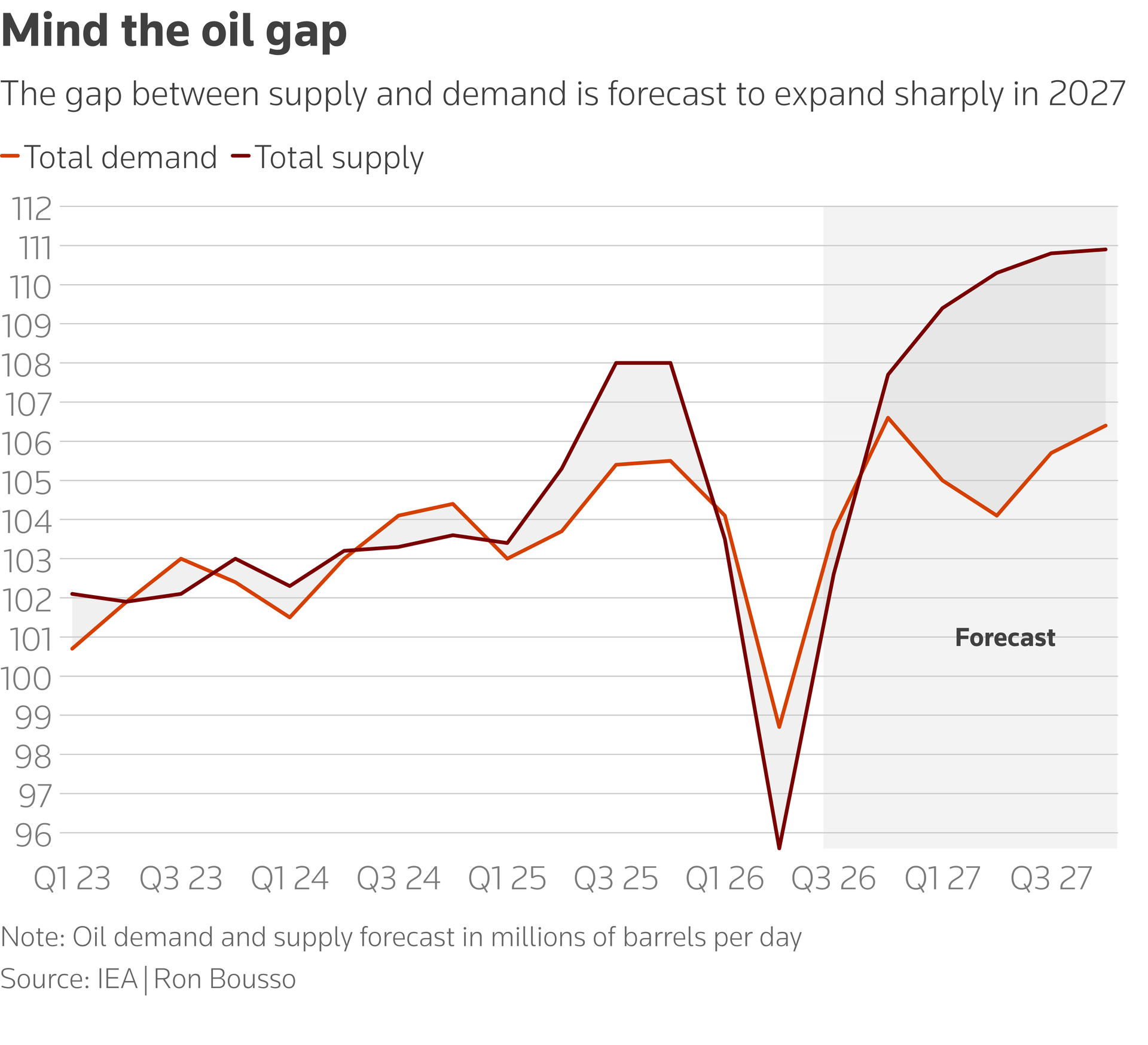
Oil prices barely reacted to the renewed tensions, holding near pre-war levels of $73 a barrel. The slide might, at first glance, suggest business as usual has returned to the Gulf, the world’s most important oil and gas hub. But beneath the surface, the market is anything but orderly. More on this below
Here are some more headlines: