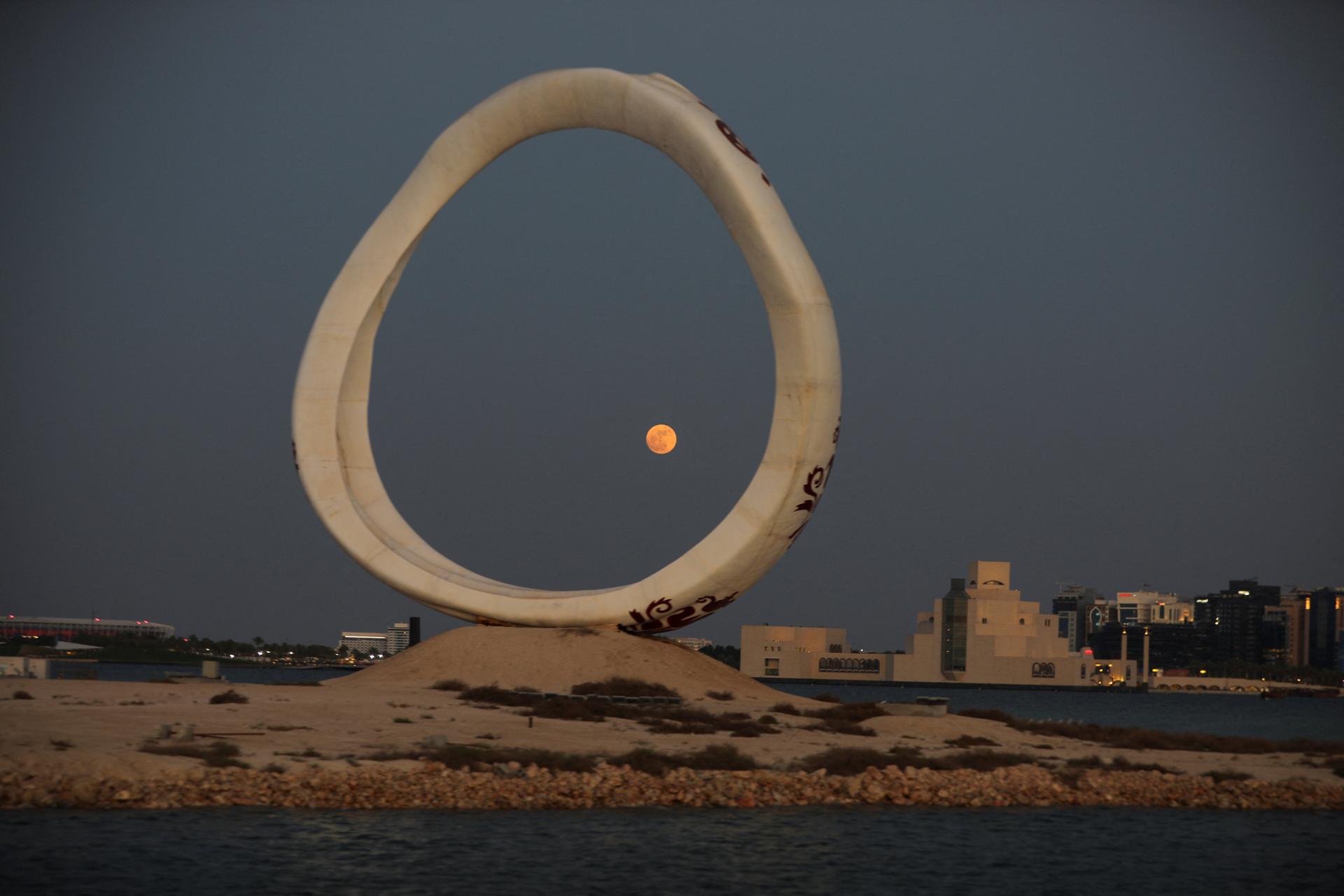
The moon rises over Doha, Qatar, June 29, 2026. REUTERS/Bassam Masoud |
-
The US Supreme Court's decision to hand Donald Trump broad authority to fire regulatory agency heads caps off a decades-long conservative push to strengthen the president's grip on key levers of government power. Today the court is due to rule on whether to let Trump restrict birthright citizenship in the US.
-
Britain will unveil its long-delayed Defence Investment Plan, prioritizing £5 billion of investment in drones and a focus on autonomous systems, to try to modernize and build up its depleted armed forces at a time of rising threats.
-
Workers stayed home, shops were shut and buses sat idle across South Africa, as demonstrators gathered across the country for anti-immigrant marches that many fear will descend into violence. Correspondent Nellie Peyton is on the Reuters World News podcast with more.
- Frustration rose across Venezuela over a lack of government help in areas struck by deadly twin earthquakes five days ago, with miracle rescues increasingly rare and the death toll hitting more than 1,700.
-
NATO is adjusting to a shifting security landscape and the United States is not seeking to leave the alliance, Turkish Defence Minister Yasar Guler told Reuters ahead of a NATO summit in Ankara next week.
-
Germany should end a boycott of Russian oil and gas to bolster its flagging economy, the leader of the far-right Alternative for Germany, Alice Weidel, told Reuters as she outlined the party's ambitions to lead a national government.
|
|
|
|
-
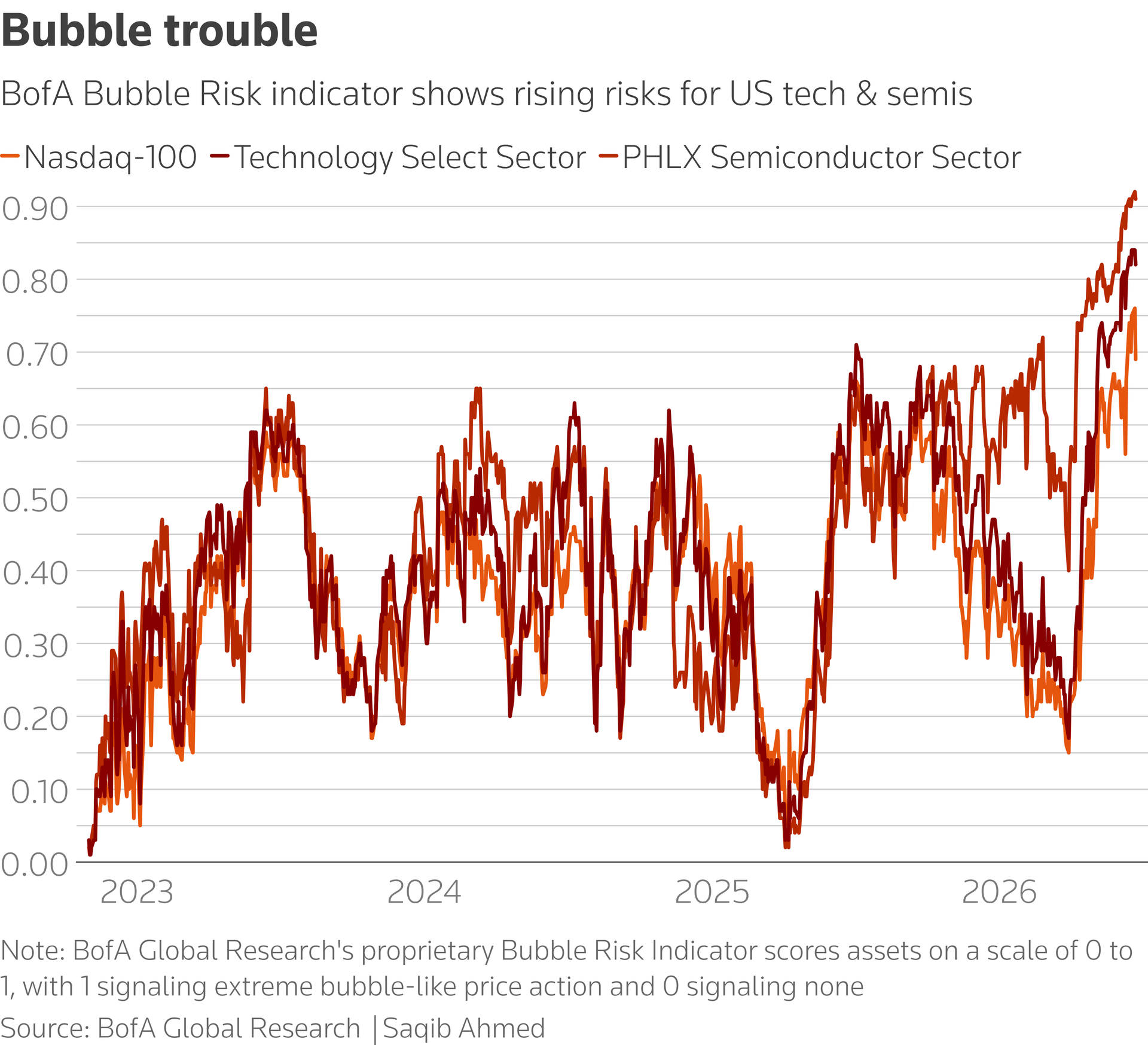
Soaring stock market valuations, dramatic swings in the market value of trillion-dollar companies, and periodic sharp selloffs have fueled growing concerns that parts of the US stock market may be in a bubble.
- Ferrari and BMW are rolling out new models featuring lightweight, cost-effective aluminum wiring, accelerating a shift away from copper, the dominant material in electric wiring since the invention of the electric battery two centuries ago.
-
A bipartisan group of US lawmakers has opened national security investigations into whether drugmakers Merck and AbbVie have been involved in clinical trials conducted in China that helped fuel the communist country's military capability, according to letters seen by Reuters.
-
Sensitive lists of components and suppliers, and photos of Apple's upcoming iPhone 18 Pro models are part of files posted on the dark web by the ransomware group that stole data from the US firm's Indian supplier Tata Electronics, according to documents and a source.
-
Technology true believers argue digital cash does not need an institutional backstop. In this episode of The Big View podcast, Gaston Gelos of the Bank for International Settlements tells Peter Thal Larsen why stablecoins and other tokens still need central banks to work smoothly.
|
|
|
|
Yana Hrynko shows a bird's nest made with fragments of optic fibre which was found by a Ukrainian serviceman on the front line. Kyiv, Ukraine.REUTERS/Valentyn Ogirenko |
Woven from fiber-optic cable and grass, a small bird's nest found near the front line of the war in Ukraine shows how the more than four-year-old conflict is reshaping the natural environment, researchers say.
Areas along the 746-mile front line are covered with ultra-thin fiber-optic cables, which are used by Ukrainian and Russian troops to guide aerial attack drones to make them impervious to electronic jamming. The cables lie tangled in trees and scattered across fields and on the rooftops of towns in Ukraine's frontline regions, glistening in the sunlight like giant spider webs.
Birds have begun repurposing the discarded cables to weave their nests, says Yana Hrynko, a senior researcher at Kyiv's War Museum. |
|
|
|
|