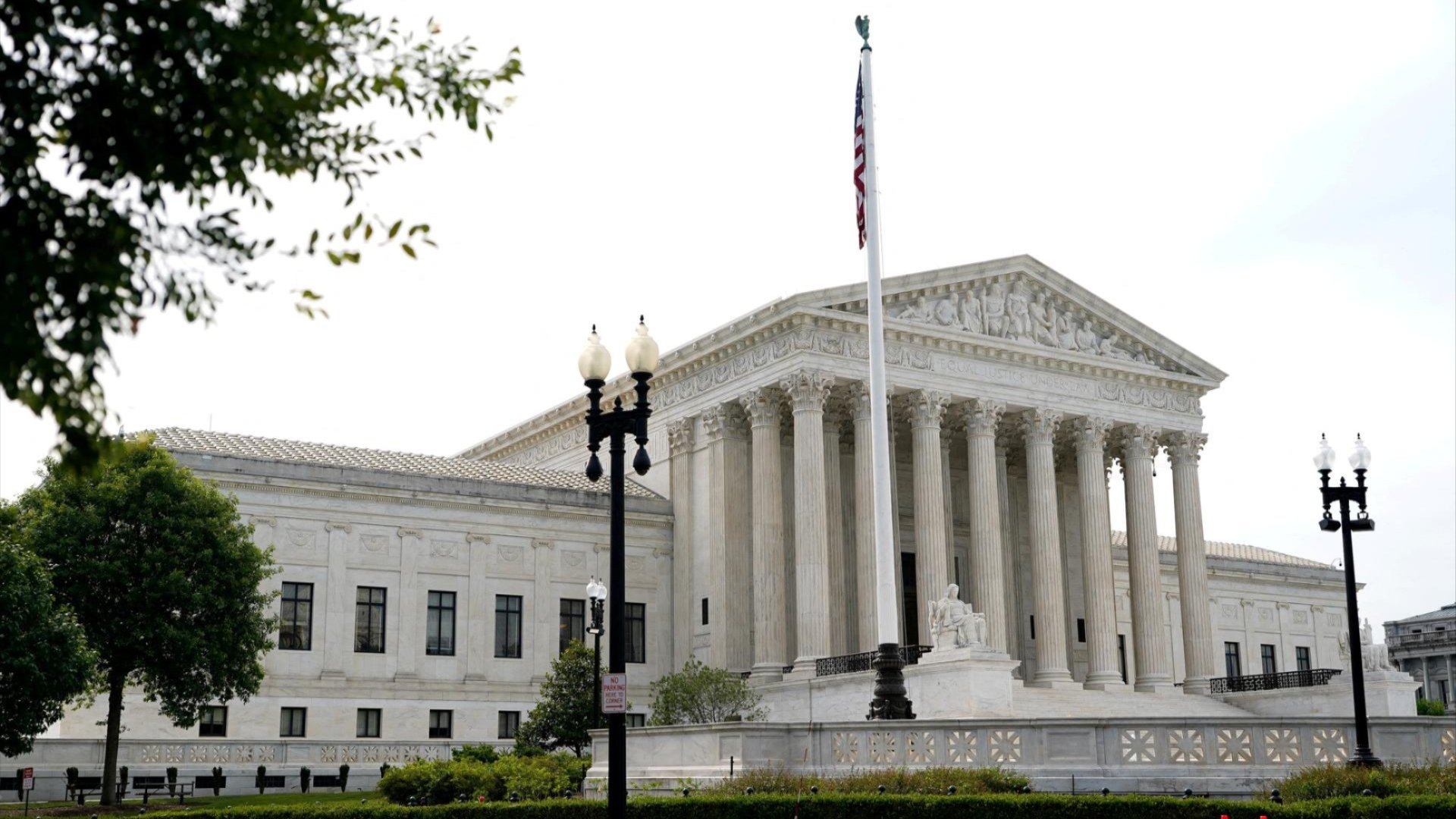
The U.S. Supreme Court is set to issue the final rulings of its nine-month term this morning, including a case involving President Trump's bid to limit birthright citizenship. Let’s take a look.
What is birthright citizenship?
Anyone born in the United States is considered a citizen at birth, which derives from the Citizenship Clause of the 14th Amendment that was added to the U.S. Constitution in 1868. Read more here.
On March 28, 1898, the Supreme Court ruled that the 14th Amendment grants citizenship by birth on U.S. soil, including to those whose parents were foreign nationals. Here are some stories we ran about the great-grandson of the plaintiffs in that case, including one on his hopes from this new Supreme Court case.
What happened at arguments?
Trump attended them, which was a first for a sitting president. But most of the court’s nine justices seemed unwilling to back Trump’s effort to limit birthright citizenship, signaling that the administration's arguments backing Trump's effort are legally invalid and inherently impractical. Read more about the arguments here.
Not all the justices appeared to doubt Trump's policy, however. Conservative Justice Samuel Alito, for instance, seemed receptive to the administration's argument that birthright citizenship should be extended only to those with "lawful domicile" in the U.S., which lawyers for the administration define as "lawful, permanent residence within a nation, with intent to remain." Read more about that here.
How many other cases are left?
Three. There’s a Republican challenge to campaign finance limits in a case involving Vice President Vance (more about that case here) and two disputes over West Virginia and Idaho’s crackdown on transgender athletes (read more about those arguments here).