Hello,
South Africa was once heralded as a beacon of hope and peace, as Nelson Mandela guided the country from the shackles of apartheid to multi-racial democracy. But now it has drawn condemnation for a shocking wave of abuse and violence towards African immigrants.
Today, demonstrators are due to gather across the country for anti-immigrant marches that many fear will descend into violence. Tuesday marks a "deadline" set by the demonstrators for all undocumented migrants to leave. Before we get into the context of the rising anti-immigration sentiments around the world here are some top ESG-rollback stories on my radar: |
|
|
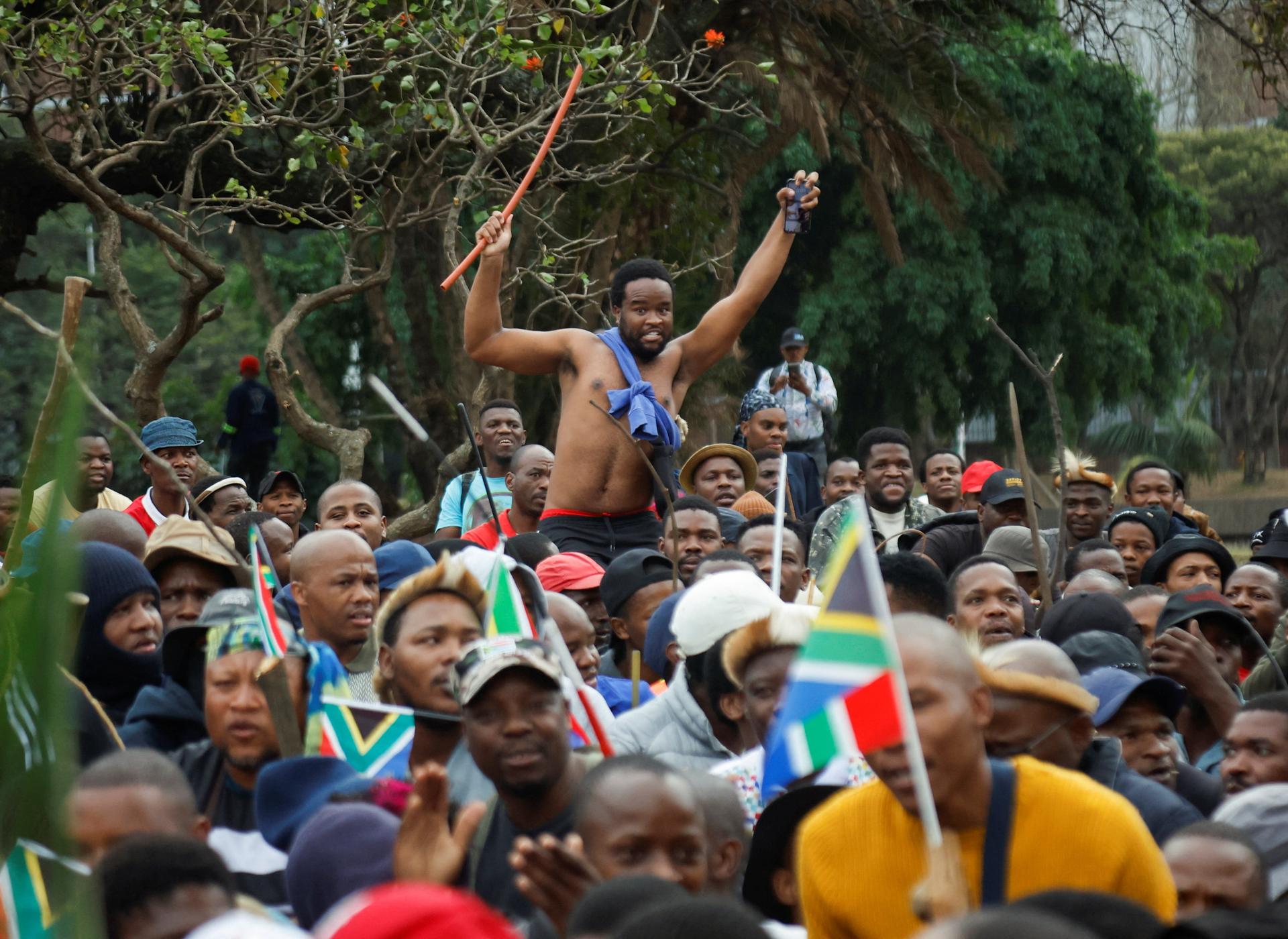
Anti-immigrant protesters march on the day of a deadline set by anti-immigrant groups for all undocumented migrants to leave, in Durban, South Africa. REUTERS/Rogan Ward |
Thirty years since the end of apartheid, South Africa remains unequal, economic growth is slow and a third of people are out of work.
Historically, the apartheid government used migrant labour from all over Africa to keep wages low in gold mines and to undermine unions, a policy burned into the collective memory. Today, a third of people are out of work, one of the world's highest unemployment rates. Inequality is the highest in the world, by some measures.
Despite this, it remains Africa’s largest economy and continues to draw migrants. The immigrant population stands at about 3 million or about 4% of the total, according to StatsSA – a relatively low share by global standards. In Britain the proportion is 17%, Canada 22% and Australia 30%, according to 2024 U.N. data.
"The impression is that there are ... hordes of people coming into the country, but the data points to the contrary," Anthony Kaziboni, senior researcher at the University of Johannesburg's Centre for Social Development in Africa, said. South African officials note that Western countries face similar tensions over immigration, often fuelled by divisive politics and misinformation.
In fact, there’s an insightful longread I urge you all to read that highlights the effects of the rising anti-immigration sentiment in Britain that I’ve used in today’s ‘Talking Points’ – similar to the story on marginalized groups fearing for their safety after racist riots that I wrote about in 2024. |
|
|
|
Who is behind it and why? |
March and March is a South African group founded in Durban in 2024 by former radio presenter Jacinta Ngobese-Zuma.
The movement's core message is that South African citizens should be prioritized for jobs, healthcare, housing and other public resources, often using slogans such as "Put South Africans First" and calling for stricter immigration enforcement and deportations of undocumented migrants.
Immigrants are blamed for taking jobs, driving crime and putting pressure on public services – claims that social scientists say lack evidence. Migrants have interpreted the deadline as a physical threat.
At least five people have been killed in violence since protests began in April, with thousands driven from their homes or seeing their businesses and property vandalised. In such attacks, which have recurred sporadically in South Africa since 2008, little distinction is made between those who entered legally and those who did not.
Landlords in Durban and Johannesburg were illegally evicting foreign tenants for fear of their buildings being vandalised, witnesses said. "All these people, they were chased out by their landlords," said Mabako Majole, a leader of the Congolese community, standing beside around 100 people sleeping rough in downtown Durban. "All these people are legal. They have documents."
The marches in several cities are expected to draw many thousands of mostly poor or unemployed South Africans who blame foreign nationals for their hardships. The wave of anti-immigrant sentiment, and what critics say is a failure by police to protect victims, have tarnished South Africa's post-Mandela reputation as a defender of human rights and strained ties with other African nations.
Click here for a fact-based piece debunking the claims made by groups such as March and March. |
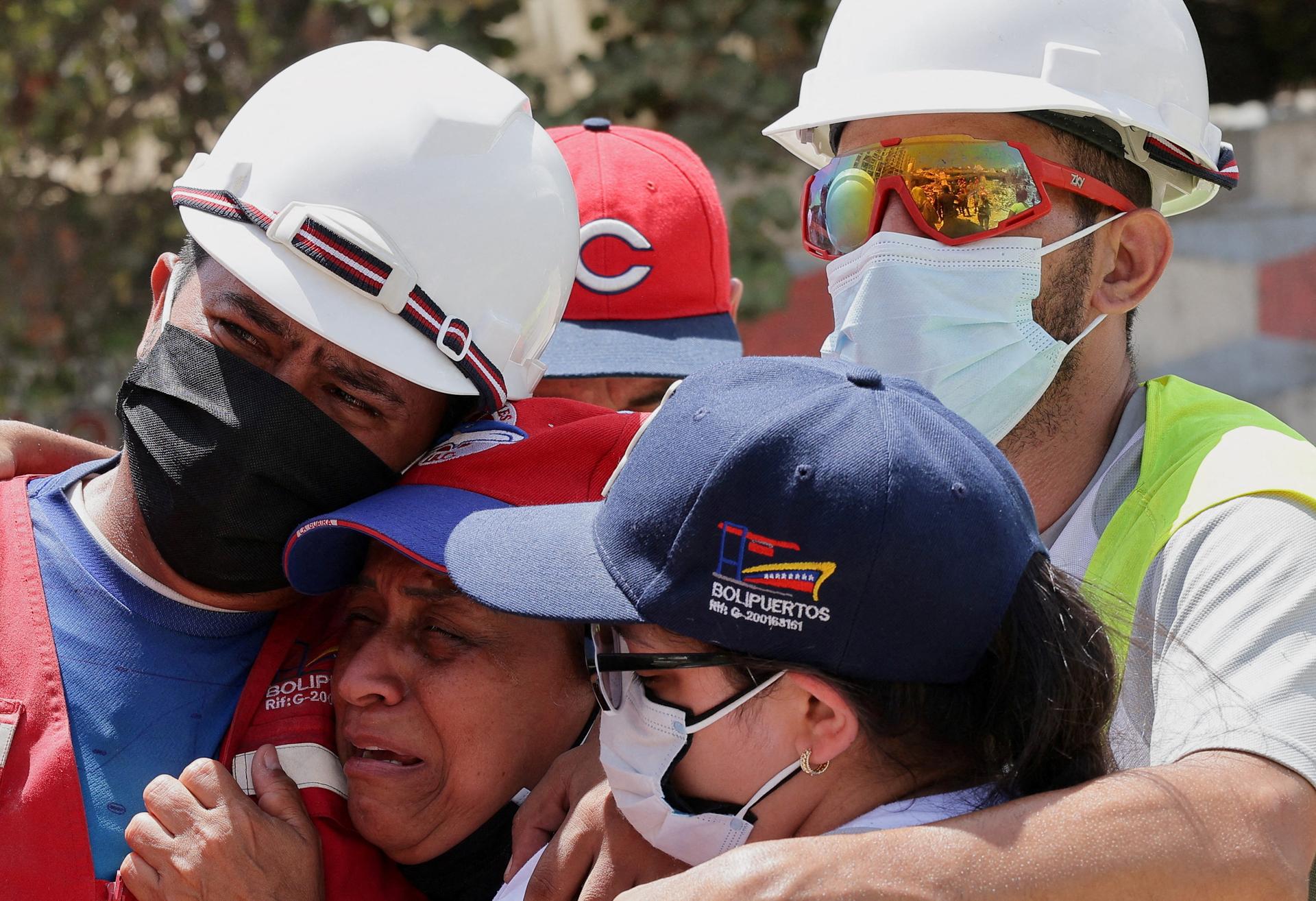
People react to news delivered by a rescue team, in the aftermath of earthquakes in La Guaira, Venezuela. REUTERS/Gaby Oraa |
-
Venezuela earthquake aftermath: Frustration grew across Venezuela over the lack of government aid in areas hit by twin earthquakes five days ago, as rescue hopes faded and the death toll topped 1,700 on Monday. Opposition leader Maria Corina Machado said the government had blocked her return from Panama, underscoring tensions over the recovery effort. Click here for the full Reuters story.
- Afghanistan earthquake: A strong earthquake struck Afghanistan's Hindu Kush region over the weekend, the European Mediterranean Seismological Centre said, sending out tremors that could be felt from the capital Kabul across the border into neighbouring Pakistan.
-
Europe heatwave: Europe is continuing to feel the impact of a record-breaking heatwave that has caused hundreds of excess deaths and disrupted daily life across the continent for more than a week, with growing concerns over the spread of wildfires. For Western Europe, where temperatures have dipped from record June highs, there was also a warning that the heat was likely to build again next week.
-
World Cup heat dome: Extreme heat will greet fans and players this week at the World Cup, as a weather phenomenon known as a "heat dome" - a large area of high pressure that traps heat and humidity - could lead to dangerously high temperatures, with heat indices set to hit 105 to 115 degrees Fahrenheit (40-43 degrees Celsius) in parts of the Midwest and East Coast, according to the U.S. National Weather Service.
-
Britain’s rise in racism: Reuters spoke to policy experts and 10 trade unions, whose members have reported an increase in racist incidents, including some patients refusing care because of a nurse's race, an increase in racist remarks in the workplace, and migrant workers reporting experiences of racism at work. The Royal College of Nursing, as an example, reported a 55% rise in workers experiencing racial discrimination since 2022. Click here for the full Reuters story.
|
|
|
|
Reggie Ferreira, director of the disaster leadership academy at Tulane University's School of Social Work, shares his thoughts on the mental toll of these heatwaves: “Weather extremes fueled by El Niño can impact mental health before, during, and after major events such as the World Cup.
“Extreme heat, storms, flooding, drought, and shifting weather patterns can create immediate stress, anxiety, sleep disruption, fatigue, irritability, and other trauma-related symptoms. “Athletes may face performance pressure and concerns about heat-related illness, while fans may experience stress from potential travel disruptions, such as flight delays or cancellations, overcrowding, and general safety concerns. “World Cup workers and volunteers may be especially vulnerable because of long hours, physical exposure, and limited control over working conditions, particularly those who spend extended periods outdoors. “Over time, repeated climate-related events can contribute to depression, burnout, substance misuse, eco-anxiety, grief, and a weakened sense of safety and stability.
“These risks highlight why mental health support should be an integral part of disaster planning and major-event preparedness.” |
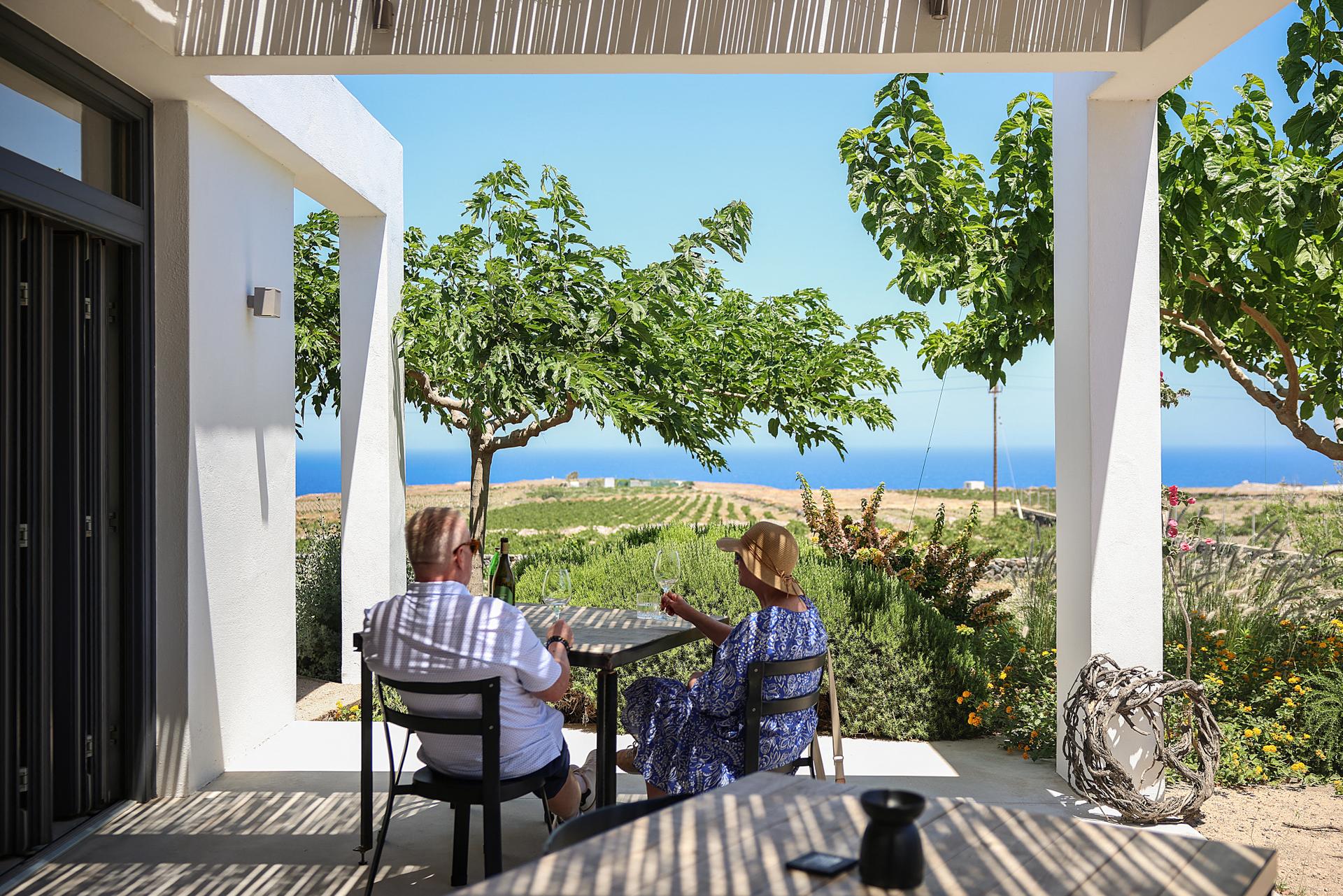
An American tourist couple tests wines at Yiannis Papaeconomou's winery and vineyards in Santorini, Greece. REUTERS/Louisa Gouliamaki |
Sticking with the topic of deadly heatwaves, today’s spotlight shines on a lesson in climate adaptation, as a winemaker on the Greek island of Santorini is testing a pilot project with local authorities and scientists to take wastewater from homes and hotels to irrigate a vineyard.
Click here to learn more about the methods used by winemaker Yiannis Boutaris to make irrigation more efficient, especially as the island faces low rainfall and searing temperatures. |
|
|
|
|