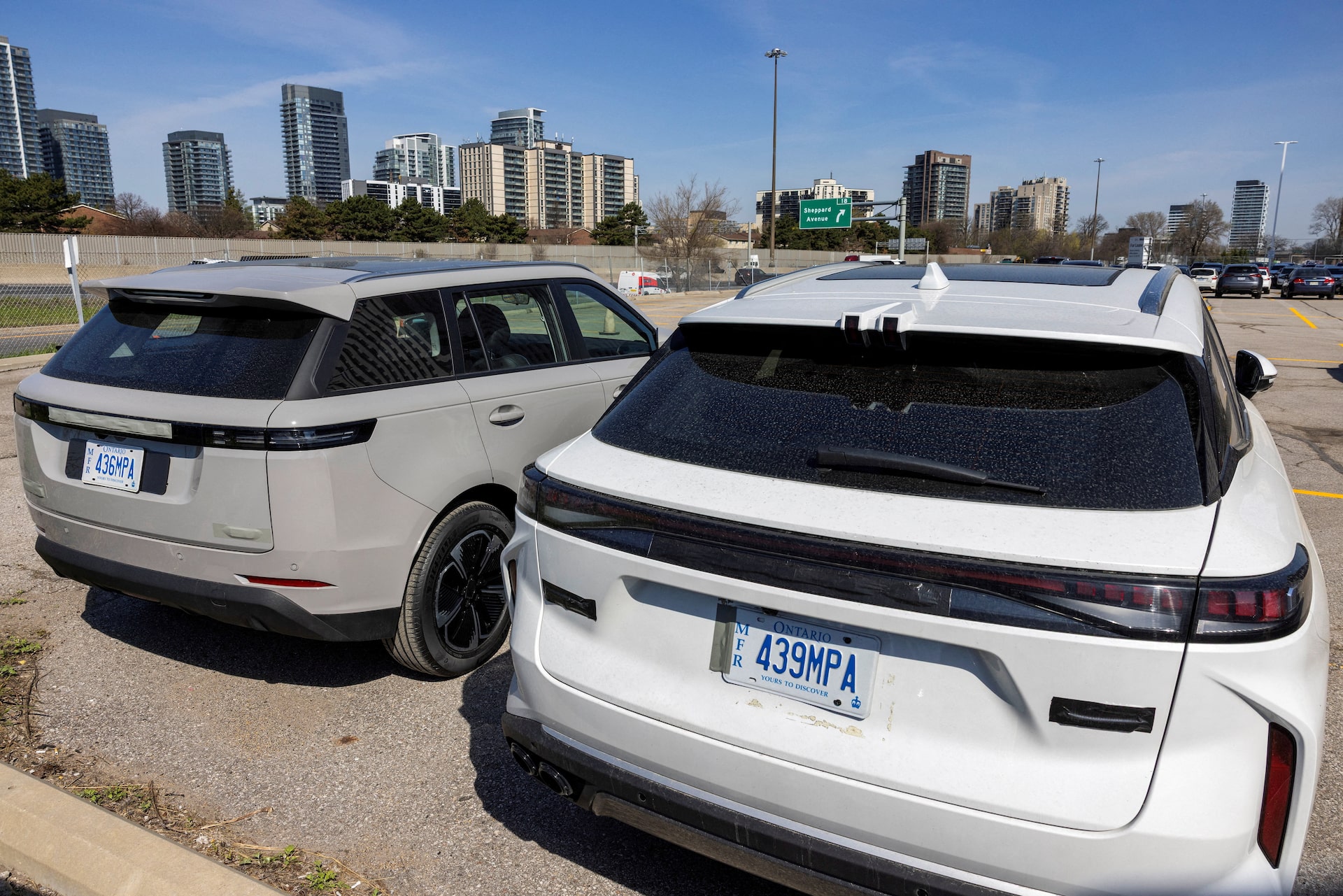
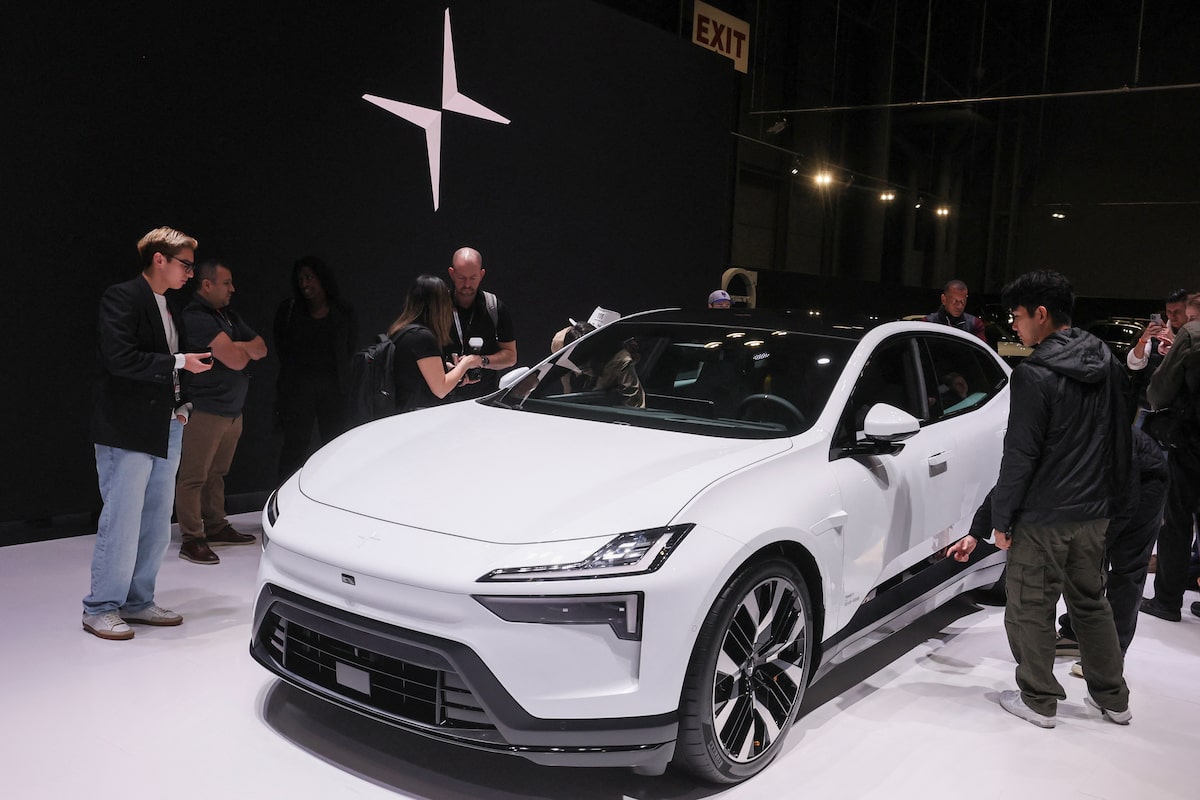
Part of Prime Minister Mark Carney’s push to reduce Canada’s dependence on the U.S. economy included a trade deal allowing Chinese automakers to import up to 49,000 EVs a year, rising to 70,000 over the next five.
Several Chinese automakers are rushing to set up sales in Canada, including Chery, BYD, Lotus and state-owned Changan, but industry experts say Canada is not the prize. The massive U.S. market next door is.
You can read all about it here.
Splitting 49,000 EVs between Tesla and Polestar leaves China’s carmakers with not very much. Going back to the example of Israel, Chinese carmakers sold almost 95,000 cars there in 2025 in a market less than a sixth the size of Canada’s.
Yes, the U.S. car market is currently closed to China and lawmakers are pushing to make it ever more so.
But few experts believe it can stay shut forever. And the Chinese take a long view of business that western rivals do not – for instance, China’s government has pushed dominance of the EV supply chain for a couple of decades now.
Chinese automakers make no secret of their desire to sell in the world’s second-largest and most lucrative car market.
And if you want practice for that, there’s no better place to start than Canada.
Canadians buy similar cars, using the same financing tools in dealers that are often part of cross-border groups.
Moving from Canada to the U.S. market would be like “flipping a switch”, one expert said.