Welcome to this special edition of Ground Game to wrap up the U.S. Supreme Court's term.
On its last day in session until October, the high court on Tuesday issued opinions on some of the term's most highly anticipated cases, including birthright citizenship.
The court upheld a broad conception of the policy, rejecting President Donald Trump’s executive order declaring that children born to people who are in the United States illegally or temporarily are not American citizens.
Plus, we round up some of the major decisions from this term, and pay tribute to AP's court watcher Mark Sherman, who is bidding us farewell after two decades covering the high court. |
|
|
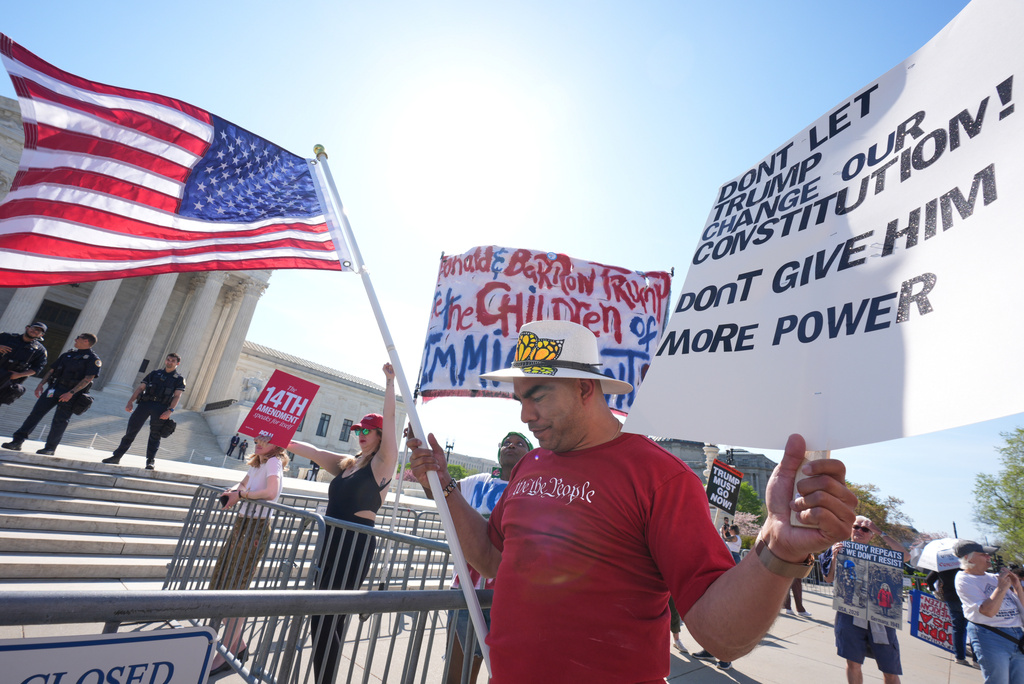
Michael Martinez prays as he joins supporters of birthright citizenship at a rally outside the Supreme Court while the justices hear oral arguments on whether President Donald Trump can deny citizenship to children born to parents who are in the United States illegally or temporarily, on Capitol Hill, in Washington, Wednesday, April 1, 2026. (AP Photo/J. Scott Applewhite) |
Supreme Court upholds birthright citizenship, rejecting Trump’s proposed limits — By Mark Sherman
The justices relied on a long-settled understanding of the 14th Amendment, adopted after the Civil War, and more recent federal laws in ruling that anyone born in the country, with very limited exceptions, is a citizen.
The Republican president's restrictions had been blocked by several lower courts and had not taken effect anywhere in the U.S.
During arguments in April, both conservative and liberal justices questioned the order’s legality in a momentous case that was magnified by Trump’s unprecedented attendance in the courtroom.
The case framed another test of Trump’s assertions of executive power that defy long-standing precedent for a court with a conservative majority and a robust view of presidential power that has largely ruled in his favor. In the notable exceptions when the court has not, Trump has responded with starkly personal criticisms of the justices.
The justices ruled on Trump’s appeal of a lower-court ruling from New Hampshire that struck down the citizenship restrictions.
The birthright citizenship order, which Trump signed on the first day of his second term, is part of his administration’s broad immigration crackdown.
Birthright citizenship was the first Trump immigration-related policy to reach the court for a final ruling. The justices previously struck down global tariffs Trump had imposed under an emergency powers law that had never been used that way.
Read more from Sherman on the birthright citizenship opinion. |
|
|
|
Supreme Court backs state laws banning transgender girls from sports |
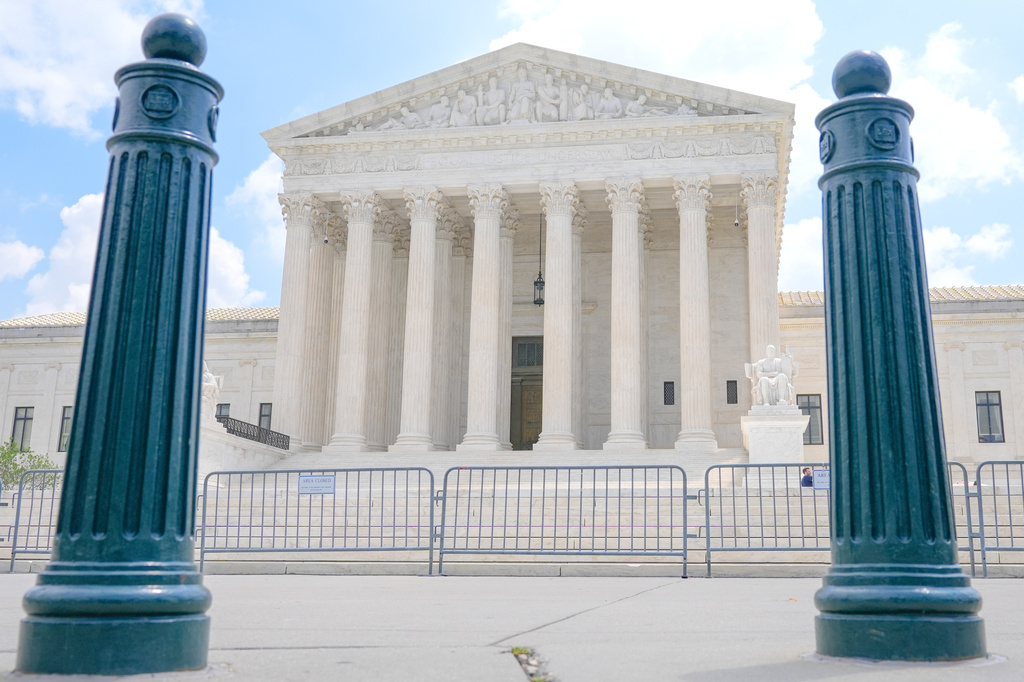
The U.S. Supreme Court is seen Monday, June 29, 2026, in Washington. (AP Photo/Mariam Zuhaib) |
Supreme Court upholds state laws banning transgender girls and women from school athletic teams — By Mark Sherman
The Supreme Court on Tuesday upheld state laws barring transgender girls and women from playing on school athletic teams, in another setback for transgender people.
The court’s conservative majority, which has repeatedly ruled against transgender Americans in the past year, ruled that state bans in Idaho and West Virginia don’t violate the Constitution or the federal law known as Title IX, which prohibits sex discrimination in education.
More than two dozen other Republican-led states have adopted bans on female transgender athletes, and the decision seems certain to extend to them as well.
Left unresolved by the outcome are lawsuits challenging state laws and regulations in Connecticut, California and elsewhere that permit transgender athletes to compete consistent with their gender identity.
Read more from Sherman on the transgender athlete ruling. |
|
|
|
Supreme Court erases party spending limits in federal elections |
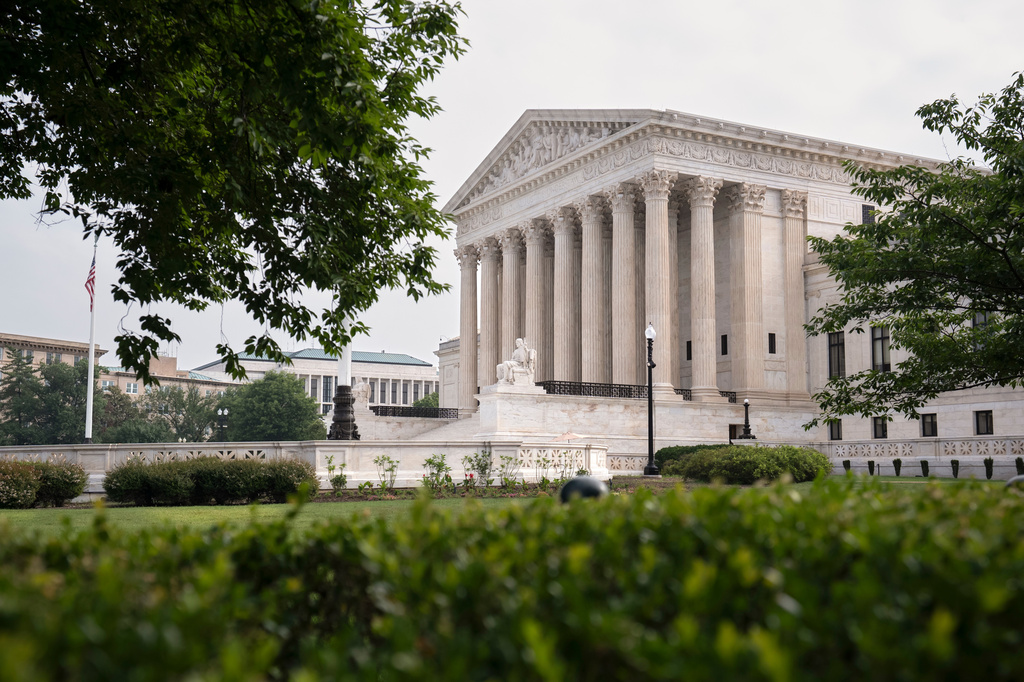
The Supreme Court is seen as the Justices release opinions, in Washington, Monday, June 29, 2026. (AP Photo/J. Scott Applewhite) |
Supreme Court strikes down limits on party spending in federal elections, backing Republican appeal — By Mark Sherman
The Supreme Court on Tuesday erased limits on how much political parties can spend in coordination with candidates for Congress and president, striking down a federal election law that is more than 50 years old.
Prodded by a Republican-led lawsuit that includes Vice President JD Vance, the court's conservative justices were again in the majority of the latest decision that upended congressionally enacted limits on raising and spending money to influence elections. The court’s 2010 Citizens United decision opened the door to unlimited independent spending in federal elections. The limits on party spending stem from a desire to prevent large donors from skirting caps on individual contributions to a candidate by directing unlimited sums to the party, with the understanding that the money will be spent on behalf of the candidate. The Supreme Court had previously upheld the limits, in 2001.
Read more from Sherman on the federal election spending ruling. |
|
|
|
Other major decisions from the close of this Supreme Court term |
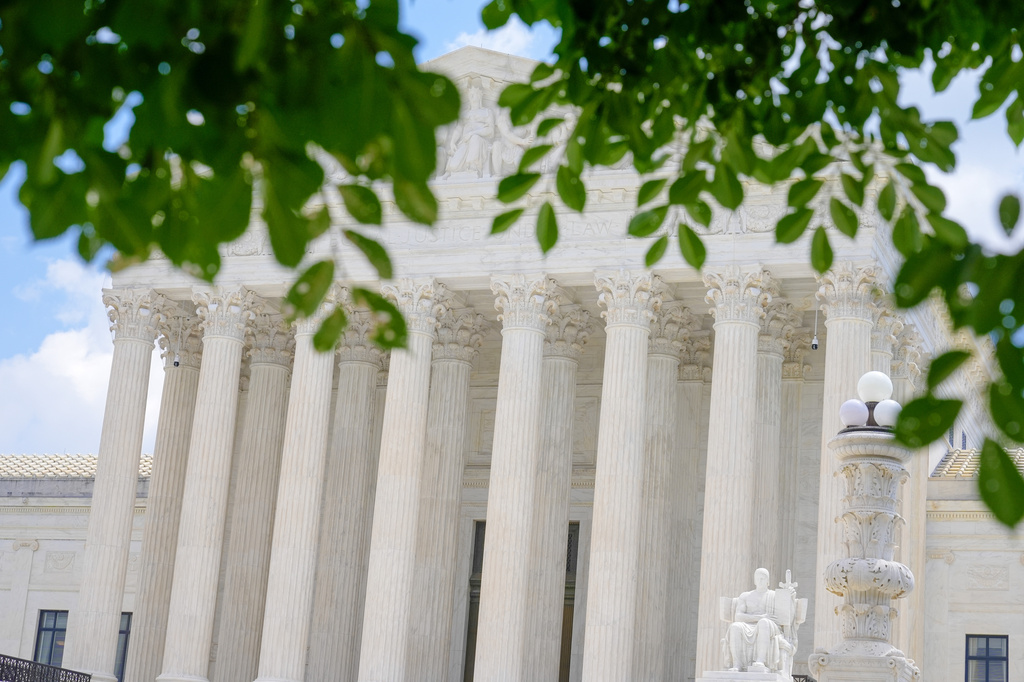
The U.S. Supreme Court is seen Monday, June 29, 2026, in Washington. (AP Photo/Mariam Zuhaib) |
The end of a Supreme Court term is always a whirlwind, with some of the most highly anticipated cases coming down to the wire.
It's the last day that the court is in session until October, and while the court doesn't always save its most highly anticipated opinions for the final day, it's a guarantee that anything unresolved from the current term will be coming. And since complex or closely divided cases can often take longer because the justices are negotiating language, responding to dissents, or even changing votes, those can naturally drift toward the end of the term. Here are some of the other big decisions that have come down in recent days: |
|
|
|
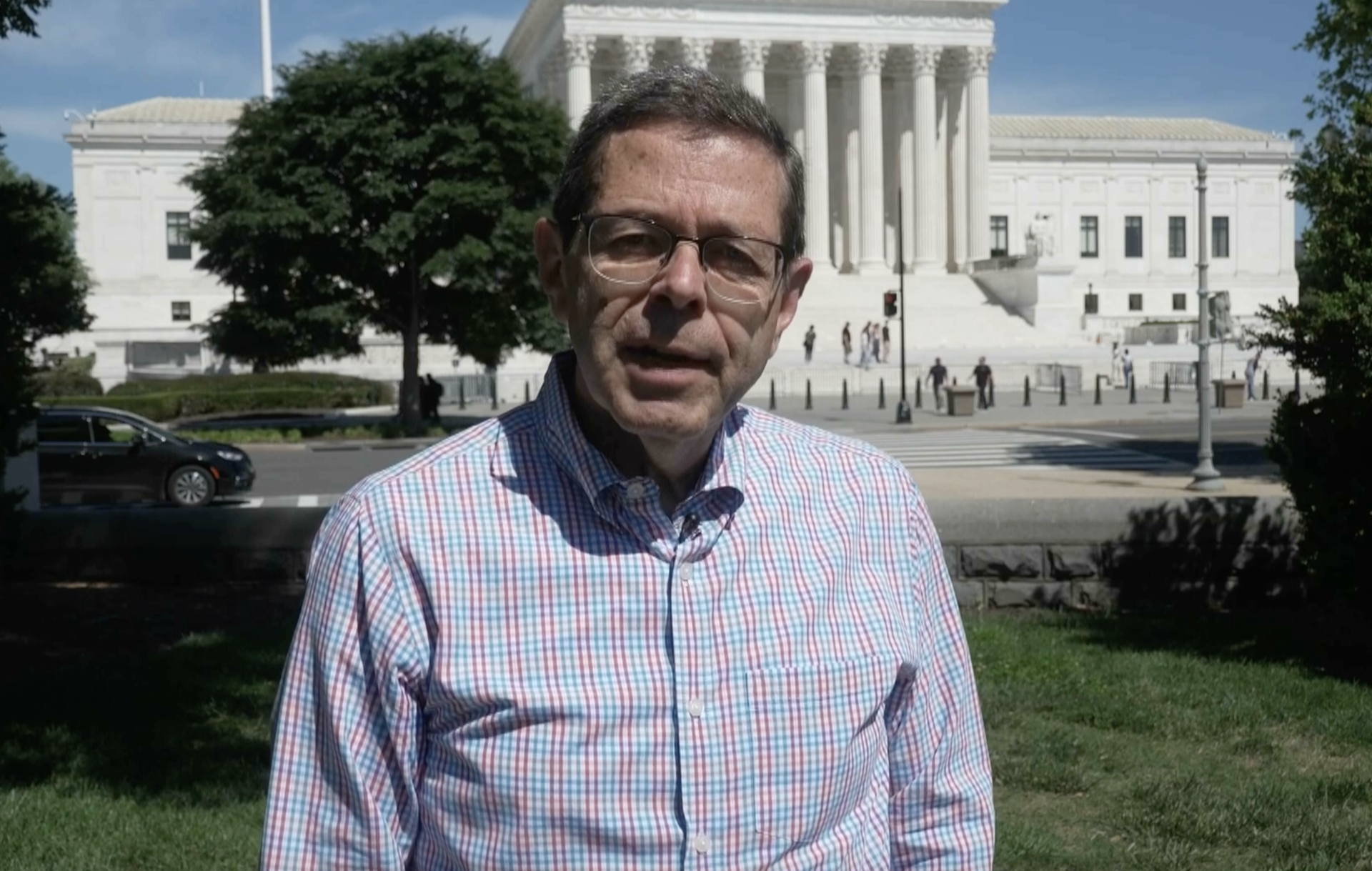
Mark Sherman recaps a U.S. Supreme Court decision allowing the counting of late-arriving mail ballots on Monday, June 29, 2026, in Washington, D.C. (from AP Video) |
Mark Sherman has been our top reporter covering the U.S. Supreme Court for two decades, where he has seen oral arguments, interviewed justices and helmed AP's coverage of the high court's most consequential decisions during that timeframe. That work has been part of a storied journalism career spanning five decades. And so it's somewhat fitting that, as the court closes its te |
|
|
|
|