| | OPEC+ agrees to boost output again, Iran holds a massive funeral for its slain leader, and Chinese a͏ ͏ ͏ ͏ ͏ ͏ |
| |  | Flagship |  |
| |
|
The World Today | 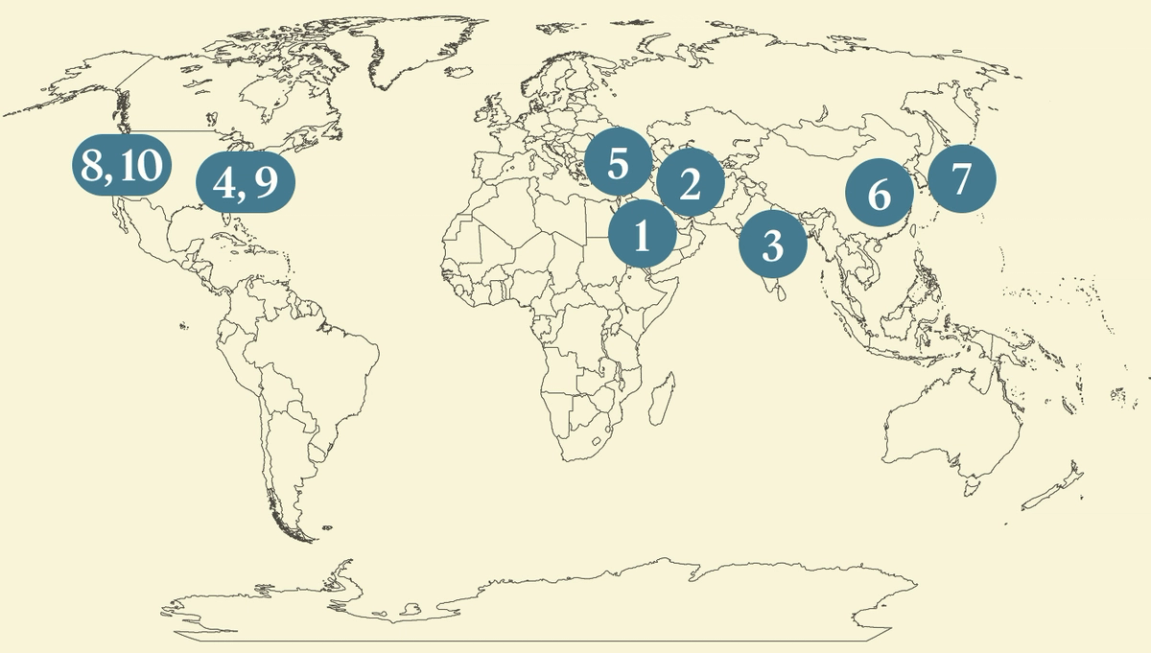 - OPEC+ to hike output
- Tehran mourns Khamenei
- India’s AI-free draw
- US celebrates 250 years
- NATO as a marketplace
- China church leader released
- Japan soccer fans in China
- Parsing AI’s impact on jobs
- NYC’s housing wins
- Sell-by dates expire
 A work of “collective journalism” that tells the story of resistance in Syria, and a look at the week ahead. |
|
OPEC+ hikes output as prices fall |
 Ahmed Jadallah/Reuters Ahmed Jadallah/ReutersOPEC+ on Sunday agreed to increase crude production again, as more barrels flow through the Strait of Hormuz amid a US-Iran ceasefire. The move by the group of oil-producing nations and its allies will add to the supply of fuel in global markets, which analysts warn are poised for a glut as oil prices fall. Navigating the post-war market will mark the latest test for OPEC+, months after the United Arab Emirates quit the organization; analysts expect the country could also ramp up production. The war also changed the oil market by ushering in a wave of retail trading from individuals betting on price swings: The world’s largest derivatives exchange will let people trade contracts for just 10 barrels of oil 24/7. |
|
Thousands mourn slain Iranian leader |
 Mohammed Salem/Reuters Mohammed Salem/ReutersTens of thousands of Iranians gathered in Tehran on Sunday for the funeral of slain leader Ayatollah Ali Khamenei, with supporters chanting calls for “revenge” against the US. Three of Khamenei’s sons attended the gathering — the beginning of a six-day procession — but the son who succeeded him as supreme leader, Mojtaba, didn’t make an appearance, adding to questions about his health. Tehran is looking to galvanize public support amid a ceasefire with the US. But analysts say the Islamic Republic’s leverage in future talks is weakening as more oil flows through the Strait of Hormuz: “The faster countries restock their buffers of crude, the weaker Iran’s ability to threaten the world economy” by closing the waterway, The Wall Street Journal wrote. |
|
India benefits from lack of AI stocks |
 Shailesh Andrade/Reuters Shailesh Andrade/ReutersIndia’s stock market has lagged behind the rest of the world largely due to its lack of big AI names. That’s now proving to be an advantage. As tech stocks waver on doubts the AI boom will prove sustainable, India is emerging as a safe haven for global investors looking to hedge their bets and weather the volatility, Bloomberg wrote. India’s main stock index last month outperformed other emerging markets by the most since November, and foreign outflows hit a four-month low. And as more oil tankers transit the Strait of Hormuz, a drop in crude prices “altered the macro outlook for India almost overnight,” a Mumbai-based expert said, with traders growing more optimistic about corporate earnings. |
|
America’s chaotic 250th birthday |
 Evan Vucci/Reuters Evan Vucci/ReutersPresident Donald Trump marked the 250th anniversary of the US by declaring that the country is “stronger than ever,” as celebrations unfolded amid heightened political tensions in Washington. Trump’s Fourth of July festivities were repeatedly disrupted by severe weather, including record-breaking heat and sudden thunderstorms that forced evacuations. The president’s campaign-style address mixed patriotic themes with warnings about domestic and foreign threats. The celebrations were framed by competing narratives of national identity, as “both white supremacists and liberal activists marched through the city, each demanding their country back,” The Washington Post wrote. |
|
NATO heads into ‘deal-making’ summit |
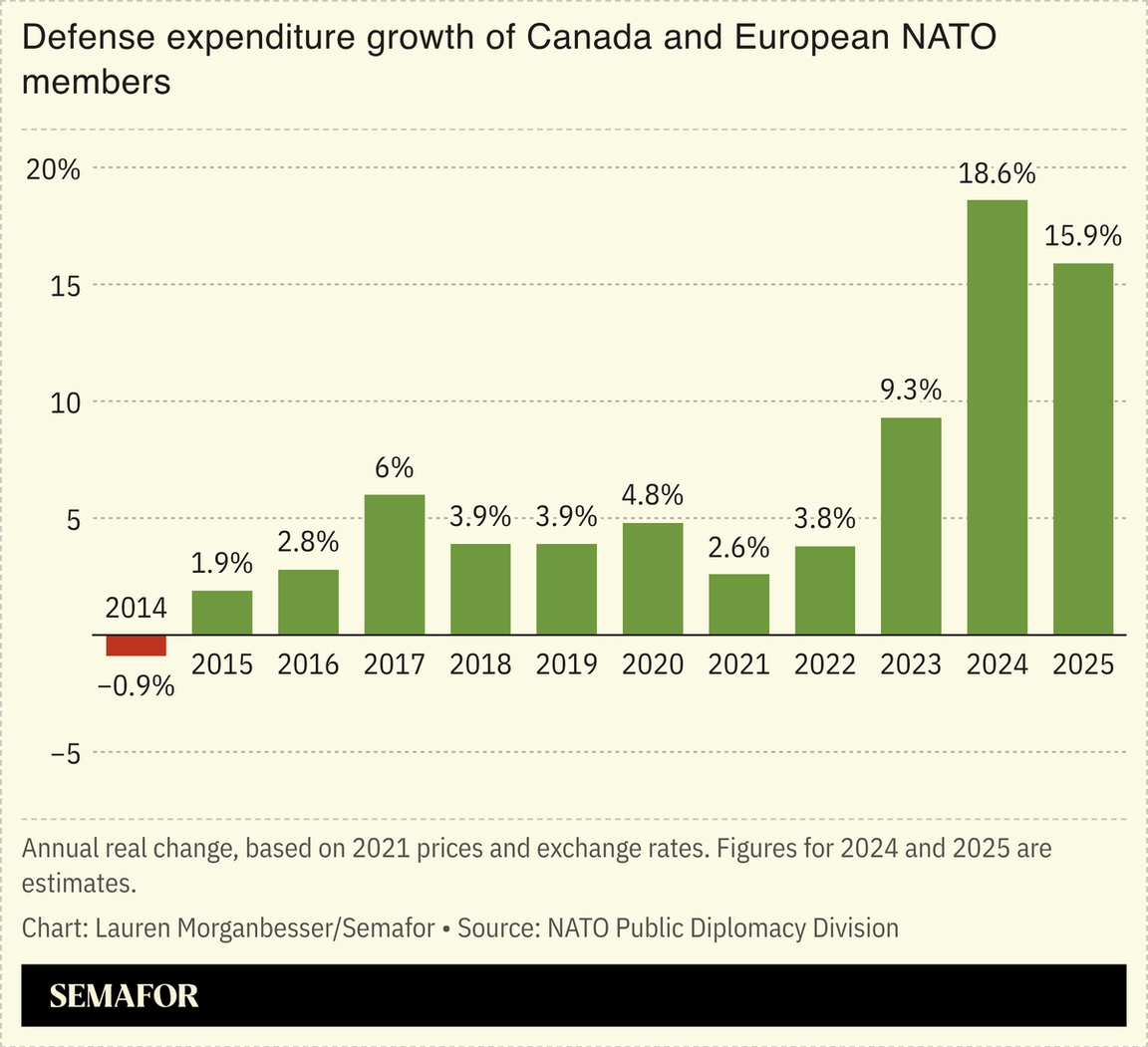 As NATO leaders head into this week’s annual summit, the alliance increasingly resembles a marketplace defined by defense spending and procurement as much as shared values, analysts said. US President Donald Trump has pushed allies to invest in their own defense or risk losing American support, shifting the focus from collective security to financial pledges. That pressure has helped drive commitments of nearly $120 billion in defense spending over the past year, with about half expected to go toward American-made equipment. The summit in Ankara will test whether those commitments can be translated into military capabilities. NATO’s secretary general is pushing to make it a “deal-making event where companies announce collaborations,” a European diplomat told Politico, highlighting the alliance’s business-oriented turn. |
|
Beijing releases jailed pastor |
 Jin in 2018. Thomas Peter/Reuters Jin in 2018. Thomas Peter/ReutersThe leader of a prominent Chinese underground church was released from prison and traveled to the US after President Donald Trump raised his case directly. The pastor, Ezra Jin, was detained last year following overnight raids across China that Christian groups said were among the harshest religious crackdowns in modern Chinese history. Trump brought up Jin’s detention to Chinese leader Xi Jinping during his state visit to Beijing in May; his release offers a modest boost for US-China relations. Beijing maintains strict controls over religion, which has led to the rise of underground churches. “In China, any deference to an authority higher than the [Communist Party’s] can make you an enemy of the state,” The Free Press wrote in an analysis of Jin’s case. |
|
China warns over Japan soccer fandom |
 Go Nakamura/Reuters Go Nakamura/ReutersTensions between Beijing and Tokyo appear to be impacting how Chinese fans celebrate the FIFA men’s World Cup. The propaganda department of an eastern Chinese province on Friday warned that locals should exhibit “boundaries” and not denigrate the Chinese national team, which has underperformed on the global stage. Despite the countries’ historical animosity, which has surged in recent months in a fresh diplomatic row over Taiwan, some bargoers in Shanghai wore Japan jerseys to cheer on the team in the group stage. Some in China view Japan’s success as a lesson for China, which hasn’t qualified for the World Cup since 2002, when it failed to score a single goal. The propaganda department said: “Football knows no borders, but fans have a homeland.” |
|
Trying to understand AI’s impact on jobs |
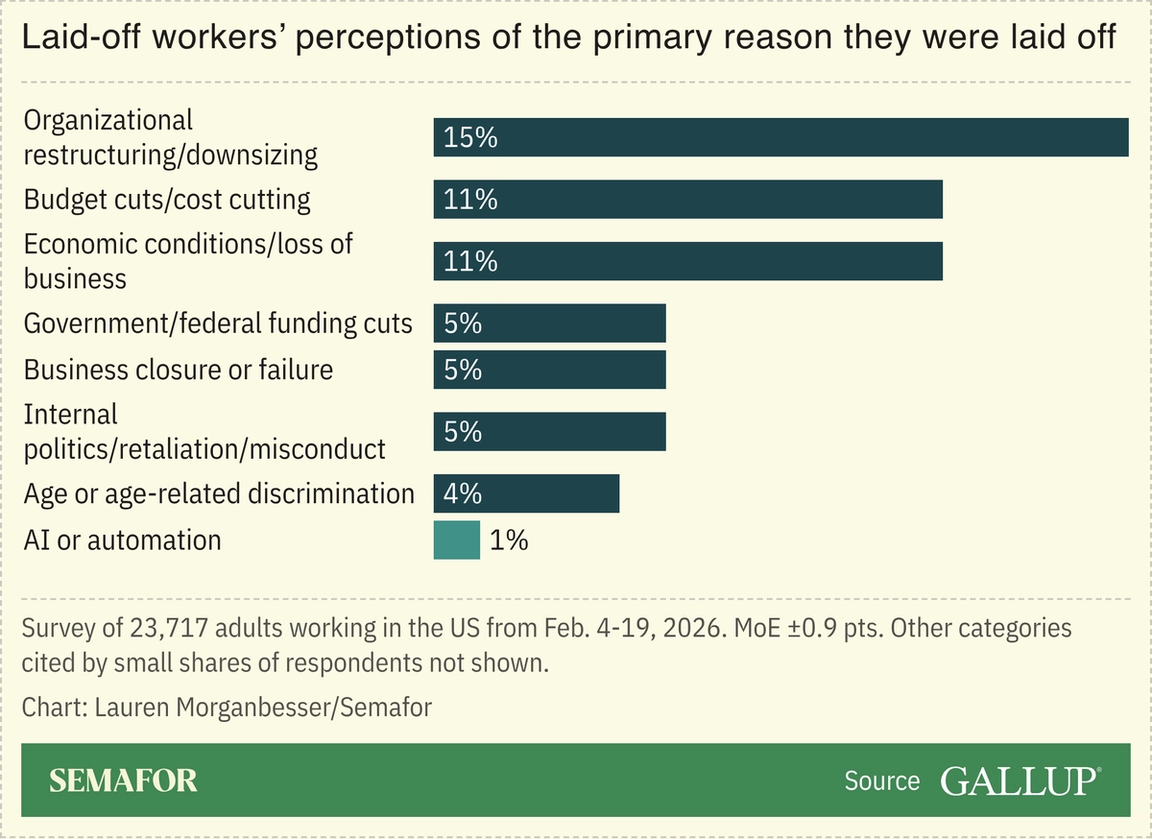 Teasing out the impact of AI on jobs remains difficult. Commentators have suggested tech firms are “AI-washing” ordinary layoffs, but companies that announced AI-related job cuts really did lower headcount in AI-related occupations, a Goldman Sachs analysis noted. But firms that hired more in 2020-2022 are firing more now, implying that a pandemic-era wave of overstaffing is the main driver of the tech hiring slowdown. By contrast, research by two tech startups found that companies that invested more heavily in AI tended to hire more than those that adopted it to a lesser degree, the Financial Times reported, although the fact that small startups are quicker to both adopt AI and grow headcount may have played a role. |
|
NYC makes progress on its housing goals |
 Kylie Cooper/Reuters Kylie Cooper/ReutersNew York built 38,682 new apartments last year, the most in 60 years. The news bucks a national decline and represents good news for “a city in the midst of an acute housing shortage,” The Wall Street Journal reported. Steady job growth and high rents are encouraging development, along with new zoning and tax incentives. A recently approved rent freeze on nearly half of the city’s apartments may chill some investment, but not all of the market is rent-stabilized. Analysts say the metro area needs 400,000 new homes to meet demand. Other US cities are doing worse: One analysis suggested San Francisco needed to spend $18 billion over six years to meet its housing goals. |
|
California bans food sell-by dates |
 Brendan McDermid/Reuters Brendan McDermid/ReutersCalifornia has banned food sell-by dates to cut waste and help consumers. The labels are a guide to retailers but are taken by many people to mean “don’t eat it and throw it away,” an anti-food-waste campaigner told CNN. About 20% of US household food waste is driven by label confusion, according to government figures, and globally food waste causes up to 10% of global greenhouse gas emissions. California will now require manufacturers to use “best if used by” for peak quality and “use by” for safety. The state is the biggest US market, so it drives nationwide trends: Its introduction of emissions and EV targets in 2022 led to 17 states imposing similar requirements. |
|
|


