|
|
Plant-based eating has moved well past trending status, and new research keeps turning up reasons to lean into it, from type 2 diabetes remission to lower cancer and heart disease risk to quieter snoring. Protein gets less attention, but it is possible to get enough without meat. All it takes is a little planning and realizing that the target moves as you get older.
Below, registered dietitian Jessica Sandoz breaks down how to build a protein-rich, plant-based plate at any age.
|
|
|
|
|
|
|
Let’s look into it,
Tim Snaith
Newsletter Editor, Healthline
|
 |
|
Written by Tim Snaith
July 7, 2026 • 2 min read |
|
|
|
 |
|
|
| Q: |
Is it possible to get enough protein from plant-based sources alone? |
|
| A: |
Yes, it's possible! In fact, you may do better eating a plant-heavy diet, especially as your overall appetite decreases with age. You may also opt for plant-based proteins because they tend to be loaded with fiber, another nutrient you need more of later in life.
Unlike animal proteins, plant proteins do not contain all the essential amino acids our bodies need (with some exceptions, such as soy and quinoa). As a refresher, complete proteins contain all 20 amino acids. Most plant-based proteins are not complete proteins.
To correct for this, make sure to focus on a variety of the plant-based proteins so they can fill in each other's amino acid gaps. You may also consider small amounts of meat and non-meat animal proteins, such as eggs and dairy.
Preserving muscle mass is of the utmost importance for decreasing injury and improving your ability to bounce back quickly. Our protein needs increase as we age for three main reasons:
- We need more protein to activate muscle protein synthesis, aka muscle building.
- We eat fewer nutrients overall.
- We do less weight bearing activity.
If you're over 65 years old, you might consider aiming for 1 to 2 grams (g) of protein per kilogram of body weight per day (the higher end is for those who are more active or have certain chronic health conditions).
It's just as important to space out the protein throughout the day! Our bodies can only use a limited amount of protein for muscle synthesis at any given time. The goal is 25 to 35 g of protein per meal (rather than 15 g at breakfast/lunch and 70 g at dinner).
Exercise also activates muscle protein synthesis, so remember to work toward meeting exercise guidelines. That means getting 150 to 300 minutes of moderate activity per week, along with resistance or strength training twice a week that targets all major muscle groups.
|
|
|
|
| Jessica Sandoz, Registered Dietitian |
|
| Want to learn more about food, diets, cooking, or some other nutrition subject? Let us know at nutritionedition@healthline.com and we’ll look into it for you! (Heads up, we may use your response in an upcoming newsletter.)
|
|
|
 |
|
|
| Plant Protein vs. Animal Protein: Which is Better? |
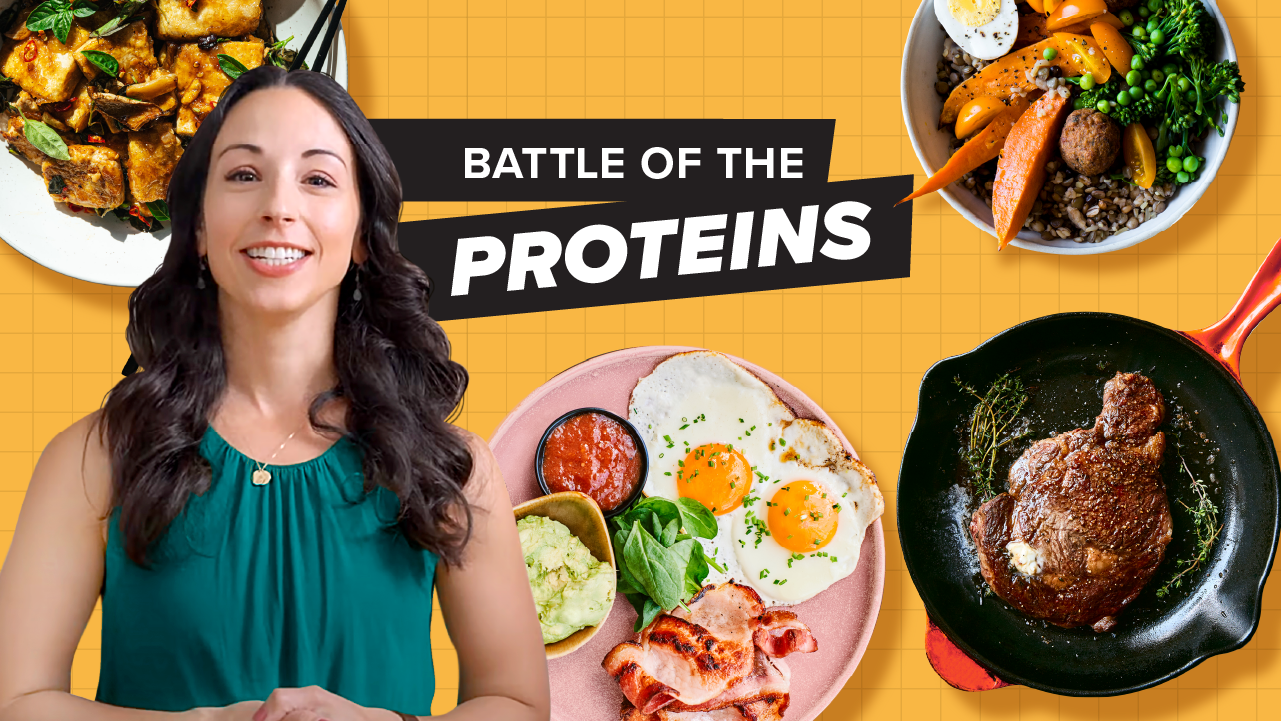
| Both plant and animal proteins are linked to health benefits. In this video, a registered dietitian breaks down what to know about each type, plus tips for adding more protein in your diet. |
|
|
|
|
|
| What we’re digesting |
| |


