Trump’s Qatari-gifted plane, a Beverly Hills bolthole and stories you might have missed.
|
Monday 13/7/26
|

|
|
London
Paris
Zürich
Milan
Bangkok
Tokyo
Toronto
|
|
|
|

Good morning from Midori House. For more news and views, tune in to Monocle Radio. Here’s what’s coming up in today’s Monocle Minute:
THE OPINION: Rest assured, napping is worth every wink
HOUSE NEWS: The Monocle Quality of Life Conference 2026, Lisbon
AVIATION: Trump’s gifted plane is more risk than reward
DAILY TREAT: Bed down at The Hôtel Lili, Beverly Hills
THE LIST: Three stories that you might have missed
|
|
Why Europeans should sleep less and nap better
By James Chambers
|

|
The sleep economy is restless. Tiringly, the topic has become something of an icebreaker in hospitals, hotels and across the wellness industry. I’ve lost count of the number of conversations with Whoop-wearing, sleep-tracking addicts, who insist on talking me through their statistics – it’s the 2026 equivalent of forcing people to look at your holiday pictures.
Rest is an important health concern. Despite all the chatter, most of us still have no idea whether we are doing it right. Data from the OECD found that the long-living Japanese “only” average six to seven hours a night, making it the lowest and therefore most sleep-deprived of developed economies. A widely reported study earlier this year suggested that eight hours is not the ideal number after all. Get this: too much sleep can actually be detrimental to our health. It’s all enough to lose sleep over, which might just be a good thing.
When it comes to daily habits, the world can be divided into several camps. Those with and without air conditioning, say, or toilet paper users versus water washers. But napping is another of those great dividers. Either you are an afternoon snoozer or one of us who push through, viewing naps as unproductive, bone idle and workshy. In northern Europe, it’s just what we’re taught.
|
|
|
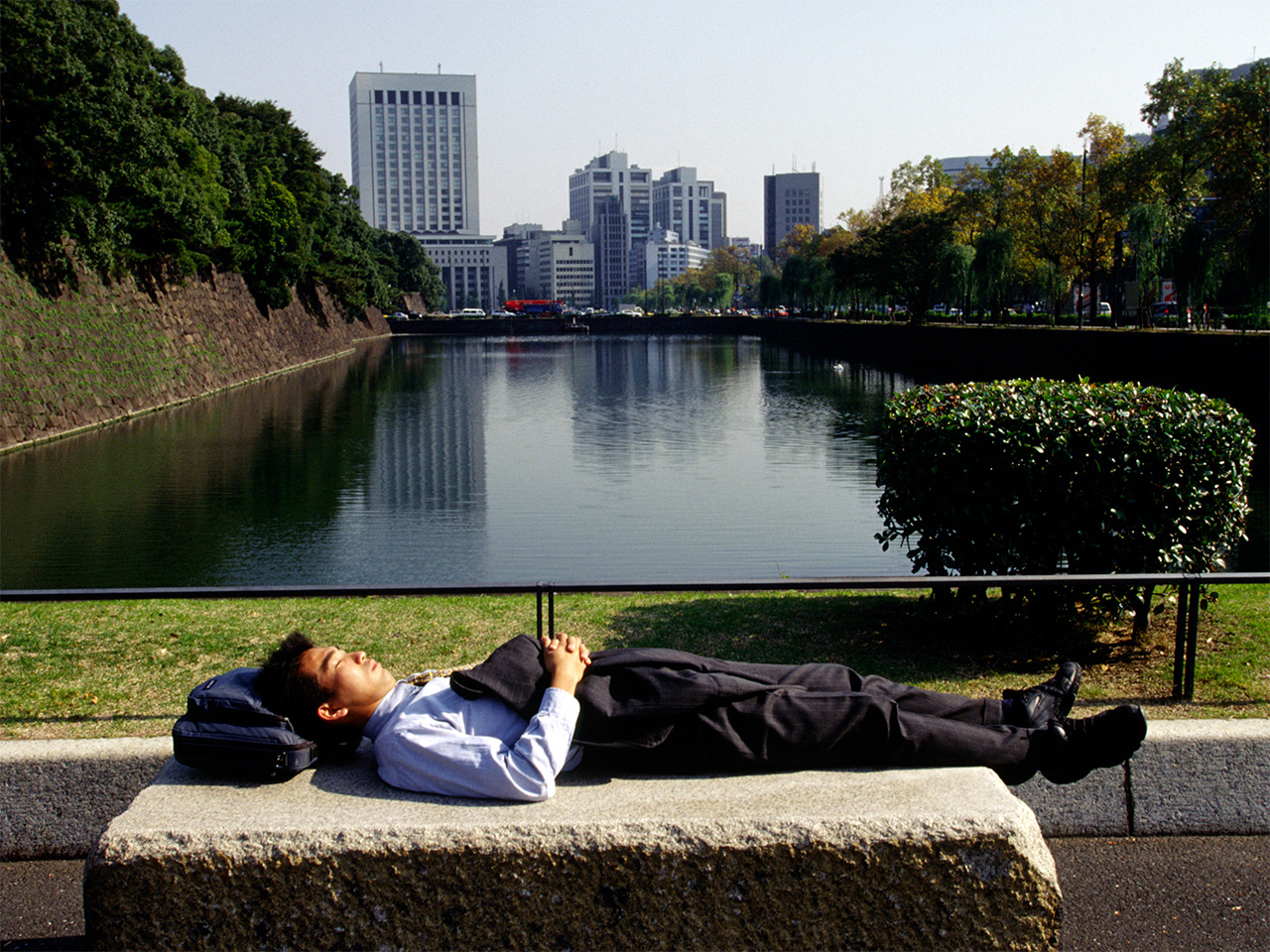
Snooze you win: Should northern Europeans close the nap gap?
|
|
One of the eye-opening things about moving from London to Hong Kong was the sight of hard-working city suits going to a coffee shop for a mid-afternoon snooze rather than a shot of caffeine. The same is true of the many factory tours that I have been on in mainland China, where the lights go off after lunch and workers stretch out on the flooring.
A recent headline from the
South China Morning Post caught my eye. The article claimed that, according to research conducted by the China Sleep Research Society, a staggering 72 per cent of Chinese take a daily nap for at least half an hour. The benefits of napping apparently go back thousands of years (as is the case with most things in China) to medical texts and enshrined in Chinese medicine. Song dynasty poets wrote verses about the joys of an afternoon nap, while former leader Deng Xiaoping, a diminutive man from Sichuan who is seen as the architect of modern China’s economic and technological rise, was also an avid napper – some endorsement.
For
our latest issue, I visited a wellness clinic in Bangkok. After watching a nurse drain nine tubes of blood from my arm, I was later informed by the doctor that my “telomeres” – tiny tips on our chromosomes that shrink as we age – are shorter than they should be. The culprit? Not enough deep sleep. A surprise because I thought I slept rather well. The cause? Young kids waking up in the middle of the night. The cure? Time and a daily dose of patience.
The CEO of BDMS Wellness Group is of a similar age to me and has managed to lengthen his telomeres with a combination of good diet, clean living and daily exercise, while running a major company and being a family man. Crucially, he claims to be in bed most nights before 22.00. Early nights are more manageable in Bangkok and Hong Kong where it’s dark by 19.00 throughout the year, provided you can black out the many bright lights and other neon-lit distractions. By contrast, try sleeping before 22.00 in northern Europe right now when the days are incredibly long.
Could this be where the nap comes in? Brits, Germans, Swedes and Dutch are not accustomed to the siestas enjoyed by their southern cousins (who, incidentally, live two years longer on average) but summer is the one time when we get to give it a go. Holidays in Italy, Spain and France, mixed with time in the sun and hotel stays, allow for some horizontal time after lunch. The prospect of bringing this new habit home along with a few bottles of the local plonk fades quicker than a Mediterranean suntan. But if machines and AI are going to be doing more of the work and climate change is pushing up temperatures, is it time that we listen to a bit of Eastern wisdom? I think so. Why don’t we sleep on it?
James Chambers is Monocle’s Asia editor based in Bangkok. For more news and analysis, subscribe to Monocle today.
|
|
hous news: lisbon
The line-up for Monocle’s Quality of Life Conference in Lisbon is taking shape
From the architects and mayors shaping smart cities to fashion, retail and culture visionaries,
this year’s Quality of Life Conference line-up brings bright talents together with global leaders to consider what it means to live better. Before we land in Lisbon this September, let’s begin with some introductions to our still-growing list of guest speakers. Meet the co-founders of
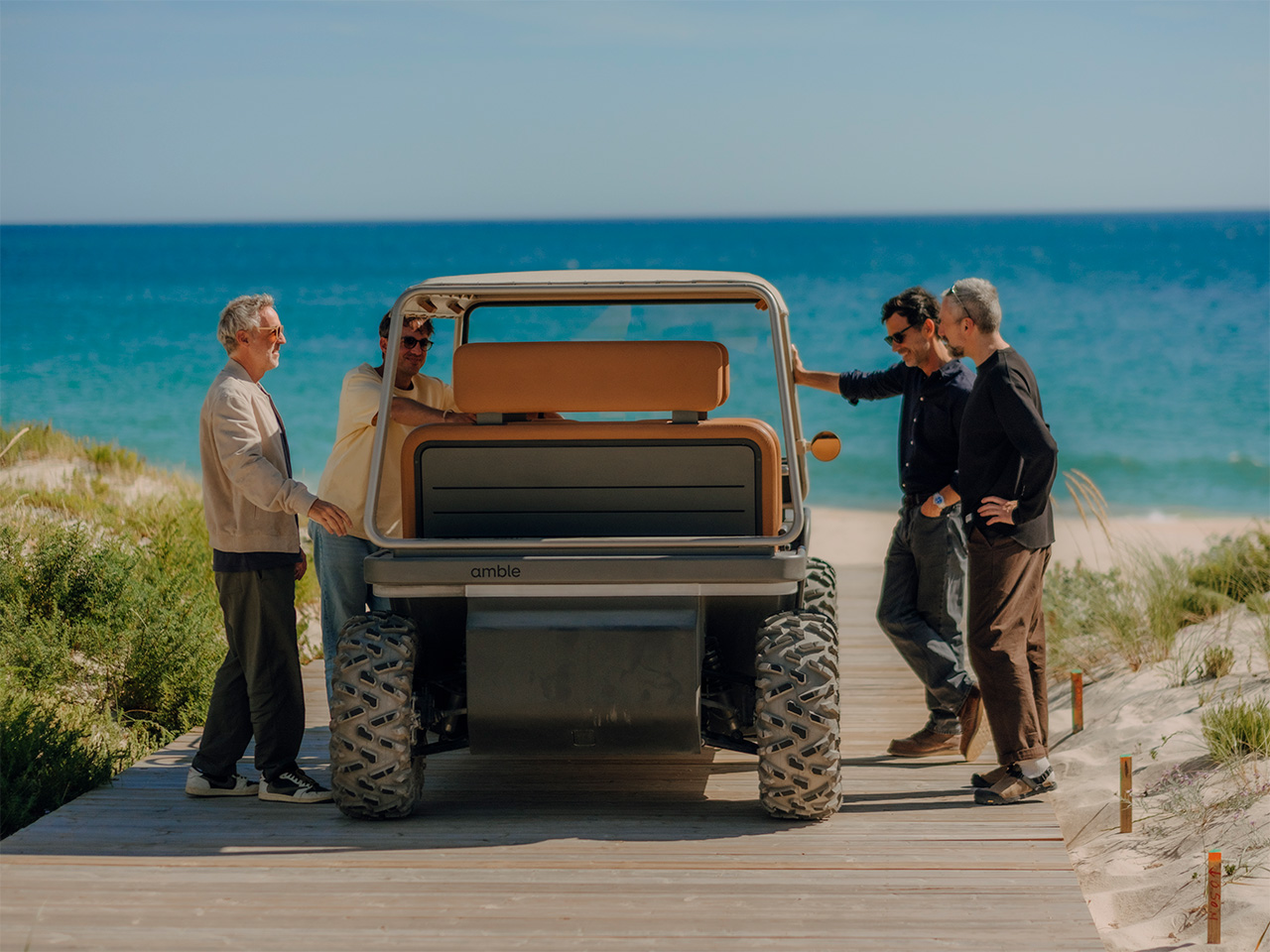
Amble, an EV that combines the worlds of hospitality and product design.
|
|
|
From left: Julian Hönig, Adrien Roose, José António Uva and Michael Tropper
|
|
José António Uva
Co-founder and chairman, Amble
A visionary entrepreneur and hospitality developer, Uva is behind two of Portugal’s most celebrated destinations: São Lourenço do Barrocal, a 780-hectare family estate in Alentejo; and Na Praia, a coastal ecological destination in Comporta set to open in 2027.
Adrien Roose
Co-founder and CEO, Amble
A mover and shaker at the intersection of mobility, technology and design, this serial entrepreneur and co-founder of one of Europe’s best design-led e-bike companies has turned his focus to Amble.
Julian Hoenig
Co-founder and designer, Amble
With more than 400 patents to his name and a career spanning Audi – where he worked on the RSQ, A4, R8 and Q3 vehicles – and Apple, where he was lead designer on the Apple Watch, Vision Pro and Apple Car programmes, Hoenig is one of the most accomplished industrial designers of his generation.
Remember, if you book tickets early, we are offering a rate available until 25 July with code QOL26EARLY.
|
|
aviation: USA
Trump’s new Air Force One plane is bringing him down to earth
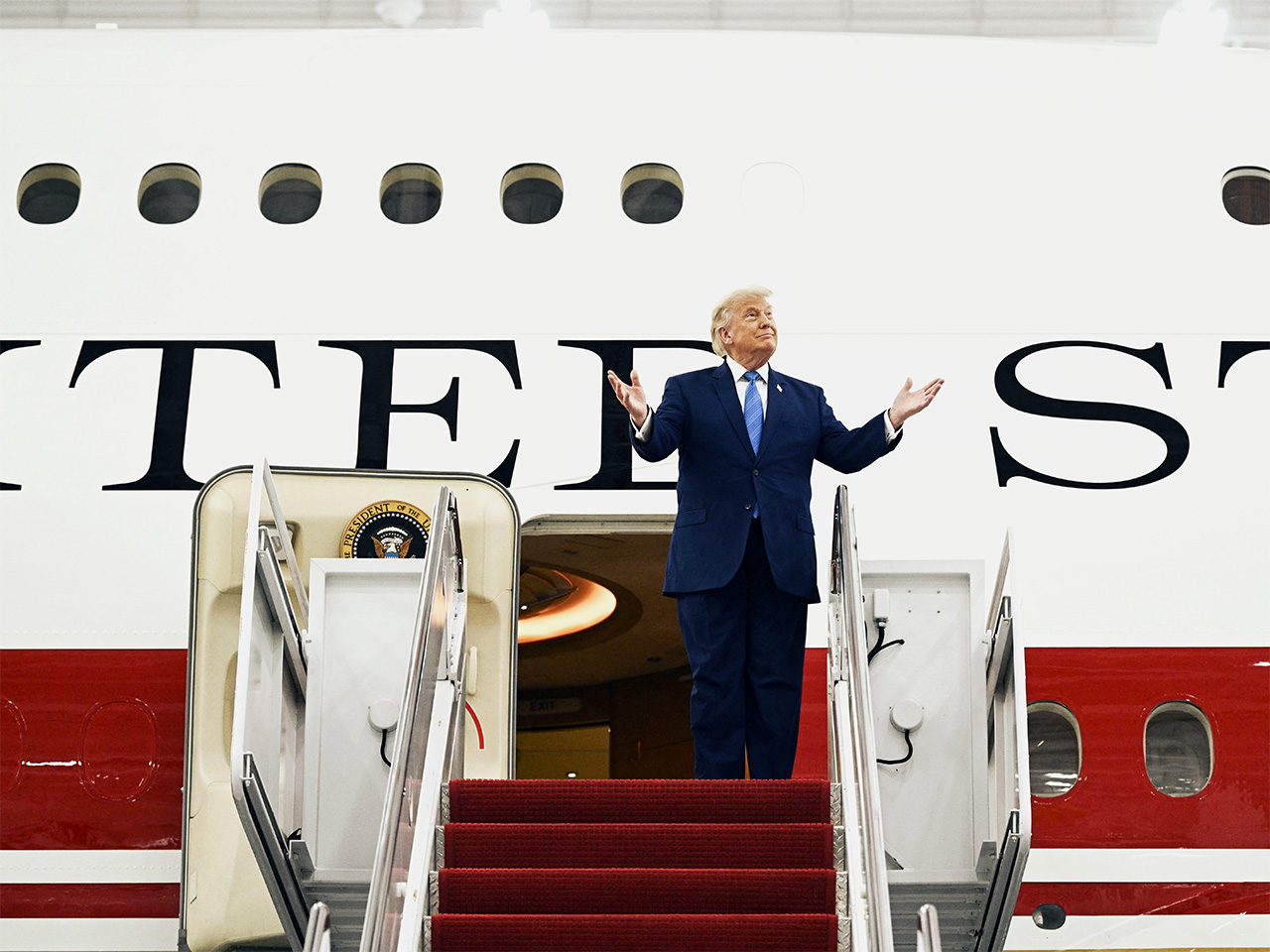
Air Force One, not actually a plane but the radio call sign for any aircraft carrying the US president, has traditionally been a quiet, if staid, part of the national landscape (writes Tom Vanderbilt). Until recently that call sign would typically apply to two 40-year-old Boeing VC-25A (modified 747-200B) jets. Their most prominent feature of late, has arguably been the “air stairs” from which presidents climb and descend, waving and smiling. These are not only a stock image in news broadcasts but have become, with elderly presidents such as Joe Biden and Donald Trump, a measure of their fitness, with any stumble or slowness dissected and analysed by online commentators.
|
|
|
Strings attached: Trump steps out of his Qatar-gifted Air Force One
|
|
As he has done so often, Trump relishes a controversial revamp of a quiet, staid fixture of the national landscape (see the Kennedy Center). It began, of course, with the gifting of a plane (a Boeing 747-8) from the Qatari royal family: a constitutionally questionable $500m (€437m) “flying palace” transferred to a sitting US head of state with, apparently, no strings attached. The plan is to convert the plane into a new “bridge” VC-25B that will ultimately be squirrelled away at Trump’s yet-to-be-built presidential library. The whole tab is being paid for, curiously, by siphoning funds from a programme to modernise and upgrade the US ballistic-missile arsenal.
After being forced by the secret service to use an old aircraft instead of the new Qatari gift due to security concerns last week, debate has once again taken off. Click here to read on.
|
|
• • • • • DAILY TREAT • • • • •
Bed down at The Hôtel Lili, Beverly Hills
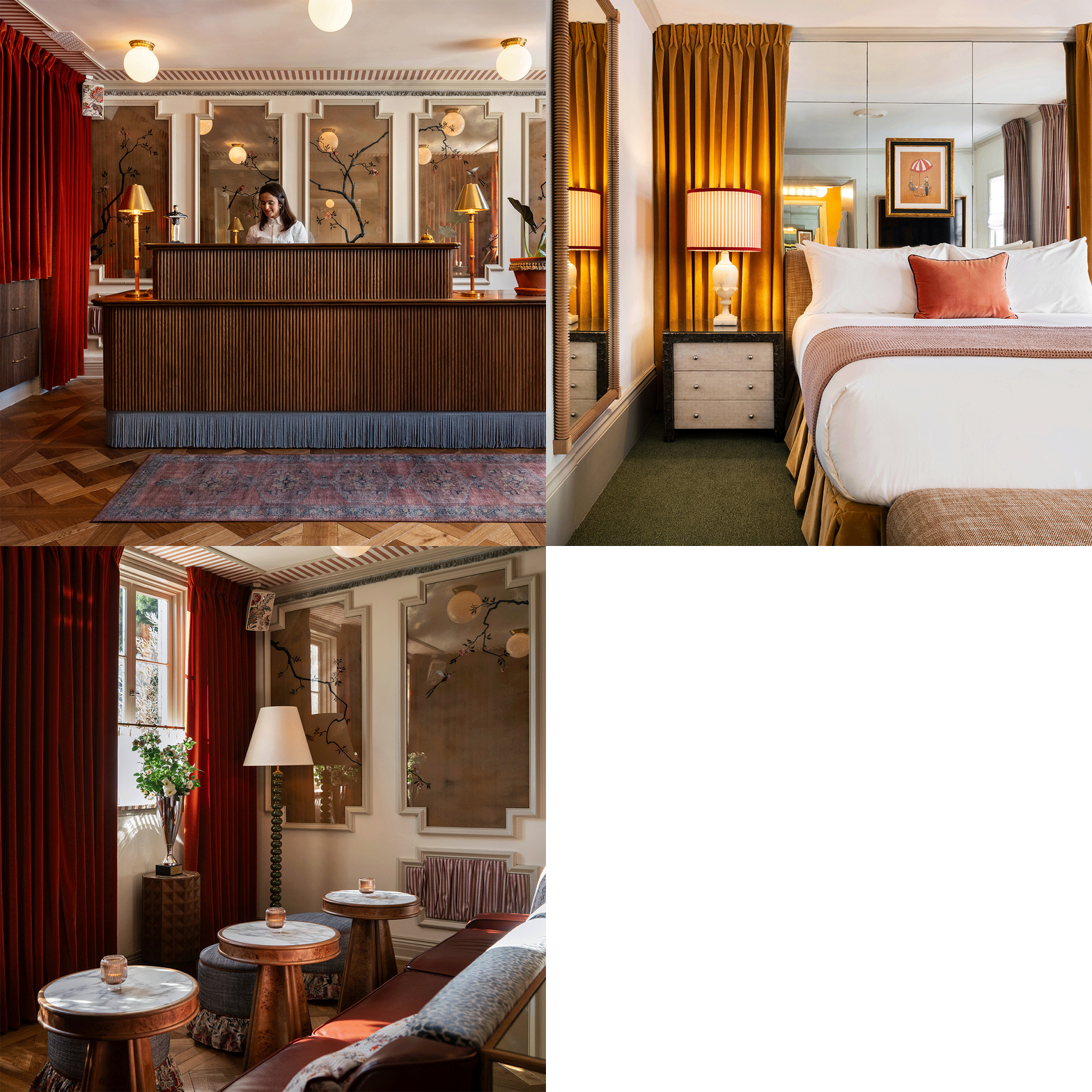
Beverly Hills conjures glitz and glamour, making the high-end postcode the perfect place for a discreet but discerning bolthole. Enter The Hôtel Lili, which was originally built as a private residence in 1939 before being transformed into a 44-room residence by LA-based hospitality brand Palisociety in April.
Guests enter the property by stepping across a parquet floor that feels more London townhouse parlour than marble-and-gold-clad hotel lobby. “We are trading out ostentatiousness for a neighbourhood sensibility,” says Palisociety founder Avi Brosh.
palisociety.com
|
|
| | |