͏ ͏ ͏ ͏ ͏ ͏ ͏ ͏ ͏ ͏ ͏ ͏ ͏ ͏ ͏ ͏ ͏ ͏ ͏ ͏ ͏ ͏ ͏ ͏ ͏ ͏ ͏ ͏ ͏ ͏ ͏ ͏ ͏ ͏ ͏ ͏ ͏
| |
|
|
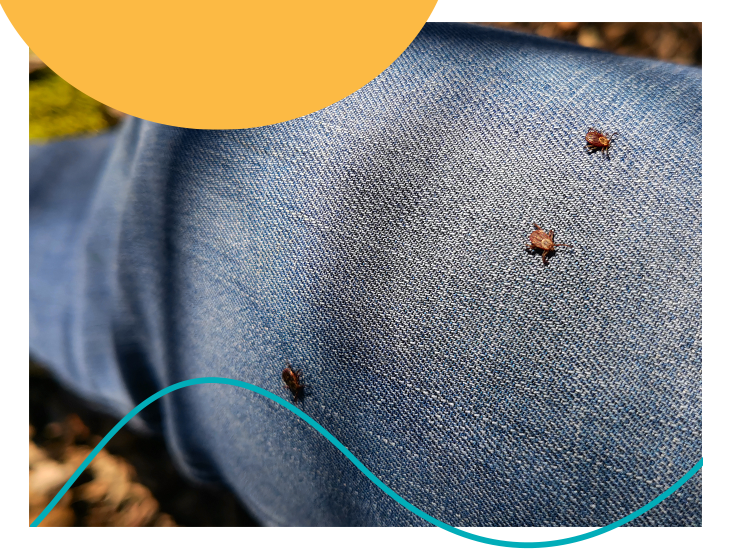
You might think of ticks as a wilderness problem, something for hikers and hunters to worry about. But you no longer need to leave town to be in their company because they’re finding homes in suburban yards and city parks. The one doing most of the damage is roughly the size of a poppy seed, and it has been having a very good year.
So that’s great, but what can you do to protect yourself? |
|
|
|
|
|
|
Let’s go,
Tim Snaith
Newsletter Editor, Healthline
|
 |
|
Written by Tim Snaith
July 22, 2026 • 2 min read |
|
| |
|
|
|
|
| |
 |
|
|
| How to survive a record year for tick bites
|
| Emergency rooms are seeing more tick bites than at any point in over a decade. CDC data show weekly visits nationwide are running higher than usual, and every region except the South Central states has logged its highest weekly count since 2017. The Northeast leads, with the Midwest close behind. |
| “This trend is consistent with a broader pattern of increasing tick-borne disease burden in the United States,” said Robert Glatter, MD, an emergency physician at Lenox Hill Hospital. He puts Lyme disease at 400,000 to 470,000 cases a year, up steadily for two decades. Some of that is because there are more ticks, but it’s also because the public is taking bites more seriously. |
| Lyme disease is the most common tick-borne illness, but not the only one. A deer tick can also carry anaplasmosis. One bite can carry both, though the CDC estimates coinfection at under 1 in 10 cases. Ticks are also linked to Rocky Mountain spotted fever and alpha-gal syndrome, which can leave you permanently allergic to red meat. |
| The spread largely stems from a warming climate. Milder, shorter winters let ticks and the animals they feed on survive in greater numbers and further north. Warmth also speeds their development and pushes the deer tick into regions once too cold for it. Tick exposure, Glatter says, “is no longer limited to rural or heavily wooded environments.” |
| Catching Lyme early |
| Lyme is hard to spot because it develops slowly. Symptoms can appear anywhere from 3 to 30 days after a bite. |
| | | |

