Amazon and Microsoft walk a tightrope, DeepSeek suspends fundraising, Apple tackles smart glasses privacy.
 ͏  ͏  ͏  ͏  ͏  ͏  ͏  ͏  ͏  ͏  ͏  ͏  ͏  ͏  ͏  ͏  ͏  ͏  ͏  ͏  ͏  ͏  ͏  ͏  ͏  ͏  ͏  ͏  ͏  ͏  ͏  ͏  ͏  ͏  ͏  ͏  ͏  ͏  ͏  ͏  ͏  ͏  ͏  ͏  ͏  ͏  ͏  ͏  ͏  ͏  ͏  ͏  ͏  ͏  ͏  ͏  ͏  ͏  ͏  ͏  ͏  ͏  ͏  ͏  ͏  ͏  ͏  ͏  ͏  ͏  ͏  ͏  ͏  ͏  ͏  ͏  ͏  ͏  ͏  ͏  ͏  ͏  ͏  ͏  ͏  ͏  ͏  ͏  ͏  ͏  ͏  ͏  ͏  ͏  ͏  ͏  ͏  ͏  ͏  ͏  ͏  ͏  ͏  ͏  ͏  ͏  ͏  ͏  ͏  ͏  ͏  ͏  ͏  ͏  ͏  ͏  ͏  ͏  ͏  ͏  ͏  ͏  ͏  ͏  ͏  ͏  ͏  ͏  ͏  ͏  ͏  ͏  ͏  ͏  ͏  ͏  ͏  ͏ ­ ­ ­ ­ ­ ­ ­ ­ ­ ­ ­ ­ ­ ­ ­ ­ ­ ­ ­ ­ ­ ­ ­ ­ ­ ­ ­ ­ ­ ­ ­ ­ ­ ­ ­ ­ ­ ­ ­ ­ ­ ­ ­ ­ ­ ­ ­ ­ ­ ­ ­ ­ ­ ­ ­ ­ ­ ­ ­ ­ ­ ­ ­ ­ ­ ­ ­ ­ ­ ­ ­ ­ ­ ­ ­ ­ ­ ­ ­ ­ ­ ­ ­ ­ ­ ­ ­ ­ ­ ­ ­ ­ ­ ­ ­ ­ ­ ­ ­ ­ ­ ­ ­ ­ ­ ­ ­ ­ ­ ­ ­ ­ ­ ­ ­ ­ ­ ­ ­ ­ ­ ­ ­ ­ ­ ­ ­ ­ ­ ­ ­ ­ ­ ­ ­ ­ ­ ­  
Monday, July 27, 2026
Amazon and Microsoft walk an investor tightrope

Good morning. It’s market debut day for China’s CXMT, which just raised $9.8 billion for its Shanghai IPO.

You may not be familiar with ChangXin Memory Technologies, but device makers surely are. The Hefei-headquartered company, founded in 2016, makes memory chips for customers including Alibaba, ByteDance, Lenovo, Oppo, Tencent, Vivo, and Xiaomi—and reportedly soon Apple, for its devices sold in China.

CXMT remains on the Pentagon’s list of Chinese military organizations, so don’t expect to find its wares in your goods anytime soon. But the company’s success or failure in the markets—and its arrangement with Apple—should give us another data point into where this global memory shortage is headed next.

More tech news below. —Andrew Nusca

Want to send thoughts or suggestions to Fortune Tech? Drop a line here.
Amazon and Microsoft are spending $400 billion on AI—and investors are low on patience
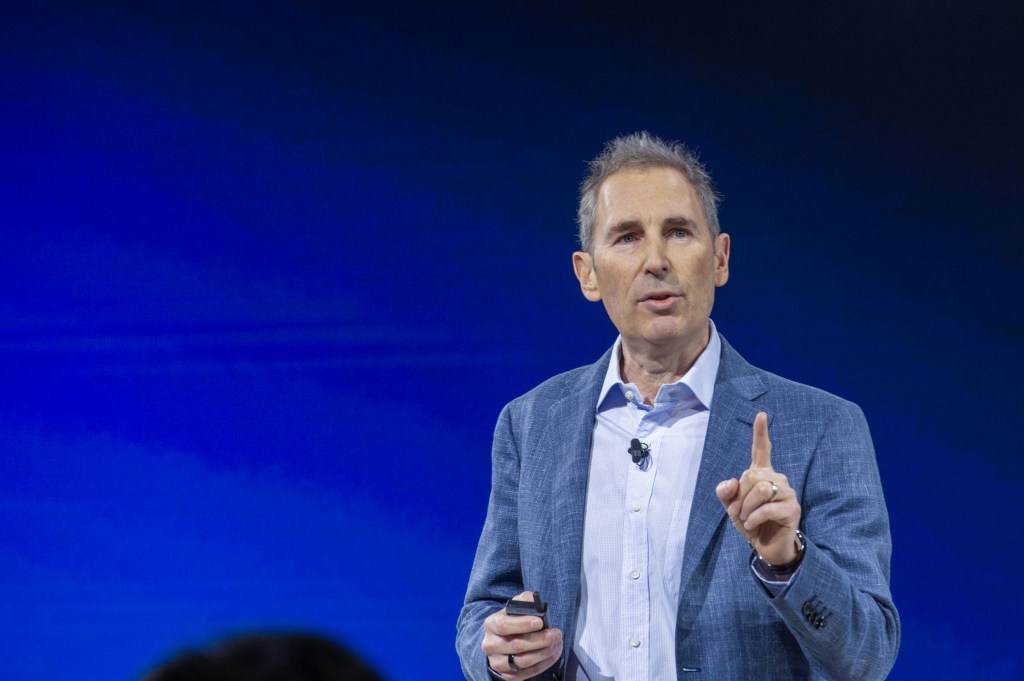
Amazon CEO Andy Jassy in New York on February 26, 2025. (Photo: Andrej Sokolow/dpa/Getty Images)Amazon CEO Andy Jassy in New York on February 26, 2025. Andrej Sokolow/dpa/Getty Images

The horse race between Amazon and Microsoft’s cloud computing businesses has gone through various phases over its nearly two-decade history, with the current AI boom pushing the rivalry to a new, and perhaps unsustainable, level of intensity.

Each company is set to spend roughly $200 billion this year building out its data centers—an unprecedented level of investment—in a frenzied bid to keep up with demand for AI services and to avoid getting overtaken by other cloud rivals like Google. 

The cloud titans have also forged partnerships and deals with the big AI model makers, creating a web of shifting alliances that each hopes could reshape the competitive landscape.

This week, investors will get an important update on the state of this epic cloud rivalry when Microsoft reports its quarterly earnings on Wednesday and Amazon follows suit on Thursday. 

While Amazon and Microsoft have been locked in the cloud battle for years, the pressure has never been higher and investor patience has never been more unpredictable. 

Last Thursday, Google parent Alphabet’s stock cratered 7% after the company raised its capital-expenditure projections for the year and reported negative free cash flow in its second quarter. 

For Amazon and Microsoft, the two cloud computing leaders, getting an edge could hinge on who can convince investors that they can soak up all that investment and spin it into gold faster. 

Luke Rahbari, CEO of Equity Armor Investments and who holds both stocks across several portfolios, told Fortune that even the act of raising and allocating capital has become a competitive bloodsport.

“Whoever controls the money controls the winners,” said Rahbari. “You’ve got to soak up as much money as you can so there isn’t as much money available to other players.” —Amanda Gerut
DeepSeek reportedly suspends its second funding round
DeepSeek is turning away potential investors—for now, anyway.

The Chinese AI lab is reportedly putting a planned second funding round on pause after founder Liang Wenfeng spoke about the continued lag in Chinese AI efforts relative to the U.S.

Those comments, part of a four-hour conversation with investors, were intended to be private but leaked, reportedly frustrating Wenfeng and leading DeepSeek to inform “some of its would-be backers that they wouldn’t be signing investment agreements in the coming days, as they had expected,” Bloomberg reports. Ouch.

(It wasn’t all bad. On mainland China, his comments resonated “deeply in a culture that traditionally values humility, discipline and long-term ambition over fast commercial cashouts,” the South China Morning Post writes.)

This hardly means more funding is off the table. Though DeepSeek raised $7 billion only a month ago, it was aiming this time to raise at least 10 billion yuan—or about $1.5 billion—and increase its valuation from about $50 billion to about $71 billion.

DeepSeek is also plowing toward an IPO, for which it could file as soon as this year.

Like so many of its peers in China and abroad, DeepSeek is moving quickly to boost its computing capacity and build the infrastructure necessary to competitively operate its AI. To do that, it needs one thing more than anything else: money. —AN
Apple’s smart glasses may have hit a privacy hurdle
It has been widely reported that Apple is working on smart glasses to rival Meta’s blockbuster Ray-Bans, Oakleys, etc. But the details, including when they might arrive to market, have been fuzzy.

Until now, that is. Bloomberg reports that Apple is planning to reveal its first smart glasses at the next Worldwide Developers Conference in June 2027, ahead of a consumer release by the end of that year.

That’s not when the device was supposed to launch, though. According to the report, Apple had been planning on rolling them out later this year, but engineering delays as well as privacy concerns led the folks in Cupertino to punt.

Putting cameras in eyewear comes with some drawbacks, it turns out. Apple is “developing features and policies”—and, naturally, marketing—to prioritize privacy in the wake of criticism that Meta isn’t doing nearly enough to prevent people from hijacking its pioneering smart glasses for nefarious purposes. (“Ban the pervert glasses,” reads many a social media post.)

That’s a problem because Meta has defined, and continues to define, the entire category—making Apple’s entry more fraught than usual. 

(It’s not alone: The head of Samsung’s XR R&D group, James Choi, reportedly described public perception about smart glasses as a “shared industry problem,” as CNET puts it.) 

How might Apple solve the problem? On-device processing, no facial recognition, no continuously capturing sensors, and stringent protections for any content generated by the rumored device, according to Bloomberg.

But no solution is complete without a whole lot of reassurance that this product doesn’t violate the assertion that “Apple products, including Apple Intelligence, are designed to protect your privacy, because privacy is a fundamental human right.” In other words: Keep your eyes peeled. —AN
More tech
There have been 140,000 U.S. tech layoffs so far this year, per new analysis.

—People are evading safeguards to convince AI chatbots to teach them how to make biological weapons.

Verizon will provide “dark fiber” connectivity for Google data centers, CEO Dan Schulman says. (Dark fiber = unused cable infrastructure.)

Samsung and Broadcom do a deal. A $200 billion contract to make chips through 2030.

Yale, Johns Hopkins, and other universities are ditching AI detectors over accuracy concerns.

Progress Software buys Domo's AI business for $400 million. (Domo will change its name and remain publicly traded.)

—China’s IPO-bound Unitree shipped 5,500 humanoid robots last year.

OpenAI a