Dear Educator, America's 250th anniversary may have passed, but history doesn't have an expiration date, especially for educators with a curriculum to teach.
Whether you're looking to mark this summer's milestone with your students or simply add fresh primary source content to your history classes, CFR Education's Teaching 250 Years of U.S. Foreign Policy resources are here to help.
Informed by foreign policy experts and built for the classroom, these resources bring 250 years of American history to life through key moments that have shaped how the U.S. engages with the world today. There are five collections in total, starting with the Early Republic (1793-1796): |
|
|
|
Keep reading to explore more components of the collection and register for two free upcoming events: an expert edWeb webinar about the 250 years of foreign policy and the Foreign Affairs Virtual Graduate Fair. Happy learning, Caroline Netchvolodoff
Vice President, Education
Council on Foreign Relations |
|
|
Teaching 250 Years of Foreign Policy |
5:00 p.m. to 6:00 p.m. EDT |
|
|
|
Join this edWeb webinar with Council on Foreign Relations (CFR) expert Dr. James M. Lindsay, Mary and David Boies Distinguished Senior Fellow in U.S. Foreign Policy, and CFR Curriculum Content Lead, Kristin Stelfox, for a conversation spanning 250 years of U.S. foreign policy from 1776 to today. Together, they will share how expert perspectives, primary sources, and inquiry-based classroom activities from CFR Education can help students think critically about America’s evolving role in the world.
|
|
| |
|
250 Years of Foreign Policy Timeline |
The United States developed from a fragile union focused on survival to a superpower with global interests. Throughout that journey, the country has grappled with recurring questions about how to protect its interests, articulate its values, and define its role in the world. Trace the path of U.S. foreign policy with the timeline below. |
|
|
|
Early Republic Collection: 1793-1796 |
|
|
This collection of resources facilitates critical analysis of the debate on how the United States should establish its place in a world still dominated by competing European empires. It contains a brief historical overview, a curated set of primary source documents, a short reading on the aftermath and legacy of the event, and a classroom discussion activity in which learners can synthesize their knowledge. |
These are examples of what you will find inside the collection: |
|
|
|
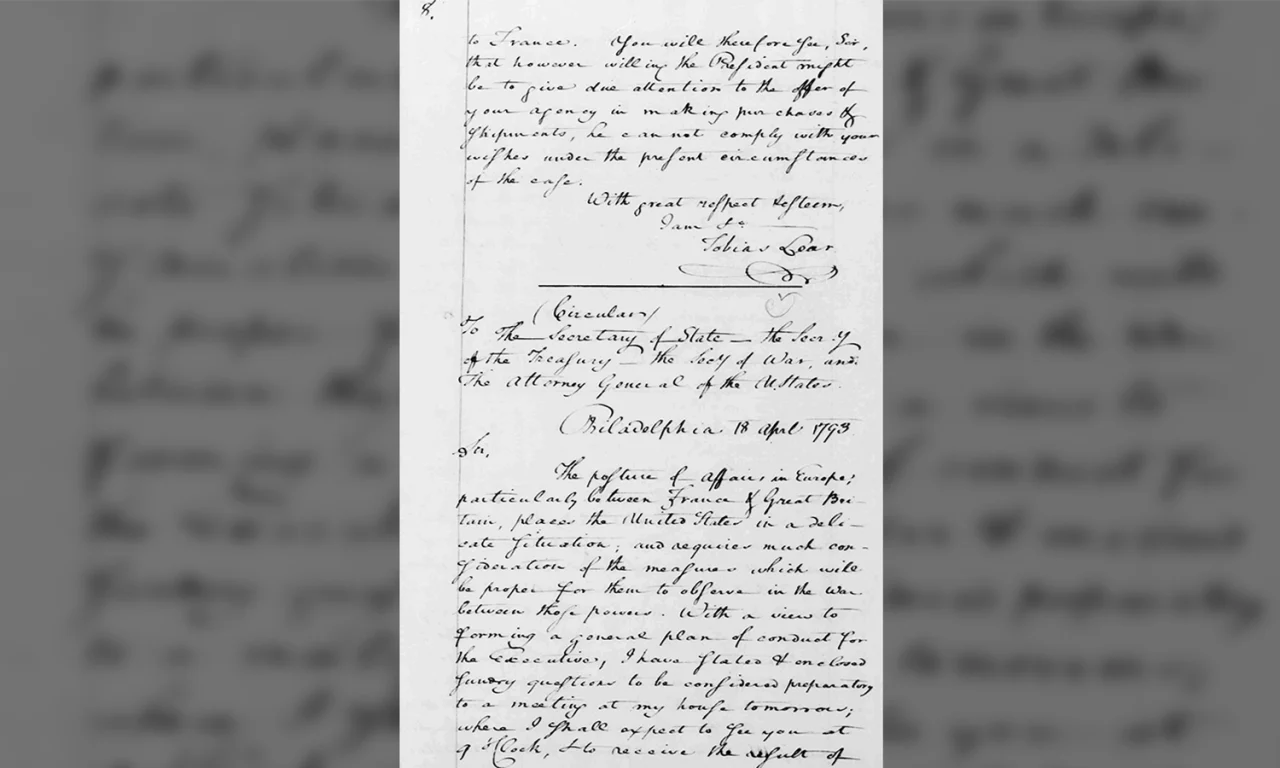
Washington Asks the Cabinet 1793 |
After France declared war on Great Britain in 1793, George Washington summoned a cabinet meeting to discuss how the United States should approach the situation. Washington outlined a list of questions that the United States had to consider in a letter to his cabinet. |
|
| |
|
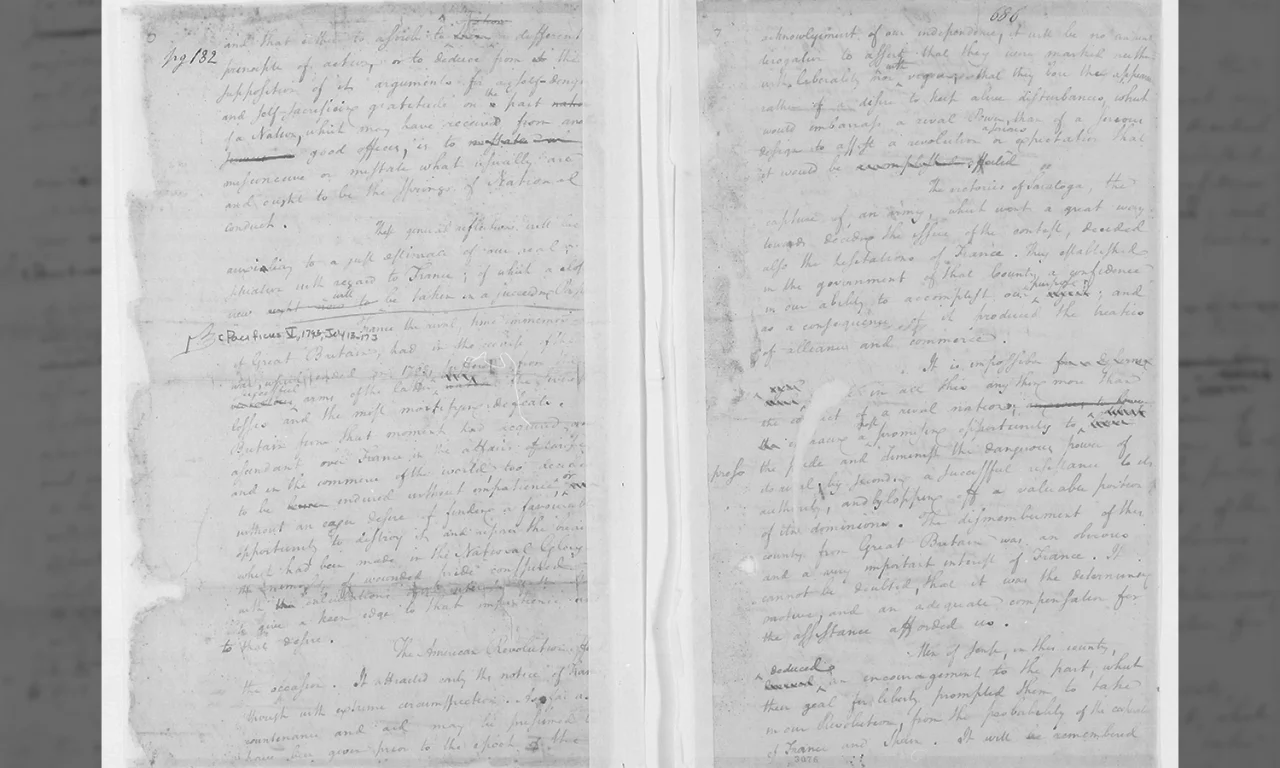
Hamilton's Pacificus No. 5 |
Alexander Hamilton wrote seven newspaper essays defending Washington’s Neutrality Proclamation between June 29 and July 27, 1793, under the pseudonym “Pacificus.” In this fifth essay, Hamilton explained and defended the proclamation, arguing that neutrality was in America’s best interest. |
|
| | |
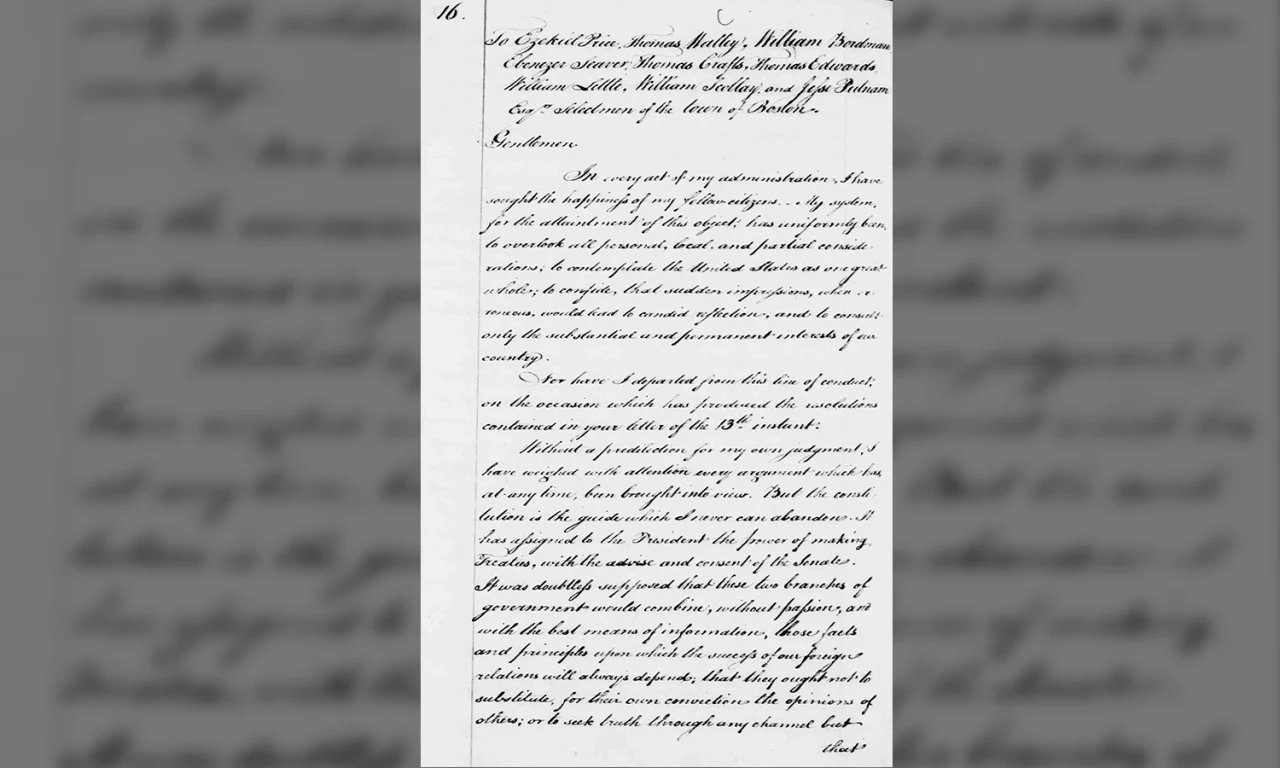
Washington's Letter to Boston 1795 |
Almost everything in students' lives is impacted by globalization, from the iced matcha they drink to the supplies in their backpacks. Use this lesson plan to help your students investigate the basics of globalization and trade. |
|
| |
|
Foreign Affairs Virtual Graduate Fair: August 5th |
Are you or your students considering a graduate degree in international affairs or public policy? Join the Foreign Affairs Virtual Graduate School Fair on August 5, 2026, from 11 a.m. to 2 p.m. ET. This free event allows you or your students to explore program opportunities and engage in live one-on-one chats with admissions officials. If you know of students who may be interested, please share the registration link with them.
|
|
| |
|
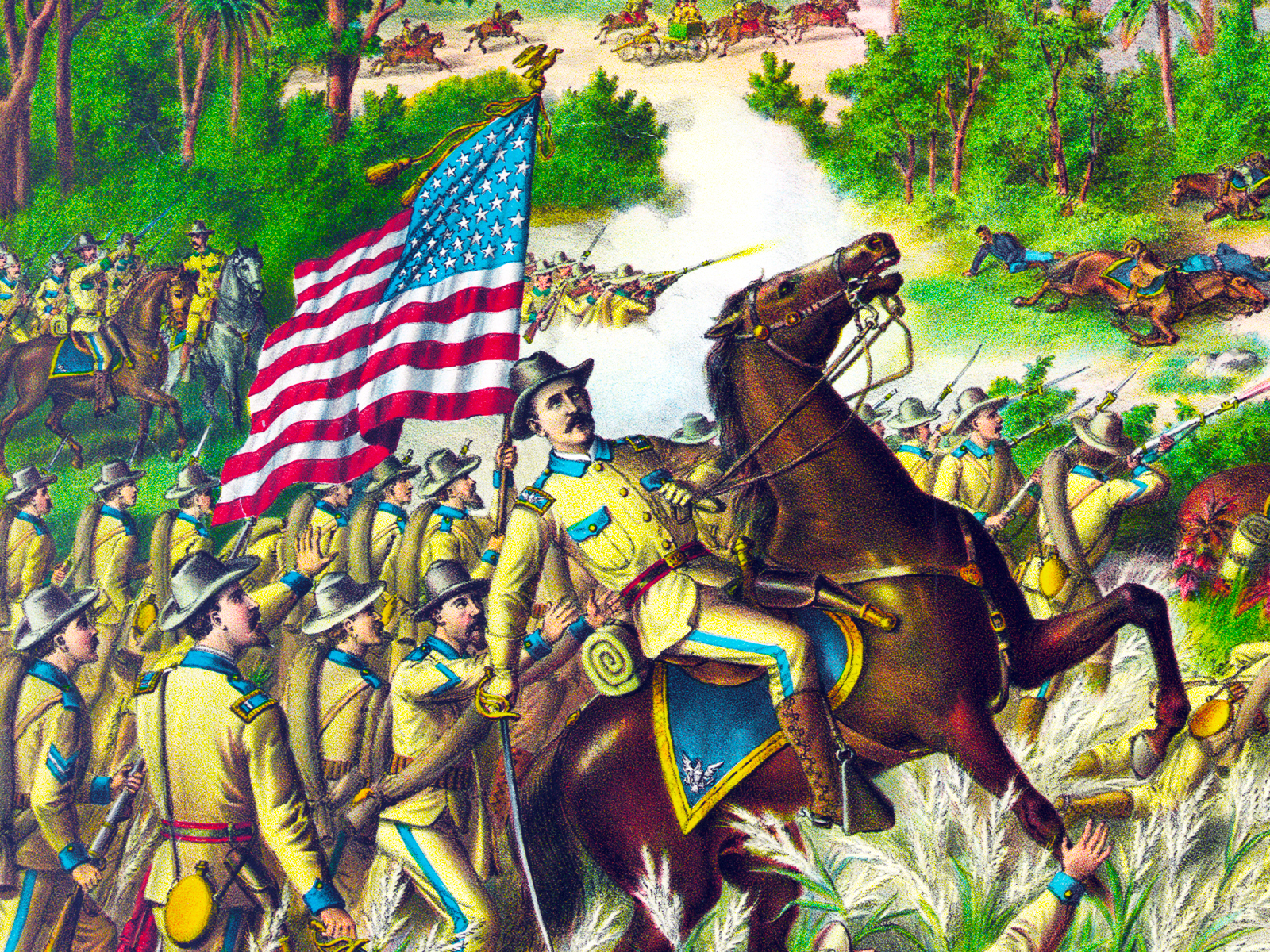
Illustration by Kurz and Allison from 1899 shows a scene from the Battle of Quingua where American troops are advancing on Filipino troops during the Philippine-American War. (Library of Congress) |
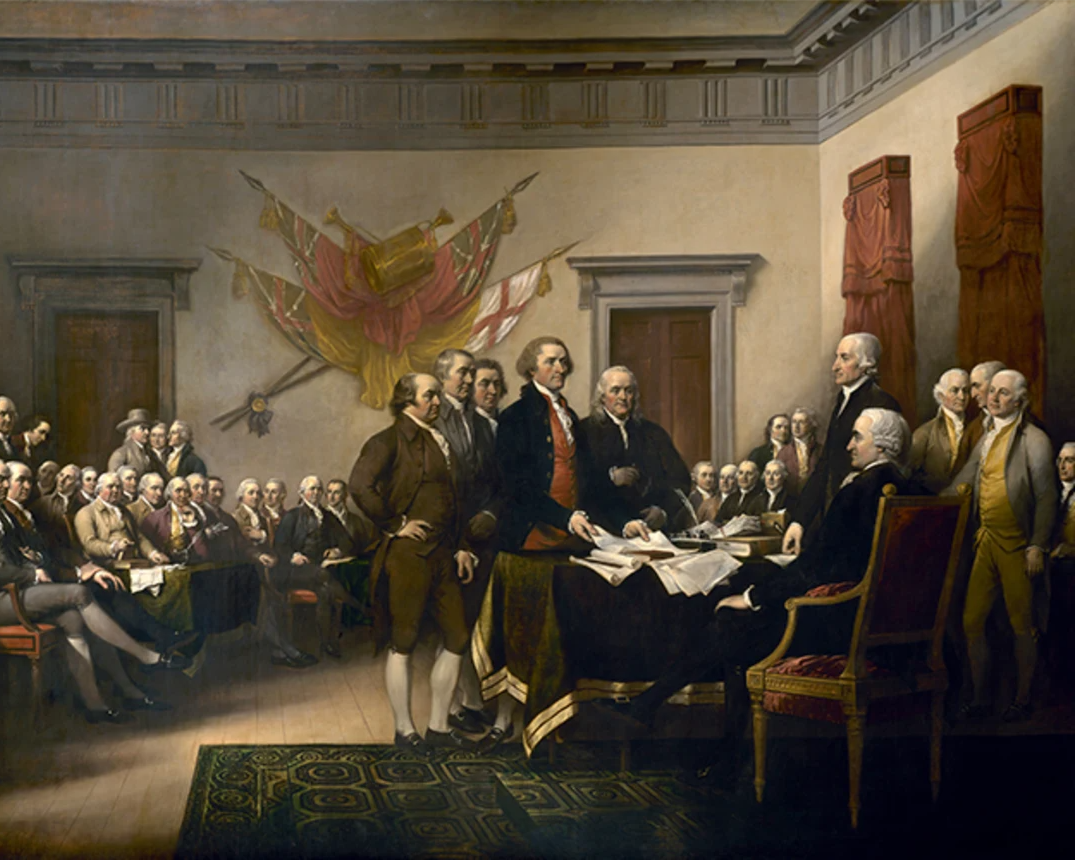
Painting by John Trumbull showing the signing of the Declaration of Independence in Philadelphia, Pennsylvania in 1776. (Architect of the Capitol )
|
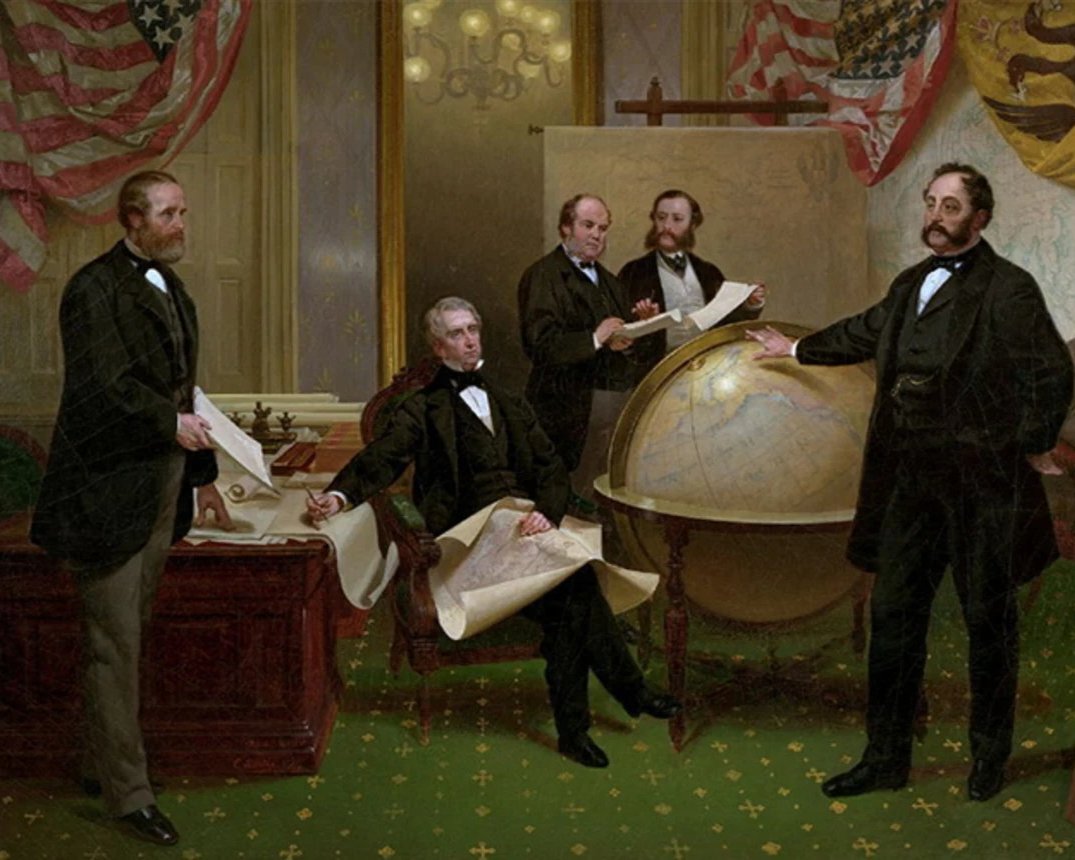
Reproduction of a painting by Emanuel Leutze shows the signing of the Alaska Treaty of Cessation in 1867. (Wikimedia Commons) |
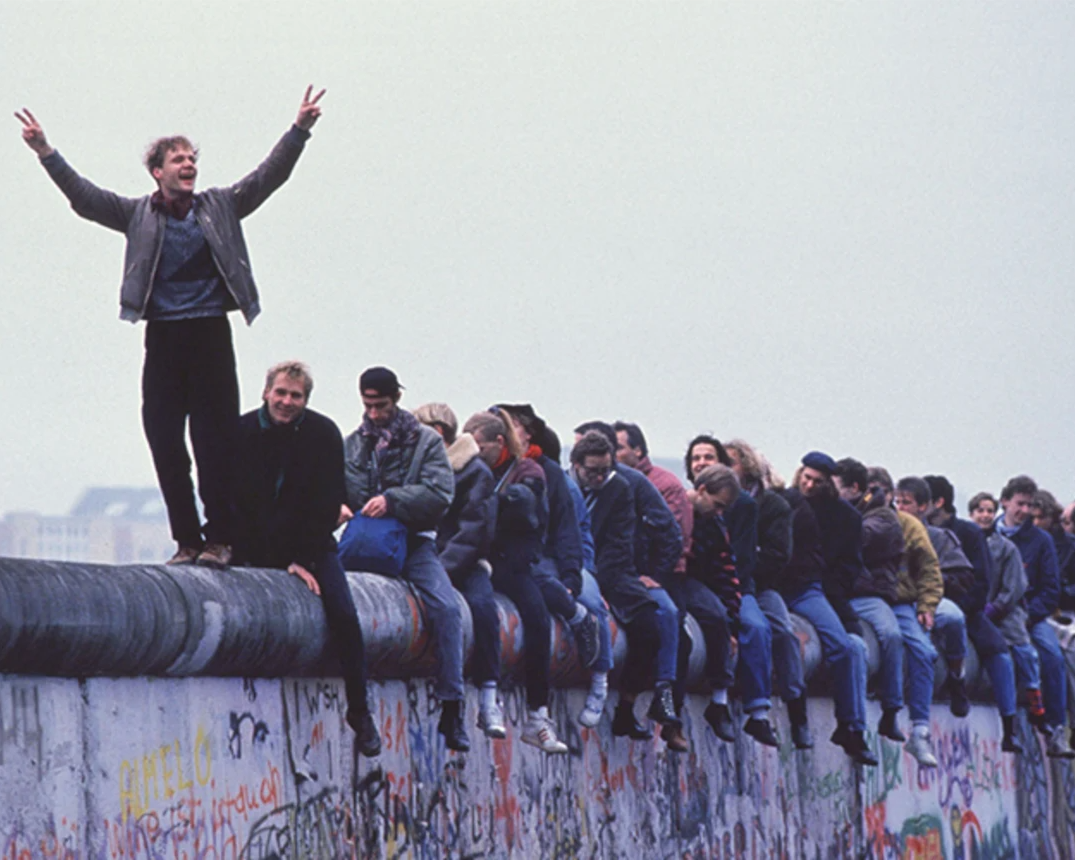
West Germans celebrate the unification of Berlin atop the Berlin Wall during the collapse of communism in East Berlin on November 12, 1989. (Stephen Jaffe/Getty Images) |
President George Washington’s questions for the Cabinet from April 18, 1793. (Library of Congress) |
Secretary of the Treasury Alexander Hamilton’s “Pacificus No. 5” essay from July 1793.(Library of Congress) |
President George Washington’s response letter to the Boston Selectmen from July 28, 1795.(Library of Congress) |
|
|
|
58 East 68th Street, New York, NY 10065 |
|
|
|
|