|
|
|
Newsletter continues after sponsor message
|
|
|
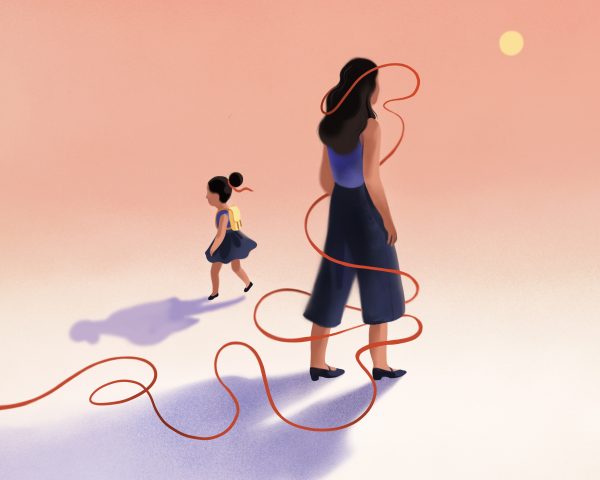
Each morning my second grade teacher would write a set of in-class assignments on the blackboard, to be completed that day. Somehow I never made it to the bottom of the list. The teacher told my parents I was daydreaming. In high school, mom and dad got frustrated with me for spending long hours doing homework. In my 20s, I was let go from a job where I had to keep track of many schedules and moving parts after I let details slip through the cracks. I can think of many examples where I lost track of time, details or whatever was supposed to be the focus of my attention.
Last year, at age 40, I was finally diagnosed with attention deficit hyperactivity disorder, or ADHD. I’m not unique. In fact I’m part of a wave of women receiving diagnoses as adults in recent years. While symptoms of ADHD often manifest for girls in childhood or adolescence, they’re often overlooked because they differ from the more overt symptoms more typical of boys with the disorder, as NPR’s Maria Godoy reports – like fidgeting or talking out of turn in class.
Just like my 7-year-old self, girls with ADHD are “more likely to appear distracted, disorganized, kind of have their head in the clouds rather than show that overt, hyperactive or impulsive behavior that can disrupt a classroom," says Julia Schechter, a clinical psychologist and co-director of the Duke Center for Girls and Women with ADHD. It doesn’t help that for decades, ADHD was considered a childhood disease that mostly affected boys — and boys were the focus of most research.
There is a cost to those years of missed treatment. ADHD influences many aspects of life and can bring challenges with social relationships, impulse control and low self-esteem. Compared to other girls and women, females with ADHD have more problems with friendships and relationships. And compared to males with ADHD, women and girls are more likely to have feelings of worthlessness and self-harm or attempt suicide.
There are physical health risks too. Women with ADHD have a higher incidence of obesity, eating disorders, type 2 diabetes and cardiovascular disease than their peers without the condition, says Dr. Patricia Quinn, a developmental pediatrician who specializes in ADHD in women and girls. She says several factors linked to ADHD can contribute to these risks, including impulsivity, trouble maintaining routines and poor food choices driven by the need to seek dopamine.
Midlife can be a breaking point for women with ADHD, and many women first receive a diagnosis during perimenopause. New research shows that fluctuations in estrogen levels can exacerbate symptoms.
For Amy Reyer, hormone changes on top of parenting two teens and caring for aging parents and a demanding job added up to just too much. Reyer says her whole life, she'd struggled with focus and anxiety, but she didn’t know why. After she was diagnosed at 48 and found an ADHD medication that worked for her, she said it was like a lightbulb came on.
"I remember just saying to myself, 'Oh my God, this must be what normal feels like,'" Reyer says.
Quinn, who recently released a guide for clinicians to treat ADHD in women, says for women in perimenopause, hormone replacement therapy can also be helpful. Psychotherapy is also key, she says, "because you need to rewrite all those scripts that are going on in your head."
Lifestyle changes can help too. Read the full story to learn more about challenges and treatment for women with ADHD.
Plus: TikTok is full of ADHD advice — just don't trust it for a diagnosis |
|
The news doesn’t stop, and neither will we.
We’re here 24 hours a day, seven days a week, delivering news that millions of people rely on to stay informed.
You can help ensure that NPR remains available to everyone, regardless of their ability to pay, by donating now. |
|
|
|
Karen Brown/New England Public Media |
|
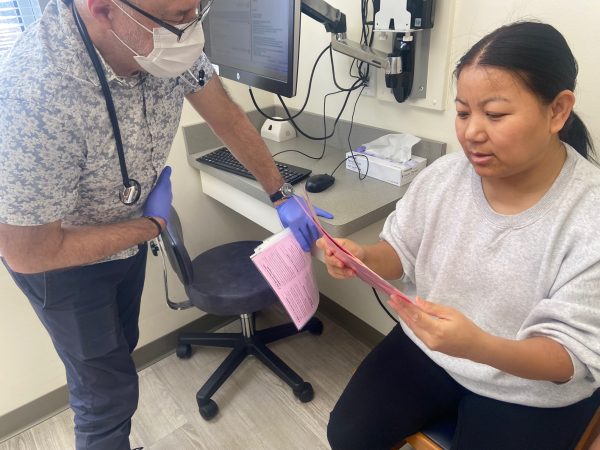
The Trump administration wants to stop recommending some childhood vaccines, and that's created a dilemma for pediatricians and local health officials. As Karen Brown at New England Public Media reports, some are working out new ways to share scientific information with the public.
Public trust in the Centers for Disease Control and Prevention has wavered during infectious disease outbreaks, but for medical professionals, "the CDC used to be, worldwide, the most trusted source of information pertaining to public health and infectious disease," says Dr. John Snyder, an Amherst, Mass., pediatrician who’s been practicing for 30 years. He used to turn to the CDC as a source for up-to-date research on treatments, outbreaks, vaccines and more. And when parents expressed worries about side effects from a recommended shot, he’d send them to cdc.gov as a way of backing up his advice.
But it’s a different story, he says, in the year since Health and Human Services Secretary Robery F. Kennedy Jr. replaced every member of the CDC's vaccine advisory board with new appointees, some of them prominent vaccine skeptics. The CDC "turned into a completely unreputable source of information," Snyder says.
And in January, the agency removed some vaccines from the recommended vaccine schedule for all children. Vaccines for COVID-19, influenza, hepatitis A and B and meningococcal disease and rotavirus were all taken off, against the advice of major medical groups like the American Academy of Pediatrics.
Snyder’s practice, Amherst Pediatrics, changed its website to say: "The CDC is no longer considered to be a reliable or legitimate source of information." Instead, the site directs families to get information from their own doctor, the state of Massachusetts or medical organizations. They also promote the use of Valley Vax, a new public health effort that features advice from doctors and medical groups in the region on its website.
Snyder says his own patients vary on their openness to vaccines. A woman brought her 14-year-old son in for a physical. She allowed the teen to decide whether to be vaccinated for HPV. When Snyder brought up a COVID shot though, she told him it’s a “hard no.” She doesn’t know who to trust on vaccine safety anymore, she told New England Public Media. "I worry that it's been politicized a lot, and I don't like politics," she said.
Read the full story to learn more.
Plus: Key FDA committee unanimously recommends Moderna's mRNA influenza vaccine |
|
Listen: Could this nasal spray replace all your vaccines one day?
The Trump administration's move to end subsidies for Medicare drug plans could cost consumers
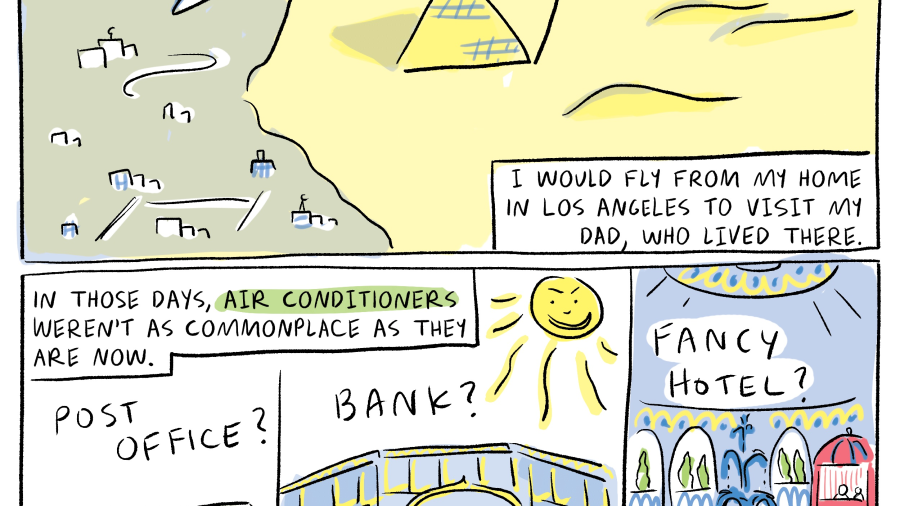
COMIC: Egypt gets really hot in the summer. How do people stay cool?
Animal spillover? Lab leak? What the science says about the origins of COVID-19 |
|
We hope you enjoyed these stories. Find more of NPR's health journalism online.
All the best,
Andrea Muraskin and your NPR Health editors |
|
Listen to your local NPR station. |
|
Visit NPR.org to find your local station stream. |
|
|
| |
|
|
|
|
|
|
|
|
You received this message because you're subscribed to Health emails. This email was sent by National Public Radio, Inc., 1111 North Capitol Street NE, Washington, DC 20002
Unsubscribe | Privacy Policy |
 |
|
|
|
|
|
|
|