Plus: Ceuta revives Europe's migration crisis ‌ ‌ ‌ ‌ ‌ ‌ ‌ ‌ ‌ ‌ ‌ ‌ ‌ ‌ ‌ ‌ ‌ ‌ ‌ ‌ ‌ ‌ ‌ ‌ ‌ ‌ ‌ ‌ ‌ ‌ ‌ ‌ ‌ ‌ ‌ ‌ ‌ ‌ ‌ ‌ ‌ ‌ ‌ ‌ ‌ ‌ ‌ ‌ ‌ ‌ ‌ ‌ ‌ ‌ ‌ ‌ ‌ ‌ ‌ ‌ ‌ ‌ ‌ ‌ ‌ ‌ ‌ ‌ ‌ ‌ ‌ ‌ ‌ ‌ ‌ ‌ ‌ ‌ ‌ ‌ ‌ ‌ ‌ ‌ ‌ ‌ ‌ ‌ ‌ ‌ ‌ ‌ ‌ ‌ ‌ ‌ ‌ ‌ ‌ ‌ ‌ ‌ ‌ ‌ ‌ ‌ ‌ ‌ ‌ ‌ ‌ ‌ ‌ ‌ ‌ ‌ ‌ ‌ ‌ ‌ ‌ ‌ ‌ ‌ ‌ ‌ ‌ ‌ ‌ ‌ ‌ ‌ ‌ ‌ ‌ ‌ ‌ ‌ ‌ ‌ ‌ ‌ ‌ ‌ ‌ ‌ ‌ ‌ ‌ ‌ ‌ ‌ ‌ ‌ ‌ ‌ ‌ ‌ ‌ ‌ ‌ ‌ ‌ ‌ ‌ ‌ ‌ ‌ ‌ ‌ ‌ ‌ ‌ ‌ ‌ ‌ ‌ ‌ ‌ ‌ ‌ ‌ ‌ ‌ ‌ ‌ ‌ ‌ ‌ ‌ ‌ ‌ ‌ ‌ ‌ ‌ ‌ ‌ ‌ ‌ ‌ ‌ ‌ ‌ ‌ ‌ ‌ ‌ ‌ ‌ ‌ ‌ ‌ ‌ ‌ ‌ ‌ ‌ ‌ ‌ ‌ ‌ ‌ ‌ ‌ ‌ ‌ ‌ ‌ ‌ ‌ ‌ ‌ ‌ ‌ ‌ ‌ ‌ ‌ ‌ ‌ ‌ ‌ ‌ ‌ ‌ ‌ ‌ ‌ ‌

US Edition - Today's top story: Russia is trying to force Ukrainian children to become Russian, with reeducation, forcible transfers and camps View in browser

6 August 2026

US Edition

The Conversation
 

Top headlines

Lead Story

When I sent scholar Thom Reilly my edits on the first draft of his story, I told him, “I have no idea how you lived through doing the research on this story.” That’s because Reilly’s research was on Russia’s abductions, deportations and reeducation of at least 20,000 Ukrainian children. There are few more horrifying thoughts – to a parent like me and surely even those who aren’t parents – than a kidnapped child.

Reilly, a professor at Arizona State University’s School of Public Affairs, drew on 18 months of interviews with some of the few young people who have been returned to Ukraine as well as “caregivers, Ukrainian officials, investigators, legal experts and child-protection advocates, together with government and nonprofit organization reports, international legal materials, historical research and open-source investigations.”

And here’s what he found, which he describes in excruciating detail: “Russia is not just moving Ukrainian children. It is taking away their identities.”

[ Miss us on Sundays? Get a selection of our best and most popular stories (or try our other weekly emails). ]

 

Naomi Schalit

Politics and Legal Affairs Editor

 
A fence featuring 20,000 stuffed teddy bears, each representing a Ukrainian child abducted by Russia, on the National Mall in Washington, D.C., on April 23, 2026. Saul Loeb/AFP via Getty Images

Russia is trying to force Ukrainian children to become Russian, with reeducation, forcible transfers and camps

Thom Reilly, Arizona State University

Russia is not just moving Ukrainian children. It is taking away their identities. Will the $25 million being spent by the US to locate and rehabilitate forcibly transferred children be enough?

Arts + Culture

Why Christopher Nolan turned Circe into a vindictive witch

Bailey Sincox, Binghamton University, State University of New York

Some critics have bemoaned the flattening of a complex character. But Nolan’s film echoes a literary tradition of reimagining Circe as a survivor, a truth-teller and a figure of female empowerment.

Politics + Society

Why Gen Z turns everything – even murder – into a joke

Evan Clarkson, Utah Valley University

A psychologist explains why dark political humor doesn’t prove young people are nihilistic, but rather reveals what happens when moral seriousness no longer feels credible.

Environment + Energy

Weeks before devastating wildfires hit, Spokane practiced a mass evacuation – the drill paid off

Ashley Bosa, Boise State University

Evacuations in the face of a wildfire, hurricane or other disaster are stressful and can take more time than you might expect. Here’s why practice helps and what to think about.

Science + Technology

Taxi drivers rarely die of Alzheimer’s – how complex mental maps and spatial reasoning protect your brain

Hatim Sharif, The University of Texas at San Antonio

Working with and living in spatially complex environments may help delay cognitive decline, though more research is needed.

Health + Medicine

How new SNAP restrictions could hit Greater Pittsburgh’s food access and economy

Amelia B. Finaret, Allegheny College

Nearly 14,000 people in one Pittsburgh-area county could lose a benefit that’s long been considered one of the country’s most effective anti-poverty tools.

What is emotional regulation? A child psychologist explains

Jessica Griffin, UMass Chan Medical School

The aim isn’t to get rid of difficult feelings, but to find ways of managing them effectively.

International

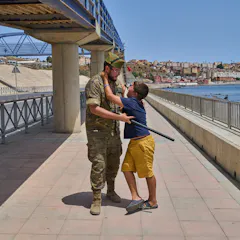
After Ceuta, Europe is once again mired in migration chaos of its own making

Kelsey Norman, Rice University; Nicholas R. Micinski, American University School of International Service

Anti-immigration critics seized on the Ceuta migrant situation as evidence of the failure of soft policies, but in reality the bloc has become far more restrictionist in the past decade.

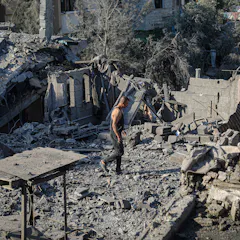
Gaza’s ‘road map’ is driven by Trump, but reluctant passengers and serious potholes could derail pathway to peace

Mkhaimar Abusada, Northwestern University

Hamas sees disarmament as parallel to Israeli withdrawal from Gaza; Israel says no withdrawal before complete disarmament.

Multiple threats endanger the world’s rarest great ape, a new study on the Tapanuli orangutan reveals

Rachakonda Sreekar, The University of Queensland; Ardiantiono, University of Wisconsin-Madison; Lubabun Ni'am, University of Heidelberg

Multiple pressures are acting simultaneously in threatening Tapanuli orangutan — from extractive industries to logging to agricultural expansion and, increasingly, climate-related disasters.

Economy + Business

Trump administration’s Freedom 250 organization allegedly misdirected donors away from bipartisan America250 charity

Sarah Webber, University of Dayton

An accounting scholar explains what charitable solicitation fraud is and how it’s connected to allegations some Democratic lawmakers made on July 2, 2026.

Trending on site

Today's video

A flock of birds flying. There is text that says, "Hope for migrating birds."