|
|
The hidden cost of a free VPN
|
|
|
Free Android VPNs promise privacy without paying for the subscription. But a study of 281 apps found that more than 80% contacted advertising or tracking domains, while some let traffic escape the VPN tunnel or sent some of their own data without encryption. Some of the apps involved have over 100 million downloads.
That makes the usual signs of trust, like huge install counts, high ratings, and Google Play safety labels, look a lot shakier. We look at what “free” can really cost and how to tell a reasonable free plan from a privacy trap.
|
|
|
|
New on the blog
|
Who gets your digital life when you die?
|
|
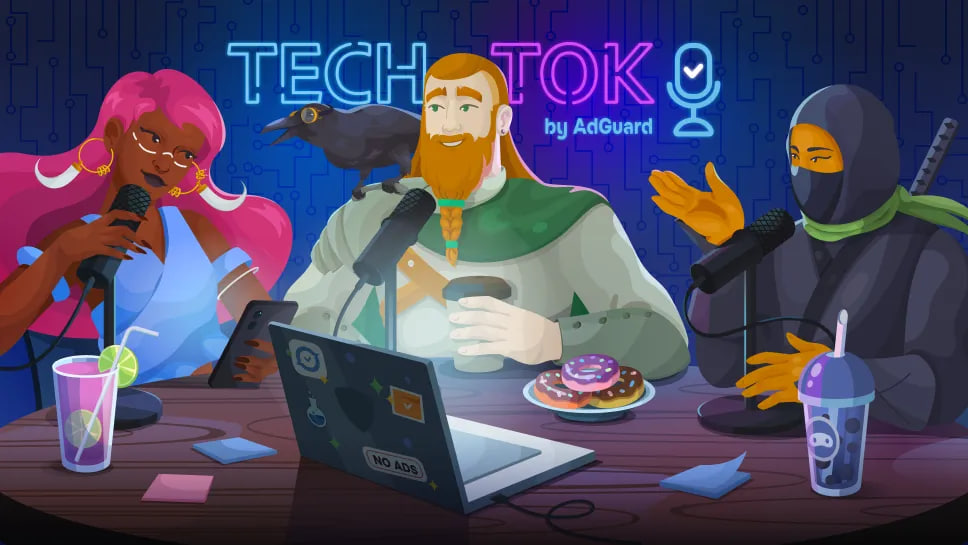
Your accounts, cloud files, photos, messages, and digital identity don’t disappear with your death. The new TechTok looks at what happens to them, what your family may or may not be able to access, and how AI is making the idea of a digital afterlife much stranger.
|
|
|
|
|
|
|
The many costs of a “free” VPN
|
When your free VPN works for criminals
|
|
The FBI linked several free VPNs to a massive botnet that quietly turned users’ computers into residential proxies. Their connections could then be rented to strangers and used for crimes, while the people behind those IP addresses had no idea they were involved.
|
|
|
|
|
|
Why does your VPN need microphone access?
|
|
A study of 800 free mobile VPNs found risky permissions, missing privacy disclosures, and even apps capable of capturing screenshots. The danger isn’t always what leaks through the VPN tunnel. Sometimes it’s what the app itself can access on your phone.
|
|
|
|
|
|
Who pays for your free VPN?
|
|
VPN servers and bandwidth cost money even when the download costs nothing. Some free providers make the equation work through ads, trackers, data sharing, or by cutting corners elsewhere. So the useful question isn’t simply whether a VPN is free, but how it makes its money.
|
|
|
|
|
|
|
What caught our eye
|
|
|
AdGuard news
|
|
|
|