Plus: Luigi Mangione and Gen Z

US Edition - Today's top story: Nearly 1 in 4 students are chronically absent from school – kids who feel happy and safe are less likely to miss class

August 19, 2026

US Edition

The Conversation
 

Top headlines

Lead story

Students across the country are preparing to go back to school, if they haven’t already done so. But how many will regularly show up as the year progresses?

According to education scholars Jerome A. Graham, Su Yon Choi and Yi-Chih Chiang, 1 in 4 students in the U.S. miss enough school to be considered chronically absent – a rate that sharply increased during the COVID-19 pandemic and has yet to return to pre-2020 levels.

Unreliable transportation and unstable housing both contribute to absenteeism. But there are other, less obvious factors, like how connected students feel to their school community. If addressed, they could give educators and school administrators more control over absenteeism than they might realize.

“When schools attend to the conditions that make all students feel welcomed and valued, they are much more likely to show up,” Graham, Choi and Chiang write.

One note: We’ve just started using a new service to deliver our newsletters. If this has caused any problems, please let us know at us-newsletter@theconversation.com. And you might want to add our new sending address to your contacts. Thank you.


 

Amy Lieberman

Education Editor

 
Close to 1 in 4 students in the U.S. do not attend school for at least 10% of the academic year. Antonio Hugo Photo/Moment via Getty Images

Nearly 1 in 4 students are chronically absent from school – kids who feel happy and safe are less likely to miss class

Jerome A. Graham, Michigan State University; Su Yon Choi, Florida Atlantic University; Yi-Chih Chiang, Idaho State University

Research on absenteeism often focuses on factors like unreliable transportation, overlooking what schools themselves can do to help kids maintain a steady attendance record.

Economy + Business

Personal bankruptcy filings are soaring in 2026, signaling growing economic distress

Jay L. Zagorsky, Boston University

State laws vary, so where you live may determine whether you’ll get to keep your home.

Health + Medicine

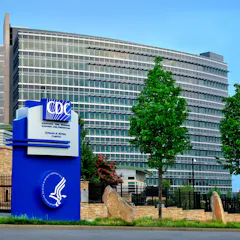
The CDC has a new director – now comes the hard part

Syra S. Madad, Harvard Kennedy School; Nahid Bhadelia, Boston University

Amid multiple disease outbreaks and intense political pressures, Director Erica Schwartz will need to defend scientific independence.

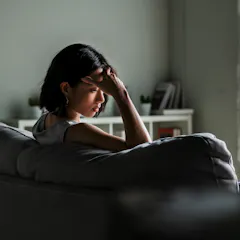
Traumatic memories are often fragmented – a psychologist explains how and why that happens

Michele Patterson Ford, Dickinson College

When a person’s story about a traumatic event seems fuzzy, they may be experiencing the nuances of how their brain processes trauma.

Politics + Society

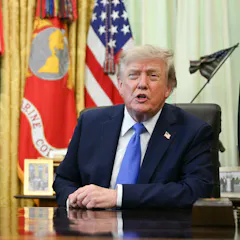
After Supreme Court setback, Trump again targets immigration by expanding definition of birthright citizenship

Austin Sarat, Amherst College

Two new executive orders take aim at aspects of birthright citizenship the high court did not address in its June 2026 ruling.

What Luigi Mangione’s celebrity says about Gen Z

Evan Clarkson, Utah Valley University

A psychologist explains why the dark humor around Mangione’s case isn’t evidence of nihilism but of what happens when demands for moral seriousness stop feeling credible.

Ethics + Religion

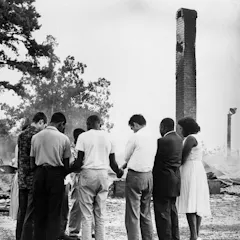
Birmingham church bombing wasn’t an isolated act of terrorism – there were dozens of attacks on Black houses of worship during the Civil Rights Movement

Jason Wollschleger, Whitworth University

More than 100 Black churches across the South were targeted from the 1950s-70s. Another wave of violence followed in the ‘90s – and there have been attacks in recent years, too.

Environment + Energy

Just because the bill is low doesn’t mean energy is affordable

Destenie Nock, Carnegie Mellon University

Energy is meant to improve people’s lives. Often cost prevents residents from making the most of that opportunity, so they cut back on energy use to be able to pay the bills.

Trending on site

Today's chart