| | In this edition: Nigeria forces local stake in MTN-IHS deal, tensions in Asahi’s proposed EABL takeo͏ ͏ ͏ ͏ ͏ ͏ |
| |  | Africa |  |
| |
|
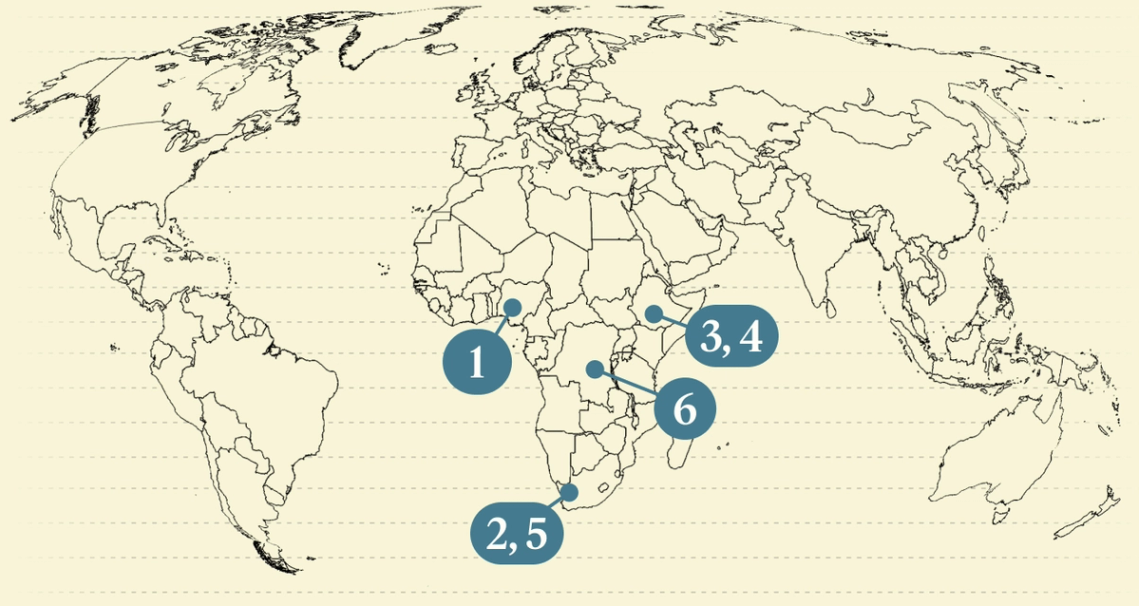 - Nigeria orders MTN sale
- S. Africa widens broadband
- Asahi-EABL deal tensions
- Dangote offers refinery equity
- Assessing coal transition
- Africa’s energy gap
 The Week Ahead, and a new half marathon record. |
|
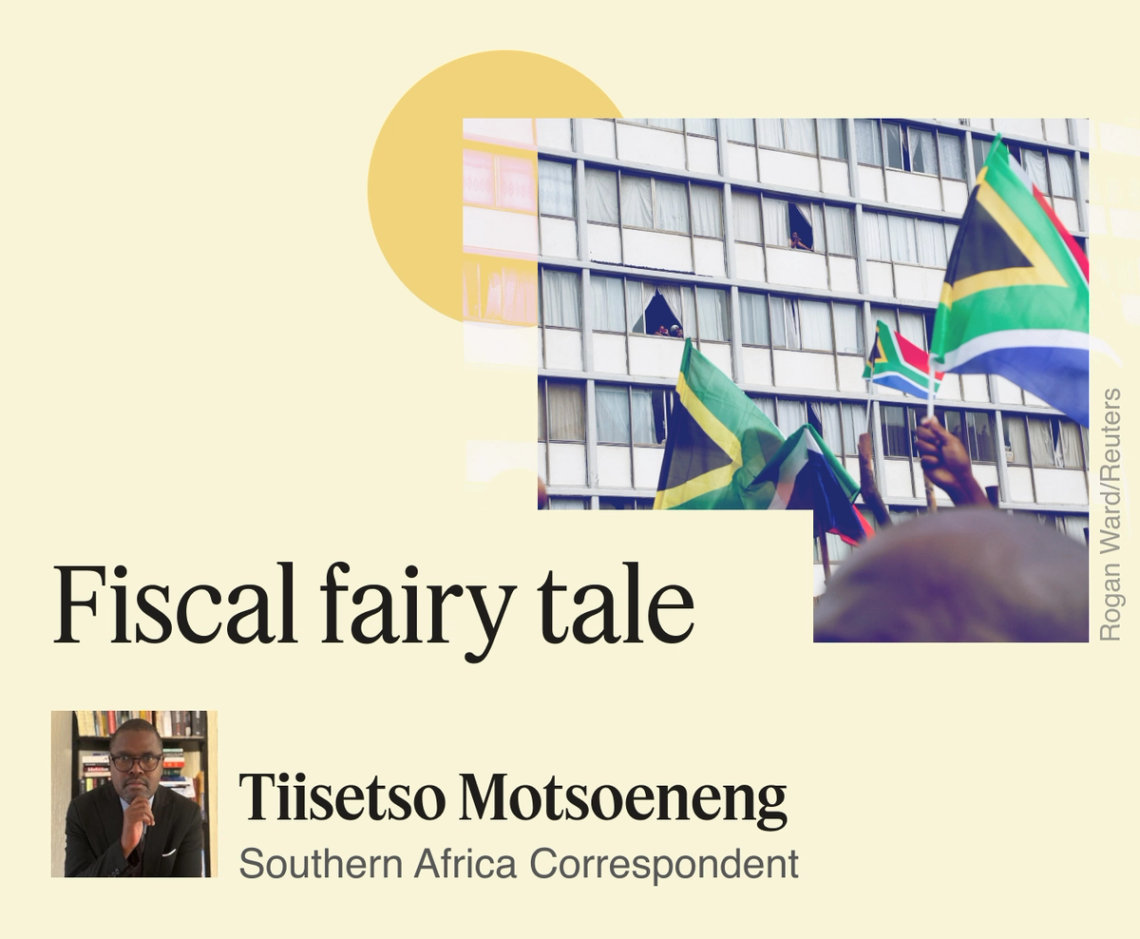 South Africa’s ruling party has found a new way to buy time. The African National Congress’ 2026 local government elections manifesto pledges free basic services to nearly 30 million people — water, electricity, sanitation, garbage removal. All automatically delivered, no queues, no paperwork required. It’s a populist headline designed to resonate with voters weary of service failures from the party of Nelson Mandela, which lost its outright majority in 2024 national elections for the first time since coming to power in the glow of international goodwill 30 years earlier. It is also fiscally reckless. For starters, the numbers don’t support the fantasy. The National Treasury’s 2026 budget already devotes nearly two-thirds of non-interest spending to the “social wage.” That covers 26.5 million grant recipients, 13.6 million school children, and healthcare for more than 84% of the population. The budget shortfall is meant to shrink, debt is supposed to stabilize, and a third consecutive primary surplus of 2.3% is pencilled in. Against that backdrop, the ANC’s promise to layer free services on top of existing grants looks like campaign theater. What makes this moment more acute is the shifting politics it speaks to in South Africa. As the political scientist Ken Opalo argued recently, the ANC has lost its halo effect — the liberation legacy that once guaranteed loyalty even as services faltered. Voters are no longer swayed by the party’s glorious past. They are measuring the cold reality of municipal collapse and fiscal strain. In an era of coalition politics, policy credibility, not nostalgia, is the new currency of power. |
|
Call for local stake in MTN-IHS deal |
 Afolabi Sotunde/Reuters Afolabi Sotunde/ReutersNigeria’s antitrust regulator ordered MTN Group, Africa’s largest mobile operator, to sell a 30% stake in its Nigerian tower unit to local investors as a condition to secure approval for the $6.2 billion acquisition of IHS Holdings. The ruling underscores Abuja’s push to deepen local ownership of pillars of Nigeria’s digital economy. The purchase of IHS, one of the largest tower operators in emerging markets with a heavy footprint in Nigeria, is part of MTN’s strategy to reintegrate digital infrastructure and capture earnings growth from tower assets. The regulator’s demand injects fresh uncertainty into if and when the deal closes. Local institutions — already facing shortages of foreign currency and tight liquidity — must raise capital to finance such a sale, but MTN expects the transaction to close by year-end. The deal, which MTN says will immediately boost profits, has already secured shareholder approval. The regulatory greenlight came as MTN reported a nearly 25% rise in half-year core profit, or EBITDA, allowing it to launch a nearly $380 million share buyback program. — Tiisetso Motsoeneng |
|
New funds to drive Africa connectivity |
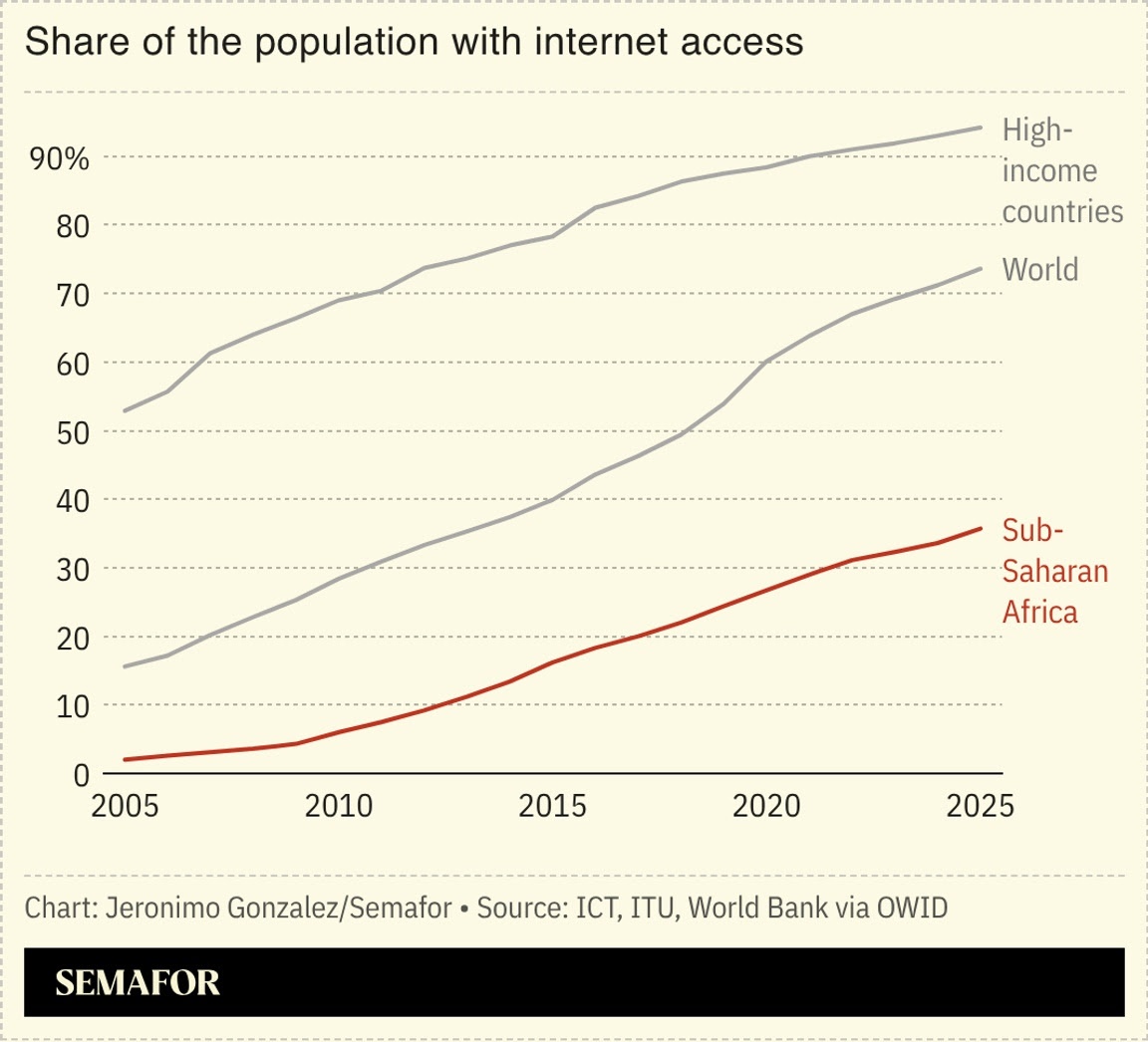 A South African telecoms consortium raised almost $1 billion as it looks to expand its services in the continent’s largest economy. The companies — units of Johannesburg-based Vivica Group — aim to tap into the country’s large informal economy by extending broadband connections in poorer communities nationwide, Bloomberg reported. Though many African countries have made considerable strides in recent years in connecting their population, just 36% of sub-Saharan Africans can get online, less than half the global average. A recent United Nations study suggested better connectivity could lift the continent’s GDP by almost $1.5 trillion by 2030. As the AI revolution expands, countries lacking internet access risk falling further behind; Africa has just 1% of the world’s data center capacity, despite making up almost a fifth of its population, a 2025 Brookings report said. |
|
| |  | Martin K.N Siele |
| |
 Monicah Mwangi/Reuters Monicah Mwangi/ReutersKenyan brewers see an antitrust decision to impose conditions on Asahi Group’s $2.3 billion acquisition of Diageo’s East African Breweries Limited as potentially reshaping market dynamics in their favor. The conditions, which aim to assuage longstanding concerns over EABL’s dominance, include requiring retailers to allocate refrigeration space for brands other than those owned by EABL and Asahi. If enforced, that could benefit global rivals such as Heineken, as well as smaller local brewers such as Keroche Breweries and African Originals. The companies have over the years accused EABL of engaging in anti-competitive practices. EABL has consistently denied these allegations, and has rejected the refrigeration condition set by the regulator. An executive at one of EABL’s rivals, who spoke on condition of anonymity because they were not authorized to talk to the media, described the Competition Authority’s decision as “a positive first step,” but noted that the regulator was yet to issue a formal notice of its decision. |
|
Dangote offers E. African refinery stake |
 Sodiq Adelakun/Reuters Sodiq Adelakun/ReutersNigeria’s Dangote Group has offered East African countries a 30% stake in a new oil refinery planned in northern Kenya, Bloomberg reported. Ethiopia and Rwanda have already expressed an interest in investing in the facility in Lamu, according to Kenyan President William Ruto’s top economic advisor. The prospective 700,000 barrels-a-day oil site will cost the Dangote Group more than $15 billion to build. An initial public offering of the group’s plant in Lagos is partly geared towards raising money for the project, but up to $1.5 billion could also be raised by the sale of stakes to interested governments in East Africa, Bloomberg said. The Lamu project is part of a broader expansion by Africa’s richest man, Aliko Dangote, who is targeting $100 billion in annual group revenues by 2030, from just under $20 billion today. |
|
Coal plant impact measured |
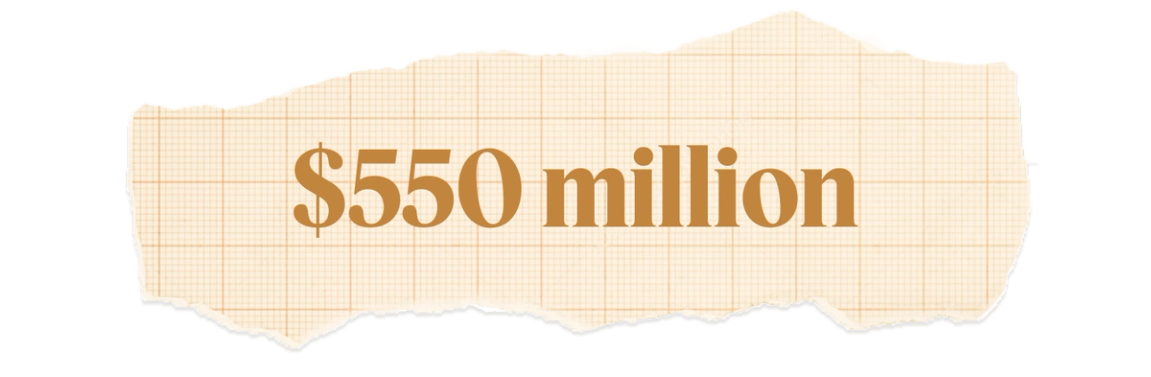 An unmanaged shutdown of the Secuda coal-to-liquids plant operated by South African energy company Sasol could wipe $550 million off the country’s $400 billion economy and cost nearly 25,000 jobs, researchers said. The facility, the world’s largest single-site greenhouse gas emitter, supplies nearly a third of domestic fuel, making it a strategic company woven into the nation’s fabric as both an economic powerhouse and environmental headache. Neither the government nor Sasol has plans to shutter Secuda, but the modeling by University of Cape Town researchers comes as the company faces shareholder activism and banks withdrawing funding for high-carbon assets. Sasol unveiled plans to slash its planned budget for emissions reductions last year, saving as much as $1 billion in a series of trade-offs aimed at balancing capital discipline with promises of cutting greenhouse gas emissions 30% by 2030. South Africa is the continent’s largest polluter, relying on coal for about 80% of its power and leaving its industrial heartland exposed to international climate pressure. |
|
Africa’s energy investment shortfall |
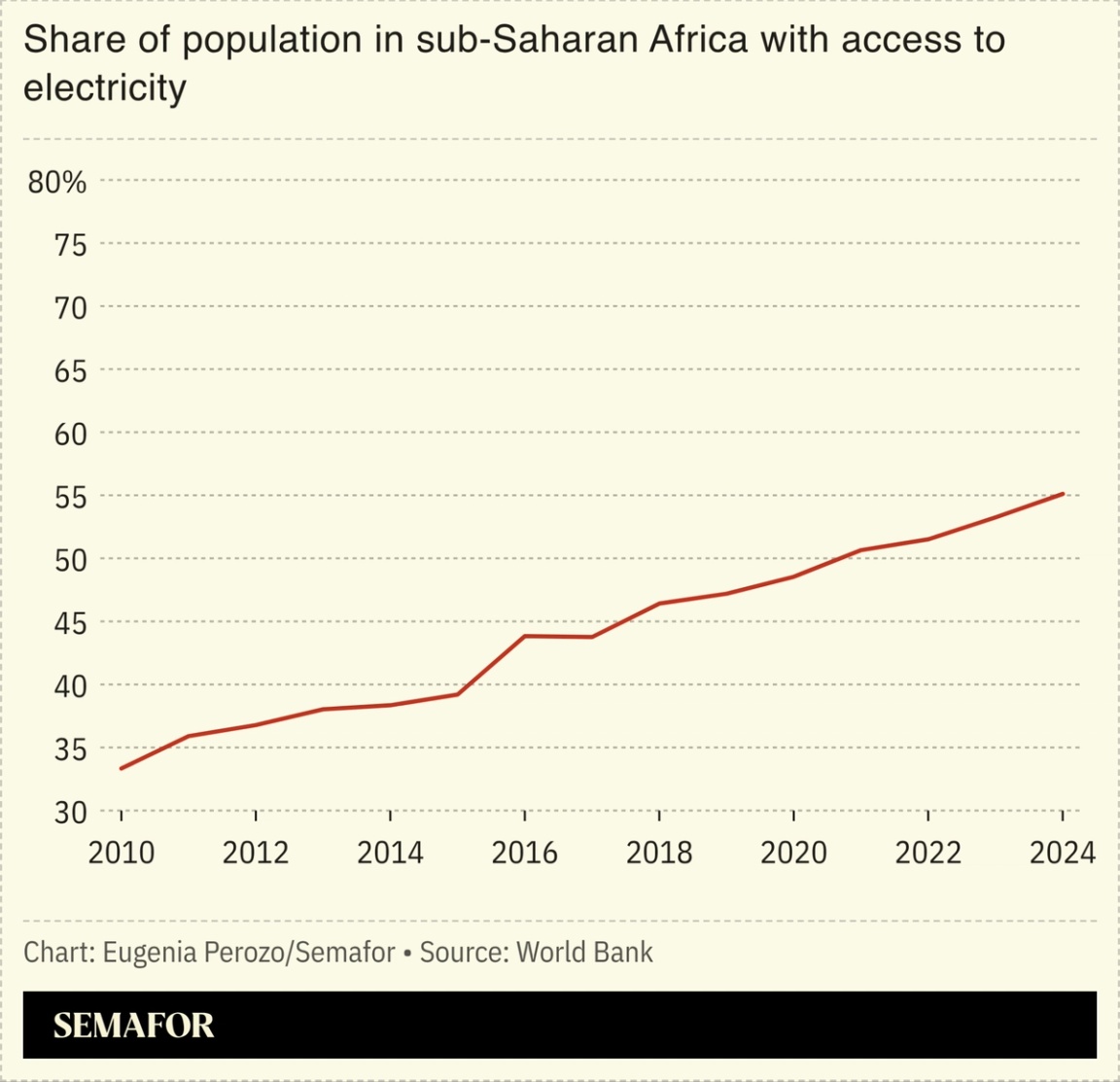 Africa continues to face the world’s largest electricity access gap with a shortfall in investment “the central constraint,” the latest Africa Sustainable Development Report said. Access to electricity increased from approximately 46% in 2015 to about 53% in 2023, yet nearly 600 million people remain without power. Urban electrification rates exceed 80%, the report found, while rural access remains below 40% in many countries. Annual investment in energy access on the continent is estimated at $4 billion, according to the report, which was jointly prepared by the African Development Bank, African Union Commission, UNDP, and Economic Commission for Africa. “Without a rapid scale-up of financing and regional energy integration, energy poverty risks becoming further entrenched,” wrote the authors. — Preeti Jha |
|
 Business & Macro |
|
|