An overheated engine doesn't always show obvious signs of damage.
Even a short period of excessive heat can damage critical engine components, and the engine may continue to run normally afterward. If your vehicle has overheated, knowing what to inspect can help determine whether you're dealing with a close call or a much bigger problem. Start With the Fluids
Your coolant and engine oil can provide some of the first clues that something went wrong.
Check for signs of contamination between the two fluids. Coolant in the oil or oil in the cooling system can indicate an internal failure, including a potential head gasket issue.
Inspect the Spark Plugs
Removing the spark plugs gives you another opportunity to look for evidence of trouble.
Differences between cylinders or signs that coolant has entered the combustion chamber can help point you toward where the problem may be.
Check Engine Compression
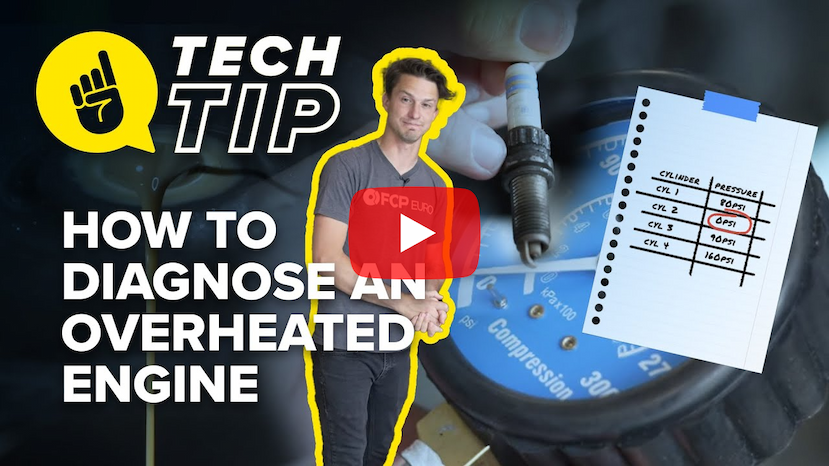
If the initial inspection doesn't reveal the cause, a compression test can help determine whether the overheating event resulted in internal engine damage.
Low or inconsistent compression between cylinders may indicate an issue that requires further diagnosis.
Don't Assume Everything Is FineJust because the engine starts and runs normally doesn't necessarily mean it escaped damage. Watch this week's Tech Tip as we work through an overheated engine step by step, from checking the fluids and spark plugs to compression testing and ultimately finding the cause of the failure. Watch now. |