(Mario Tama/Getty Images) |
|
|
|
As the war with Iran began, we noted the dangers the conflict posed to global helium markets. Qatar is responsible for a third of the world’s helium production and shortages could have a severe impact on the chipmakers around the world.
Or, it turns out, your kid’s next birthday party. Dollar Tree says that rising prices and a shortage of helium has customers turning to denser alternatives, MarketWatch reports. That has cost the chain $15 million in sales because less balloon buying means less buying of other party accessories. “The impact definitely extends beyond the balloon sale itself,” CEO Mike Creedon said.
Stocks slipped as crude oil rose on Monday after the US and Iran resumed attacks in the Middle East. |
|
|
|
The SPR has just two weeks of gas in the tank. Is that good? |
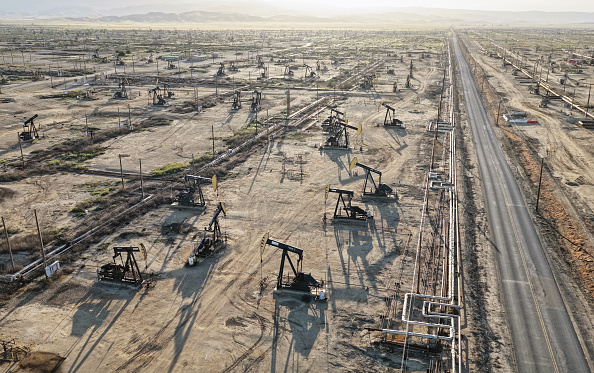
As the on, off on-again, off-again, still-on, off-again, definitely still-on war between the US and Iran continues, American oil reserves are continuing to dwindle.
In the last week, the US Strategic Petroleum Reserves (SPR) hit 286.8 million barrels, its lowest level since 1982, according to Gas Buddy’s Patrick De Haan. To put that in perspective, that’s less than two weeks worth of normal American oil consumption. In January, before the US began its war with Iran, the SPR had just over 415 million barrels. And before Russia’s invasion of Ukraine prompted an energy market freakout and a Biden-administration plan to release and slowly buyback oil, the SPR had over 588 million barrels.
A large part of the decline in the SPR is simply it doing what it was created by Congress to do: help stabilize oil markets during times of natural disasters or geopolitical turbulence. But any reserve, of course, has its physical limits.
“Operating below 250 million barrels pushes the infrastructure into a dangerous zone," Siddharth Misra, a petroleum engineering professor at Texas A&M University, told Reuters, with the news agency adding that “the absolute physical floor for the SPR is 70 million barrels.”
That’s because the US stockpile is not, as is perhaps popularly imagined, stored in the kind of massive, above-ground tanks often seen near oil refineries. Instead, the SPR is housed in a series of underground caverns carefully engineered by flooding enormous salt deposits on the Gulf Coast with water, which is then pumped out, leaving a void in the salt formation – some of the caverns are as deep as the Empire State building is tall – that is filled with oil. As oil is drawn out of a cavern, it’s replaced with water. If there’s too much water in a cavern, the leeching process that created the cavern in the first place can accelerate.
|
|
|
|
We haven’t hit SPR lows yet. The current draw down is set to continue until reserves hit just over 240 million barrels. And not only is buying a few hundred million barrels of oil very expensive, but the purchases have to be directly funded by Congress.
And if you’re thinking that the easy thing to do is just take the oil that is reportedly going to be coming from Venezuela and pump it into the SPR, think again: Venezuela oil is extra-heavy, “sour” crude with a high sulfur content. Great stuff if you’re in the refinery business, but the SPR is not set up to hold untreated heavy crude.
And as the strategic reserve empties, filling it is getting a bit more expensive. US oil futures closed Monday up around 3% Monday. |
|
|
|
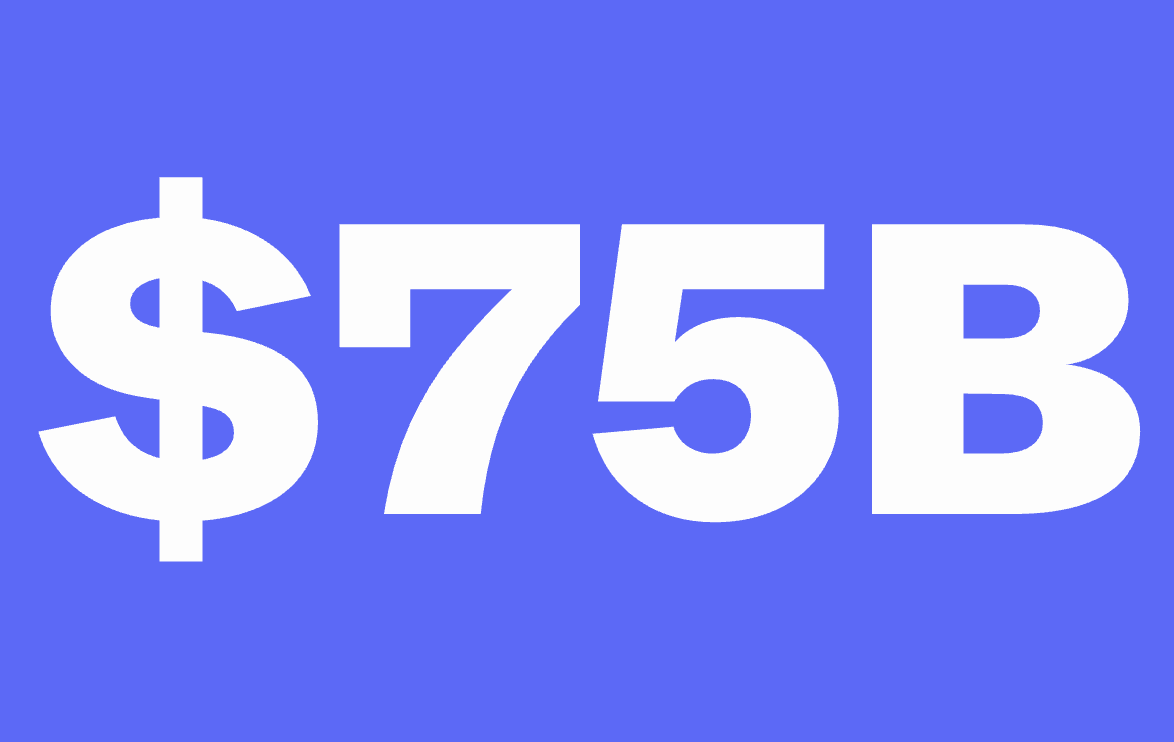
That’s how much in deferred capital gains went into so-called Opportunity Zones under a tax incentive program signed into law during the first Trump administration. The deferral period ends at the end of 2026, meaning investors will now likely be on the hook for a bigger tax bill, the Wall Street Journal reports. |
|
|
|
Solar farms on former corn and soybean fields had twice as many bird species and more than 230 nests on the solar system racks, according to a 2025 study of 13 solar sites across the Midwest. |
|
|
|
Sherwood Media, LLC produces fresh and unique perspectives on topical financial news and is a fully owned subsidiary of Robinhood Markets, Inc., and any views expressed here do not necessarily reflect the views of any other Robinhood affiliate... See more |
|
|
|
SHERWOOD MEDIA, LLC, 85 Willow Road, Menlo Park, CA 94025 |
|
|
|
|