| | Welcome to a new special weekly edition of Semafor Business.͏ ͏ ͏ ͏ ͏ ͏ |
| |  | | | Global Capital Edition |
| |
|
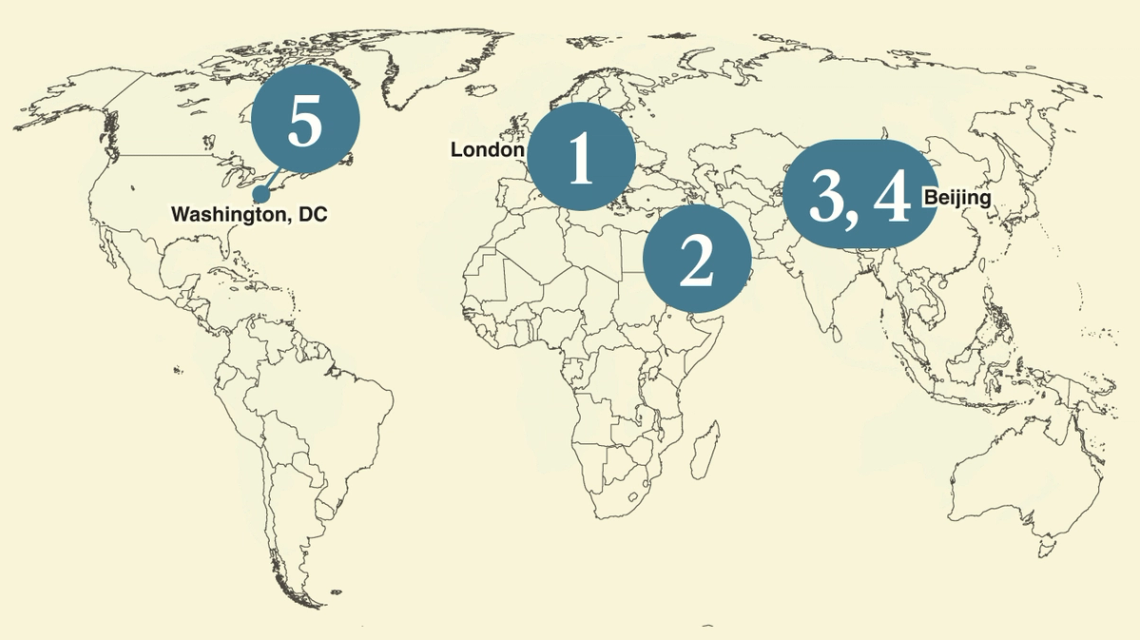 - Euro bond yields rise
- Saudi’s big AI ambitions
- ‘China for China’
- Beijing’s $45B stimulus
- Big Law talent rush
|
|
 We spend a lot of time in this newsletter on and around Wall Street, my reporting and spiritual home turf. But capital flows travel much farther and one of the joys of working at Semafor is following those stories around the world. This new Global Capital Edition of Semafor Business will come out on Mondays. Each send will feature an interview with a global business and finance leader who spends at least a good portion of their time not thinking about New York. This week, Semafor’s Matthew Martin sits down with the head of Saudi Arabia’s HUMAIN, the vessel for the kingdom’s AI ambitions. It’s a way to tap Semafor’s global hivemind — our newsroom has journalists in nine countries (10 if you count Silicon Valley) — to keep you informed and at least occasionally delighted. Enjoy! |
|
European bond yields rise |
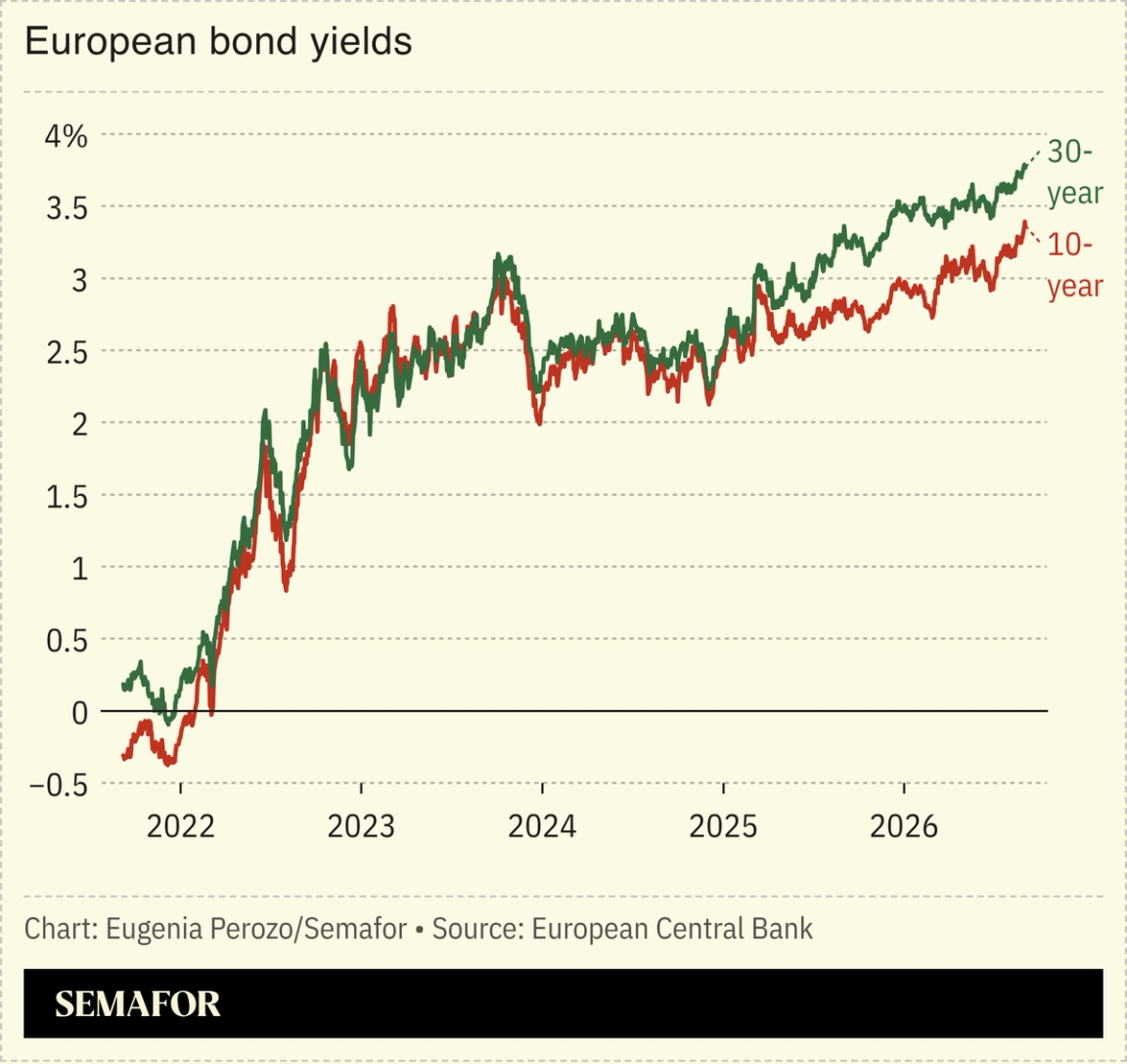 European bond yields rose on fears that renewed tensions in the Middle East could accelerate inflation, crimping the already tight fiscal space for under-pressure governments across the continent. French, Italian, and UK bonds have fallen the most in the G7 in the past month, while German yields rose on concerns over the economic policies of the far-right AfD, which won a key weekend election. Though US borrowing costs are also on the rise — potentially curtailing the AI infrastructure buildout, per one leading analyst — economists warn Europe’s poorer growth prospects mean it has less room for maneuver: Britain’s new finance minister, for example, pledged in a Financial Times interview to strengthen his country’s budgetary buffer, requiring tax rises or spending cuts. |
|
Saudi Arabia’s big AI bet |
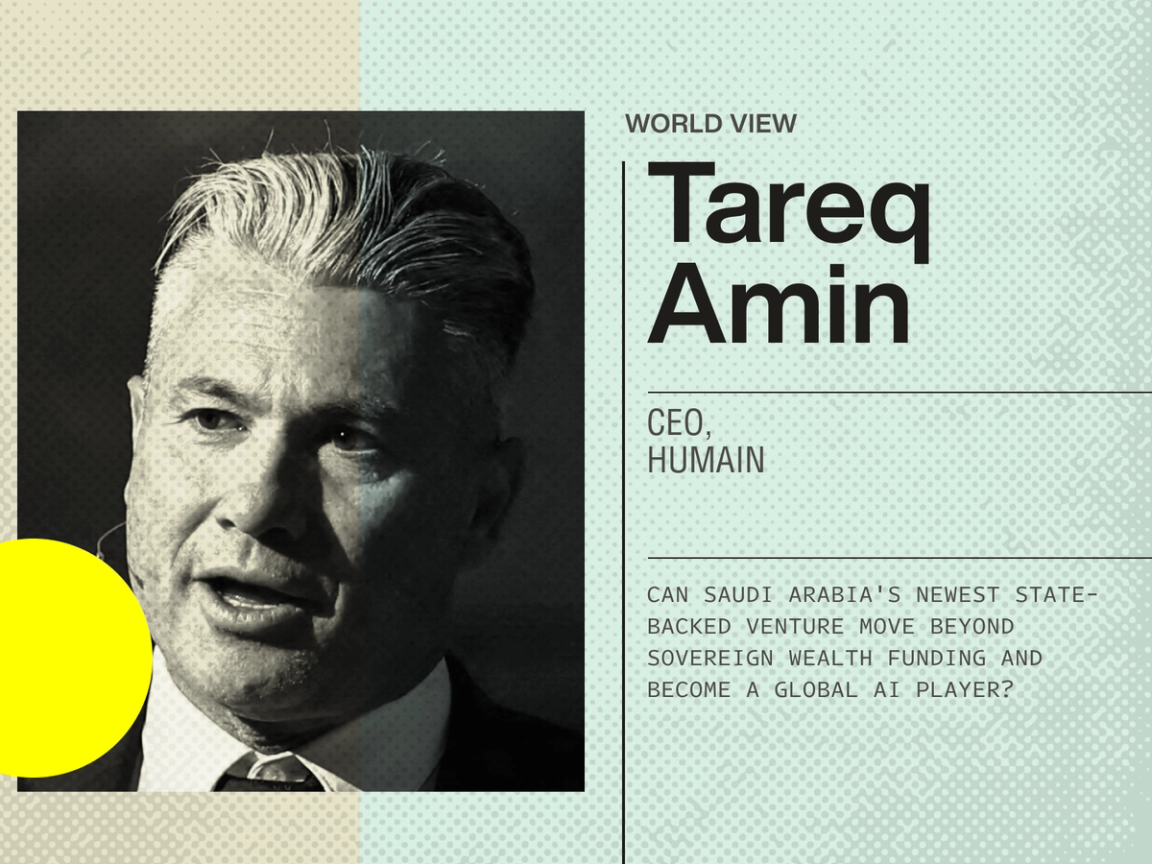 HUMAIN CEO Tareq Amin recognizes Saudi Arabia’s latest effort to transform its economy for what it is: an audacious bet that it can join the US and China as a global AI superpower. Ahead of US President Donald Trump’s visit to the kingdom last year, the Jordanian-American tech executive helped launch the state-backed AI company under Saudi’s Public Investment Fund. The plan was to use the kingdom’s cheap energy, vast land, and sovereign billions to become one of the world’s largest compute hubs. Amin, who previously led Saudi Aramco’s tech arm, clocked an early win with a well-timed $3 billion investment into Elon Musk’s xAI before it was folded into SpaceX and became part of a historic IPO. Now, HUMAIN has plans to launch a large venture capital fund and expand significantly with offices in the US, France, and the UK, in order to “accelerate the pace of investment,” Amin recently told Semafor in an interview. It also wants to reduce its reliance on the kingdom’s sovereign wealth fund, open up to more global investors, and position itself as a sort of “Switzerland” for open models that sidesteps the dueling ambitions of the US and China. |
|
Logitech’s ‘China for China’ approach |
 Denis Balibouse/Reuters Denis Balibouse/ReutersA Western company trying to sell basic consumer electronics to Chinese consumers is a bit like trying to sell brie to the French. “There’s 500 manufacturers of mice and keyboards in China,” Logitech CEO Hanneke Faber told Semafor’s Andrew Edgecliffe-Johnson, each of them competing for domestic customers and manufacturing capacity. Logitech was losing money in China “hand over fist” when Faber took over in 2023. She adopted a “China for China” team of designers, engineers, marketers, and salespeople, with a single-minded focus on the country. Logitech now releases eight to 10 products a year designed only for China, which has the largest gaming market in the world. She also overhauled marketing, using AI agents to assess which of its thousands of ads work best on fast-moving social commerce platforms like Douyin and PDD and shifting budgets accordingly. “In China, you can move and learn very quickly,” Faber said. “If you’re winning there, then you can win anywhere.” The country is now Logitech’s fastest-growing market. See also: The CEO of Reckitt, speaking with Andrew this spring, called the rise of social commerce in China “the most profound channel shift I have seen in my career, in any market” and said it’s changing how the company sells its Lysol cleaners and Durex condoms. |
|
Beijing’s $45B bank boost |
 Tingshu Wang/File Photo/Reuters Tingshu Wang/File Photo/ReutersChina will inject $45 billion into its largest banks and insurers, its biggest recapitalization push in decades as Beijing looks to boost the country’s faltering economy. China’s growth target is already its lowest since 1991, and the economic picture is darkened further by a real estate downturn that is straining local government finances and undercutting spending capacity, Goldman Sachs said in a note to clients. A raft of property-sector measures unveiled last week, however, largely “rehash policies Beijing has already been rolling out piecemeal,” Trivium analysts said. Domestic consumption has also flatlined. Chinese leader Xi Jinping’s “insistence on preserving stability instead of addressing China’s serious structural problems threatens [China’s] ascent,” an Atlantic columnist argued. |
|
AI frenzy comes for Big Law |
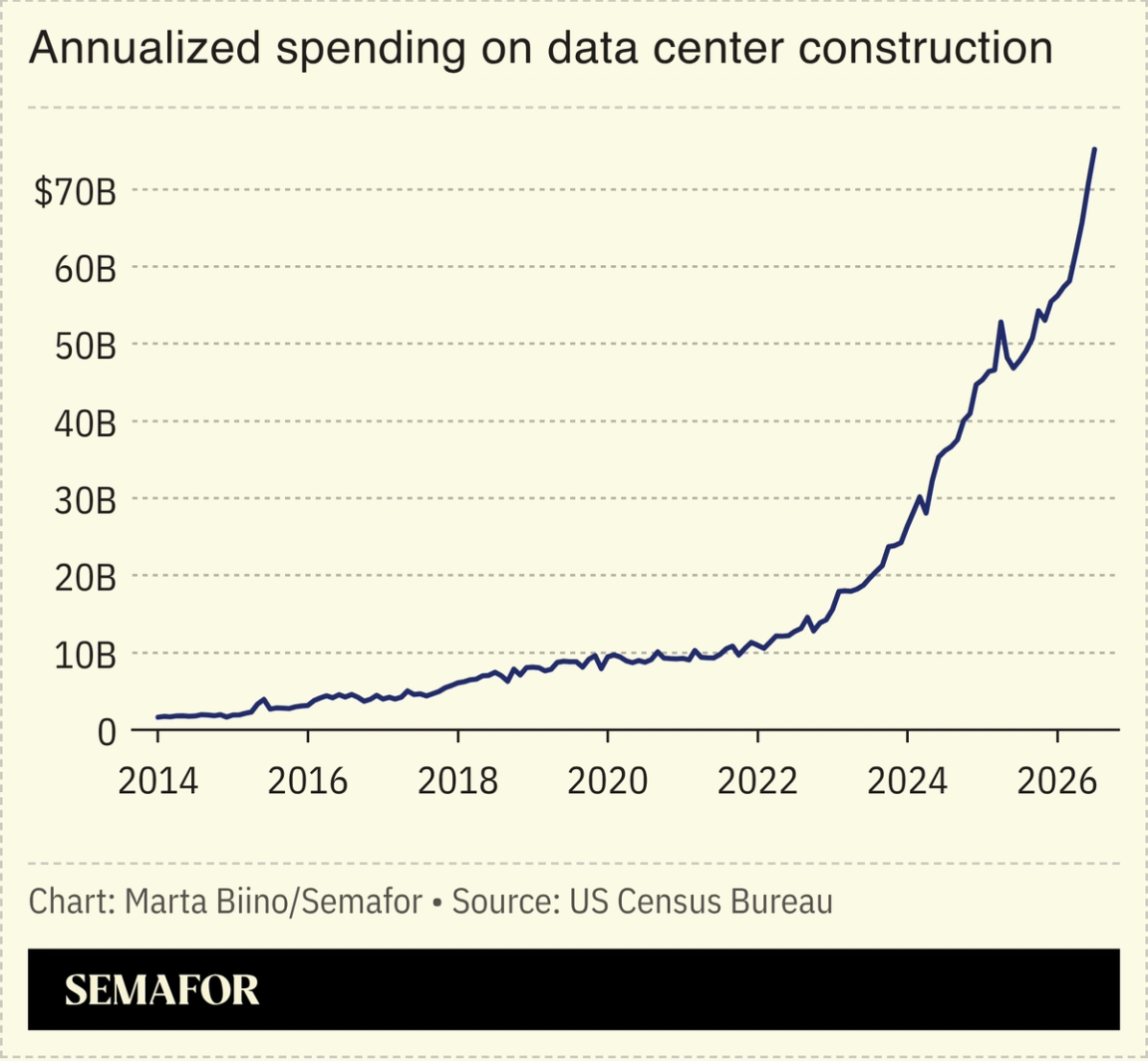 The AI frenzy has set off a talent rush in one of the sleepiest corners of industry: the infrastructure departments at big law firms. A few years ago, electricity-related dealmaking was a Big Law backwater, mired in staid regulation and involving small deals and smaller fights with local regulators. The data-center buildout has changed that, setting off a race to design wraparound practices that combine power, real estate, insurance, finance — and, inevitably, litigators, Semafor’s Tim McDonnell reports. Law firms are, to some degree, always downstream of industry. Firms have spun up specialized practices around crypto, sports, the metaverse, and other business trends. (Just this week, Gibson Dunn spun up a robotics group.) Competition for data-center lawyers carries big paydays for stars, and there’s no end to the hiring in sight: “It’s about self-preservation, and whether you want to sleep,” Latham & Watkins’ Chirag Dedania said. |
|
 Sept. 9: Another 319 million SpaceX shares will be released from the IPO lockup. The market absorbed two previous chunks with little trouble, and shares are now back above the IPO price. Sept. 10: Oracle’s quarterly earnings will be another test of investors’ patience for the AI buildout. The number to watch: Oracle’s data-center lease commitments, which rose from $48 billion at the end of 2025 to $260 billion by May of this year. They aren’t counted as traditional debt but are a huge future bill. Sept. 11: The last major US inflation data before the Fed’s rate meeting next week and, given the oil price spike from the Iran war, the one most likely to complicate policymakers’ move. August’s healthy jobs report gave no good reason to cut rates; a hot inflation number could push a hike over the line. |
|
 Courtesy of Colossal Biosciences Courtesy of Colossal BiosciencesBringing back the long-extinct woolly mammoth is taking longer than expected. Colossal Biosciences, the science startup working to turn extinct DNA into a live birth via elephant surrogate, has pushed back its target date from 2028 to the mid-2030s. There’s big money in “de-extinction,” Colossal’s CEO told Semafor’s Compound Interest show this spring. He pegged the market at $1.7 trillion, though it will come less from Jurassic Park-style exhibitions than from selling conservation and biodiversity services to big companies and governments. As is usually the case, B2B beats B2C. |
|
|


