Plus, oil prices top $100 a barrel.

Go beyond the headlines with Reuters on the stories shaping the day. Subscribe for $1/week.


Daily Briefing

Daily Briefing

By Yasmeen Serhan

Hello. Iran and the US trade attacks on ships and military bases, oil prices rise above $100 a barrel for the first time since July, and Israel orders the UK to close its East Jerusalem consulate following British sanctions on Israeli settlement products.

Plus, a US Open upset boosts hopes of having a first American men's Grand Slam champion in decades.

Today's Top News


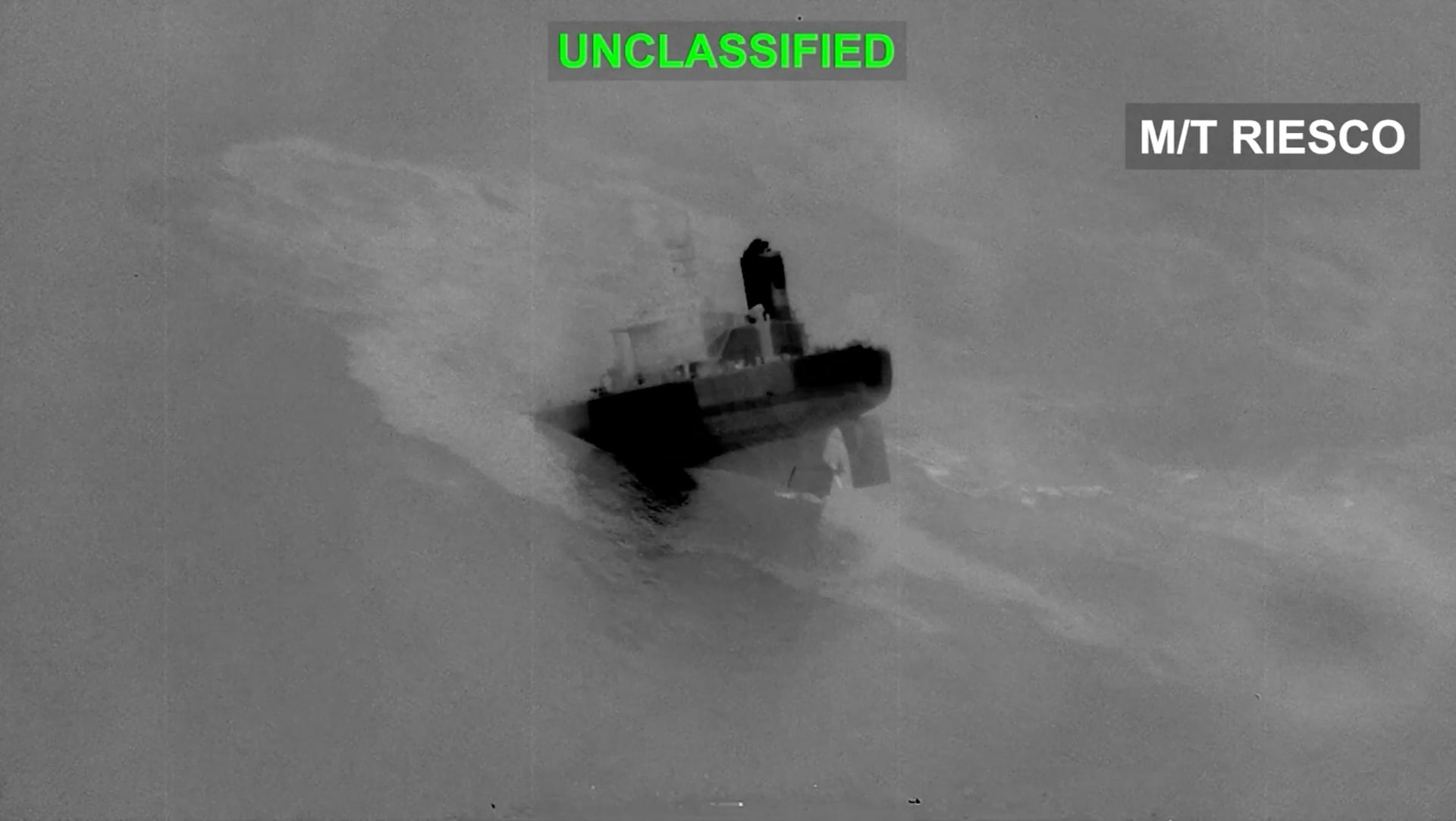
An Iranian crude oil carrier sinks after being struck in the Gulf of Oman, which U.S. Central Command says it targeted after attempted Iranian missile attacks on a U.S. Navy warship. 

Central Command/REUTERS


War in Iran

  • Iran's Revolutionary Guard said it fired ballistic missiles at a US base in Jordan and attacked 10 ships after the US said it destroyed five Iranian oil tankers, shattering a month of relative calm as the war in the Middle East moves into its seventh month.
  • A day earlier, Iran's Revolutionary Guard said it had captured a US uncrewed submarine at the entrance of the Strait of Hormuz, offering a rare glimpse into how underwater drones are being used in military operations.
  • Back in Washington, the US Treasury Department issued 36 sanctions targeting Iran's aviation sector and other companies as part of a broad push to escalate economic pressure on Tehran. 

In other news

  • Israel has told Britain to close its consulate in East Jerusalem within 30 days, according to Israeli officials and sources, following the British, French and Canadian governments' decision to block imports from Israeli settlements in the West Bank.
  • Flights from British airports resumed early on Wednesday after a major air traffic control failure resulted in the cancellation of more more than 1,000 flights, though hubs warned it would take time for operations to return to normal. 
  • German Chancellor Friedrich Merz accused his rivals in the far-right Alternative for Germany of advocating anti-migration policies that were tantamount to "ethnic cleansing." His remarks followed the AfD's historic victory in the eastern state of Saxony-Anhalt over the weekend, which has left one Holocaust survivor feeling "appalled."
  • The Trump administration is eyeing Venezuela's vast mineral wealth, from gold to critical minerals, as part of a broader push to counter China's influence in Latin America. Ernest Scheyder breaks down what's actually in the ground and why the deal is raising fears of a modern-day colonial relationship.
  • President Donald Trump and his Republican Party are taking the unusual step of staging a national Republican convention ahead of November's midterm elections. Here's everything you need to know about the Dallas gathering. 
 

Business & Markets


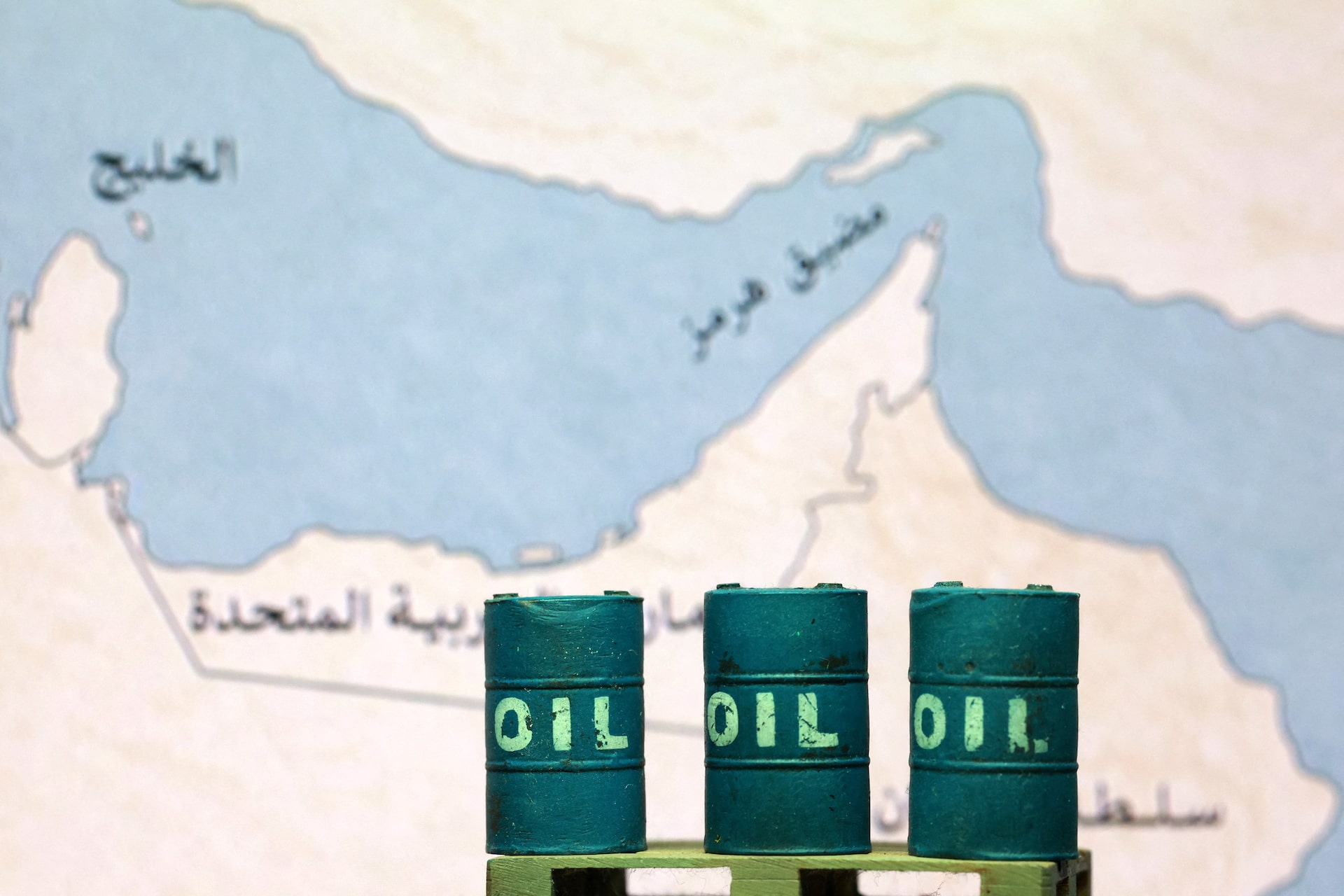
A map showing the Strait of Hormuz. REUTERS/Dado Ruvic/Illustration 

  • Global oil benchmark Brent crude rose past $100 a barrel, hitting a more than six-week high and breaching the symbolic threshold for the first time since July 24, as intensifying conflict in the Middle East heightened concerns about oil flows from the region.
  • The Japanese yen pushed to seven-month highs, keeping the dollar on the defensive as traders grappled with rising oil prices. The surge has left investors wondering if this is the beginning of the end of the yen carry trade that has been a pillar of global markets. Read our explainer.
  • The US banned a broad swath of Canadian alcoholic beverages, motorcycles and dairy products in a sharp escalation of the two countries' acrimonious trade spat. The bans, which go into effect at the end of the month, follow Canada's own retaliatory tariffs on American goods. 
  • Alphabet's Google rolled out changes to its online search results in Europe to satisfy EU antitrust regulators, in what the US tech giant warns will degrade users' experience and ratchet up costs for European businesses.
  • Google also announced its plans to invest at least $15.1 billion in AI infrastructure in Finland over the next two years as part of its first nuclear power contract outside the US.
  • Chinese artificial intelligence startup DeepSeek has tapped CITIC Securities to prepare for an initial public offering on Shanghai's tech-focused STAR Market, two people with knowledge of the matter said.
 

25 years after 9/11, Americans fear domestic extremists more than foreign attacks, Reuters/Ipsos poll finds


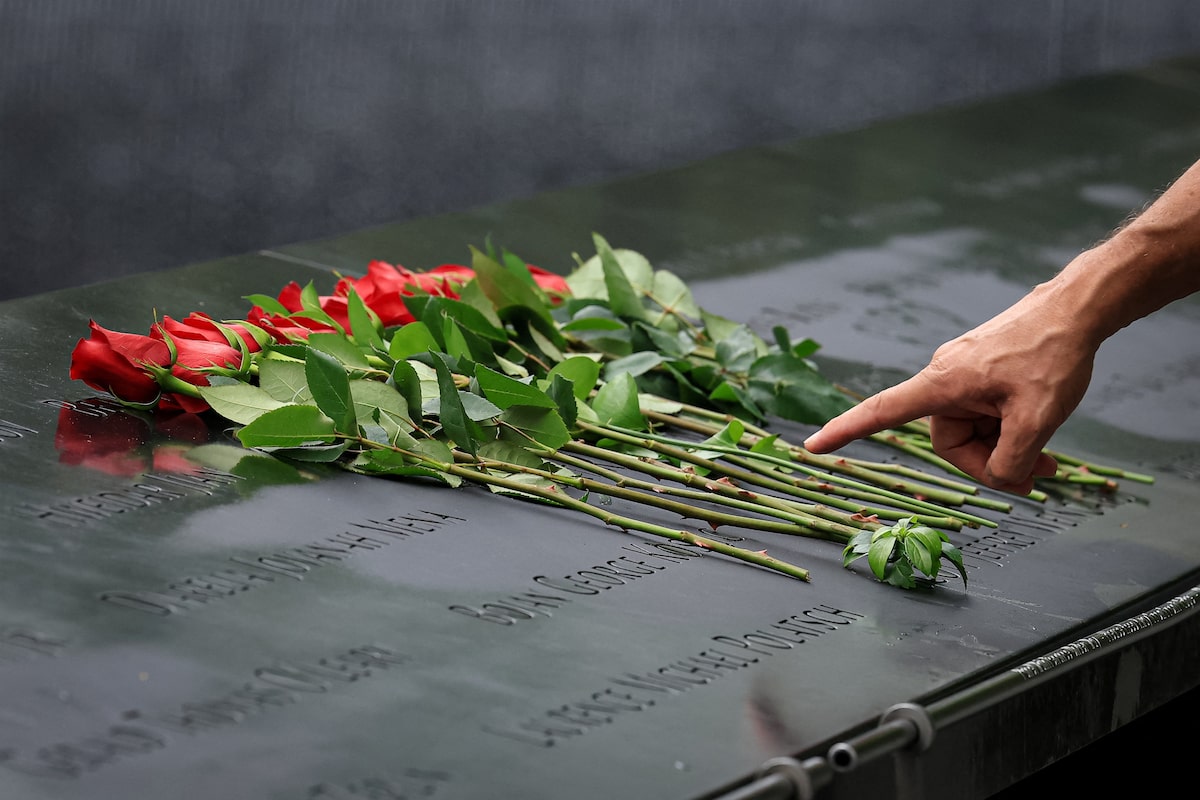
Flowers amongst the names on the North Pool at the 9/11 Memorial & Museum in New York. REUTERS/Brendan McDermid

Twenty-five years after the September 11 attacks focused U.S. fears on threats from abroad, Americans are now considerably more worried about attacks by domestic extremists than by foreign groups, a Reuters/Ipsos poll found.

When asked to ‌name the biggest threat to the safety of average Americans, 33% of respondents picked "domestic terrorism," while 20% picked foreign terror and 42% pointed to random acts of violence such as mass shootings, the August 28-31 poll found.

The picture was much different a decade ago. Reuters/Ipsos polling from mid-2013 showed 21% of Americans viewed domestic terror as the top threat, less than the 28% who pointed to foreign terror and 51% who picked random acts of violence.

Read our poll