Nothing takes me back to the Midwestern pastoral of my youth quite like the smells of springtime: freshly cut grass with an edge of lawnmower fuel, the sweet ozone of an imminent thunderstorm. Most of all, it’s lilac bushes, which grow stately and ragged in the hard soil of Chicago’s front yards, or peek over back fences to wave down the alleyways. In May, the tiny purple flowers would open; by June, their thick perfume hung in a haze around each bush, the barest breeze sending out intoxicating eddies of rich scent. When I left home and moved to the East Coast, I sometimes bought cheap lilac colognes—there are plenty of lilacs out here, too, but sometimes a person is a little homesick and needs a whiff on demand. Scent, so neurologically intertwined with memory, is an emotional catapult, and I found that even the clumsiest molecular facsimile of lilac would get the job done.
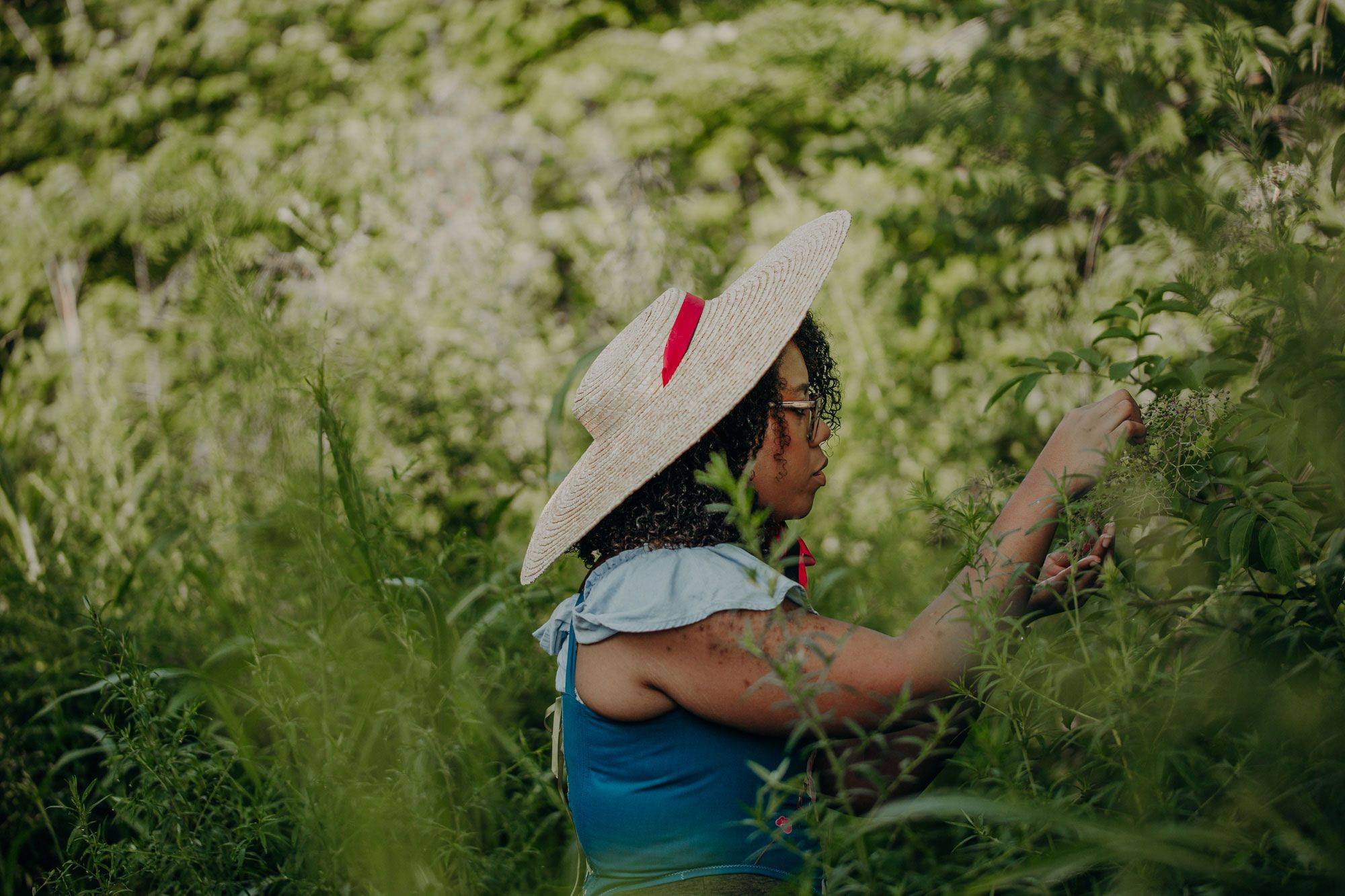
Until a few weeks ago, the idea of eating lilacs had never occurred to me. If you’d asked, I’m sure I would have stated, with unfounded authority, that the blossoms were inedible. Then, in late May, I saw a friend post a picture of her in-progress lilac infusion on Instagram. Another friend chronicled her theft of a lilac branch from a neighbor’s yard, for use in lilac sugar cookies. The novelist Amal El-Mohtar tweeted her preparation of a batch of lilac syrup: a bundle of just-picked blossoms, washed, then measured, and finally set in a bath of hot sugar water to infuse. Something was in the air, besides all the pollen and perfume. “Why did every person I know decide to do homemade lilac syrup this spring?” I asked on Twitter. The answer turned out to be Alexis Nikole Nelson, an Instagram and TikTok phenomenon better known as BlackForager. | 






.jpg)