The yield on 10-year US Treasuries rose above 5% for the first time since 2023 on Monday, before fading below its daily high-water mark.
The rise in the benchmark rate – to which trillions of dollars in assets are linked – comes after Friday’s Consumer Price Index release showed inflation data for August was above the Fed’s 2% target. That reading makes a rate hike all-but certain when the Fed rate-setting body meets this week.
As we’ve written about, the Treasury Department has tried to pull rates down by buying back government bonds – in the debt market, yields fall as prices rise and vice versa, so a large buyback program should in theory push prices up and bring rates down – but it hasn’t exactly worked. Indeed, bond traders were so underwhelmed by the scope and details of the $6 billion Treasury plan that yields rose after it was released.
Part of the problem facing the Treasury is that it’s not just trying to swim against the tide of the massive market for US government debt, but sovereign debt across the developed world. As George Pearkes, a macro strategist at Bespoke Investment Group, noted, 10-year bonds issued by Japan, Germany and the UK have all been rising too.
Indeed, looking at short-term rates before and after the US war with Iran sent oil prices surging, shows a clear divergence. Something very clearly started driving rates up, and effectively cutting off something like a fifth of global oil flows appears to have a lot to do with it.
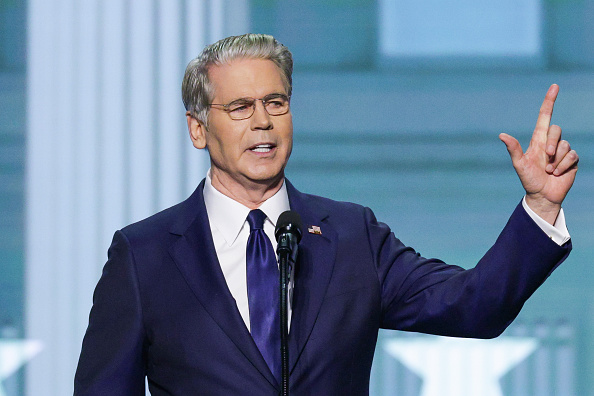
All of that leaves Fed Chair Kevin Warsh in a tight spot. The case for a rate hike is clear to economists – and, it would appear, to the members of the Fed’s Open Markets Committee – but Warsh also has to deal with an audience in the White House that’s been consistently jawboning for lower rates.