GM’s CarPlay backtrack, crypto framework fails, AI’s four-day workweek, Fortune AIQ Summit speakers
 ͏  ͏  ͏  ͏  ͏  ͏  ͏  ͏  ͏  ͏  ͏  ͏  ͏  ͏  ͏  ͏  ͏  ͏  ͏  ͏  ͏  ͏  ͏  ͏  ͏  ͏  ͏  ͏  ͏  ͏  ͏  ͏  ͏  ͏  ͏  ͏  ͏  ͏  ͏  ͏  ͏  ͏  ͏  ͏  ͏  ͏  ͏  ͏  ͏  ͏  ͏  ͏  ͏  ͏  ͏  ͏  ͏  ͏  ͏  ͏  ͏  ͏  ͏  ͏  ͏  ͏  ͏  ͏  ͏  ͏  ͏  ͏  ͏  ͏  ͏  ͏  ͏  ͏  ͏  ͏  ͏  ͏  ͏  ͏  ͏  ͏  ͏  ͏  ͏  ͏  ͏  ͏  ͏  ͏  ͏  ͏  ͏  ͏  ͏  ͏  ͏  ͏  ͏  ͏  ͏  ͏  ͏  ͏  ͏  ͏  ͏  ͏  ͏  ͏  ͏  ͏  ͏  ͏  ͏  ͏  ͏  ͏  ͏  ͏  ͏  ͏  ͏  ͏  ͏  ͏  ͏  ͏  ͏  ͏  ͏  ͏  ͏  ͏ ­ ­ ­ ­ ­ ­ ­ ­ ­ ­ ­ ­ ­ ­ ­ ­ ­ ­ ­ ­ ­ ­ ­ ­ ­ ­ ­ ­ ­ ­ ­ ­ ­ ­ ­ ­ ­ ­ ­ ­ ­ ­ ­ ­ ­ ­ ­ ­ ­ ­ ­ ­ ­ ­ ­ ­ ­ ­ ­ ­ ­ ­ ­ ­ ­ ­ ­ ­ ­ ­ ­ ­ ­ ­ ­ ­ ­ ­ ­ ­ ­ ­ ­ ­ ­ ­ ­ ­ ­ ­ ­ ­ ­ ­ ­ ­ ­ ­ ­ ­ ­ ­ ­ ­ ­ ­ ­ ­ ­ ­ ­ ­ ­ ­ ­ ­ ­ ­ ­ ­ ­ ­ ­ ­ ­ ­ ­ ­ ­ ­ ­ ­ ­ ­ ­ ­ ­ ­  
Wednesday, September 16, 2026
GM plans to integrate Apple CarPlay and Android Auto after all

Good morning. I can’t wait to return to New York City on Oct. 1 for our inaugural Fortune AIQ Summit.

Yes, we’ve got the sixth annual Fortune Brainstorm AI coming up in December, and you should fully expect the great diversity of participants and world-changing ideas that makes a Brainstorm what it so awesomely is.

But this new AIQ shindig is a little different. It’s laser-focused on the practical need to put AI to work in large enterprises. So we dialed up a few big-company leaders to join us and talk about it in a half-day program at the New York Stock Exchange.

Who’s coming? An array of thinkers and doers, including Elevance Health CDO Ashok Chennuru, HPE CPO Stacy Dillow, Bank of America CIO Hari Gopalkrishnan, S&P Global CCO Sally Moore, Citi COO Anand Selvakesari, Booking CFO Ewout Steenbergen, UnitedHealth Group CTO Paul Veymouth, Ecolab CAIO AJ Wijesinghe, and the all-seeing futurist Amy Webb. Right on.

We’ll tackle AI questions of application, change, governance, scale, structure, and that ever elusive return on investment. Wanna join? You know what to do.

Today’s tech news follows. —Andrew Nusca

P.S. On the list front, our fourth-ever Fortune 500 Europe is out. Which automaker posted the biggest loss of any company on the list? Which country counts for the biggest share of corporations listed? Finish your Franzbrötchen and read on to find out.

Want to send thoughts or suggestions to Fortune Tech? Drop a line here.
GM plans to integrate Apple CarPlay and Android Auto after all
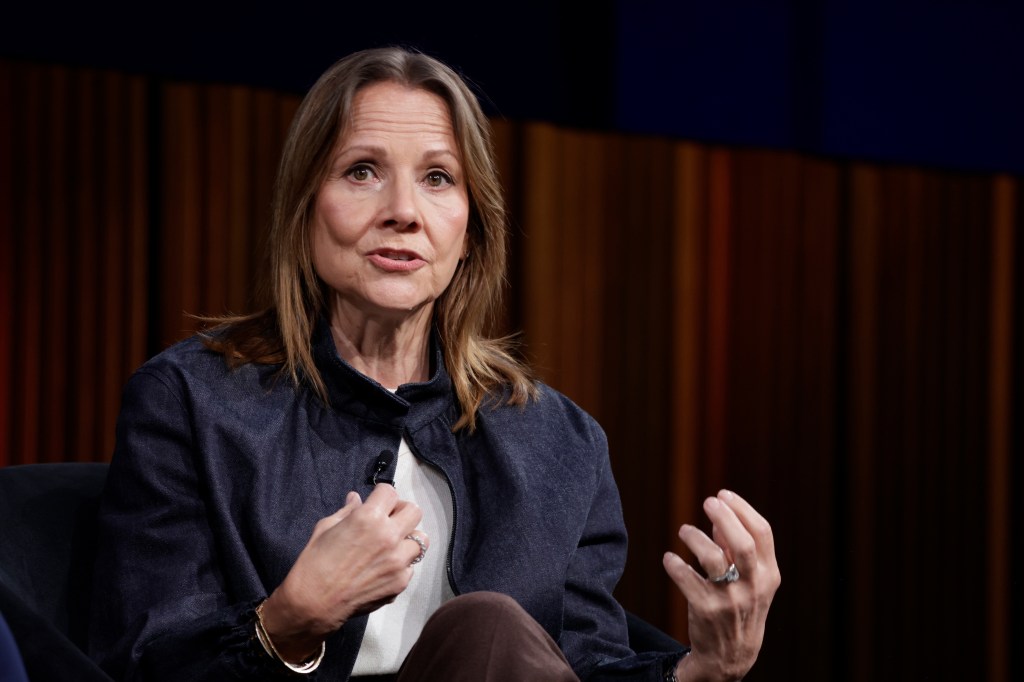
General Motors CEO Mary Barra in Detroit, Michigan, on Jan. 12, 2026. (Photo: Jeff Kowalsky/Bloomberg/Getty Images)
General Motors CEO Mary Barra in Detroit, Michigan, on Jan. 12, 2026. Jeff Kowalsky/Bloomberg/Getty Images


Three years after drawing a line in the sand—read our lips, no new vehicles with Android Auto or CarPlay—General Motors says it will integrate Google’s and Apple’s in-car infotainment software after all.

The Detroit automaker on Tuesday introduced a new user interface for its vehicles, initially for its popular light-duty Chevrolet and GMC pickup trucks, that’s meant to unify the experience across its entire model portfolio—electric, gas, and even diesel.

Expect big screens, reorganized information, and more one-tap options in GM’s new native infotainment system. (That is to say: fewer areas where important information is found deep within menus, a common complaint across all automotive marques.) 

“A major objective is making things simpler to eliminate confusion,” said Michael Wahlstrom, GM’s executive director of software product management, in a Q&A published by the automaker.

“People were hunting for controls, navigating through too many steps, and encountering interaction models that felt inconsistent,” added Sebastian Bauer, GM’s executive director of human interface design.

And what of Apple and Google? Their smartphone projections, as they’re sometimes called, can either replace or augment GM’s own—notably through a split-screen setup that allows the display of trailering and other vehicle-specific features you won’t find on your mobile device. (Strategy by bumper sticker: Coexist!)

General Motors of course didn’t say whether it lost customers to rivals after it opted to phase out Silicon Valley from its vehicle cabins. What is clear: Drivers, dealers, and everyone in between howled when the decision was made, and the company has now corrected its course. Onward. —AN
Senate deals a blow to the push for a crypto framework
The U.S. Senate on Tuesday voted to block a major cryptocurrency bill from advancing despite months of negotiations.

By voting against the Clarity Act, the upper house of Congress dealt quite the blow to the crypto industry’s ongoing effort to manifest a comprehensive market framework.

It’s an atypical and surprising setback for an industry that has lately—given the priorities of the second Trump administration—felt the wind in its sails.

The sticking issue was ethics. Democrats were concerned about public officials, most notably a certain sitting President of the United States, profiting from crypto ventures. 

Though Republican leaders revised the bill over the weekend with new ethics restrictions, they didn’t go far enough to win over the bill’s opponents. 

It failed by 10 votes, a substantial gap.

The bill sought to divide crypto oversight between the SEC (which regulates stocks and bonds) and the CFTC (which regulates futures, options, swaps, and lately, prediction markets). It would have also established registration requirements and added protection against money laundering.

No matter. With that large of an impasse, plus U.S. midterm elections in November, the crypto industry is facing another year without clarity—as it has for the last, oh, seventeen. —AN
If AI is coming for workers, it should bring a four-day workweek with it
If AI is coming for workers anyway, Sen. Bernie Sanders says, it should help them spend less of their lives at work, not just make billionaires richer.

Last week, Sanders and California Rep. Mark Takano reintroduced the Thirty-Two Hour Workweek Act, which would lower the standard workweek for nonexempt employees from 40 to 32 hours, thereby pushing employers to shorten schedules or pay overtime for the difference.

Sanders, who has advocated for responsible AI use and, more recently, pushed for a pause on AI development, has pointed to the positive benefits he sees stemming from the technology: relief for American labor.

The bill, initially introduced by Takano in 2021, still won’t guarantee every American a three-day weekend. Instead, starting at least six months after enactment, it would gradually lower the overtime threshold for covered workers until it reaches 32 hours following four years of becoming law. 

Employers could still schedule longer weeks, but would owe overtime—and they can’t cut affected workers’ weekly compensation or benefits because of the change. 

The bill would also establish overtime after eight hours in one day and double pay after 12. Under current federal law, covered nonexempt employees generally receive time-and-a-half only after working more than 40 hours in a week, with no federal requirement for daily overtime.

The proposal arrives amid a corporate race to use generative AI to produce more work with fewer people. A 2026 analysis by Boston College sociologist Juliet Schor for the University of Massachusetts Amherst estimated that AI-led productivity gains could allow 35 million U.S. workers—28% of the workforce—to move to a 32-hour week within a decade. —Tatiana Sataua
More tech
Trump calls Nvidia’s CEO during a speaking engagement to criticize talk of an AI slowdown. (Unplanned? You be the judge.)

What IPO? OpenAI is reportedly in talks about fundraising at a $1.2 trillion valuation.

Google launches Gemini 3.8 Live, promising more fluid conversations with voice AI agents.