Warren Buffett’s last lesson as chair: Culture and capital require different guardians
Buffett handed Greg Abel the business and his son Howard its culture.
 ͏  ͏  ͏  ͏  ͏  ͏  ͏  ͏  ͏  ͏  ͏  ͏  ͏  ͏  ͏  ͏  ͏  ͏  ͏  ͏  ͏  ͏  ͏  ͏  ͏  ͏  ͏  ͏  ͏  ͏  ͏  ͏  ͏  ͏  ͏  ͏  ͏  ͏  ͏  ͏  ͏  ͏  ͏  ͏  ͏  ͏  ͏  ͏  ͏  ͏  ͏  ͏  ͏  ͏  ͏  ͏  ͏  ͏  ͏  ͏  ͏  ͏  ͏  ͏  ͏  ͏  ͏  ͏  ͏  ͏  ͏  ͏  ͏  ͏  ͏  ͏  ͏  ͏  ͏  ͏  ͏  ͏  ͏  ͏  ͏  ͏  ͏  ͏  ͏  ͏  ͏  ͏  ͏  ͏  ͏  ͏  ͏  ͏  ͏  ͏  ͏  ͏  ͏  ͏  ͏  ͏  ͏  ͏  ͏  ͏  ͏  ͏  ͏  ͏  ͏  ͏  ͏  ͏  ͏  ͏  ͏  ͏  ͏  ͏  ͏  ͏  ͏  ͏  ͏  ͏  ͏  ͏  ͏  ͏  ͏  ͏  ͏  ͏ ­ ­ ­ ­ ­ ­ ­ ­ ­ ­ ­ ­ ­ ­ ­ ­ ­ ­ ­ ­ ­ ­ ­ ­ ­ ­ ­ ­ ­ ­ ­ ­ ­ ­ ­ ­ ­ ­ ­ ­ ­ ­ ­ ­ ­ ­ ­ ­ ­ ­ ­ ­ ­ ­ ­ ­ ­ ­ ­ ­ ­ ­ ­ ­ ­ ­ ­ ­ ­ ­ ­ ­ ­ ­ ­ ­ ­ ­ ­ ­ ­ ­ ­ ­ ­ ­ ­ ­ ­ ­ ­ ­ ­ ­ ­ ­ ­ ­ ­ ­ ­ ­ ­ ­ ­ ­ ­ ­ ­ ­ ­ ­ ­ ­ ­ ­ ­ ­ ­ ­ ­ ­ ­ ­ ­ ­ ­ ­ ­ ­ ­ ­ ­ ­ ­ ­ ­ ­  

Monday, September 21, 2026
Warren Buffett’s last lesson as chair: Culture and capital require different guardians
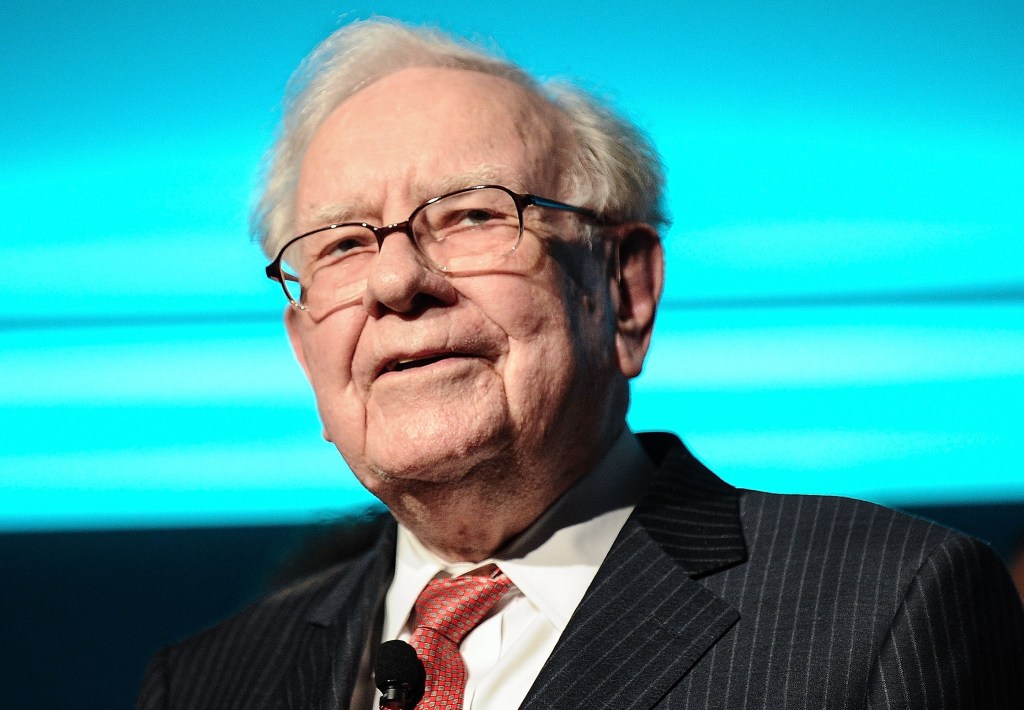
Warren Buffett
Getty Images
Good morning. At age 96, Warren Buffett has officially closed the book on his more than six-decade tenure as chairman of Berkshire Hathaway.

Buffett stepped down as chairman on Sept. 18, effective immediately, and was succeeded by his son, Howard G. Buffett, a Berkshire director for 33 years. The move caps a leadership transition that began when Greg Abel took over as CEO on Jan. 1. While the CEO succession unfolded over a longer timeline, Buffett’s decision to relinquish the chairmanship came as a surprise to some investors, even though Berkshire described it as part of a “long-standing succession plan.” Buffett will remain on Berkshire’s board as chairman emeritus.

In his shareholder letter, Buffett wrote that the timing was right to complete the transition, in part because Abel had exceeded his expectations, which were “sky-high from the start.”

Buffett drew a sharp distinction between operating authority and cultural stewardship: “Greg runs the company; Howard will guard its culture and values,” he wrote, adding that both are “worth more than anything on our balance sheet.” It’s a governance model that separates the CEO’s operating mandate from the chairman’s role as culture custodian.

Abel called Buffett’s impact on Berkshire “without parallel in the history of American business,” adding that the culture Buffett built “will remain at the heart of Berkshire, and Howard will be their guardian.” Susan Decker will remain continue as lead independent director.

Abel’s imprint is already visible in Berkshire’s capital allocation. The company spent $39.4 billion on equity purchases in the first half of 2026, more than five times the $7.1 billion deployed in the same period a year earlier.

Alphabet is now Berkshire’s third-biggest holding, worth $37.8 billion at midyear, after Abel added 48.1 million shares, part of a $10 billion commitment to support Alphabet’s AI investments, a new area for the conglomerate. That sits alongside Abel’s $6.8 billion purchase of homebuilder Taylor Morrison, a typical value bet in the Buffett mold, and $4.5 billion in share buybacks that resumed after more than a year of inactivity.

The real test of Berkshire’s succession will not be whether Abel can imitate Buffett. It will be whether he can preserve Berkshire’s discipline while making capital-allocation decisions that Buffett himself might not have made.

Sheryl Estrada
Sheryl.Estrada@fortune.com
Were you forwarded CFO Daily? Sign up here.

Leaderboard
Todd Garner was appointed EVP and CFO of Avantor (NYSE: AVTR), effective Sept. 21, succeeding Steve Eck, who had served as interim CFO since June 24 and will continue as SVP and chief accounting officer. Garner joins Avantor from CONMED Corporation, where he served as EVP and CFO. Earlier in his career, he held leadership roles at C. R. Bard, including VP of investor relations and division CFO.

James Sullivan was appointed SVP of finance and CFO of QuickLogic Corporation (Nasdaq: QUIK), semiconductor company, effective Oct. 5, succeeding Elias Nader, who resigned effective Sept. 18 to pursue other opportunities. Sullivan most recently served as CFO of Peraso Inc. He previously spent 14 years as CFO of MoSys, Inc., and held earlier CFO roles at Apptera, Inc. and 8x8, Inc. Sullivan began his career at PricewaterhouseCoopers. 

Big Deal
Capital One’s 2026 U.S. Middle Market Mid-Year Snapshot finds that many mid-sized U.S. companies are shifting from years of cost-cutting toward a greater focus on revenue growth, despite continued challenges from inflation, economic uncertainty, and cybersecurity risks.

Based on a survey of 1,001 financial decision-makers at companies with $20 million to $2 billion in annual revenue, the report says growth-oriented businesses tend to invest more in talent, innovation, customer relationships, technology, and strategic planning. Meanwhile companies that remain focused on cost discipline are pulling back from these areas.

The report also highlights the growing role of AI and automation, emphasizing that technology investments need to be paired with employee training and skills development. In addition, businesses increasingly view banks as strategic partners for areas such as financing, working capital, growth planning, and risk management. Overall, the report finds that middle-market companies as cautiously optimistic, with many responding to uncertainty not by slowing down but by adapting their strategies and investing in future growth.