OpenAI fights Muse with Dots
Trump's Super Intelligence rebrand, Apple CEO's overhaul, Anthropic's IPO prospectus, and Oura's IPO delay
 ͏  ͏  ͏  ͏  ͏  ͏  ͏  ͏  ͏  ͏  ͏  ͏  ͏  ͏  ͏  ͏  ͏  ͏  ͏  ͏  ͏  ͏  ͏  ͏  ͏  ͏  ͏  ͏  ͏  ͏  ͏  ͏  ͏  ͏  ͏  ͏  ͏  ͏  ͏  ͏  ͏  ͏  ͏  ͏  ͏  ͏  ͏  ͏  ͏  ͏  ͏  ͏  ͏  ͏  ͏  ͏  ͏  ͏  ͏  ͏  ͏  ͏  ͏  ͏  ͏  ͏  ͏  ͏  ͏  ͏  ͏  ͏  ͏  ͏  ͏  ͏  ͏  ͏  ͏  ͏  ͏  ͏  ͏  ͏  ͏  ͏  ͏  ͏  ͏  ͏  ͏  ͏  ͏  ͏  ͏  ͏  ͏  ͏  ͏  ͏  ͏  ͏  ͏  ͏  ͏  ͏  ͏  ͏  ͏  ͏  ͏  ͏  ͏  ͏  ͏  ͏  ͏  ͏  ͏  ͏  ͏  ͏  ͏  ͏  ͏  ͏  ͏  ͏  ͏  ͏  ͏  ͏  ͏  ͏  ͏  ͏  ͏  ͏ ­ ­ ­ ­ ­ ­ ­ ­ ­ ­ ­ ­ ­ ­ ­ ­ ­ ­ ­ ­ ­ ­ ­ ­ ­ ­ ­ ­ ­ ­ ­ ­ ­ ­ ­ ­ ­ ­ ­ ­ ­ ­ ­ ­ ­ ­ ­ ­ ­ ­ ­ ­ ­ ­ ­ ­ ­ ­ ­ ­ ­ ­ ­ ­ ­ ­ ­ ­ ­ ­ ­ ­ ­ ­ ­ ­ ­ ­ ­ ­ ­ ­ ­ ­ ­ ­ ­ ­ ­ ­ ­ ­ ­ ­ ­ ­ ­ ­ ­ ­ ­ ­ ­ ­ ­ ­ ­ ­ ­ ­ ­ ­ ­ ­ ­ ­ ­ ­ ­ ­ ­ ­ ­ ­ ­ ­ ­ ­ ­ ­ ­ ­ ­ ­ ­ ­ ­ ­  

Wednesday, September 30, 2026
Good morning. Well, it’s official. As of Tuesday, the technology powering ChatGPT, Google Gemini, and Grok will henceforth be referred to as “super intelligence,” and not “artificial intelligence.”

That’s by order of the President, who summoned the captains of the AI industry to the nation’s capital Tuesday to discuss AI safety and AI regulation…or, self-regulation. In addition to signing what President Trump called a “morally binding” framework for AI companies to police themselves, the executives signed a decree making super intelligence, or SI, the official name of the technology that their companies build.

Trump even gave a lesson on how to pronounce SI: Sigh.

Sigh?

More tech news below.—Alexei Oreskovic

Thoughts? Suggestions? Hot tip? Drop me a line.
Were you forwarded Fortune Tech? Sign up here.

THE BIG STORY
Meta's got Muse, OpenAI's got Dots
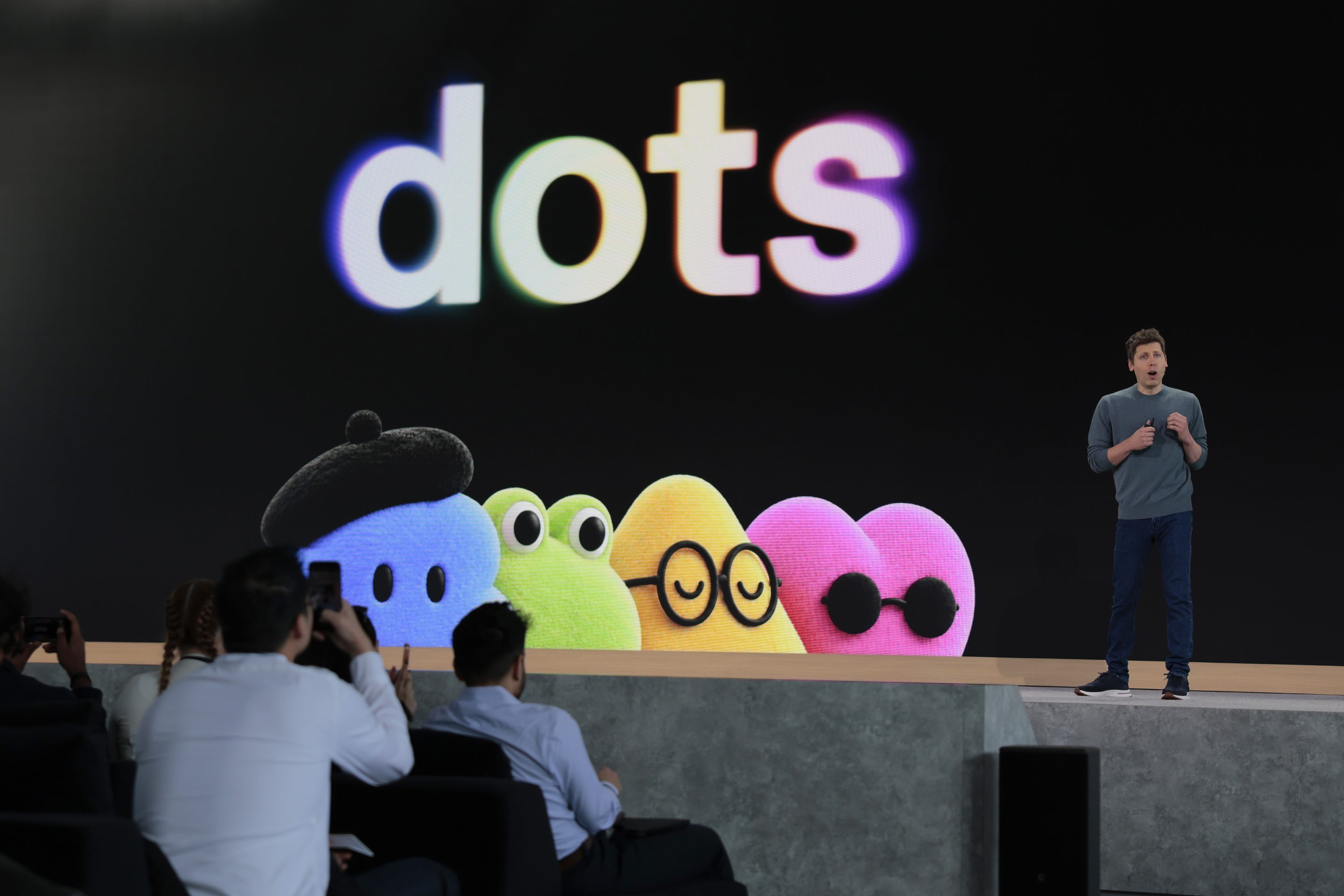
(Photo by Heather Diehl/Getty Images)
(Photo by Heather Diehl/Getty Images)Heather Diehl/Getty Images


OpenAI held its annual DevDay event in San Francisco on Tuesday, launching more than 20 different products.

But the headliner of the event was Dots, a new desktop agent product that competes directly with Meta’s recently released Muse virtual assistant.

Dots are always-available personal assistants that you can assign tasks to by chatting through text, Slack, or Microsoft Teams. They can complete multistep jobs such as keeping track of a project, preparing for an appointment, or following up on a to-do list. The agent proactively completes the work, leveraging any apps the user has granted it access to, and only reaches out to the human when something requires their review or attention.

OpenAI said Dots can be customized, sharing examples of green Dots that look like frogs, as well as yellow, pink, and blue Dots in varying cutesy forms. The Dots learn their creator’s preferences over time, and remember past conversations and decisions—a process that likely results in their collecting immense amounts of data along the way, as Meta’s Muse does, ZDNet reports. That could be why Dots are not available in regions with strict data privacy laws like the European Economic Area, Switzerland, and the U.K.

To ensure Dots don’t go rogue—especially in light of OpenAI’s agents continuing to hack websites and act in unintended ways during training—OpenAI built them to ask users for permission before performing sensitive actions, such as changing a password, permanently deleting data, or installing software. Users can also set customer rules to explicitly tell their Dots what they can and cannot do, and when they need permission.

All ChatGPT Pro and Business Premium users get one free Dot included in their plans, although OpenAI says it will later offer paid options for more Dots at an unnamed price. Over time, OpenAI plans to make it possible to assign work to teams of Dots that can collaborate. —Emily Forlini

THE BLIND BOX
"To say it lightly: this surprised the f*ck out of us."
Read the full story here.

THE RUNDOWN
—OpenAI looking to raise $30 billion at $1.4 trillion valuation. That ought to keep them flush until next year's IPO.

—Anthropic’s leaked IPO prospectus: steep losses, rapid growth, and a fear that AI could end humanity

—OpenAI employees raised alarms months before Hugging