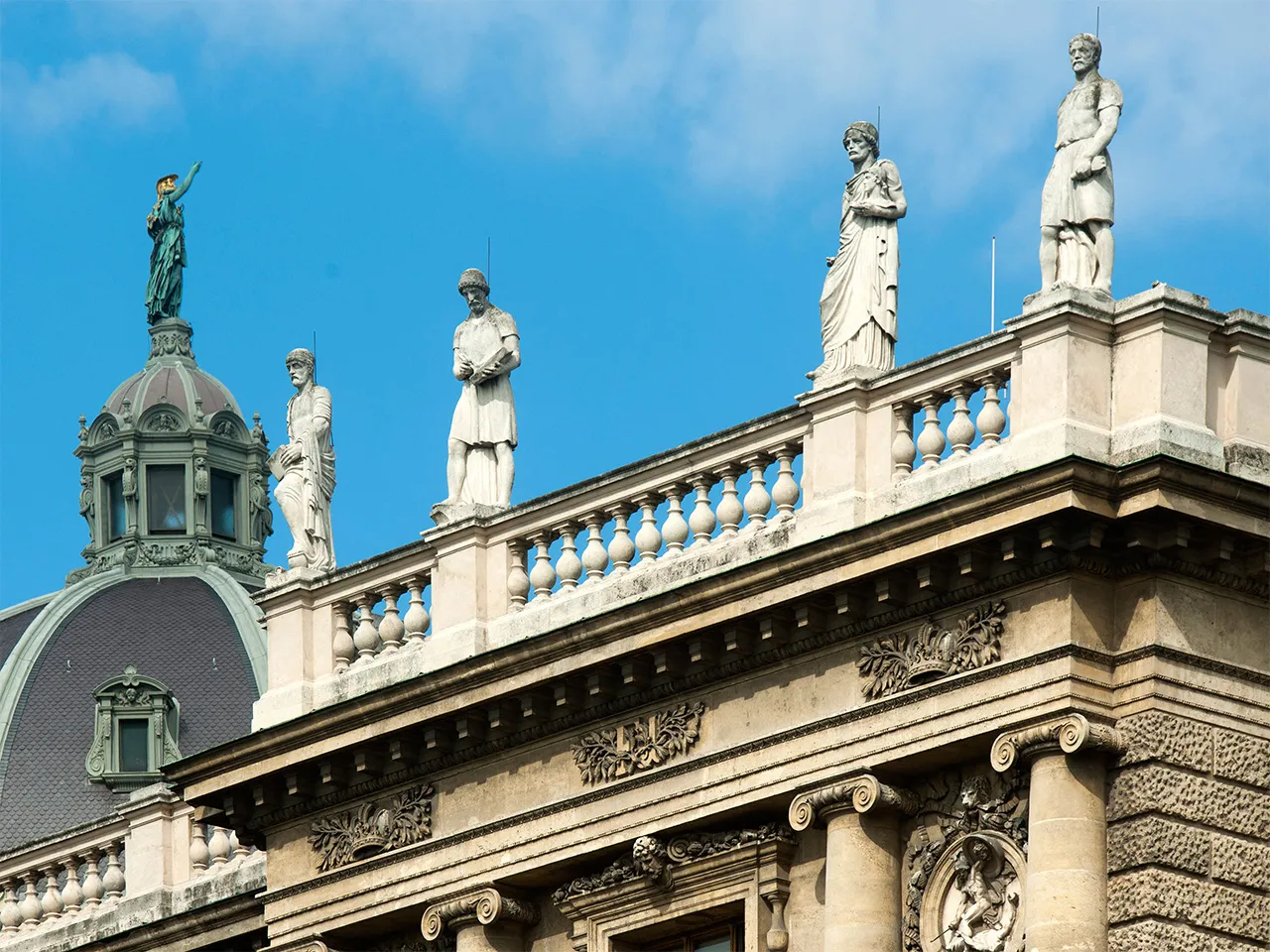
A round-up from Vienna Design Week and more.
|
Wednesday 30/9/26
|

|
|
London
Paris
Zürich
Milan
Bangkok
Tokyo
Toronto
|
|
|
|

out of the woods
We start off this week’s dispatch in Vienna, where the 20th edition of the city’s Design Week is currently under way. Then
Bali-based designer Budiman Ong sheds light on sculptural lamps and Indonesian craft, all while we kick back in a
lounge chair once used by Elizabeth Taylor. We also peruse
material successes from Monaco’s Luxe Pack, the annual trade show for premium creative packaging – but not before Monocle’s Alexei Korolyov shares a few tales about the design history of the Austrian capital.
|
|
OPINION: Alexei Korolyov
All the right moves
Vienna Design Week is the perfect occasion to reflect on the Austrian capital’s design pedigree, one that truly came into its own in the late 19th and early 20th centuries. The city is often described as grand but a little dowdy – fair enough, given that it once sat at the centre of an unwieldy empire, with an ageing emperor on the throne (Franz Joseph I, he of the magnificent moustaches). Yet it was perhaps in the waning years of Austria-Hungary, in the decade or so before the First World War, that the city found its truest expression: the gilded architecture of Otto Wagner and the languorous, decadent canvases of Gustav Klimt and Egon Schiele – grand, yes, but never dowdy. “Vienna 1900”, as the curators like to call it, was also an intellectual powerhouse: the world of Freud’s freshly minted psychoanalysis and Wittgenstein’s gnomic philosophy.
Klimt and Wagner were early members of the Secession, the breakaway art movement established in 1897. Its headquarters was a gleaming white pavilion by Joseph Maria Olbrich. Capped with a dome of golden laurel leaves, it remains one of the purest statements of Jugendstil – the German term for art nouveau, often used interchangeably with Secession itself. Inside hangs Klimt’s celebrated “Beethoven Frieze” – one of the style’s supreme expressions in the visual arts.
|
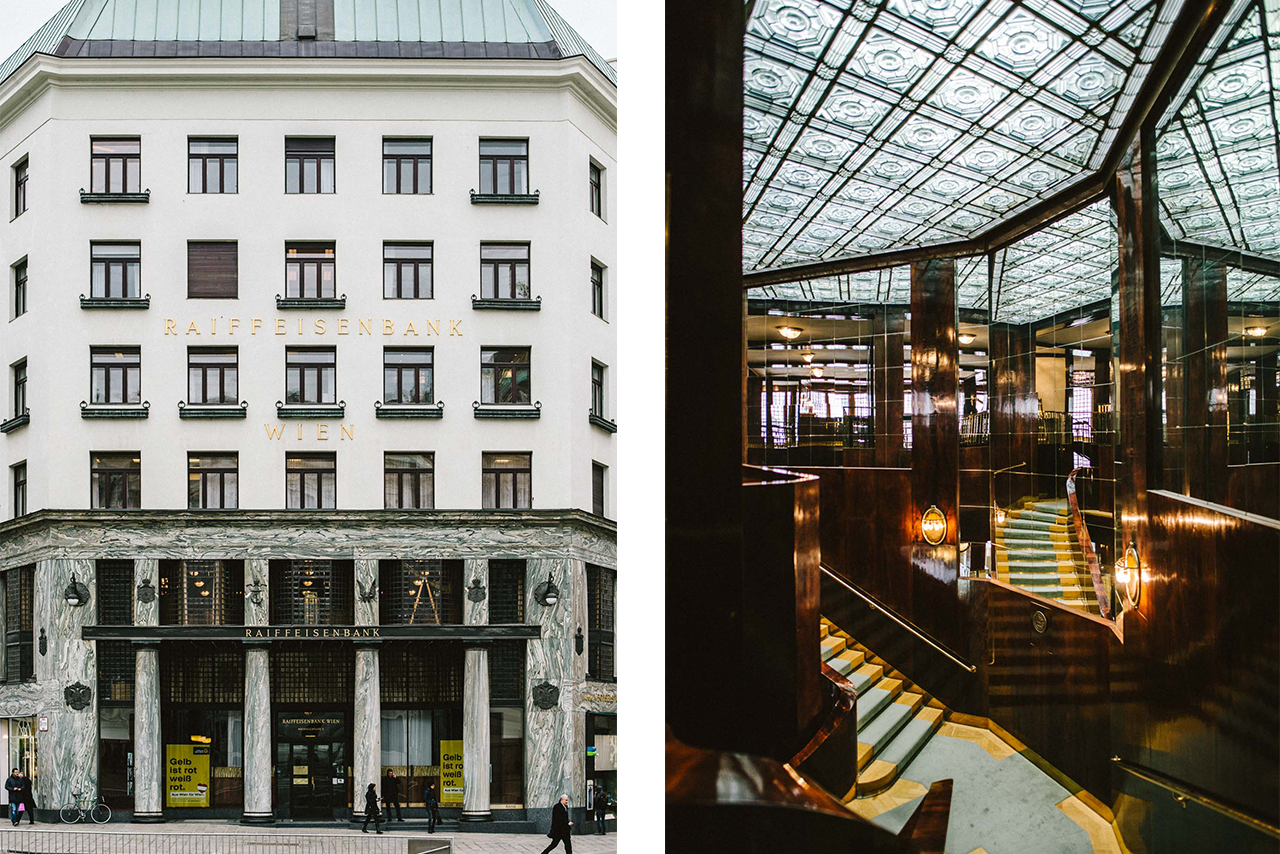
Wagner, for his part, created architecture that still shapes the city’s fabric. His pair of residential blocks by the Naschmarkt, just down the road from the Secession Building; his station pavilions for what would become the Vienna U-Bahn; and the luminous Church of St Leopold, rising from the grounds of a former hospital at the city’s edge, all exemplify Jugendstil’s taste for floral motifs, angelic statuary and wrought iron. Adolf Loos exemplified the era’s countercurrent, preaching a radical simplicity and famously declaring all ornament a crime. His Looshaus (pictured), notorious for its bare façade, caused a scandal among contemporaries and is now regarded as a precursor to the modernism of Le Corbusier and Mies van der Rohe.
Design, too, was remade. In 1903, fellow Secessionists Koloman Moser and Josef Hoffmann established the Wiener Werkstätte co-operative. Working across jewellery, furniture, interiors, fashion and glassware, their characteristic geometries and refined forms would go on to influence the Bauhaus. One of the Werkstätte’s most ambitious commissions (and a perfect expression of its cross-disciplinary approach) was a sanatorium at Purkersdorf, on Vienna’s fringe, designed by Hoffmann. He oversaw every detail, down to the chairs, including his celebrated
Sitzmaschine (or machine for sitting), a reclining armchair with a trademark grid design. This and other pieces are now held in collections worldwide, not least in
Vienna’s own Museum of Applied Arts.
But not everything from that age has been relegated to the museum. Furniture-maker Wittmann still produces Hoffmann’s Kubus armchair, while glassmaker J & L Lobmeyr continues to manufacture Wiener Werkstätte-designed glassware. More broadly, that fin-de-siècle spirit – a sense of stylistic renewal coupled with a return to craftsmanship – continues to animate Vienna’s artists and artisans today. Now the city’s contemporary design scene is flourishing – but that’s only possible because it was built on a solid foundation.
Alexei Korolyov is Monocle’s Vienna correspondent. For more news and analysis, subscribe to Monocle today.
Viennese visitation:
For hot tips on where to go and what to see in Vienna, head to monocle.com for our City Guide to the Austrian capital.
|
|
DESIGN NEWS: Vienna Design Week, Austria
Past, present and future
Pulling out all the stops in celebration of its 20th anniversary, this year’s Vienna Design Week offers a jam-packed programme of exhibitions, talks, installations and workshops across the city until Sunday 4 October. It’s also a valuable opportunity to sneak a peek inside some of the city’s most historic buildings, with tours of modernist marvel Villa Beer, residential complex Sargfabrik – which occupies a former coffin factory – and Gustav Klimt’s art nouveau atelier.
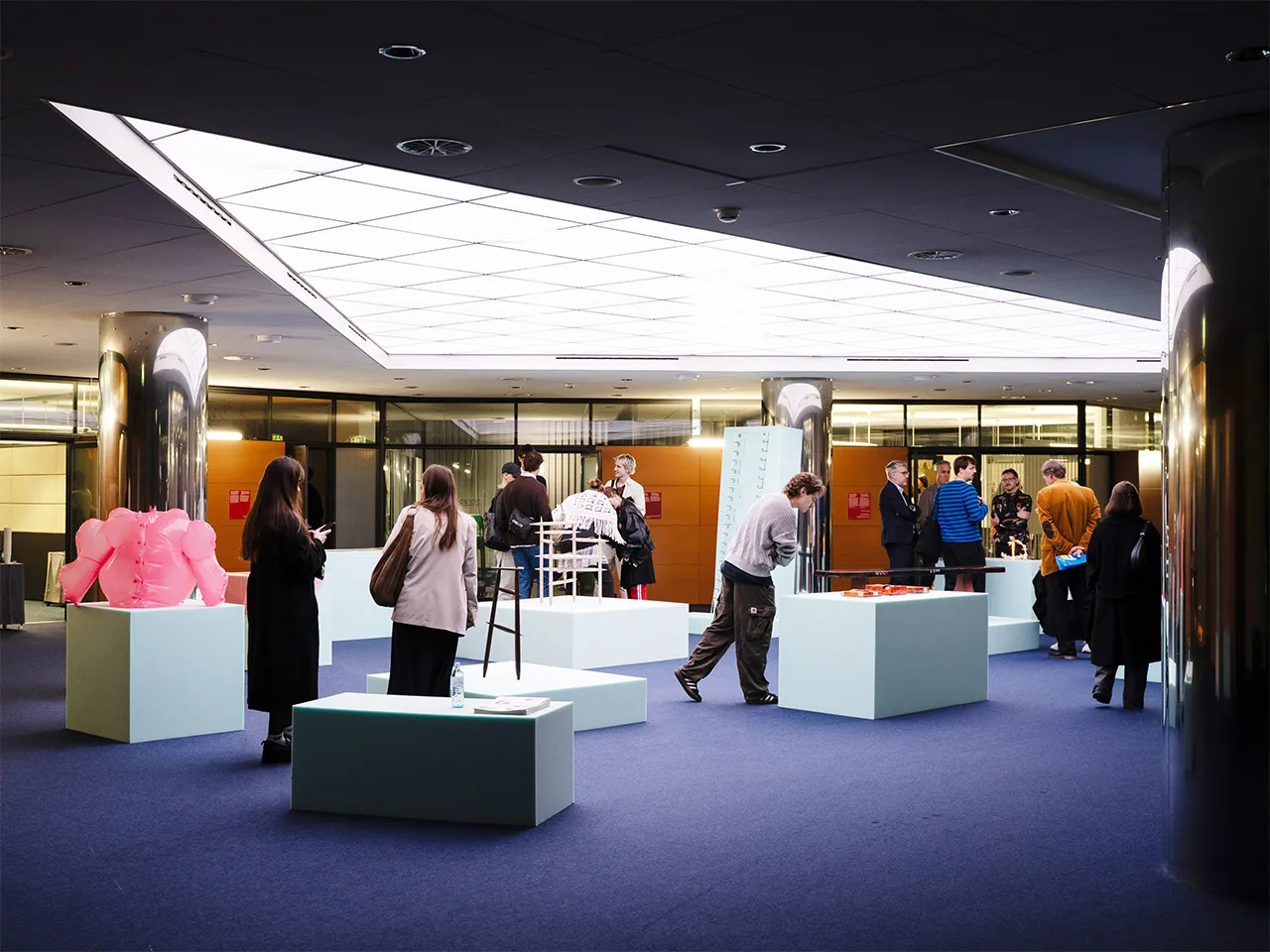
Additionally, visitors can poke around Hietzinger Kai 101, an office building that was designed in the 1970s by Harry Glück, the architect behind Vienna’s celebrated Wohnpark Alterlaa social-housing complex. The now-empty Hietzinger Kai 101 has been taken over as the temporary headquarters of the Design Week, which has filled it with all manner of installations and showcases that give a glimpse into the future of Austrian design.
|
|
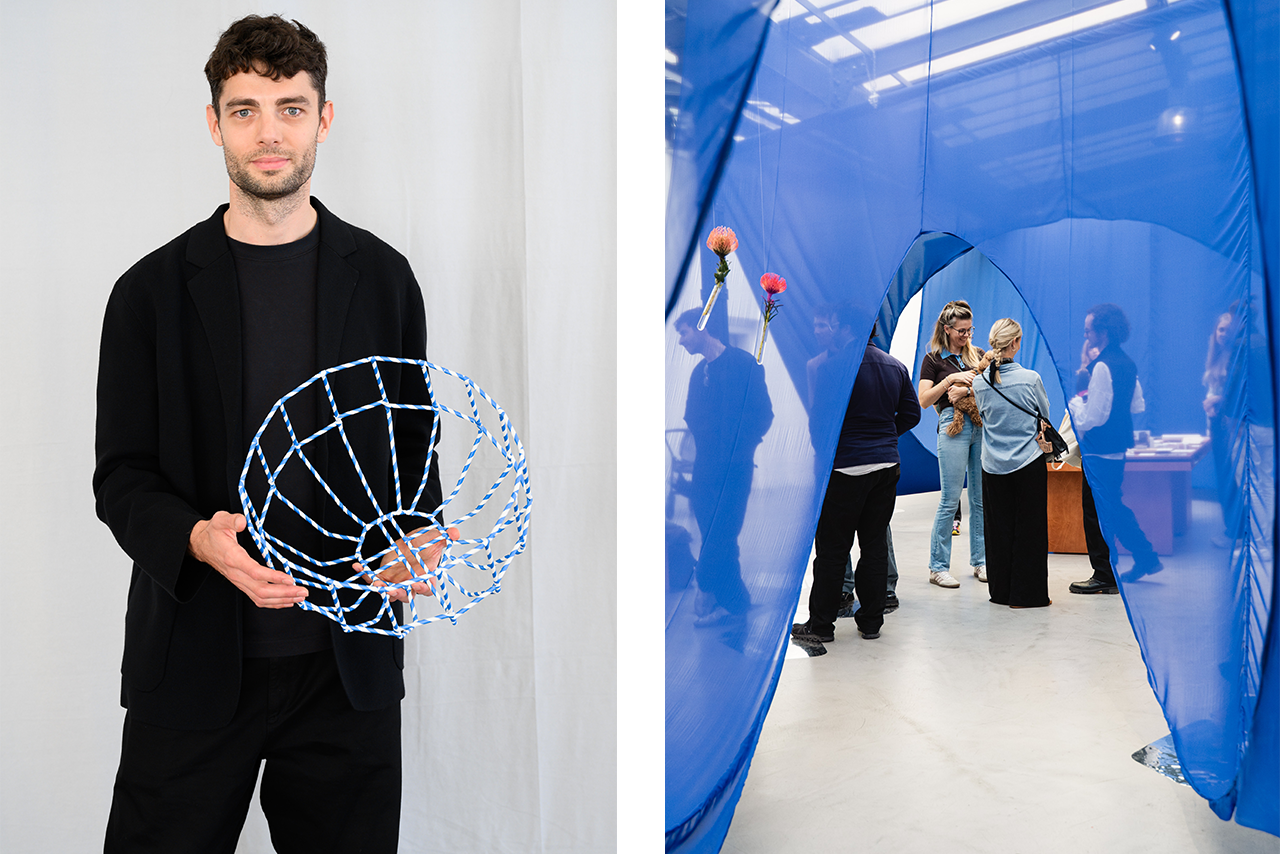
Emerging creatives are also being celebrated. Group exhibitions such as Platform (above right) and Fokus include works from young designers such as Maurizio Filippi (above left). The event’s “Passionswege” series has paired emerging talent with some of the city’s most historic artisan makers – including milliners Mühlbauer, silversmiths Wiener Silber Manufactur and glassmakers J
& L Lobmeyr – to collaborate on new pieces now on display in their flagship shops in Vienna’s old town.
“Vienna Design Week has become one of the most important
design festivals in Europe and, most importantly, along the way it developed its own unique character,” says its director, Gabriel Roland. “This anniversary is an opportunity for us to look back on what we have accomplished, to celebrate the present and to look boldly to the future.”
viennadesignweek.at
Night at the museum: Visitors to Vienna would do well to stop past its
MuseumsQuartier, which has just celebrated its 25th anniversary and remains a model for putting art and design at the centre of city life.
|
|
WORDS WITH... Budiman Ong, Indonesia
Lighting the way
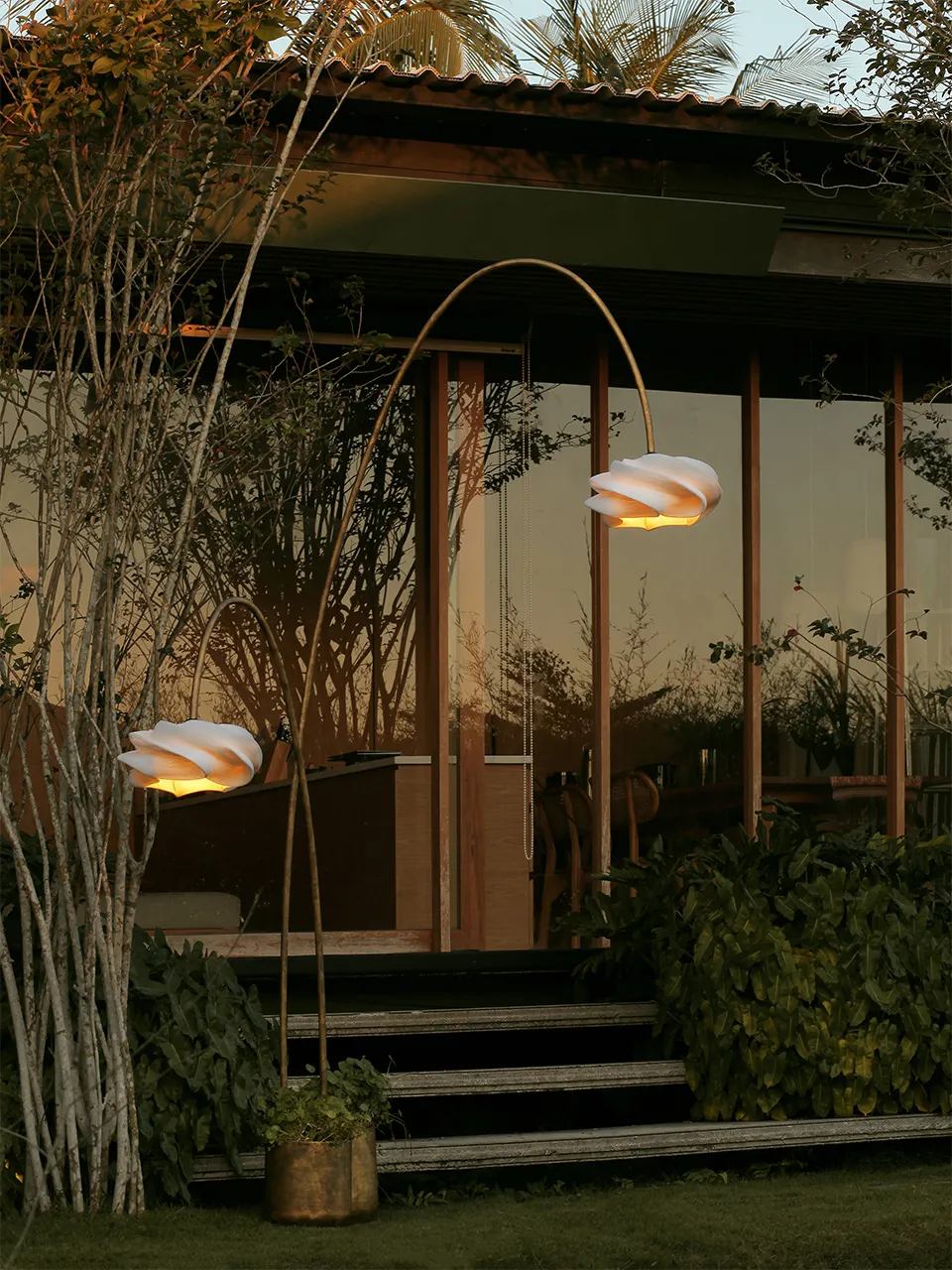
Indonesian designer Budiman Ong founded lighting studio Ong Cen Kuang in 2008. The Bali-based operation handcrafts sculptural lamps using often overlooked materials, such as banana-fibre paper and copper wire. Twelve years later he opened Jia Collective, a shop showcasing the best of Indonesian design. That original vision has quickly taken on a life of its own, evolving into Jia Curated, a fast-growing festival that draws Indonesian and international designers, makers and architects to Bali’s shores every year. We hear from Ong to learn about his dream museum commission and his biggest hopes for his country’s creative scene.
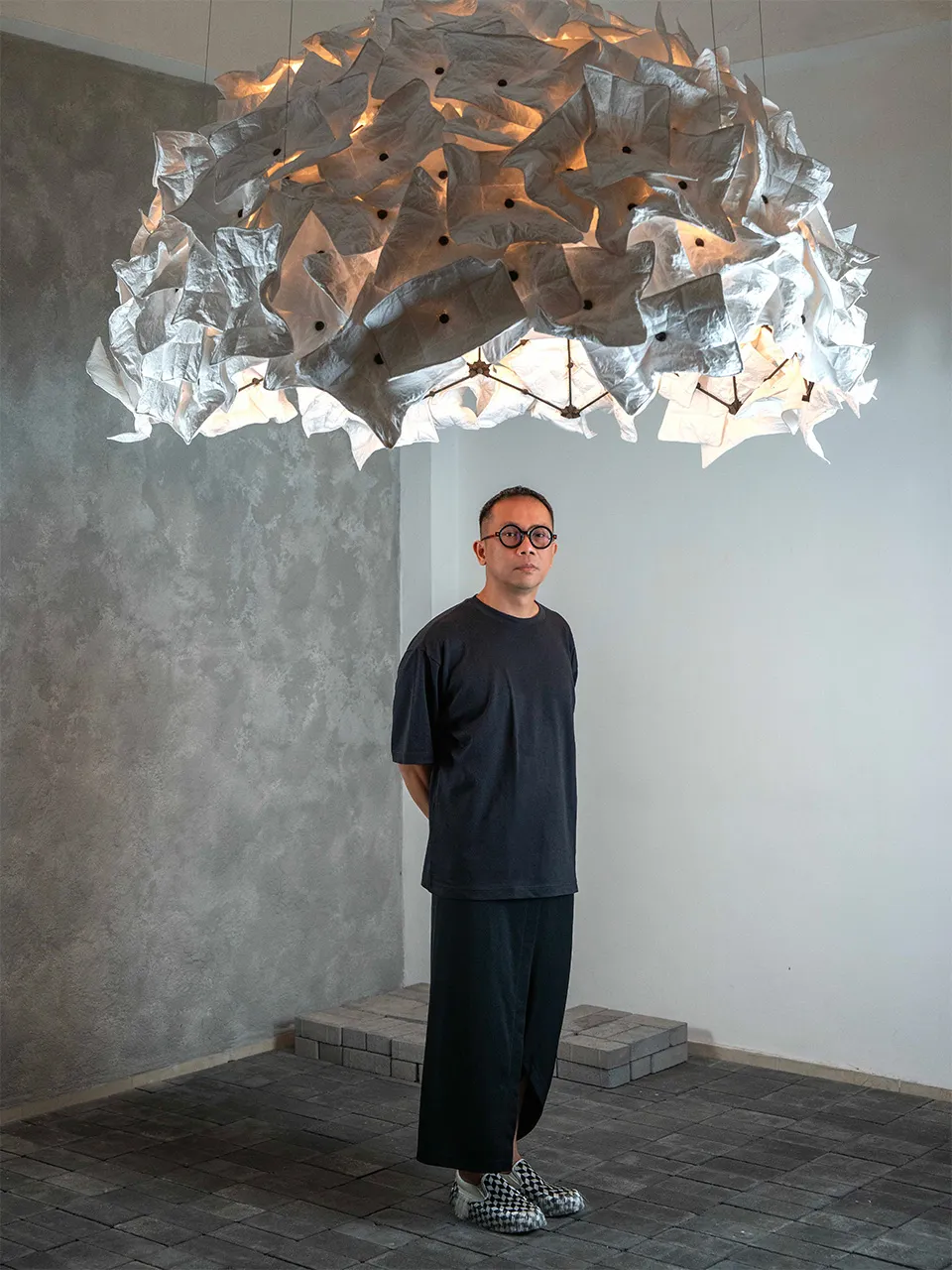
|
Which designer or design movement has shaped you the most?
Dutch conceptual design collective Droog Design. In 2000, it designed the Mandarina Duck flagship shop in Paris, which had all sorts of experimental interiors that straddled craft and high technology, from a larger-than-life floating “cloche” that housed clothing rails to a wall made out of rubber bands. I’m also influenced by the organic and sculptural forms of German industrial designer Ingo Maurer. His Mamo Nouchies collection caused me to see light in a different way, and played a part in why I design lamps today.
The sky’s the limit: which piece of furniture would you love to own?
Marcel Wanders’s Knotted Chair. Its organic shape allows the material to shine and I’m drawn to how the designer has managed to combine aramid braid and carbon fibre.
A recurring source of inspiration?
It always starts with the material and questions relating to it. I’m a curious person and my most successful projects have been the result of answering my own questions. But even then, it’s never a full stop. I’ve always found more questions, which means that the journey never ends.
|
A dream commission?
I would love to create something for London's Victoria and Albert Museum because of what the institution represents to me. It would feel like a homecoming in many ways, as I used to study in the UK and the time spent there has shaped much of who I am today. I also feel a connection with the Zaishui Art Museum in Rizhao, China. The architecture is so immersive, even without the presence of an exhibit, and I’m drawn to the prospect of creating something equally compelling within.
A priority for you and the industry going forward?
Specific to Indonesia: we need to build a vibrant design ecosystem where the manufacturers and designers all come together to work synergistically. It’s the spirit of
gotong royong – an Indonesian phrase that means mutual co-operation. I’d also like to see more collaboration between the Indonesian design scene and the rest of Asia.
For more from designers such as Budiman Ong, tune in to ‘Monocle on Design’ on Monocle Radio.
|
|
from the archive: Lounge Chair and Ottoman by Van Keppel-Green, USA
Outside the lines
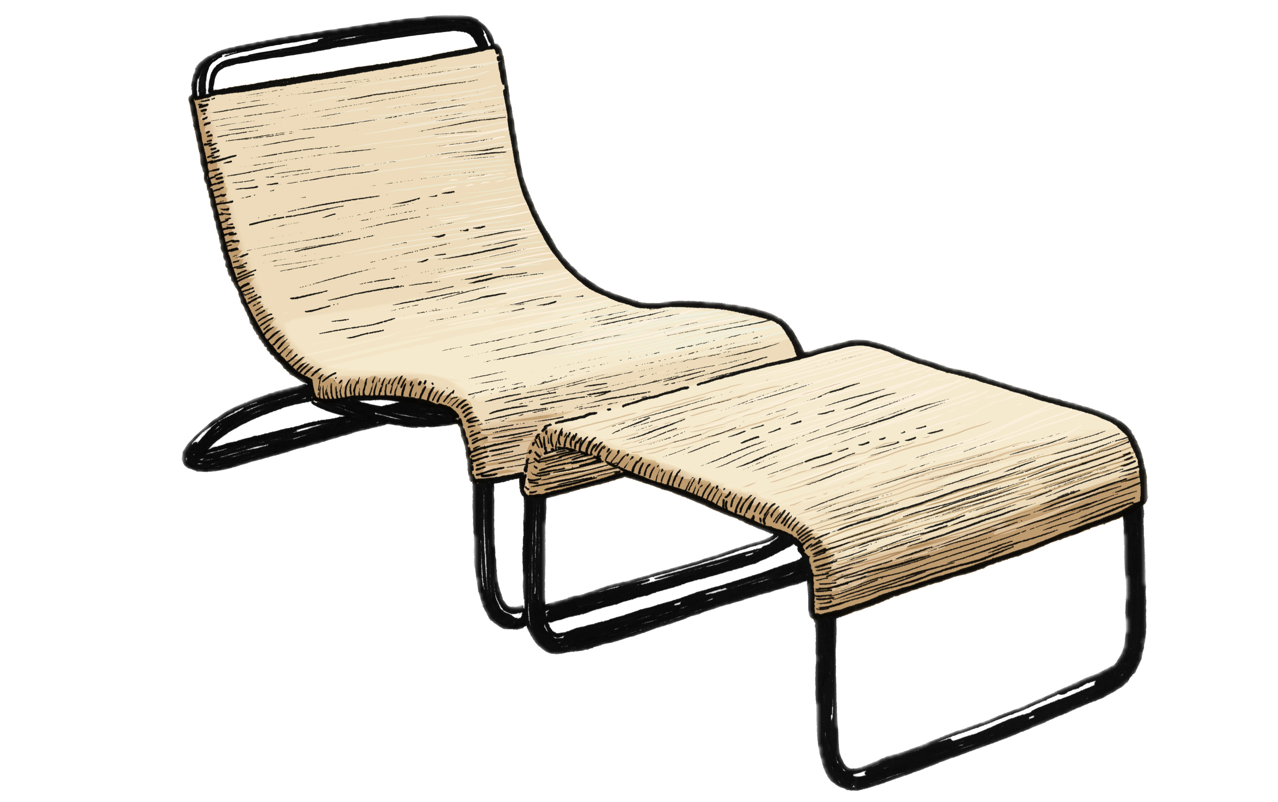
This lounge chair has the odd distinction of being famous but almost unknown. Stick with us here. It figures prominently in many iconic images of California modernism depicting poolside life in Richard Neutra’s Palm Springs homes and at Case Study Houses in Los Angeles. It supplied a perch for Elizabeth Taylor in 1956 film
Giant. Still, you would be forgiven for not recognising the names of designers Hendrik van Keppel and Taylor Green, who ran furniture manufacturer Van Keppel-Green from 1940 to the 1970s before shrinking from the limelight.
|
The concept for the VKG Model 801 lounge chair originated in the late 1930s, when Van Keppel had the idea to wrap a tubular-steel frame with store-bought marine cord. This later became the first product by Van Keppel-Green, which specialised in furniture that could be placed in the living room as easily as by the pool. This niche made it the manufacturer of choice for mid-century architects who, with their glass-walled villas, were also seeking to blur the divide between indoor and outdoor. Now, its lounge chair, ottoman and sunbed have all been reissued by Modernica, giving these pieces a well-deserved contemporary moment in the sun.
|
|
IN THE package: luxe pack, monaco
Material matters
Luxe Pack, the annual trade show for
premium creative packaging, has just wrapped up in Monaco. This year it welcomed 380 exhibitors from more than 30 countries for three days at the Grimaldi Forum to discuss everything from paper-based injection molding by Injectose to Cloud Beauty’s Zero Waste Lipstick, designed to ensure that every last bit of product is used. Here are a few of Monocle’s favourite discoveries.
1.
C-itech
A former lighting producer for Philips, C-itech reinvented itself as the incandescent and halogen bulb market declined with the rise of LEDs. Since 2022, it has applied its glass-bulb technologies to ultra-thin glass cosmetics packaging, reducing a 30ml bottle from about 70g to just 12g. The innovation challenges traditional paradigms of luxury, where weight once equated value.
c-itech.com
|
2.
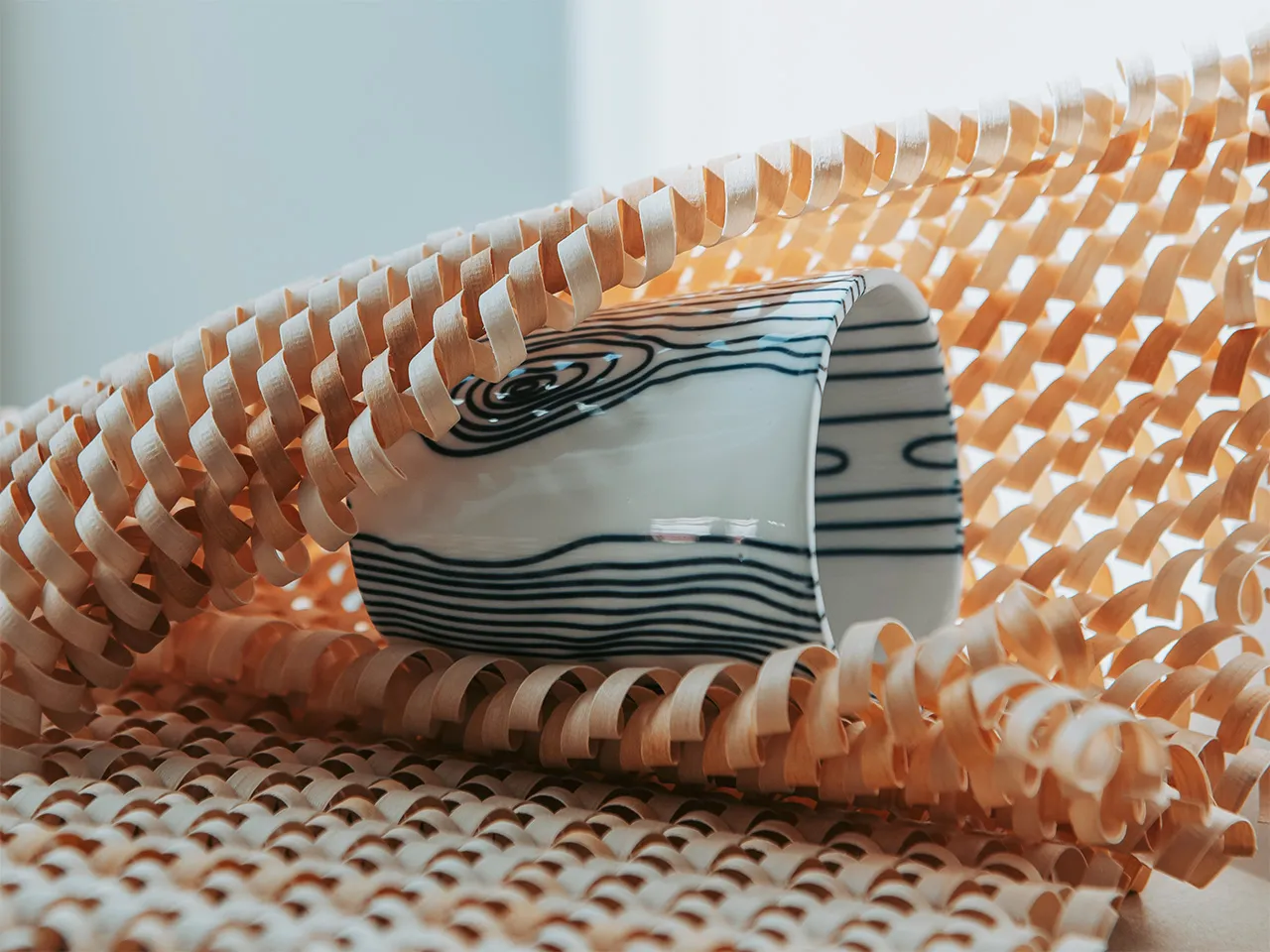
Raiku (pictured)
Estonia’s Raiku is rethinking packaging with a 100 per cent natural, wood-based material designed to replace bubble wrap. The production process expands timber to make it 20 times less dense than in its original form, a process that also uses significantly less water than paper-based alternatives. “We started from the concept that this is one of the lowest carbon footprint products on the market,” says Raiku’s Karl Pärtel, explaining that the firm never set out to enter the luxury packaging market. “People started to tell us that this material looks too beautiful to pack with, and so we went into the luxury scene.”
raiku.co
3.
Ircam Amplify
Packaging is often associated with objects that we can see and touch: bottles, boxes, wrappers and so on. But what about the untouchable? Ircam Amplify, the private subsidiary of the French research centre dedicated to studying the impact that music has on behavior, uses sound as a new material. “On a website, you can’t smell perfume, you can’t taste champagne,” says Jean-Yves Le Porcher, its chief experience officer. “We use a phenomenon of the brain called synesthesia, which is the cross layer of different senses, so that if you don’t have the smell on the website we can replace it with a sound that gives a similar emotional impact.”
ircamamplify.com
Package perfect: For more outstanding packaging, pick up a copy of Monocle’s September issue, which features a
report on Sonderegger – the Swiss firm responsible for sleek branding material for a host of high-end brands.
|
|
| | |