
| Forwarded this email? Subscribe for more |



 |
| By The Free Press |
|

It’s Monday, October 5. This is The Front Page, your daily window into the world of The Free Press—and our take on the world at large. Today: The presidential hopeful fanning the flames in France. Sally Satel on why psychology’s top accreditor is in the federal crosshairs. Josh Code reports on Gen Z’s new addiction. And much more.
But first: The missed warnings about October 7.
In 22 days, Israelis will vote in the first national elections since the worst attack in the country’s history. At stake is the political future of Benjamin Netanyahu, Israel’s longest-serving prime minister, and the direction of the Jewish state at a fraught moment in the Middle East.
This week marks the third anniversary of Hamas’s October 7 rampage through Israel, and the attack, as well as the war that followed, are major issues on the campaign trail. For Netanyahu, the question that looms over his reelection bid is the same question that has dogged him ever since that dark day three years ago: How could he let this happen?
Making matters more awkward for Netanyahu is the handful of people who raised the alarm ahead of the Hamas attack. Today, Jay Solomon talks to one of them: Yigal Carmon, 80-year-old former counterintelligence analyst. He runs an organization called MEMRI, which monitors Arabic- and Persian-language media in the region. On August 31, 2023, he published an article on his website titled “Signs of Possible War in September–October.” War would soon arrive, of course. Carmon is out with a new report, his most comprehensive look yet at the signs of a coming attack and how they were missed. He shared the details exclusively with The Free Press.
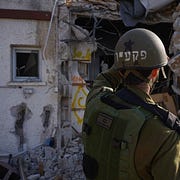
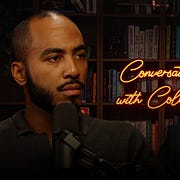
Why did so few people heed warnings like Carmon’s? Elliot Kaufman, author of the new book In the War Room, sits down with Coleman Hughes in the latest episode of Conversations with Coleman and argues that Israel’s failure wasn’t due to a lack of red flags; it came from an inability to believe Hamas would act on them. Don’t miss their conversation on what happened inside Israel’s war room once the fighting began.


—Oliver Wiseman
 |
The Wellness Drink That Hooked Gen Z as “Oops Addicts”
Gen Z is obsessed with wellness and sobriety. We have smart devices measuring our blood pressure and telling us how well we slept, apps to track our calories, and injections to make sure we don’t consume too many of those calories in the first place. We’re also drinking alcohol at lower rates than our parents did when they were our age.
Enter Feel Free, a drink in a tiny blue bottle billed as an alcohol-alternative “social tonic.” A casual buzz without the hangover. The two-ounce bottle contains kratom, a natural substance unregulated by the Food and Drug Administration that can improve focus and produce an opioid-like high when consumed in higher doses.
The drink looks innocent. For some users, though, it ended up being addictive, and it can be so hard to stop that withdrawal is “absolutely comparable” to heroin, according to one person who used both. Many of the people I spoke to said they had never touched drugs before and got hooked by accident while seeking an alternative to alcohol, a study aid, or a way to get over their social anxiety.
Arizona attorney general Kris Mayes called Feel Free “gas station heroin.” Last month, she sued its manufacturer, Botanic Tonics, for allegedly violating a consumer fraud law.
I wanted to know: What the heck is Feel Free? And more importantly, how is it still being sold in over 30,000 stores across the country? Read my report to find out.
—Josh Code
 |